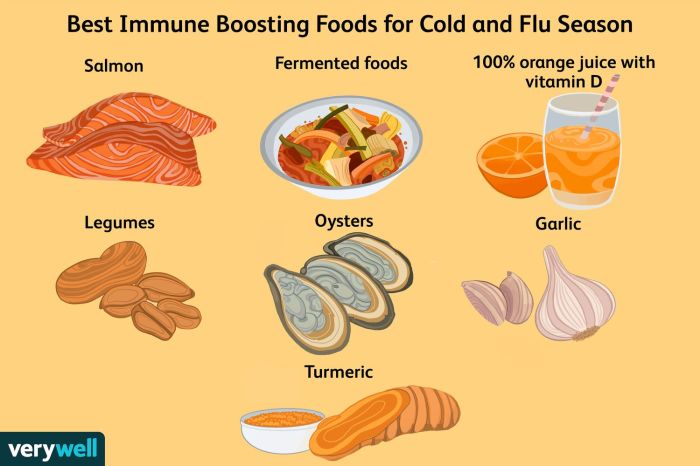
Healthy Habits
Maintaining healthy habits is crucial for boosting the immune system, especially during flu season. Consistency in daily routines can help protect the body against illnesses and infections.
Consistent Sleep Schedule
Immune support tips during flu season – Getting an adequate amount of sleep each night is essential for immune support. Lack of sleep can weaken the body’s defenses, making it more susceptible to catching the flu. Aim for 7-9 hours of quality sleep to help your immune system function optimally.
Regular Exercise
Engaging in regular physical activity is another key factor in strengthening the body’s defenses against the flu. Exercise helps boost circulation, improve immunity, and reduce stress levels. Aim for at least 30 minutes of moderate exercise most days of the week to reap the immune-boosting benefits.
Emotional Wellbeing
Stress management plays a crucial role in supporting a healthy immune system. When we are stressed, our body releases cortisol, a hormone that can suppress immune function. Therefore, finding ways to reduce stress can help strengthen our body’s defenses against illnesses like the flu.
Relaxation Techniques
- Deep breathing exercises: Taking slow, deep breaths can help calm the mind and body, reducing stress levels.
- Meditation: Practicing mindfulness meditation can help improve emotional wellbeing and reduce anxiety, ultimately supporting immune function.
- Yoga: Engaging in regular yoga sessions can not only help relieve stress but also improve overall physical and mental health.
- Progressive muscle relaxation: This technique involves tensing and then relaxing each muscle group in the body, promoting relaxation and reducing stress.
Emotional Health and Immune Response
Emotional health is closely linked to immune response, especially during flu season. Studies have shown that individuals experiencing chronic stress or negative emotions may have a weakened immune system, making them more susceptible to infections. By prioritizing emotional wellbeing and incorporating relaxation techniques into our daily routine, we can better support our immune system and reduce the risk of falling ill during flu season.
Healthy Aging
Aging can have a significant impact on the immune system’s ability to fight off flu viruses. As we get older, our immune response tends to weaken, making older adults more vulnerable to infections like the flu.
Maintaining a Healthy Lifestyle
- Stay active: Regular exercise can help boost the immune system and improve overall health.
- Eat a balanced diet: Consuming a variety of fruits, vegetables, whole grains, and lean proteins can provide essential nutrients to support immune function.
- Get enough sleep: Adequate rest is crucial for a healthy immune system, so aim for 7-9 hours of quality sleep each night.
- Manage stress: Chronic stress can weaken the immune system, so practice relaxation techniques like meditation or yoga.
Role of Vaccinations
Vaccinations play a vital role in protecting older adults during flu season. Getting an annual flu shot can help reduce the risk of serious complications from the flu and prevent the spread of the virus to others. It’s important for older adults to stay up-to-date on recommended vaccines to maintain their immunity and stay healthy as they age.
Active Lifestyle
Regular physical activity plays a crucial role in supporting the immune system and reducing the risk of flu infections. Exercise helps to boost the body’s defenses and improve overall health, making it an essential component of flu prevention.
Impact of Physical Activity on Immune Support
Regular exercise has been shown to have a positive impact on the immune system by enhancing the circulation of white blood cells and antibodies, which are essential in fighting off infections. Additionally, physical activity can help reduce inflammation in the body, further strengthening immune function.
- Cardiovascular exercises such as running, cycling, or swimming are great for improving circulation and overall immune function.
- Strength training exercises like weightlifting or bodyweight exercises can help increase muscle mass and improve immune response.
- Yoga and Pilates are beneficial for reducing stress levels, which can also boost the immune system.
Engaging in at least 150 minutes of moderate-intensity exercise per week can significantly enhance immune function and reduce the risk of flu infections.
Reducing Flu-Related Complications through Active Lifestyle
Staying physically active can help reduce the risk of flu-related complications such as pneumonia or other respiratory issues. Regular exercise improves lung function, which is crucial in combating respiratory infections like the flu.
- Regular physical activity can help maintain a healthy weight, reducing the strain on the body’s organs and immune system.
- Exercise promotes better sleep quality, which is essential for immune function and overall health.
- By staying active, individuals can improve their overall physical and mental well-being, leading to a stronger immune response against flu viruses.
Cardiovascular Health: Immune Support Tips During Flu Season
Maintaining a healthy heart is crucial for overall well-being, especially during flu season when the immune system may be under additional stress. Let’s explore how heart health is connected to immune function and ways to support it.
Heart-Healthy Diet Tips
Eating a nutritious diet plays a key role in supporting both heart health and immune function. Here are some tips for maintaining a heart-healthy diet to boost your immune system:
- Include plenty of fruits and vegetables rich in antioxidants to help reduce inflammation and support heart health.
- Choose whole grains over refined carbohydrates to improve heart function and maintain stable blood sugar levels.
- Incorporate lean proteins like fish, poultry, and legumes to provide essential nutrients for heart health and overall immunity.
- Avoid excessive salt, saturated fats, and added sugars, which can negatively impact heart health and weaken the immune system.
- Stay hydrated by drinking plenty of water throughout the day to support cardiovascular function and immune response.
Importance of Cardiovascular Exercise
Regular physical activity, especially cardiovascular exercise, is essential for maintaining a healthy heart and supporting immune function. Here’s why it’s important:
- Cardiovascular exercise helps improve blood circulation, which is vital for delivering oxygen and nutrients to all parts of the body, including the immune system.
- Engaging in regular aerobic activities like running, swimming, or cycling can strengthen the heart muscle, reduce inflammation, and boost overall cardiovascular health.
- Exercise also plays a role in reducing stress, which can have a positive impact on heart health and immune function during flu season.
- Consistent physical activity is linked to a lower risk of heart disease, stroke, and other cardiovascular conditions, ultimately supporting a robust immune system.
Healthy Recipes
During flu season, it’s essential to fuel your body with immune-boosting recipes that can help strengthen your defenses. A well-balanced diet plays a crucial role in supporting immune health and overall well-being.
Key Ingredients for Immune Health
- Garlic: Known for its antimicrobial properties, garlic can help fight off infections.
- Ginger: Contains gingerol, which has antioxidant and anti-inflammatory effects.
- Citrus Fruits: Rich in vitamin C, citrus fruits like oranges and lemons can boost your immune system.
- Leafy Greens: Packed with vitamins and minerals, leafy greens like spinach and kale support immune function.
Immune-Boosting Recipe: Garlic Lemon Chicken Soup
This hearty soup combines the immune-boosting properties of garlic and vitamin C-rich lemon with the comfort of chicken soup. Here’s a simple recipe to try:
- In a large pot, sauté chopped garlic in olive oil until fragrant.
- Add diced chicken breast and cook until browned.
- Pour in chicken broth and add chopped vegetables like carrots and celery.
- Simmer until the chicken is cooked through and the vegetables are tender.
- Squeeze fresh lemon juice into the soup before serving.
Mental Resilience
Building mental resilience is crucial for supporting overall immune function, especially during flu season. The mind-body connection plays a significant role in how well our immune system responds to infections like the flu.
Strategies for Building Mental Resilience
Developing mental resilience can help improve the body’s ability to fight off infections. Here are some strategies to build mental resilience:
- Practice mindfulness and meditation to reduce stress levels.
- Engage in regular physical activity to boost mood and overall well-being.
- Cultivate a positive mindset through gratitude journaling or positive affirmations.
- Seek social support from friends and family to strengthen emotional resilience.
Mind-Body Connection and Immune Support
The mind-body connection refers to the link between our thoughts, emotions, and physical health. When we practice mental resilience, we can positively impact our immune system’s ability to ward off illnesses like the flu. Stress and negative emotions can weaken the immune response, making us more susceptible to infections. By fostering mental resilience through positive coping strategies, we can enhance our immune function and overall well-being.
Immune Support
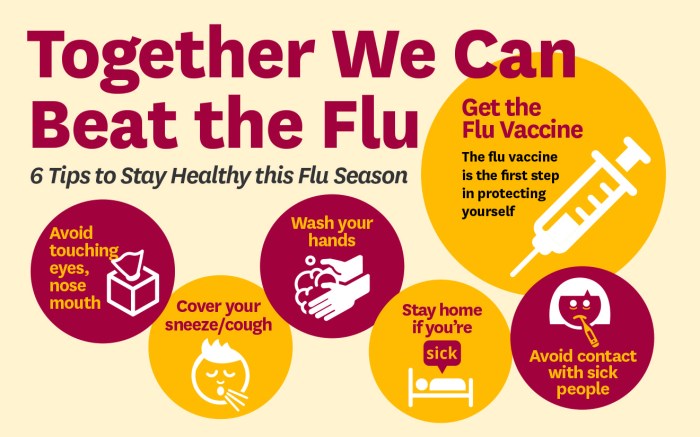
Maintaining a strong immune system is crucial, especially during flu season when viruses are more prevalent. There are various ways to enhance immune support, including specific vitamins and supplements, natural remedies, and a healthy gut microbiome.
Specific Vitamins and Supplements
Adding certain vitamins and supplements to your daily routine can help boost your immune system:
- Vitamin C: Known for its immune-boosting properties and antioxidant benefits.
- Vitamin D: Plays a key role in immune function and can help reduce the risk of respiratory infections.
- Zinc: Important for immune cell function and can help shorten the duration of colds.
Natural Remedies, Immune support tips during flu season
Aside from vitamins and supplements, natural remedies can also support your immune system:
- Elderberry: Rich in antioxidants and can help reduce the severity and duration of cold and flu symptoms.
- Echinacea: Known for its immune-boosting properties and can help the body fight off infections.
- Ginger: Has anti-inflammatory and antioxidant effects that can support immune function.
Healthy Gut Microbiome
Your gut health is closely linked to your immune system, so maintaining a healthy gut microbiome is essential for immune function:
- Include probiotic-rich foods like yogurt, kefir, and sauerkraut in your diet to support good bacteria in your gut.
- Eat plenty of fiber-rich foods like fruits, vegetables, and whole grains to promote a healthy gut microbiome.
- Avoid excessive use of antibiotics, as they can disrupt the balance of bacteria in your gut and weaken your immune system.
Stress Relief
Stress relief techniques are crucial for maintaining a healthy immune system, especially during flu season. Chronic stress can weaken the immune response, making individuals more susceptible to illnesses like the flu.
Mindfulness Practices
- Practicing deep breathing exercises can help calm the mind and reduce stress levels.
- Engaging in meditation or yoga can promote relaxation and improve overall well-being.
- Spending time in nature or practicing mindfulness in daily activities can help shift focus away from stressors.
Impact of Chronic Stress on Immune Function
Chronic stress can suppress the immune system, making it harder for the body to fight off infections like the flu. High levels of stress hormones can negatively impact immune cells, leading to increased vulnerability to illnesses. It is essential to incorporate stress-relief techniques into daily routines to support immune health and overall well-being.
Nutritional Balance
Proper nutrition plays a crucial role in supporting the immune system’s response to flu viruses. A balanced diet provides the essential nutrients needed to strengthen the immune system and improve overall health.
Essential Nutrients for Immune Support
- Vitamin C: Known for its immune-boosting properties, vitamin C helps the body fight off infections and reduces the duration of colds and flu.
- Vitamin D: Plays a key role in regulating the immune system and reducing the risk of respiratory infections.
- Zinc: Essential for immune function, zinc helps in the production of immune cells and antibodies that fight off viruses.
- Probiotics: Support gut health, which is closely linked to the immune system, by promoting the growth of beneficial bacteria.
Nutritional Balance and Immune Resilience
A well-balanced diet that includes a variety of fruits, vegetables, whole grains, lean proteins, and healthy fats ensures that the body receives all the necessary nutrients to maintain a strong immune system. Nutritional balance is essential for overall immune resilience during flu season, as it helps the body function optimally and fight off infections effectively.
Questions and Answers
How important is sleep for immune support during flu season?
Getting an adequate amount of quality sleep is crucial for supporting your immune system during flu season. Lack of sleep can weaken your body’s defenses, making you more susceptible to illnesses.
What role do vaccinations play in protecting older adults during flu season?
Vaccinations play a vital role in protecting older adults during flu season by boosting their immunity against specific flu strains. It’s important for older adults to stay up to date with their vaccinations to reduce the risk of severe flu complications.
Can stress relief techniques really help in boosting immunity?
Yes, stress relief techniques can significantly impact your immune system’s function. By managing stress effectively, you can reduce inflammation in the body and enhance your overall immune response to fight off infections like the flu.
How does a balanced diet support the immune system’s response to flu viruses?
A balanced diet provides essential nutrients that support your immune system’s ability to combat flu viruses effectively. By consuming a variety of nutrient-rich foods, you can optimize your body’s immune response and reduce the risk of falling ill during flu season.