Healthy Habits
Incorporating healthy habits into a senior’s daily routine is crucial for maintaining mental resilience. This includes physical activity, a balanced diet, and mindfulness practices.
Physical Activity
Regular physical activity is essential for seniors to stay mentally sharp and resilient. Here are some tips to help incorporate daily exercise into their routine:
- Encourage walking or light aerobic exercises for at least 30 minutes a day.
- Join group fitness classes tailored for seniors to make exercise more enjoyable.
- Include strength training exercises to improve muscle mass and bone density.
Balanced Diet
A balanced diet plays a significant role in promoting mental resilience in seniors. Consider the following tips for a healthy diet:
- Focus on whole foods such as fruits, vegetables, whole grains, lean proteins, and healthy fats.
- Limit processed foods, sugary snacks, and high-fat foods to maintain overall health.
- Stay hydrated by drinking an adequate amount of water throughout the day.
Mindfulness Practices
Mindfulness practices can help seniors manage stress and improve emotional wellbeing. Here are some examples of mindfulness exercises they can try:
- Deep breathing exercises to promote relaxation and reduce anxiety.
- Meditation sessions to enhance focus, awareness, and emotional balance.
- Yoga practices to improve flexibility, strength, and mental clarity.
Emotional Wellbeing: Mental Resilience Exercises For Seniors
Social connections play a crucial role in maintaining emotional health in older adults. Engaging in meaningful relationships with friends, family, and community members can provide a sense of belonging, support, and companionship, reducing feelings of loneliness and isolation.
Benefits of Engaging in Hobbies or Activities
Participating in hobbies or activities that bring joy and fulfillment can have a positive impact on emotional wellbeing. Whether it’s gardening, painting, or playing music, these activities can help reduce stress, boost mood, and provide a sense of accomplishment.
- Stress Management Strategies:
- Practice deep breathing exercises
- Engage in regular physical activity
- Try mindfulness or meditation techniques
- Seek support from a therapist or counselor
It’s important to find healthy ways to cope with stress and anxiety to protect your emotional wellbeing.
Healthy Aging
Mental resilience exercises for seniors – Mental resilience plays a crucial role in promoting healthy aging among seniors. It enables them to adapt to the challenges and changes that come with aging, ultimately leading to a better quality of life.
Regular exercise is key in helping seniors maintain cognitive function as they age. Physical activity not only improves overall health but also enhances brain health by increasing blood flow, reducing inflammation, and promoting the growth of new brain cells.
Brain-Stimulating Activities for Older Adults
- Engage in puzzles and brainteasers: Activities like crossword puzzles, Sudoku, and word games can help seniors challenge their minds and improve cognitive function.
- Learn a new skill or hobby: Taking up a new hobby or learning a new skill, such as painting, playing a musical instrument, or gardening, can stimulate the brain and keep it active.
- Stay socially connected: Interacting with others through social activities, clubs, or volunteering can help seniors stay mentally sharp and engaged.
- Try memory exercises: Simple memory exercises like trying to recall items on a list or memorizing phone numbers can help seniors maintain and improve their memory skills.
Active Lifestyle
Physical activity plays a crucial role in maintaining overall health and wellbeing, especially for seniors. Engaging in low-impact exercises can not only improve physical strength and flexibility but also boost mental resilience.
Low-Impact Exercises for Seniors
- Walking: A simple yet effective way to stay active and improve cardiovascular health.
- Swimming: Gentle on the joints and offers a full-body workout.
- Yoga: Enhances flexibility, balance, and reduces stress levels.
- Tai Chi: Improves balance, coordination, and overall body awareness.
Importance of Physical Activity
Regular physical activity is key to maintaining muscle strength, bone density, and reducing the risk of chronic diseases such as heart disease and diabetes. It also helps in managing stress, improving sleep quality, and boosting mood and cognitive function.
Setting Realistic Fitness Goals
It’s important for older adults to set achievable fitness goals that align with their current abilities and health condition.
- Consult with a healthcare provider before starting any new exercise routine.
- Start with small, manageable goals and gradually increase intensity or duration.
- Track progress and celebrate milestones to stay motivated and engaged.
- List down specific activities or exercises to incorporate into a weekly fitness plan.
Cardiovascular Health
Regular cardiovascular exercises play a crucial role in enhancing mental resilience among seniors. These exercises not only promote physical health but also have a significant impact on cognitive function and overall well-being.
Benefits of Cardiovascular Exercises
- Improves blood circulation, delivering more oxygen and nutrients to the brain, which can enhance cognitive function and reduce the risk of cognitive decline.
- Reduces stress and anxiety levels, leading to improved mood and mental clarity.
- Helps maintain a healthy weight, which can lower the risk of heart disease, high blood pressure, and diabetes, all of which can impact cognitive health.
- Boosts energy levels and overall sense of well-being, promoting a positive outlook on life.
Heart-Healthy Exercises for Older Adults
- Brisk walking: A low-impact exercise that can be easily incorporated into daily routines.
- Swimming: Gentle on the joints and a great way to improve cardiovascular fitness.
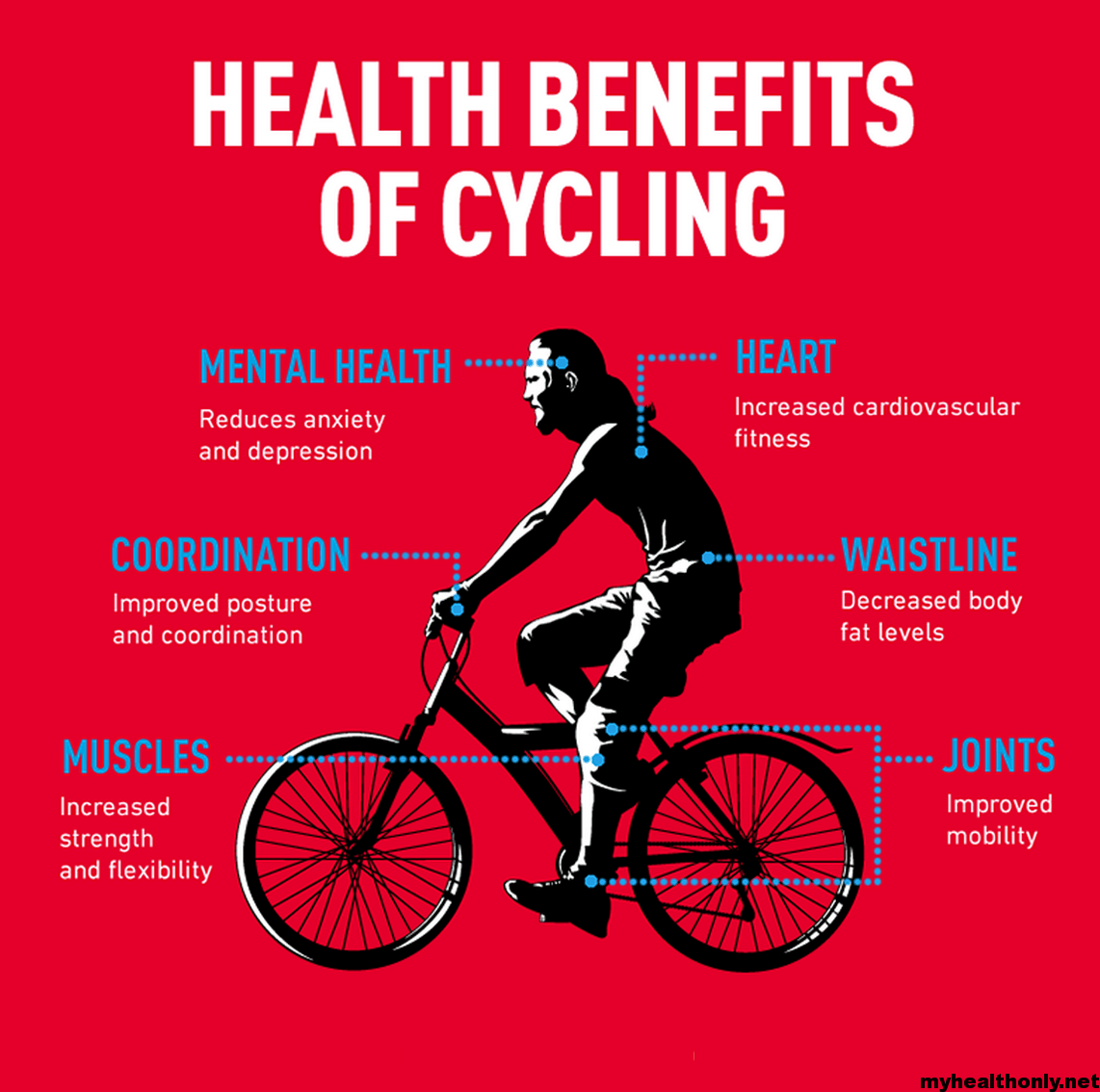
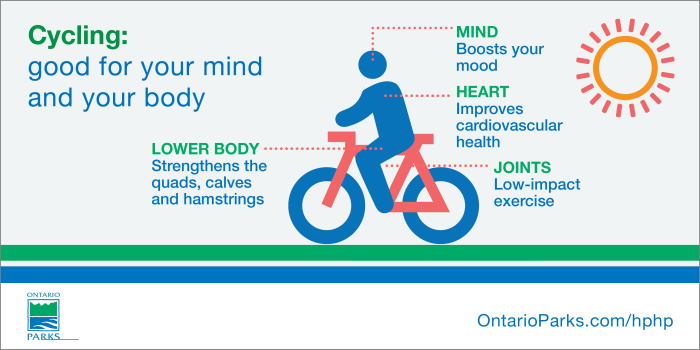
- Cycling: Another low-impact exercise that can be done outdoors or on a stationary bike.
- Dancing: Fun and social, dancing can help improve heart health and cognitive function.
- Aerobic classes: Joining a senior-friendly aerobic class can provide a structured workout routine.
Healthy Recipes
When it comes to maintaining brain health and mental resilience, a key component is having a well-balanced diet filled with nutritious foods. By incorporating healthy recipes into your daily meals, seniors can support cognitive function and overall well-being.
Nutrient-packed Smoothies
Smoothies are a great way to pack in essential nutrients and antioxidants that support brain health. Try blending together spinach, berries, Greek yogurt, and a sprinkle of chia seeds for a delicious and nutritious treat.
Salmon with Quinoa and Roasted Vegetables
Salmon is rich in omega-3 fatty acids, which are beneficial for brain health. Pair it with quinoa, a protein-packed grain, and a variety of roasted vegetables like sweet potatoes, broccoli, and bell peppers for a well-rounded and nutritious meal.
Turmeric Lentil Soup
Turmeric has anti-inflammatory properties that can benefit brain health. Prepare a hearty lentil soup with turmeric, carrots, celery, and onions for a flavorful dish that is also packed with nutrients.
Mental Resilience
Mental resilience refers to the ability to adapt and bounce back in the face of adversity, trauma, or stress. For seniors, maintaining mental resilience is crucial as they navigate the challenges that come with aging, such as health issues, loss of loved ones, and changes in physical abilities.
Practicing Gratitude to Boost Mental Resilience
Practicing gratitude can significantly boost mental resilience in older adults by shifting their focus from negative thoughts to positive ones. By expressing thankfulness for the good things in life, seniors can enhance their ability to cope with difficult situations and find joy in everyday moments. Some techniques for practicing gratitude include keeping a gratitude journal, expressing appreciation to others, and focusing on the present moment.
Techniques for Building Resilience
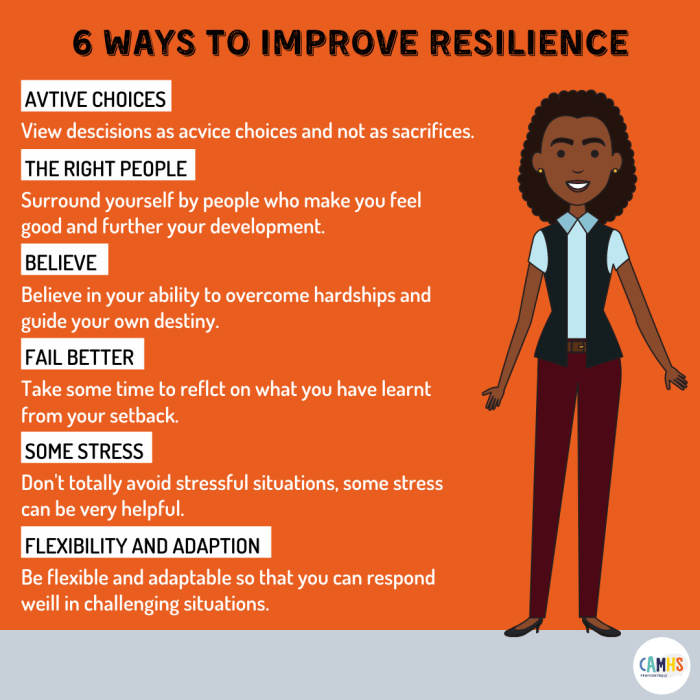
- Develop a positive mindset: Cultivate optimism and focus on solutions rather than problems.
- Build a strong support system: Stay connected with friends, family, or support groups for emotional support.
- Practice self-care: Prioritize activities that promote mental and emotional well-being, such as exercise, meditation, and hobbies.
- Embrace change: Accept that change is a natural part of life and focus on adapting to new circumstances.
- Learn from setbacks: View challenges as opportunities for growth and learning rather than failures.
Immune Support
As seniors focus on maintaining their overall health, it is crucial to address the connection between mental resilience and immune function. Stress management plays a critical role in strengthening the immune system, especially for older adults.
Stress Management for Immune Support
Managing stress effectively can have a positive impact on the immune system of seniors. By reducing stress levels, older adults can enhance their body’s ability to fight off infections and illnesses. Here are some immune-boosting activities that can help seniors maintain a strong immune system:
- Engage in regular physical activity such as walking, yoga, or tai chi to reduce stress and boost overall health.
- Practice relaxation techniques like deep breathing, meditation, or mindfulness to calm the mind and body.
- Stay connected with loved ones and engage in social activities to reduce feelings of loneliness and isolation, which can contribute to stress.
- Get an adequate amount of sleep each night to allow the body to rest and recharge, supporting immune function.
- Eat a balanced diet rich in fruits, vegetables, whole grains, and lean proteins to provide essential nutrients for a healthy immune system.
Stress Relief
As seniors navigate through various challenges in life, it’s essential to equip them with tools to manage stress effectively. By incorporating relaxation techniques into their daily routine, seniors can enhance their mental resilience and overall wellbeing.
Benefits of Meditation and Deep Breathing Exercises, Mental resilience exercises for seniors
- Meditation can help seniors cultivate mindfulness, reduce anxiety, and promote emotional stability.
- Deep breathing exercises aid in calming the nervous system, lowering blood pressure, and improving focus and concentration.
- Both practices can enhance self-awareness, reduce stress hormones, and promote a sense of inner peace and tranquility.
Creating a Calming Environment at Home
- Encourage seniors to designate a quiet and clutter-free space for relaxation and reflection.
- Add elements such as soothing music, scented candles, or comfortable seating to create a serene atmosphere.
- Ensure proper lighting, ventilation, and temperature control to promote relaxation and comfort.
- Engage seniors in activities like gardening, reading, or listening to nature sounds to foster a sense of calmness and relaxation.
Nutritional Balance
Eating a balanced diet plays a crucial role in maintaining mental resilience in older adults. The nutrients obtained from food can have a significant impact on cognitive function and overall wellbeing.
Role of Specific Nutrients
Specific nutrients are essential for supporting cognitive function and promoting brain health. Some key nutrients include:
- Omega-3 fatty acids: Found in fatty fish like salmon and walnuts, omega-3s help reduce inflammation in the brain and support overall cognitive function.
- Antioxidants: Found in fruits and vegetables like berries, spinach, and kale, antioxidants help protect brain cells from damage caused by free radicals.
- Vitamins B6, B12, and folate: These vitamins play a crucial role in maintaining healthy brain function and reducing the risk of cognitive decline.
- Iron: Essential for oxygen transport in the blood, iron-rich foods like lean meats, beans, and fortified cereals support cognitive function and energy levels.
Foods for Brain Health
Certain foods are known to promote brain health and overall wellbeing. Including the following in your diet can help enhance mental resilience:
- Blueberries: Rich in antioxidants, blueberries can help improve memory and cognitive function.
- Avocados: Packed with healthy fats and vitamins, avocados support brain health and improve mood.
- Nuts and seeds: Almonds, walnuts, chia seeds, and flaxseeds provide omega-3 fatty acids and other nutrients essential for cognitive function.
- Leafy greens: Spinach, kale, and other leafy greens are rich in vitamins and antioxidants that support brain health.
FAQs
How important is social connection for mental resilience in seniors?
Social connections play a crucial role in promoting emotional health and resilience in older adults by providing support, reducing feelings of isolation, and boosting overall wellbeing.
What are some low-impact exercises suitable for seniors?
Examples of low-impact exercises include walking, swimming, tai chi, and gentle yoga, which can help improve physical and mental resilience without putting too much strain on the body.
How does stress management contribute to immune function in seniors?
Effective stress management techniques can help reduce the impact of chronic stress on the immune system, thereby strengthening immune function and overall health in older adults.