Nutritional Balance and Gut Health
Maintaining a proper balance of nutrients in our diet plays a crucial role in supporting a healthy gut. The connection between nutritional balance and gut health is intricate and significant for overall well-being.
Foods that Promote Gut Health
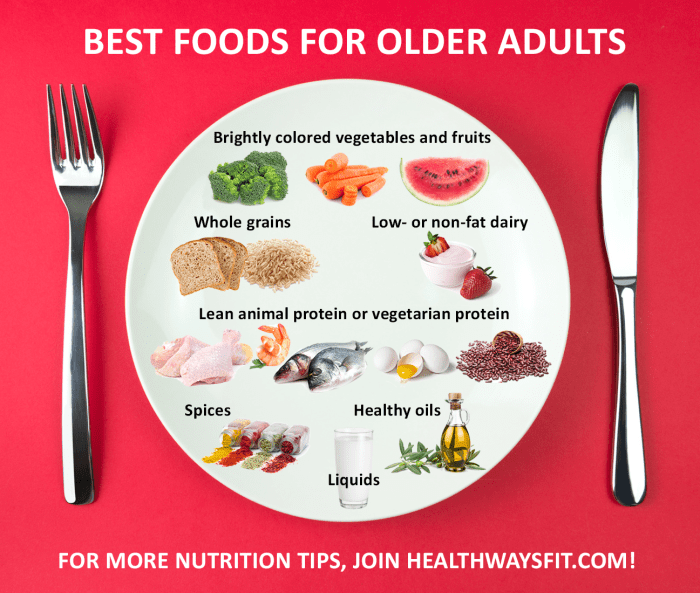
Eating a variety of foods rich in fiber, such as fruits, vegetables, whole grains, and legumes, can help promote a healthy gut microbiome. Fermented foods like yogurt, kefir, sauerkraut, and kimchi contain beneficial probiotics that support gut health.
Impact of Probiotics and Prebiotics
Probiotics are live beneficial bacteria found in certain foods and supplements that can help improve gut health by restoring the balance of good bacteria in the gut. Prebiotics, on the other hand, are non-digestible fibers that promote the growth of beneficial bacteria in the gut.
Dietary Fiber and Gut Microbiome
Dietary fiber plays a crucial role in maintaining a healthy gut microbiome by providing fuel for the beneficial bacteria in our digestive system. Fiber-rich foods help regulate digestion, promote satiety, and support overall gut health.
Healthy Habits
Maintaining healthy habits is crucial for supporting a balanced diet and promoting gut health. These habits play a significant role in ensuring overall well-being and digestive function.
Daily Habits for a Balanced Diet
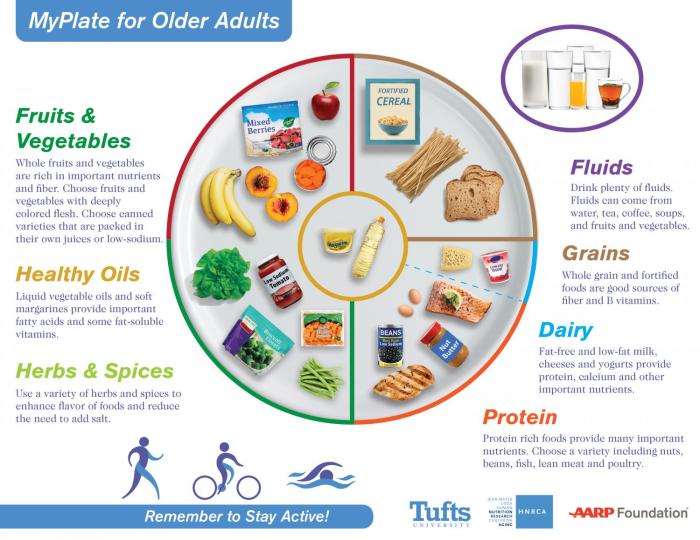
- Aim to include a variety of fruits, vegetables, whole grains, and lean proteins in your meals to ensure you are getting a range of nutrients essential for gut health.
- Avoid processed foods high in sugar, unhealthy fats, and additives, as they can disrupt the balance of beneficial bacteria in the gut.
- Practice mindful eating by chewing your food thoroughly and eating slowly to aid digestion and nutrient absorption.
Importance of Staying Hydrated
- Drinking an adequate amount of water throughout the day is essential for maintaining overall digestive health.
- Water helps in the digestion and absorption of nutrients, as well as in the elimination of waste and toxins from the body.
- Hydration also supports the mucosal lining of the intestines, which is crucial for optimal gut function.
Incorporating Fermented Foods
- Include fermented foods like yogurt, kefir, sauerkraut, and kimchi in your diet to introduce beneficial probiotic bacteria to your gut.
- These foods can help improve gut health by promoting a healthy balance of gut flora and aiding in digestion.
- Start by adding small portions of fermented foods to your meals and gradually increase the amount as your body adjusts.
Role of Physical Activity
- Regular physical activity is essential for maintaining gut health as it helps stimulate digestion and promote healthy bowel movements.
- Exercise can also reduce inflammation in the body, which can have a positive impact on gut function.
- Engage in a mix of aerobic exercises, strength training, and flexibility exercises to support overall well-being and gut health.
Emotional Wellbeing
Emotional wellbeing plays a crucial role in overall health, including gut health. The link between emotional state and gut health is known as the gut-brain axis, highlighting the bidirectional communication between the gut and the brain.
Impact of Stress on Gut Microbiota
Chronic stress can have detrimental effects on the gut microbiota, disrupting the balance of good and bad bacteria in the digestive system. This imbalance can lead to inflammation, compromised immune function, and digestive issues.
- Increased levels of stress hormones like cortisol can affect the gut lining, leading to leaky gut syndrome.
- Stress can influence the composition of the gut microbiota, reducing the diversity of beneficial bacteria.
- Imbalanced gut microbiota due to stress can contribute to gastrointestinal disorders like irritable bowel syndrome (IBS).
Strategies for Managing Stress
Managing stress is essential for supporting gut health and overall wellbeing. Here are some strategies to help reduce stress levels:
- Practice relaxation techniques such as deep breathing, meditation, or yoga.
- Engage in regular physical activity to release endorphins and reduce stress hormones.
- Ensure an adequate amount of sleep to support overall health and mood regulation.
- Connect with friends and family for emotional support and social interaction.
Gut-Brain Axis and Emotional Wellbeing
The gut-brain axis refers to the complex communication network between the gut and the brain, involving the nervous system, hormones, and immune system. This connection influences emotional responses, stress levels, and mental health.
Research suggests that a healthy gut microbiota can positively impact mood and cognitive function, highlighting the importance of gut health for emotional wellbeing.
Healthy Aging
Maintaining a balanced diet plays a crucial role in supporting healthy aging. As we grow older, our nutritional needs change, and consuming a variety of nutrient-dense foods can help promote overall health and vitality.
The Role of Gut Health in the Aging Process
The gut microbiome, which consists of trillions of bacteria in the digestive tract, plays a vital role in the aging process. A healthy gut is essential for proper digestion, nutrient absorption, and immune function. As we age, the diversity and balance of gut bacteria may decrease, leading to various health issues.
- Include fiber-rich foods in your diet to support gut health. Fiber helps promote the growth of beneficial bacteria in the gut.
- Consume fermented foods like yogurt, kefir, and sauerkraut, which are rich in probiotics that can help maintain a healthy gut microbiome.
- Stay hydrated by drinking an adequate amount of water daily to support digestion and overall gut health.
“A balanced diet rich in fiber and probiotic-rich foods can help maintain a healthy gut and support healthy aging.”
Managing Age-Related Changes in the Gut Microbiome
As we age, the composition of gut bacteria can shift, affecting digestion and nutrient absorption. To manage age-related changes in the gut microbiome, consider incorporating prebiotic foods like bananas, onions, and garlic into your diet. These foods help feed the beneficial bacteria in the gut, promoting a healthy balance.
- Limit the intake of processed foods and added sugars, as they can negatively impact gut health and contribute to inflammation.
- Consult with a healthcare provider or dietitian to determine if probiotic supplements may be beneficial for maintaining gut health as you age.
- Regular physical activity can also support a healthy gut microbiome, so aim to stay active and incorporate exercise into your daily routine.
Active Lifestyle
Regular physical activity plays a crucial role in promoting gut health and overall well-being. Let’s explore how an active lifestyle can benefit your gut microbiome and digestion.
Benefits of an Active Lifestyle on Gut Health
Regular exercise can help maintain a healthy gut microbiome by promoting the diversity of beneficial bacteria in the gut. It can also reduce inflammation and improve gut motility, leading to better digestion and nutrient absorption.
- Improved gut microbiome diversity
- Reduced inflammation in the gut
- Enhanced gut motility for better digestion
Relationship Between Exercise and Healthy Gut Microbiome
Physical activity has been shown to positively influence the composition of gut bacteria, leading to a more balanced and diverse microbiome. This can contribute to better overall gut health and immune function.
- Exercise can increase the production of short-chain fatty acids, which nourish the gut lining
- Regular activity promotes a healthy balance of gut bacteria, supporting optimal digestion
Physical Activities for Gut Health
Engaging in a variety of physical activities can promote gut health, including aerobic exercises like running, cycling, and swimming, as well as strength training and yoga. These activities can help maintain a healthy gut microbiome and improve digestion.
- Aerobic exercises like running and cycling
- Strength training to support muscle growth and metabolism
- Yoga for stress reduction and improved digestion
Role of Regular Movement in Digestion and Nutrient Absorption
Regular movement, such as walking or light exercises, can aid digestion by reducing bloating and constipation. It can also enhance nutrient absorption by improving blood flow to the digestive organs and promoting the release of digestive enzymes.
- Walking after meals to aid digestion
- Gentle exercises to prevent bloating and constipation
- Improved nutrient absorption through enhanced blood flow
Cardiovascular Health
Maintaining a healthy heart is crucial for overall well-being, and the connection between gut health and cardiovascular health is more significant than you might think. Research shows that the health of our gut microbiome can impact our heart health in various ways.
Benefits of a Balanced Diet for Gut and Heart Health
A balanced diet rich in fruits, vegetables, whole grains, lean proteins, and healthy fats not only supports a diverse gut microbiome but also benefits heart health. These foods provide essential nutrients and antioxidants that help reduce inflammation, lower cholesterol levels, and support overall cardiovascular function.
- Include plenty of fiber-rich foods like fruits, vegetables, legumes, and whole grains to promote a healthy gut and lower the risk of heart disease.
- Consume omega-3 fatty acids found in fatty fish, flaxseeds, and walnuts to reduce inflammation and support heart health.
- Avoid processed foods, sugary beverages, and excessive intake of red meat, which can negatively impact gut health and increase the risk of heart disease.
Impact of Gut Bacteria on Cholesterol Levels and Heart Health
The composition of gut bacteria plays a crucial role in regulating cholesterol levels in the body. Certain beneficial bacteria can help break down cholesterol and prevent its absorption into the bloodstream, reducing the risk of plaque buildup in the arteries and heart disease.
By maintaining a healthy gut microbiome through a balanced diet and lifestyle, you can positively influence your cholesterol levels and support a healthy heart.
Healthy Recipes: Nutritional Balance And Gut Health
Nutritional balance and gut health – When it comes to supporting gut health, nutritious recipes play a crucial role in promoting a diverse gut microbiota. Including whole foods in a balanced diet is essential for overall wellbeing. Creating meals that are rich in fiber and beneficial nutrients can contribute to a healthier gut and overall wellness.
Recipe 1: Gut-Healthy Breakfast Bowl
- 1 cup Greek yogurt
- 1/2 cup mixed berries
- 1 tablespoon chia seeds
- 1 tablespoon honey
- 1/4 cup granola
Recipe 2: Fiber-Rich Lunch Salad
- 2 cups mixed greens
- 1/2 cup chickpeas
- 1/4 cup quinoa
- 1/4 cup sliced almonds
- 1/4 cup diced cucumber
- Dressing: 1 tablespoon olive oil, 1 tablespoon lemon juice, salt, and pepper
Recipe 3: Nutrient-Packed Dinner Plate
- 4 oz grilled salmon
- 1 cup roasted sweet potatoes
- 1 cup steamed broccoli
- Side salad with mixed veggies
Mental Resilience
Maintaining mental resilience is crucial for navigating life’s challenges and stressors. One often overlooked factor that can significantly impact mental resilience is gut health. The connection between the gut and the brain, known as the gut-brain axis, plays a vital role in shaping our emotional wellbeing and ability to cope with stress.
Influence of Gut Health on Mental Resilience
The gut houses trillions of bacteria that play a key role in producing neurotransmitters such as serotonin, dopamine, and GABA, which are crucial for regulating mood and emotional responses. An imbalance in gut bacteria, known as dysbiosis, can lead to decreased production of these neurotransmitters, impacting mental resilience and increasing vulnerability to anxiety and depression.
- Consuming a diverse range of fiber-rich foods such as fruits, vegetables, whole grains, and legumes can promote a healthy gut microbiome and support the production of neurotransmitters linked to positive mood.
- Probiotic-rich foods like yogurt, kefir, sauerkraut, and kimchi can introduce beneficial bacteria to the gut, helping to restore balance and improve mental resilience.
- Reducing intake of processed foods, sugar, and artificial additives can help maintain gut health and support optimal neurotransmitter production for better emotional wellbeing.
Fostering a Healthy Gut-Brain Connection
Creating a strong gut-brain connection is essential for promoting mental resilience and emotional balance. Incorporating stress-reducing practices such as mindfulness, yoga, and deep breathing exercises can positively influence the gut-brain axis and enhance emotional wellbeing.
Remember, a healthy gut is not only essential for physical health but also plays a crucial role in shaping our mental resilience and ability to cope with stress.
Immune Support
The relationship between gut health and immune function is crucial for overall well-being. A balanced diet plays a key role in boosting immune responses through the gut by providing essential nutrients and supporting a healthy microbiota.
Immune-Boosting Foods for Gut Health
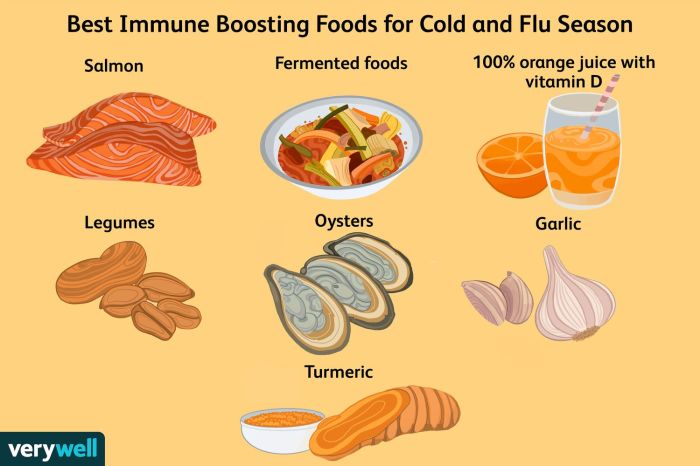
- Probiotic-rich foods like yogurt, kefir, and sauerkraut help maintain a healthy balance of gut bacteria, supporting immune function.
- Prebiotic foods such as garlic, onions, and bananas feed the beneficial bacteria in the gut, promoting a strong immune system.
- Antioxidant-rich foods like berries, spinach, and nuts help reduce inflammation in the gut, supporting immune health.
- Fermented foods like kimchi and kombucha can enhance gut microbiota diversity, which is essential for a robust immune response.
Role of Gut Microbiota in Immune Regulation
The gut microbiota plays a vital role in regulating the immune system by promoting the production of immune cells and balancing inflammation levels. A diverse and healthy gut microbiome can help prevent infections, allergies, and autoimmune diseases, highlighting the importance of maintaining gut health for overall immune support.
Stress Relief
Chronic stress can have a significant impact on our gut health, affecting the delicate balance of the gut-brain axis. It is crucial to incorporate stress-relief techniques to support a healthy gut and overall well-being.
Techniques for Reducing Stress, Nutritional balance and gut health
- Practice deep breathing exercises to calm the mind and body.
- Engage in regular physical activity to release tension and improve mood.
- Try meditation or mindfulness to increase awareness and reduce stress levels.
- Spend time in nature or engage in activities you enjoy to relax and unwind.
Impact of Chronic Stress on the Gut-Brain Axis
Chronic stress can lead to inflammation in the gut, disrupting the balance of gut bacteria and affecting digestion. This can further impact mental health and cognitive function through the gut-brain axis.
Incorporating Mindfulness Practices
- Start your day with a few minutes of mindful breathing to set a positive tone.
- Practice mindful eating by savoring each bite and being present during meals.
- Take short breaks throughout the day to check in with your emotions and thoughts.
Relaxation Techniques for Gut Health
- Try progressive muscle relaxation to release physical tension and calm the mind.
- Listen to soothing music or sounds to promote relaxation and reduce stress levels.
- Engage in activities like yoga or tai chi to combine movement with mindfulness for overall well-being.
Detailed FAQs
How does nutritional balance impact gut health?
Nutritional balance plays a crucial role in maintaining a healthy gut by providing essential nutrients that support the growth of beneficial gut bacteria.
What are some examples of foods that promote gut health?
Foods like yogurt, kefir, kimchi, and sauerkraut are known to promote gut health due to their probiotic content.
How can dietary fiber contribute to a healthy gut microbiome?
Dietary fiber acts as a prebiotic, feeding the good bacteria in the gut and promoting a diverse and healthy gut microbiome.
Why is emotional wellbeing important for gut health?
Emotional wellbeing impacts gut health through the gut-brain axis, highlighting the connection between mental health and digestive health.
Can regular physical activity help maintain gut health?
Yes, regular physical activity aids in digestion, nutrient absorption, and overall gut health by promoting movement in the digestive system.