Introduction to Meditation for Stress Relief: How To Use Meditation For Stress Relief
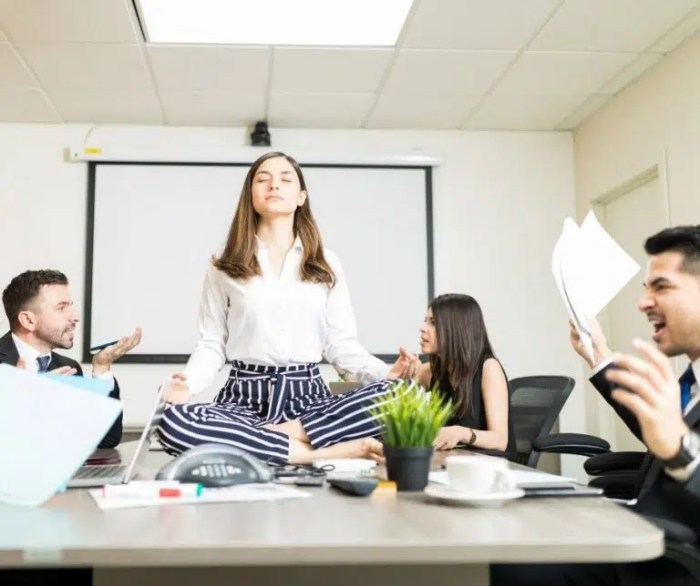
Meditation is a practice that involves focusing the mind to achieve a state of relaxation and inner peace. It has been used for centuries to reduce stress, anxiety, and promote overall well-being. The benefits of meditation for stress relief are numerous, including lower levels of cortisol (the stress hormone), improved focus, and a sense of calm.
The connection between meditation and emotional well-being is profound. By engaging in meditation, individuals can learn to observe their thoughts and emotions without judgment, allowing them to cultivate a sense of inner peace and resilience in the face of stressors. This awareness can lead to a greater sense of control over one’s emotions and reactions, ultimately reducing stress levels.
Examples of Different Meditation Techniques for Stress Relief
- Mindfulness Meditation: This technique involves focusing on the present moment, observing thoughts and sensations without judgment. By practicing mindfulness meditation, individuals can increase self-awareness and reduce stress levels.
- Guided Imagery: In this practice, individuals imagine themselves in a peaceful and calming environment, allowing them to escape from stressors and promote relaxation.
- Body Scan Meditation: This technique involves systematically focusing on different parts of the body, releasing tension and promoting relaxation. It can help individuals become more in tune with their physical sensations and reduce stress.
- Loving-Kindness Meditation: This practice involves cultivating feelings of love and compassion towards oneself and others. By fostering positive emotions, individuals can reduce stress and improve emotional well-being.
Incorporating Meditation into Healthy Habits
How to use meditation for stress relief – When it comes to overall wellness, meditation can play a crucial role in promoting a healthy mind and body. By incorporating meditation into your daily routine, you can experience reduced stress levels, improved mental clarity, and a greater sense of calm.
Role of Meditation in Promoting Healthy Aging
As we age, it becomes even more important to take care of our mental and emotional well-being. Meditation has been shown to have numerous benefits for healthy aging, including improving cognitive function, reducing the risk of age-related memory loss, and enhancing overall quality of life.
Tips on Creating a Meditation Space for a Calming Environment
- Choose a quiet and peaceful area in your home where you can meditate without distractions.
- Personalize your meditation space with items that bring you comfort and tranquility, such as candles, cushions, or plants.
- Ensure that the lighting in your meditation space is soft and soothing to create a relaxing atmosphere.
- Consider incorporating elements of nature, such as natural light or indoor plants, to enhance the calming effects of your meditation practice.
Meditation Techniques for Stress Relief
Mindfulness meditation, guided imagery, and progressive muscle relaxation are effective techniques for managing stress levels. Each method offers unique benefits in promoting relaxation and reducing anxiety.
Mindfulness Meditation
- Mindfulness meditation involves focusing on the present moment without judgment, allowing thoughts and feelings to pass without attachment.
- Practicing mindfulness meditation regularly can help decrease stress levels, improve emotional regulation, and increase overall sense of well-being.
- By cultivating awareness of the present moment, individuals can develop a greater capacity to cope with stressors and enhance their resilience.
Guided Imagery
- Guided imagery utilizes visualization techniques to create calming mental images, promoting relaxation and reducing anxiety.
- Listening to guided imagery recordings or scripts can help individuals imagine peaceful scenes or scenarios, distracting them from stressful thoughts and emotions.
- This technique can be particularly beneficial for those who struggle with racing thoughts or find it challenging to quiet the mind during meditation.
Progressive Muscle Relaxation
- Progressive muscle relaxation involves tensing and then releasing various muscle groups in the body, promoting physical relaxation and reducing tension.
- By systematically tensing and relaxing muscles, individuals can become more aware of bodily sensations, helping them release stress and achieve a state of deep relaxation.
- This technique can be especially helpful for those who carry tension in specific areas of the body, such as the neck, shoulders, or back.
Meditation for Emotional Wellbeing
Meditation plays a crucial role in enhancing emotional wellbeing by promoting mental resilience, providing examples of how it can improve emotional health, and highlighting its importance in maintaining a positive outlook on life.
Link between Meditation and Mental Resilience
Meditation helps individuals build mental resilience by training the mind to focus on the present moment, enabling them to better cope with stress, anxiety, and negative emotions. Through regular practice, individuals develop the ability to observe their thoughts and feelings without judgment, leading to increased emotional stability and inner strength.
Examples of How Meditation Improves Emotional Health
– Reducing Anxiety: Meditation techniques such as mindfulness meditation help individuals manage anxiety by calming the mind and promoting relaxation.
– Cultivating Empathy: Loving-kindness meditation fosters feelings of compassion and empathy towards oneself and others, enhancing emotional intelligence and interpersonal relationships.
– Enhancing Emotional Regulation: Meditation practices like breath awareness help individuals regulate their emotions by increasing self-awareness and promoting a sense of inner calm.
Importance of Meditation in Maintaining a Positive Outlook on Life
Meditation assists in maintaining a positive outlook on life by fostering a sense of gratitude, acceptance, and resilience in the face of challenges. By cultivating mindfulness and self-compassion, individuals are better equipped to navigate life’s ups and downs with a sense of equanimity and optimism.
Meditation’s Impact on Cardiovascular Health
Meditation has been shown to have a positive impact on cardiovascular health, with various studies highlighting the connection between meditation practices and heart health.
Benefits of Meditation for Heart Health
- Meditation helps reduce stress and anxiety levels, which are known risk factors for cardiovascular issues.
- Regular meditation can lower blood pressure and improve overall heart function.
- By promoting relaxation and calming the mind, meditation can decrease inflammation in the body, which is linked to heart disease.
Research Findings on Meditation and Heart Health
- A study published in the Journal of the American Heart Association found that practicing meditation was associated with lower risk of heart attacks, strokes, and mortality from heart disease.
- Research conducted at the Massachusetts General Hospital showed that participants who practiced meditation had improved blood flow in their coronary arteries, leading to better cardiovascular health.
- Another study published in the journal Circulation: Cardiovascular Quality and Outcomes found that meditation was effective in reducing the risk of developing hypertension.
Healthy Recipes to Complement Meditation
When practicing meditation for stress relief, it is essential to nourish your body with wholesome and nutritious meals that can enhance the benefits of your practice. Mindful eating plays a crucial role in promoting overall wellness and can amplify the positive effects of meditation. Here are some healthy recipes to complement your meditation routine:
Green Smoothie Bowl
A refreshing and nutrient-packed green smoothie bowl is an excellent choice to start your day on a healthy note. Blend together spinach, kale, banana, almond milk, and a sprinkle of chia seeds for a delicious and energizing breakfast option.
Veggie Stir-Fry with Quinoa
For a nourishing and balanced meal, whip up a veggie stir-fry with mixed vegetables like bell peppers, broccoli, and snap peas. Serve it over a bed of fluffy quinoa for a protein-rich dish that will keep you satisfied and focused after your meditation session.
Chia Seed Pudding
Indulge in a creamy and nutritious chia seed pudding for a guilt-free dessert or snack. Mix chia seeds with coconut milk, vanilla extract, and a touch of honey, then let it sit overnight. Top it with fresh berries and shredded coconut for a delightful treat that promotes digestive health.
Immune Support through Meditation
Meditation has been shown to have a positive impact on immune function by reducing stress levels, which in turn can boost the immune system. When we are stressed, our body releases cortisol, a hormone that can suppress the immune response. By practicing meditation regularly, individuals can lower their stress levels and decrease the production of cortisol, thus supporting a healthier immune system.
Benefits of Meditation for Immune Support, How to use meditation for stress relief
- Meditation helps to reduce stress and anxiety, which are known to weaken the immune system.
- Regular meditation practice can increase the production of antibodies, enhancing the body’s ability to fight off infections.
- By promoting relaxation and a sense of calm, meditation can improve overall well-being and support immune function.
How Meditation Enhances Immune Function
- Meditation activates the relaxation response in the body, which can counteract the effects of stress on the immune system.
- Research has shown that mindfulness meditation can increase activity in the areas of the brain responsible for regulating immune function.
- Practicing meditation can also improve sleep quality, which is essential for a healthy immune system.
Achieving Nutritional Balance with Meditation
Meditation can have a significant impact on our dietary choices and eating habits. By incorporating mindfulness practices into our daily routine, we can cultivate a more conscious and balanced approach to food, leading to improved overall health and well-being.
Tips for Mindful Eating Practices during Meditation
- Avoid distractions while eating, such as watching TV or using electronic devices.
- Focus on the sensory experience of eating – the taste, texture, and smell of the food.
- Eat slowly and chew your food thoroughly to aid digestion and promote satiety.
- Listen to your body’s hunger and fullness cues to prevent overeating.
The Role of a Balanced Diet in Conjunction with Meditation
Incorporating a balanced diet along with meditation is crucial for achieving optimal health. A diet rich in whole foods such as fruits, vegetables, whole grains, lean proteins, and healthy fats provides essential nutrients to support overall well-being.
When combined with meditation, a balanced diet can enhance the mind-body connection, promoting mental clarity, emotional stability, and physical vitality. By nourishing our bodies with wholesome foods and practicing mindfulness, we can create a harmonious relationship between food and our well-being.
Strategies for Effective Stress Relief with Meditation
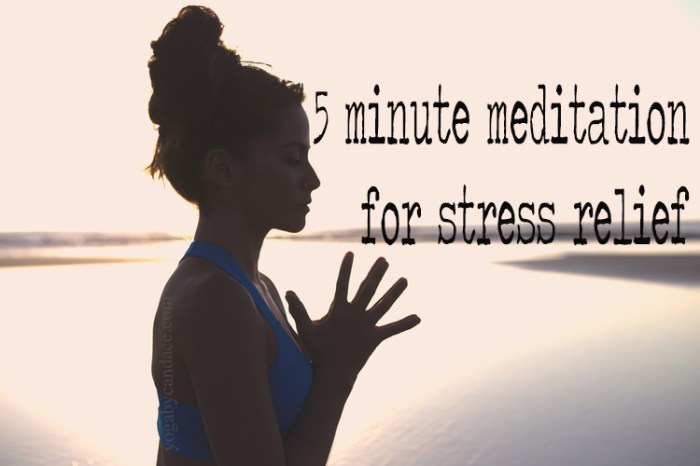
In today’s fast-paced world, stress has become a common issue for many people. Fortunately, meditation can be a powerful tool to help manage and reduce stress levels effectively.
Step-by-Step Guide on Using Meditation for Stress Relief
- Find a quiet and comfortable place to sit or lie down.
- Close your eyes and focus on your breath. Take slow, deep breaths in and out.
- Clear your mind of any distractions or negative thoughts by focusing on the present moment.
- Practice mindfulness by observing your thoughts and feelings without judgment.
- Continue to breathe deeply and slowly for a few minutes, allowing your body and mind to relax.
Personal Anecdotes or Success Stories Related to Stress Reduction Through Meditation
“I used to feel overwhelmed by stress every day until I started incorporating meditation into my routine. Now, I feel calmer, more focused, and better equipped to handle any challenges that come my way.” – Sarah
Long-Term Benefits of Incorporating Meditation into Stress Management Routines
- Improved mental clarity and focus
- Reduced anxiety and depression symptoms
- Enhanced emotional well-being and resilience
- Better sleep quality and overall health
- Increased self-awareness and mindfulness
Question Bank
How often should I meditate for stress relief?
It is recommended to meditate for at least 10-20 minutes each day to experience the full benefits of stress relief.
Can meditation help with chronic stress?
Yes, meditation can be a powerful tool in managing chronic stress by promoting relaxation and reducing the body’s stress response.
Is it necessary to sit cross-legged while meditating?
No, you can choose a comfortable seated or lying position that allows you to relax and focus during meditation.