Healthy Habits for Children
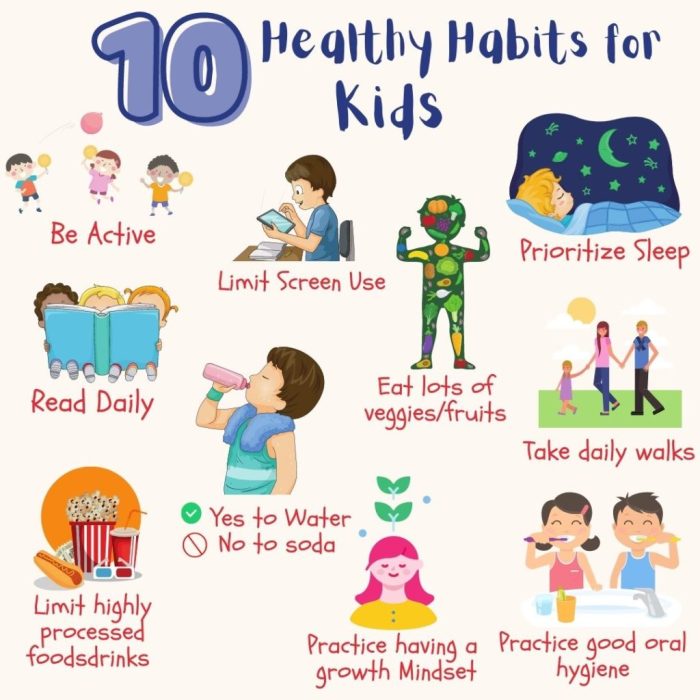
Instilling healthy habits in children from a young age is crucial for their overall well-being and development. These habits not only promote physical health but also have a positive impact on mental and emotional health. Parents and caregivers play a significant role in modeling and encouraging these behaviors, setting the foundation for a lifetime of good health.
Examples of Healthy Habits
- Eating a balanced diet rich in fruits, vegetables, whole grains, and lean proteins.
- Engaging in regular physical activity to strengthen muscles, bones, and cardiovascular health.
- Getting an adequate amount of sleep to support growth and cognitive function.
- Practicing good hygiene habits such as washing hands regularly and brushing teeth twice a day.
- Limiting screen time and encouraging outdoor play for social interaction and creativity.
Emotional Wellbeing
Healthy habits for children – Healthy habits play a crucial role in promoting emotional wellbeing in children. By instilling positive routines and behaviors, children can develop resilience, emotional intelligence, and self-regulation skills that are essential for their overall mental health.
Connection between Emotional Health and Physical Health
Emotional health and physical health are closely interconnected in children. When children engage in healthy habits such as regular exercise, proper nutrition, and adequate sleep, they are more likely to experience positive emotions, reduced stress levels, and improved mental clarity. This, in turn, can have a significant impact on their physical well-being, leading to a healthier and more balanced lifestyle.
Promoting Emotional Resilience and Self-Regulation
- Encourage open communication: Create a safe and supportive environment where children feel comfortable expressing their emotions and thoughts.
- Teach coping strategies: Help children develop healthy coping mechanisms to manage stress, anxiety, and other challenging emotions.
- Practice mindfulness: Introduce mindfulness activities such as deep breathing exercises or meditation to help children stay present and calm in stressful situations.
- Establish routines: Consistent daily routines can provide children with a sense of stability and security, promoting emotional stability and self-regulation.
- Lead by example: Model positive emotional behaviors and self-regulation techniques to show children how to navigate their emotions effectively.
Healthy Aging
Developing healthy habits in childhood can have a significant impact on long-term health and healthy aging. By instilling good habits early on, children are more likely to carry these practices into adulthood, leading to better overall health as they age.
Habits that Support Healthy Aging
There are several habits that can support healthy aging later in life:
- Regular exercise: Engaging in physical activity on a consistent basis can help maintain muscle mass, bone density, and overall mobility as individuals age.
- Healthy eating: Consuming a balanced diet rich in fruits, vegetables, whole grains, and lean proteins can provide essential nutrients that support overall health and wellness.
- Stress management: Learning to cope with stress through techniques such as meditation, deep breathing, or mindfulness can help reduce the negative impact of stress on the body over time.
- Adequate sleep: Getting enough quality sleep is crucial for overall health and can help prevent a variety of age-related health issues.
Significance of Starting Healthy Habits Early
Starting healthy habits early is essential for maintaining health as children age because it establishes a strong foundation for long-term wellness. By teaching children the importance of taking care of their bodies from a young age, they are more likely to prioritize their health as they grow older, leading to a higher quality of life in their later years.
Active Lifestyle
Encouraging children to lead an active lifestyle comes with a multitude of benefits that contribute to their overall health and well-being.
Benefits of an Active Lifestyle for Children
- Improves cardiovascular health and strengthens muscles and bones.
- Helps maintain a healthy weight and reduces the risk of obesity.
- Enhances coordination, balance, and flexibility.
- Promotes better sleep patterns and boosts mood and mental health.
Tips for Incorporating Physical Activity, Healthy habits for children
Here are some practical ways to integrate physical activity into children’s daily routines:
- Encourage outdoor play like running, jumping, or biking.
- Enroll them in sports or dance classes they enjoy.
- Limit screen time and encourage active games or family activities.
- Take nature walks or hikes as a family to explore and stay active together.
Relationship Between Active Lifestyle and Overall Health
An active lifestyle in children is closely linked to their overall health and well-being, as it helps in the prevention of chronic diseases, boosts immune function, and supports healthy growth and development.
Cardiovascular Health
Maintaining cardiovascular health in children is crucial for their overall well-being and future health. By instilling healthy habits early on, parents and caregivers can help promote a strong and healthy heart in children.
Nutrition and Physical Activity
Proper nutrition plays a key role in cardiovascular health. Encouraging children to eat a balanced diet rich in fruits, vegetables, whole grains, and lean proteins can help reduce the risk of heart disease later in life. Limiting intake of sugary drinks, processed foods, and high-fat snacks is also important.
Regular physical activity is equally essential for a healthy heart. Encouraging children to engage in active play, sports, or exercise daily can strengthen the heart muscle, improve circulation, and lower blood pressure. It also helps maintain a healthy weight, reducing the risk of obesity and related heart issues.
Recommendations for a Healthy Heart
– Encourage children to drink plenty of water and limit sugary beverages.
– Include a variety of colorful fruits and vegetables in their meals to provide essential vitamins and minerals.
– Limit intake of saturated fats and opt for healthier fats like those found in nuts, seeds, and avocados.
– Make physical activity a fun and regular part of their routine to keep their heart strong and healthy.
– Schedule regular check-ups with a pediatrician to monitor heart health and address any concerns early on.
By promoting a heart-healthy lifestyle through nutrition and physical activity, parents and caregivers can help children develop lifelong habits that support cardiovascular health and overall well-being.
Healthy Recipes
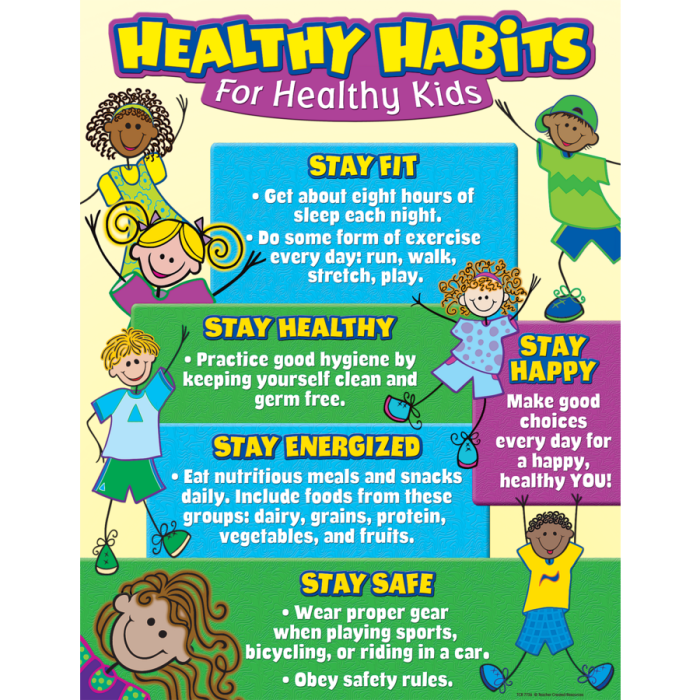
Introducing nutritious and delicious recipes to children is a great way to promote healthy eating habits. Involving children in meal preparation not only teaches them valuable skills but also encourages them to make healthier food choices. Balanced nutrition is essential for supporting children’s growth and development, providing them with the necessary nutrients for a healthy lifestyle.
Ideas for Nutritious and Delicious Recipes
- Vegetable-packed smoothies with fruits like berries and bananas for a sweet and healthy treat.
- Baked sweet potato fries seasoned with herbs and spices for a tasty alternative to regular fries.
- Whole grain wraps filled with lean protein, veggies, and a light dressing for a satisfying and nutritious meal.
Tips for Involving Children in Meal Preparation
- Assign age-appropriate tasks like washing vegetables, stirring ingredients, or setting the table to get children actively involved.
- Encourage creativity by letting children choose ingredients or toppings for their meals, fostering a sense of ownership and excitement about healthy eating.
- Teach basic cooking skills such as measuring ingredients, following recipes, and kitchen safety to empower children in the kitchen.
Importance of Balanced Nutrition for Children
- Proper nutrition is essential for children’s physical and cognitive development, providing them with energy and nutrients to support growth.
- A balanced diet rich in fruits, vegetables, whole grains, lean proteins, and healthy fats helps children maintain a healthy weight and reduce the risk of chronic diseases.
- Developing healthy eating habits early in life sets the foundation for a lifetime of good health and well-being, promoting overall wellness and vitality.
Mental Resilience
Maintaining healthy habits can play a crucial role in enhancing children’s mental resilience and coping skills. By establishing routines that prioritize physical activity, proper nutrition, and emotional well-being, children can develop the tools needed to navigate challenges and setbacks effectively.
Strategies for Fostering a Positive Mindset
- Encourage open communication: Create a safe space for children to express their thoughts and feelings without judgment.
- Promote problem-solving skills: Teach children how to break down problems into manageable steps and explore different solutions.
- Practice mindfulness: Introduce mindfulness techniques such as deep breathing or guided imagery to help children stay present and calm during stressful situations.
- Encourage a growth mindset: Emphasize the importance of effort and perseverance over innate abilities, fostering a belief that challenges can be overcome with hard work.
Connection Between Healthy Habits and Mental Health Outcomes
Research has shown that children who engage in regular physical activity, eat a balanced diet, and maintain emotional well-being are more likely to exhibit lower levels of stress, anxiety, and depression. By instilling healthy habits early on, parents and caregivers can set the foundation for positive mental health outcomes in children.
Immune Support
Maintaining a strong immune system is crucial for children’s overall health and well-being. By adopting healthy habits, such as proper nutrition, adequate sleep, and good hygiene practices, parents can help boost their children’s immune health.
Nutrition
Proper nutrition plays a key role in supporting children’s immune systems. Encourage a diet rich in fruits, vegetables, whole grains, and lean proteins to provide essential vitamins and minerals that help strengthen immunity.
Sleep
Adequate sleep is essential for a healthy immune system. Ensure your children get the recommended amount of sleep for their age to support their body’s natural defense mechanisms and promote overall well-being.
Hygiene
Teaching children good hygiene practices, such as regular handwashing, covering their mouth and nose when coughing or sneezing, and avoiding sharing personal items, can help prevent the spread of germs and reduce the risk of infections.
Lifestyle Practices
– Encourage regular physical activity to support overall health and immune function.
– Limit exposure to toxins and pollutants that can weaken the immune system.
– Manage stress through relaxation techniques and mindfulness activities to reduce inflammation and support immune health.
Stress Relief
When it comes to children, stress relief is essential for their overall well-being and mental health. Teaching them healthy habits to manage stress can have a positive impact on their development and happiness.
Techniques for Helping Children Manage Stress
- Encourage physical activity: Regular exercise can help children release pent-up energy and reduce stress.
- Practice deep breathing exercises: Teach children simple breathing techniques to help them relax when feeling overwhelmed.
- Promote mindfulness: Encourage children to focus on the present moment and engage in activities that promote mindfulness, such as yoga or meditation.
- Establish a routine: Consistency and structure can help children feel more secure and less anxious.
Importance of Relaxation, Mindfulness, and Self-Care
- Relaxation techniques can help children calm their minds and bodies, promoting a sense of peace and well-being.
- Mindfulness practices can teach children to manage their emotions and reactions in a healthy way.
- Self-care activities, such as taking breaks, engaging in hobbies, or spending time in nature, can help children recharge and reduce stress levels.
Examples of Stress-Relief Activities for Children
- Art therapy: Engaging in creative activities like drawing or painting can be a therapeutic outlet for children to express their emotions.
- Listening to music: Music has a calming effect on the mind and can help children relax and unwind.
- Spending time in nature: Outdoor activities like hiking or playing in the park can help children connect with nature and reduce stress.
Nutritional Balance
Maintaining a balanced diet is crucial for children’s overall health as it provides the necessary nutrients for optimal growth and development. A well-rounded diet helps in supporting their immune system, cognitive function, and overall well-being.
Essential Nutrients and Food Groups for Children
- Proteins: Essential for growth and repair of tissues. Good sources include lean meats, poultry, fish, eggs, dairy, legumes, and nuts.
- Carbohydrates: Provide energy for daily activities. Opt for whole grains, fruits, vegetables, and legumes for sustained energy.
- Fruits and Vegetables: Rich in vitamins, minerals, and fiber. Encourage a variety of colorful options to ensure a wide range of nutrients.
- Dairy: Important for calcium and vitamin D intake for strong bones and teeth. Choose low-fat options like milk, yogurt, and cheese.
- Fats: Necessary for brain development. Include healthy fats like avocados, nuts, seeds, and oily fish in moderation.
- Water: Stay hydrated with water throughout the day to support digestion, circulation, and overall health.
Promoting Nutritional Balance through Meal Planning
- Plan meals in advance to ensure a variety of nutrients are included throughout the day.
- Involve children in meal preparation to teach them about healthy food choices and encourage them to try new foods.
- Limit processed and sugary foods, opting for whole foods whenever possible.
- Offer balanced meals with a combination of proteins, carbohydrates, fruits, vegetables, and healthy fats.
- Encourage mindful eating by sitting down together as a family and enjoying meals without distractions.
FAQ Insights: Healthy Habits For Children
How important is it to start instilling healthy habits in children from a young age?
Starting early helps children develop a strong foundation for lifelong health and well-being.
What are some examples of healthy habits that promote overall well-being in children?
Examples include regular physical activity, balanced nutrition, and proper sleep hygiene.
How can parents and caregivers model and encourage healthy habits for children?
By being good role models, involving children in meal preparation, and creating a supportive environment for healthy choices.