Nutritional balance and gut health: A Key to Overall Wellness

Nutritional balance and gut health

Nutritional Balance and Gut Health

Maintaining a proper balance of nutrients in our diet plays a crucial role in supporting a healthy gut. The connection between nutritional balance and gut health is intricate and significant for overall well-being.

Foods that Promote Gut Health

Eating a variety of foods rich in fiber, such as fruits, vegetables, whole grains, and legumes, can help promote a healthy gut microbiome. Fermented foods like yogurt, kefir, sauerkraut, and kimchi contain beneficial probiotics that support gut health.

Impact of Probiotics and Prebiotics

Probiotics are live beneficial bacteria found in certain foods and supplements that can help improve gut health by restoring the balance of good bacteria in the gut. Prebiotics, on the other hand, are non-digestible fibers that promote the growth of beneficial bacteria in the gut.

Dietary Fiber and Gut Microbiome

Dietary fiber plays a crucial role in maintaining a healthy gut microbiome by providing fuel for the beneficial bacteria in our digestive system. Fiber-rich foods help regulate digestion, promote satiety, and support overall gut health.

Healthy Habits

Nutritional balance and gut health
Maintaining healthy habits is crucial for supporting a balanced diet and promoting gut health. These habits play a significant role in ensuring overall well-being and digestive function.

Daily Habits for a Balanced Diet

  • Aim to include a variety of fruits, vegetables, whole grains, and lean proteins in your meals to ensure you are getting a range of nutrients essential for gut health.
  • Avoid processed foods high in sugar, unhealthy fats, and additives, as they can disrupt the balance of beneficial bacteria in the gut.
  • Practice mindful eating by chewing your food thoroughly and eating slowly to aid digestion and nutrient absorption.

Importance of Staying Hydrated

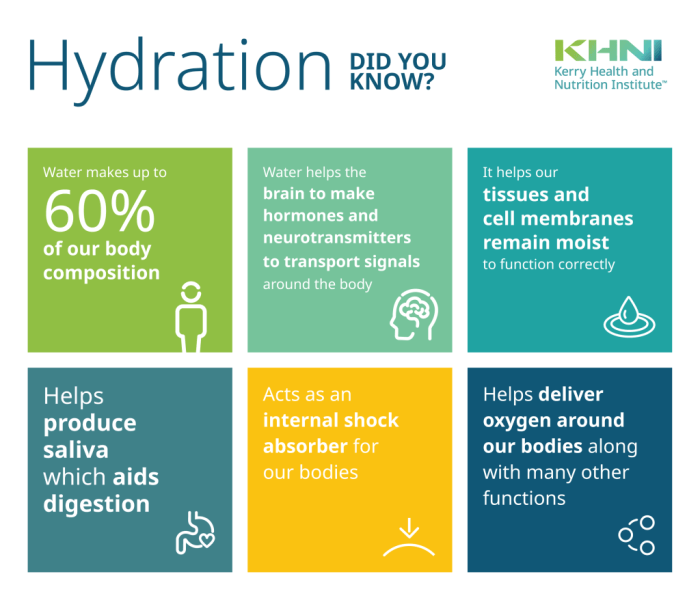
  • Drinking an adequate amount of water throughout the day is essential for maintaining overall digestive health.
  • Water helps in the digestion and absorption of nutrients, as well as in the elimination of waste and toxins from the body.
  • Hydration also supports the mucosal lining of the intestines, which is crucial for optimal gut function.

Incorporating Fermented Foods

  • Include fermented foods like yogurt, kefir, sauerkraut, and kimchi in your diet to introduce beneficial probiotic bacteria to your gut.
  • These foods can help improve gut health by promoting a healthy balance of gut flora and aiding in digestion.
  • Start by adding small portions of fermented foods to your meals and gradually increase the amount as your body adjusts.

Role of Physical Activity

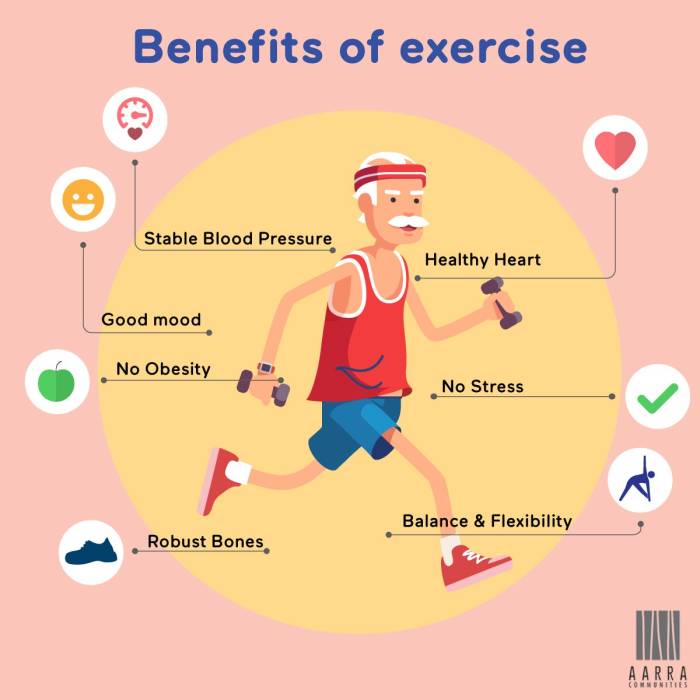
  • Regular physical activity is essential for maintaining gut health as it helps stimulate digestion and promote healthy bowel movements.
  • Exercise can also reduce inflammation in the body, which can have a positive impact on gut function.
  • Engage in a mix of aerobic exercises, strength training, and flexibility exercises to support overall well-being and gut health.

Emotional Wellbeing

Emotional wellbeing plays a crucial role in overall health, including gut health. The link between emotional state and gut health is known as the gut-brain axis, highlighting the bidirectional communication between the gut and the brain.

Impact of Stress on Gut Microbiota

Chronic stress can have detrimental effects on the gut microbiota, disrupting the balance of good and bad bacteria in the digestive system. This imbalance can lead to inflammation, compromised immune function, and digestive issues.

  • Increased levels of stress hormones like cortisol can affect the gut lining, leading to leaky gut syndrome.
  • Stress can influence the composition of the gut microbiota, reducing the diversity of beneficial bacteria.
  • Imbalanced gut microbiota due to stress can contribute to gastrointestinal disorders like irritable bowel syndrome (IBS).

Strategies for Managing Stress

Managing stress is essential for supporting gut health and overall wellbeing. Here are some strategies to help reduce stress levels:

  1. Practice relaxation techniques such as deep breathing, meditation, or yoga.
  2. Engage in regular physical activity to release endorphins and reduce stress hormones.
  3. Ensure an adequate amount of sleep to support overall health and mood regulation.
  4. Connect with friends and family for emotional support and social interaction.

Gut-Brain Axis and Emotional Wellbeing

The gut-brain axis refers to the complex communication network between the gut and the brain, involving the nervous system, hormones, and immune system. This connection influences emotional responses, stress levels, and mental health.

Research suggests that a healthy gut microbiota can positively impact mood and cognitive function, highlighting the importance of gut health for emotional wellbeing.

Healthy Aging

Maintaining a balanced diet plays a crucial role in supporting healthy aging. As we grow older, our nutritional needs change, and consuming a variety of nutrient-dense foods can help promote overall health and vitality.

The Role of Gut Health in the Aging Process

The gut microbiome, which consists of trillions of bacteria in the digestive tract, plays a vital role in the aging process. A healthy gut is essential for proper digestion, nutrient absorption, and immune function. As we age, the diversity and balance of gut bacteria may decrease, leading to various health issues.

  • Include fiber-rich foods in your diet to support gut health. Fiber helps promote the growth of beneficial bacteria in the gut.
  • Consume fermented foods like yogurt, kefir, and sauerkraut, which are rich in probiotics that can help maintain a healthy gut microbiome.
  • Stay hydrated by drinking an adequate amount of water daily to support digestion and overall gut health.

“A balanced diet rich in fiber and probiotic-rich foods can help maintain a healthy gut and support healthy aging.”

Managing Age-Related Changes in the Gut Microbiome

As we age, the composition of gut bacteria can shift, affecting digestion and nutrient absorption. To manage age-related changes in the gut microbiome, consider incorporating prebiotic foods like bananas, onions, and garlic into your diet. These foods help feed the beneficial bacteria in the gut, promoting a healthy balance.

  • Limit the intake of processed foods and added sugars, as they can negatively impact gut health and contribute to inflammation.
  • Consult with a healthcare provider or dietitian to determine if probiotic supplements may be beneficial for maintaining gut health as you age.
  • Regular physical activity can also support a healthy gut microbiome, so aim to stay active and incorporate exercise into your daily routine.

Active Lifestyle

Regular physical activity plays a crucial role in promoting gut health and overall well-being. Let’s explore how an active lifestyle can benefit your gut microbiome and digestion.

Benefits of an Active Lifestyle on Gut Health

Regular exercise can help maintain a healthy gut microbiome by promoting the diversity of beneficial bacteria in the gut. It can also reduce inflammation and improve gut motility, leading to better digestion and nutrient absorption.

  • Improved gut microbiome diversity
  • Reduced inflammation in the gut
  • Enhanced gut motility for better digestion

Relationship Between Exercise and Healthy Gut Microbiome

Physical activity has been shown to positively influence the composition of gut bacteria, leading to a more balanced and diverse microbiome. This can contribute to better overall gut health and immune function.

  • Exercise can increase the production of short-chain fatty acids, which nourish the gut lining
  • Regular activity promotes a healthy balance of gut bacteria, supporting optimal digestion

Physical Activities for Gut Health

Engaging in a variety of physical activities can promote gut health, including aerobic exercises like running, cycling, and swimming, as well as strength training and yoga. These activities can help maintain a healthy gut microbiome and improve digestion.

  • Aerobic exercises like running and cycling
  • Strength training to support muscle growth and metabolism
  • Yoga for stress reduction and improved digestion

Role of Regular Movement in Digestion and Nutrient Absorption

Regular movement, such as walking or light exercises, can aid digestion by reducing bloating and constipation. It can also enhance nutrient absorption by improving blood flow to the digestive organs and promoting the release of digestive enzymes.

  • Walking after meals to aid digestion
  • Gentle exercises to prevent bloating and constipation
  • Improved nutrient absorption through enhanced blood flow

Cardiovascular Health

Maintaining a healthy heart is crucial for overall well-being, and the connection between gut health and cardiovascular health is more significant than you might think. Research shows that the health of our gut microbiome can impact our heart health in various ways.

Benefits of a Balanced Diet for Gut and Heart Health

A balanced diet rich in fruits, vegetables, whole grains, lean proteins, and healthy fats not only supports a diverse gut microbiome but also benefits heart health. These foods provide essential nutrients and antioxidants that help reduce inflammation, lower cholesterol levels, and support overall cardiovascular function.

  • Include plenty of fiber-rich foods like fruits, vegetables, legumes, and whole grains to promote a healthy gut and lower the risk of heart disease.
  • Consume omega-3 fatty acids found in fatty fish, flaxseeds, and walnuts to reduce inflammation and support heart health.
  • Avoid processed foods, sugary beverages, and excessive intake of red meat, which can negatively impact gut health and increase the risk of heart disease.

Impact of Gut Bacteria on Cholesterol Levels and Heart Health

The composition of gut bacteria plays a crucial role in regulating cholesterol levels in the body. Certain beneficial bacteria can help break down cholesterol and prevent its absorption into the bloodstream, reducing the risk of plaque buildup in the arteries and heart disease.

By maintaining a healthy gut microbiome through a balanced diet and lifestyle, you can positively influence your cholesterol levels and support a healthy heart.

Healthy Recipes: Nutritional Balance And Gut Health

Nutritional balance and gut health – When it comes to supporting gut health, nutritious recipes play a crucial role in promoting a diverse gut microbiota. Including whole foods in a balanced diet is essential for overall wellbeing. Creating meals that are rich in fiber and beneficial nutrients can contribute to a healthier gut and overall wellness.

Recipe 1: Gut-Healthy Breakfast Bowl

  • 1 cup Greek yogurt
  • 1/2 cup mixed berries
  • 1 tablespoon chia seeds
  • 1 tablespoon honey
  • 1/4 cup granola

Recipe 2: Fiber-Rich Lunch Salad

  • 2 cups mixed greens
  • 1/2 cup chickpeas
  • 1/4 cup quinoa
  • 1/4 cup sliced almonds
  • 1/4 cup diced cucumber
  • Dressing: 1 tablespoon olive oil, 1 tablespoon lemon juice, salt, and pepper

Recipe 3: Nutrient-Packed Dinner Plate

  • 4 oz grilled salmon
  • 1 cup roasted sweet potatoes
  • 1 cup steamed broccoli
  • Side salad with mixed veggies

Mental Resilience

Maintaining mental resilience is crucial for navigating life’s challenges and stressors. One often overlooked factor that can significantly impact mental resilience is gut health. The connection between the gut and the brain, known as the gut-brain axis, plays a vital role in shaping our emotional wellbeing and ability to cope with stress.

Influence of Gut Health on Mental Resilience

The gut houses trillions of bacteria that play a key role in producing neurotransmitters such as serotonin, dopamine, and GABA, which are crucial for regulating mood and emotional responses. An imbalance in gut bacteria, known as dysbiosis, can lead to decreased production of these neurotransmitters, impacting mental resilience and increasing vulnerability to anxiety and depression.

  • Consuming a diverse range of fiber-rich foods such as fruits, vegetables, whole grains, and legumes can promote a healthy gut microbiome and support the production of neurotransmitters linked to positive mood.
  • Probiotic-rich foods like yogurt, kefir, sauerkraut, and kimchi can introduce beneficial bacteria to the gut, helping to restore balance and improve mental resilience.
  • Reducing intake of processed foods, sugar, and artificial additives can help maintain gut health and support optimal neurotransmitter production for better emotional wellbeing.

Fostering a Healthy Gut-Brain Connection

Creating a strong gut-brain connection is essential for promoting mental resilience and emotional balance. Incorporating stress-reducing practices such as mindfulness, yoga, and deep breathing exercises can positively influence the gut-brain axis and enhance emotional wellbeing.

Remember, a healthy gut is not only essential for physical health but also plays a crucial role in shaping our mental resilience and ability to cope with stress.

Immune Support

The relationship between gut health and immune function is crucial for overall well-being. A balanced diet plays a key role in boosting immune responses through the gut by providing essential nutrients and supporting a healthy microbiota.

Immune-Boosting Foods for Gut Health

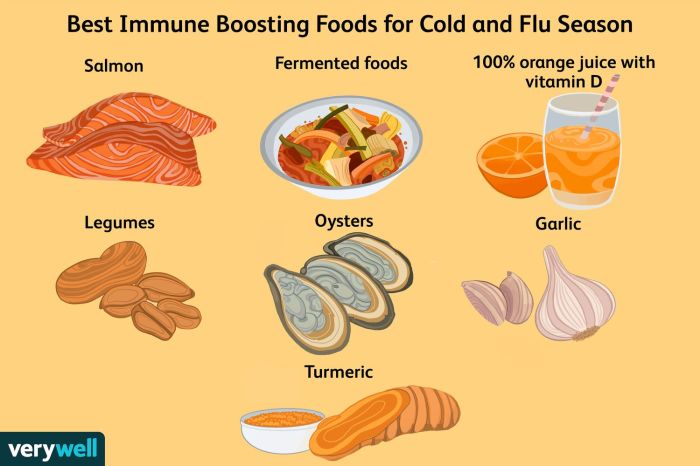
  • Probiotic-rich foods like yogurt, kefir, and sauerkraut help maintain a healthy balance of gut bacteria, supporting immune function.
  • Prebiotic foods such as garlic, onions, and bananas feed the beneficial bacteria in the gut, promoting a strong immune system.
  • Antioxidant-rich foods like berries, spinach, and nuts help reduce inflammation in the gut, supporting immune health.
  • Fermented foods like kimchi and kombucha can enhance gut microbiota diversity, which is essential for a robust immune response.

Role of Gut Microbiota in Immune Regulation

The gut microbiota plays a vital role in regulating the immune system by promoting the production of immune cells and balancing inflammation levels. A diverse and healthy gut microbiome can help prevent infections, allergies, and autoimmune diseases, highlighting the importance of maintaining gut health for overall immune support.

Stress Relief

Chronic stress can have a significant impact on our gut health, affecting the delicate balance of the gut-brain axis. It is crucial to incorporate stress-relief techniques to support a healthy gut and overall well-being.

Techniques for Reducing Stress, Nutritional balance and gut health

  • Practice deep breathing exercises to calm the mind and body.
  • Engage in regular physical activity to release tension and improve mood.
  • Try meditation or mindfulness to increase awareness and reduce stress levels.
  • Spend time in nature or engage in activities you enjoy to relax and unwind.

Impact of Chronic Stress on the Gut-Brain Axis

Chronic stress can lead to inflammation in the gut, disrupting the balance of gut bacteria and affecting digestion. This can further impact mental health and cognitive function through the gut-brain axis.

Incorporating Mindfulness Practices

  • Start your day with a few minutes of mindful breathing to set a positive tone.
  • Practice mindful eating by savoring each bite and being present during meals.
  • Take short breaks throughout the day to check in with your emotions and thoughts.

Relaxation Techniques for Gut Health

  • Try progressive muscle relaxation to release physical tension and calm the mind.
  • Listen to soothing music or sounds to promote relaxation and reduce stress levels.
  • Engage in activities like yoga or tai chi to combine movement with mindfulness for overall well-being.

Detailed FAQs

How does nutritional balance impact gut health?

Nutritional balance plays a crucial role in maintaining a healthy gut by providing essential nutrients that support the growth of beneficial gut bacteria.

What are some examples of foods that promote gut health?

Foods like yogurt, kefir, kimchi, and sauerkraut are known to promote gut health due to their probiotic content.

How can dietary fiber contribute to a healthy gut microbiome?

Dietary fiber acts as a prebiotic, feeding the good bacteria in the gut and promoting a diverse and healthy gut microbiome.

Why is emotional wellbeing important for gut health?

Emotional wellbeing impacts gut health through the gut-brain axis, highlighting the connection between mental health and digestive health.

Can regular physical activity help maintain gut health?

Yes, regular physical activity aids in digestion, nutrient absorption, and overall gut health by promoting movement in the digestive system.
Nutritional balance for seniors: A Key to Healthy Aging

Nutritional balance for seniors

Healthy Habits

Maintaining a healthy lifestyle is crucial for seniors to ensure overall well-being. By incorporating daily habits that support their health, older adults can enhance their quality of life and longevity.

Daily Habits for Seniors

  • A balanced diet rich in nutrients, fiber, and antioxidants to support immune function and prevent chronic diseases.
  • Regular physical activity, such as walking, yoga, or swimming, to improve strength, flexibility, and cardiovascular health.
  • Engaging in social activities to reduce feelings of isolation and boost mental well-being.
  • Staying mentally active through puzzles, games, reading, or learning new skills to maintain cognitive function.
  • Regular health check-ups and screenings to monitor blood pressure, cholesterol levels, and other health indicators.

Importance of Regular Exercise

Regular exercise is vital for seniors as it helps in maintaining muscle mass, bone density, and overall mobility. Physical activity also reduces the risk of chronic conditions such as heart disease, diabetes, and osteoporosis. Seniors should aim for at least 150 minutes of moderate-intensity exercise per week to reap the benefits of staying active.

Staying Hydrated for Health

Staying hydrated is essential for seniors to support proper digestion, circulation, and temperature regulation. Dehydration can lead to fatigue, dizziness, and urinary tract infections. Seniors should aim to drink at least 8-10 cups of water daily and consume water-rich foods like fruits and vegetables to stay adequately hydrated.

Getting Adequate Sleep

Quality sleep is crucial for seniors to promote physical and mental health. Lack of sleep can increase the risk of cognitive decline, mood disorders, and weakened immune function. Seniors should establish a bedtime routine, avoid caffeine and electronics before bed, and create a comfortable sleep environment to ensure they get 7-9 hours of restful sleep each night.

Emotional Wellbeing

Emotional health plays a crucial role in the overall well-being of seniors. The connection between emotional and physical health is undeniable, as one directly affects the other. Seniors who have good emotional health are more likely to have better physical health outcomes and vice versa.

Managing Stress and Anxiety

  • Practice relaxation techniques such as deep breathing, meditation, or yoga to reduce stress levels.
  • Engage in physical activities like walking, swimming, or gentle exercises to release endorphins that help alleviate anxiety.
  • Seek support from friends, family, or a therapist to talk about your feelings and concerns.
  • Establish a daily routine and prioritize self-care activities to maintain a sense of control and reduce anxiety.

Benefits of Social Activities

Engaging in social activities can significantly improve emotional well-being in seniors. It provides them with a sense of belonging, reduces feelings of isolation, and boosts self-esteem. Social interactions also stimulate the mind and help seniors stay mentally sharp.

Impact of Hobbies and Interests

  • Pursuing hobbies and interests can bring joy and fulfillment to seniors, promoting a positive outlook on life.
  • Having a hobby provides a sense of purpose and helps seniors stay engaged and active, both mentally and physically.
  • Exploring new interests can open up opportunities for social connections and create a sense of community.

Healthy Aging: Nutritional Balance For Seniors

Nutritional balance for seniors – Healthy aging is the process of maintaining optimal physical, mental, and emotional well-being as we grow older. It involves making conscious lifestyle choices to promote longevity and quality of life.

Common Age-Related Health Concerns

As seniors age, they may encounter various health issues that are commonly associated with getting older. It is important to address these concerns through proactive measures and healthy habits.

  • Cardiovascular Health: Regular exercise, a balanced diet, and managing stress can help prevent heart disease and stroke.
  • Bone Health: Consuming adequate calcium and vitamin D, along with weight-bearing exercises, can reduce the risk of osteoporosis.
  • Cognitive Function: Engaging in mentally stimulating activities and social interactions can support brain health and reduce the risk of cognitive decline.
  • Mobility: Maintaining muscle strength and flexibility through regular physical activity can prevent falls and improve overall mobility.

Preventive Healthcare Measures, Nutritional balance for seniors

Preventive healthcare plays a crucial role in successful aging by focusing on early detection and intervention to prevent more serious health issues.

  • Regular Health Screenings: Routine check-ups, screenings for conditions like diabetes and cancer, and vaccinations can help catch and treat health problems early.
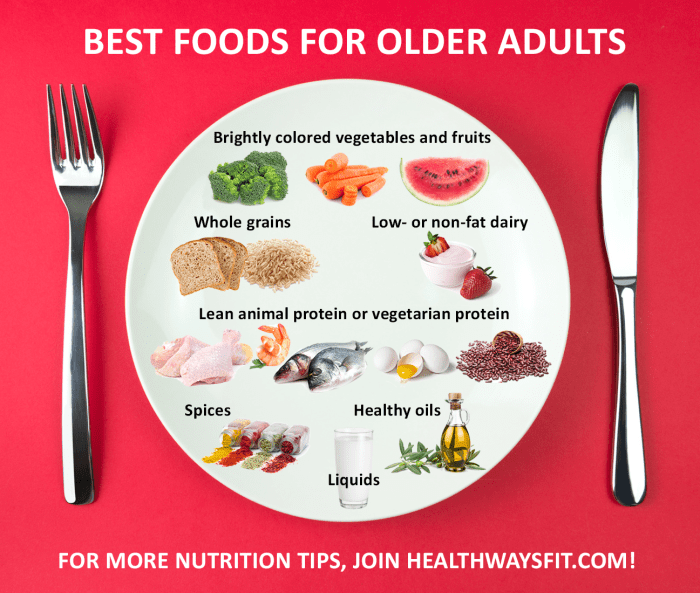
  • Healthy Diet: Eating a balanced diet rich in fruits, vegetables, whole grains, and lean proteins can provide essential nutrients for overall health.
  • Physical Activity: Staying active with exercises like walking, swimming, or yoga can improve cardiovascular health, strength, and flexibility.
  • Mental Health Support: Seeking counseling, practicing mindfulness, and staying socially connected can promote emotional well-being and reduce stress.

Maintaining Independence and Quality of Life

As seniors age, maintaining independence and quality of life becomes a top priority. By making smart choices and staying proactive, seniors can age gracefully while enjoying a fulfilling lifestyle.

  • Home Safety: Ensuring a safe living environment with grab bars, adequate lighting, and non-slip surfaces can prevent accidents and promote independence.
  • Social Engagement: Participating in community activities, volunteering, and spending time with loved ones can combat loneliness and boost mental well-being.
  • Financial Planning: Securing long-term care insurance, creating a will, and managing finances effectively can provide peace of mind and protect against future uncertainties.
  • Regular Check-Ins: Keeping in touch with healthcare providers, family members, and friends can provide support, guidance, and early intervention when needed.

Active Lifestyle

Staying physically active is crucial for seniors to maintain overall health and well-being. Regular exercise can help improve strength, flexibility, balance, and endurance, reducing the risk of falls and chronic diseases.

Low-Impact Exercises for Seniors

  • Walking: A simple yet effective way to stay active and improve cardiovascular health.
  • Swimming: Provides a full-body workout without putting stress on joints.
  • Yoga: Enhances flexibility, balance, and mental well-being.

Benefits of Strength Training

Strength training helps preserve muscle mass, increase bone density, and improve metabolism. It can also enhance functional abilities for daily activities and reduce the risk of injury.

Tips for Staying Motivated

  • Set realistic goals: Start with manageable targets and gradually increase intensity.
  • Find a workout buddy: Exercising with a friend can make it more enjoyable and help you stay accountable.
  • Try different activities: Keep things interesting by exploring a variety of exercises to prevent boredom.
  • Reward yourself: Celebrate your accomplishments, whether big or small, to stay motivated and continue your active lifestyle.

Cardiovascular Health

Cardiovascular health is crucial for seniors as it directly impacts their overall well-being and quality of life. Maintaining a healthy heart can help prevent various cardiovascular diseases and complications, allowing seniors to stay active and independent as they age.

Dietary Choices for a Healthy Heart

Seniors should focus on a diet rich in fruits, vegetables, whole grains, lean proteins, and healthy fats to promote heart health. Limiting salt, sugar, and saturated fats can help reduce the risk of heart disease and maintain cardiovascular health.

Importance of Regular Cardiovascular Exercise

Engaging in regular cardiovascular exercise, such as walking, swimming, or cycling, can strengthen the heart and improve circulation. Seniors should aim for at least 150 minutes of moderate-intensity exercise per week to support cardiovascular health.

Monitoring and Managing Cardiovascular Health

Seniors should regularly monitor their blood pressure, cholesterol levels, and heart rate to track changes and identify potential issues early. Consulting with healthcare providers and following their recommendations can help manage cardiovascular health effectively as one ages.

Healthy Recipes

As we age, it becomes crucial to maintain a balanced and nutritious diet to support overall health and well-being. One way to achieve this is by incorporating healthy recipes specifically tailored for seniors into our daily meals.

These recipes are not only delicious but also packed with essential nutrients that older adults need to thrive. By preparing meals that are both tasty and nutritious, seniors can ensure they are meeting their dietary requirements and promoting their overall health.

Nutritious Breakfast Options

  • Whole grain oatmeal topped with fresh berries and a sprinkle of nuts for added crunch and protein.
  • Greek yogurt parfait with layers of granola, sliced bananas, and a drizzle of honey for a sweet yet healthy start to the day.
  • Egg and vegetable frittata made with spinach, tomatoes, and bell peppers for a protein-packed breakfast option.

Balanced Lunch Ideas

  • Grilled salmon salad with mixed greens, avocado, and a citrus vinaigrette dressing for a light yet filling meal.
  • Veggie stir-fry with tofu and brown rice, loaded with colorful vegetables and plant-based protein for a satisfying lunch.
  • Quinoa and black bean bowl with roasted sweet potatoes, kale, and a tahini dressing for a nutrient-dense and flavorful meal option.

Hearty Dinner Recipes

  • Lean turkey meatballs with whole wheat spaghetti and marinara sauce, served with a side of steamed broccoli for a comforting and balanced dinner.
  • Baked lemon herb chicken with roasted Brussels sprouts and quinoa for a simple yet flavorful dinner option.
  • Vegetarian chili made with kidney beans, diced tomatoes, and a variety of spices, served with a side of cornbread for a cozy and nutritious meal.

Mental Resilience

Building mental resilience is crucial for seniors to cope with the challenges that come with aging. It involves developing the ability to bounce back from setbacks, adapt to changes, and maintain a positive outlook on life. Here are some strategies to help seniors enhance their mental resilience:

Activities to Stay Mentally Sharp

  • Engage in puzzles and brain games: Activities like crossword puzzles, Sudoku, and memory games can help stimulate the brain and improve cognitive function.
  • Learn something new: Taking up a new hobby or skill can keep the mind active and engaged, promoting neuroplasticity and enhancing mental agility.
  • Stay social: Maintaining social connections and engaging in meaningful conversations can boost mood, reduce stress, and improve cognitive function.

Role of Cognitive Exercises

  • Cognitive exercises, such as brain training apps and memory exercises, can help seniors maintain cognitive function and prevent cognitive decline.
  • These exercises stimulate the brain, improve memory, attention, and problem-solving skills, and promote overall brain health.
  • Regular mental challenges can help build cognitive reserve, which may delay the onset of cognitive decline and dementia.

Tips for a Positive Mindset

  • Practice gratitude: Focusing on the positive aspects of life and expressing gratitude can improve mood and outlook on life.
  • Avoid negative self-talk: Encourage positive affirmations and challenge negative thoughts to foster a more optimistic mindset.
  • Engage in mindfulness and relaxation techniques: Practices like meditation, yoga, and deep breathing can help reduce stress, improve mental clarity, and promote emotional well-being.

Immune Support

Nutritional balance for seniors
Aging can have a significant impact on the immune system of seniors, making them more susceptible to infections and illnesses. As we age, the immune response tends to weaken, leading to a decrease in the body’s ability to fight off pathogens effectively.

Dietary and Lifestyle Choices for Immune Function

  • Consuming a balanced diet rich in fruits, vegetables, whole grains, and lean proteins can provide essential nutrients and antioxidants to support immune function.
  • Staying active through regular exercise can help improve circulation and boost the immune system.
  • Getting an adequate amount of sleep is crucial for immune health, as lack of sleep can weaken the body’s defenses.
  • Managing stress levels through relaxation techniques like meditation or yoga can also play a role in supporting immune function.

Proactive Immune Health Tips for Seniors

  • Stay hydrated by drinking plenty of water throughout the day to support immune function.
  • Avoid smoking and limit alcohol consumption, as these habits can weaken the immune system.
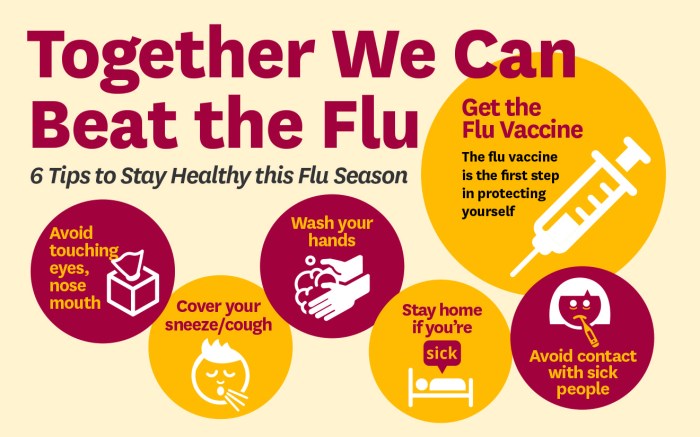
  • Practice good hygiene by washing hands regularly and avoiding close contact with sick individuals.
  • Consider taking supplements like vitamin C, vitamin D, and zinc to support immune health, but consult with a healthcare provider first.

Importance of Vaccinations and Health Check-ups

Regular vaccinations, such as flu shots and pneumonia vaccines, are essential for seniors to protect against preventable diseases. Additionally, routine health check-ups can help monitor immune function and address any underlying health issues that may impact immunity.

Stress Relief

Nutritional balance for seniors
Stress can have a significant impact on the overall health of seniors. It can lead to increased blood pressure, weakened immune system, and even exacerbate existing health conditions. Managing stress effectively is crucial for maintaining a good quality of life in older adults.

Relaxation Techniques

  • Deep breathing exercises: Encouraging seniors to practice deep breathing can help calm their minds and reduce stress levels.
  • Progressive muscle relaxation: Guiding seniors through tensing and relaxing different muscle groups can promote relaxation and alleviate stress.
  • Guided imagery: Using visualization techniques can transport seniors to a peaceful place in their minds, helping them unwind and de-stress.

Creating a Calming Environment at Home

  • Decluttering spaces: Keeping living areas organized and clutter-free can create a sense of calm and reduce feelings of overwhelm.
  • Adding plants: Indoor plants can improve air quality and bring a touch of nature indoors, promoting relaxation and tranquility.
  • Soft lighting: Opting for warm, soft lighting can create a cozy and calming atmosphere in the home, ideal for stress relief.

Benefits of Mindfulness and Meditation

  • Reduced anxiety: Practicing mindfulness and meditation can help seniors manage anxiety and stress more effectively.
  • Improved focus: Engaging in mindfulness exercises can enhance concentration and cognitive function, leading to a clearer and calmer mind.
  • Enhanced emotional well-being: Mindfulness and meditation techniques can promote a positive outlook and emotional resilience in seniors.

Nutritional Balance

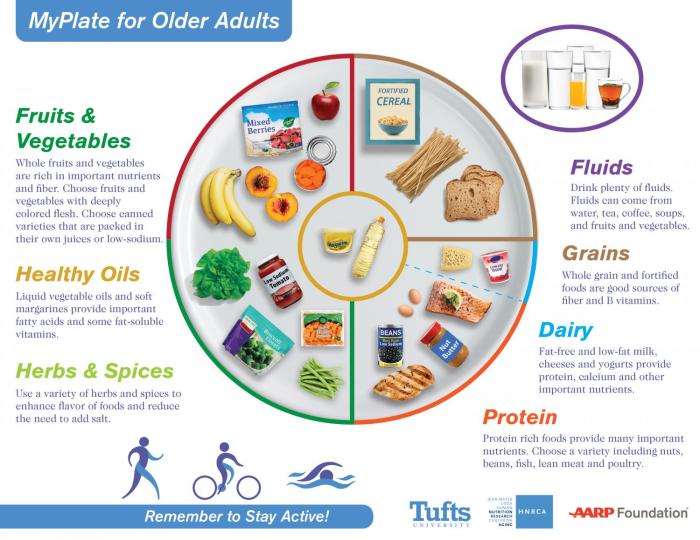
Maintaining a balanced diet is crucial for seniors as it plays a significant role in promoting overall health and well-being. A well-rounded diet can help prevent chronic diseases, support a strong immune system, and improve energy levels.

Key Nutrients for Older Adults

Eating a variety of nutrient-dense foods is essential for seniors to meet their unique nutritional needs. Some key nutrients to focus on include:

  • Calcium: important for maintaining strong bones and preventing osteoporosis. Good sources include dairy products, leafy greens, and fortified foods.
  • Vitamin D: helps with calcium absorption and supports immune function. Sunlight, fatty fish, and fortified foods are good sources.
  • Omega-3 fatty acids: important for heart health and brain function. Fatty fish, flaxseeds, and walnuts are excellent sources.
  • Protein: necessary for maintaining muscle mass and strength. Lean meats, poultry, fish, eggs, beans, and nuts are good sources.

Foods to Meet Nutritional Needs

Including a variety of foods in their daily meals can help seniors get the nutrients they need. Some examples of nutrient-rich foods include:

  • Colorful fruits and vegetables: rich in vitamins, minerals, and antioxidants.
  • Whole grains: provide fiber, B vitamins, and minerals like iron and magnesium.
  • Dairy or fortified plant-based alternatives: good sources of calcium and vitamin D.
  • Healthy fats: found in avocados, nuts, seeds, and olive oil.

Tips for Seniors

Seniors can ensure they are getting a variety of nutrients by:

  • Eating a rainbow of fruits and vegetables to get a wide range of vitamins and minerals.
  • Including sources of lean protein in each meal, such as poultry, fish, beans, or tofu.
  • Choosing whole grains like brown rice, quinoa, or whole wheat bread for fiber and nutrients.
  • Limiting processed foods high in added sugars, sodium, and unhealthy fats.

FAQ

What are the key nutrients essential for seniors?

Seniors should focus on getting enough calcium, vitamin D, B vitamins, and omega-3 fatty acids to support their overall health and well-being.

How can seniors ensure they are getting a variety of nutrients in their meals?

Seniors can achieve nutrient variety by incorporating a colorful array of fruits, vegetables, whole grains, lean proteins, and healthy fats into their daily meals.

Immune support tips during flu season: Boost Your Immunity Naturally

Immune support tips during flu season

Healthy Habits

Maintaining healthy habits is crucial for boosting the immune system, especially during flu season. Consistency in daily routines can help protect the body against illnesses and infections.

Consistent Sleep Schedule

Immune support tips during flu season – Getting an adequate amount of sleep each night is essential for immune support. Lack of sleep can weaken the body’s defenses, making it more susceptible to catching the flu. Aim for 7-9 hours of quality sleep to help your immune system function optimally.

Regular Exercise

Engaging in regular physical activity is another key factor in strengthening the body’s defenses against the flu. Exercise helps boost circulation, improve immunity, and reduce stress levels. Aim for at least 30 minutes of moderate exercise most days of the week to reap the immune-boosting benefits.

Emotional Wellbeing

Immune support tips during flu season
Stress management plays a crucial role in supporting a healthy immune system. When we are stressed, our body releases cortisol, a hormone that can suppress immune function. Therefore, finding ways to reduce stress can help strengthen our body’s defenses against illnesses like the flu.

Relaxation Techniques

  • Deep breathing exercises: Taking slow, deep breaths can help calm the mind and body, reducing stress levels.
  • Meditation: Practicing mindfulness meditation can help improve emotional wellbeing and reduce anxiety, ultimately supporting immune function.
  • Yoga: Engaging in regular yoga sessions can not only help relieve stress but also improve overall physical and mental health.
  • Progressive muscle relaxation: This technique involves tensing and then relaxing each muscle group in the body, promoting relaxation and reducing stress.

Emotional Health and Immune Response

Emotional health is closely linked to immune response, especially during flu season. Studies have shown that individuals experiencing chronic stress or negative emotions may have a weakened immune system, making them more susceptible to infections. By prioritizing emotional wellbeing and incorporating relaxation techniques into our daily routine, we can better support our immune system and reduce the risk of falling ill during flu season.

Healthy Aging

Aging can have a significant impact on the immune system’s ability to fight off flu viruses. As we get older, our immune response tends to weaken, making older adults more vulnerable to infections like the flu.

Maintaining a Healthy Lifestyle

  • Stay active: Regular exercise can help boost the immune system and improve overall health.
  • Eat a balanced diet: Consuming a variety of fruits, vegetables, whole grains, and lean proteins can provide essential nutrients to support immune function.
  • Get enough sleep: Adequate rest is crucial for a healthy immune system, so aim for 7-9 hours of quality sleep each night.
  • Manage stress: Chronic stress can weaken the immune system, so practice relaxation techniques like meditation or yoga.

Role of Vaccinations

Vaccinations play a vital role in protecting older adults during flu season. Getting an annual flu shot can help reduce the risk of serious complications from the flu and prevent the spread of the virus to others. It’s important for older adults to stay up-to-date on recommended vaccines to maintain their immunity and stay healthy as they age.

Active Lifestyle

Regular physical activity plays a crucial role in supporting the immune system and reducing the risk of flu infections. Exercise helps to boost the body’s defenses and improve overall health, making it an essential component of flu prevention.

Impact of Physical Activity on Immune Support

Regular exercise has been shown to have a positive impact on the immune system by enhancing the circulation of white blood cells and antibodies, which are essential in fighting off infections. Additionally, physical activity can help reduce inflammation in the body, further strengthening immune function.

  • Cardiovascular exercises such as running, cycling, or swimming are great for improving circulation and overall immune function.
  • Strength training exercises like weightlifting or bodyweight exercises can help increase muscle mass and improve immune response.
  • Yoga and Pilates are beneficial for reducing stress levels, which can also boost the immune system.

Engaging in at least 150 minutes of moderate-intensity exercise per week can significantly enhance immune function and reduce the risk of flu infections.

Reducing Flu-Related Complications through Active Lifestyle

Staying physically active can help reduce the risk of flu-related complications such as pneumonia or other respiratory issues. Regular exercise improves lung function, which is crucial in combating respiratory infections like the flu.

  • Regular physical activity can help maintain a healthy weight, reducing the strain on the body’s organs and immune system.
  • Exercise promotes better sleep quality, which is essential for immune function and overall health.
  • By staying active, individuals can improve their overall physical and mental well-being, leading to a stronger immune response against flu viruses.

Cardiovascular Health: Immune Support Tips During Flu Season

Maintaining a healthy heart is crucial for overall well-being, especially during flu season when the immune system may be under additional stress. Let’s explore how heart health is connected to immune function and ways to support it.

Heart-Healthy Diet Tips

Eating a nutritious diet plays a key role in supporting both heart health and immune function. Here are some tips for maintaining a heart-healthy diet to boost your immune system:

  • Include plenty of fruits and vegetables rich in antioxidants to help reduce inflammation and support heart health.
  • Choose whole grains over refined carbohydrates to improve heart function and maintain stable blood sugar levels.
  • Incorporate lean proteins like fish, poultry, and legumes to provide essential nutrients for heart health and overall immunity.
  • Avoid excessive salt, saturated fats, and added sugars, which can negatively impact heart health and weaken the immune system.
  • Stay hydrated by drinking plenty of water throughout the day to support cardiovascular function and immune response.

Importance of Cardiovascular Exercise

Regular physical activity, especially cardiovascular exercise, is essential for maintaining a healthy heart and supporting immune function. Here’s why it’s important:

  • Cardiovascular exercise helps improve blood circulation, which is vital for delivering oxygen and nutrients to all parts of the body, including the immune system.
  • Engaging in regular aerobic activities like running, swimming, or cycling can strengthen the heart muscle, reduce inflammation, and boost overall cardiovascular health.
  • Exercise also plays a role in reducing stress, which can have a positive impact on heart health and immune function during flu season.
  • Consistent physical activity is linked to a lower risk of heart disease, stroke, and other cardiovascular conditions, ultimately supporting a robust immune system.

Healthy Recipes

During flu season, it’s essential to fuel your body with immune-boosting recipes that can help strengthen your defenses. A well-balanced diet plays a crucial role in supporting immune health and overall well-being.

Key Ingredients for Immune Health

  • Garlic: Known for its antimicrobial properties, garlic can help fight off infections.
  • Ginger: Contains gingerol, which has antioxidant and anti-inflammatory effects.
  • Citrus Fruits: Rich in vitamin C, citrus fruits like oranges and lemons can boost your immune system.
  • Leafy Greens: Packed with vitamins and minerals, leafy greens like spinach and kale support immune function.

Immune-Boosting Recipe: Garlic Lemon Chicken Soup

This hearty soup combines the immune-boosting properties of garlic and vitamin C-rich lemon with the comfort of chicken soup. Here’s a simple recipe to try:

  1. In a large pot, sauté chopped garlic in olive oil until fragrant.
  2. Add diced chicken breast and cook until browned.
  3. Pour in chicken broth and add chopped vegetables like carrots and celery.
  4. Simmer until the chicken is cooked through and the vegetables are tender.
  5. Squeeze fresh lemon juice into the soup before serving.

Mental Resilience

Building mental resilience is crucial for supporting overall immune function, especially during flu season. The mind-body connection plays a significant role in how well our immune system responds to infections like the flu.

Strategies for Building Mental Resilience

Developing mental resilience can help improve the body’s ability to fight off infections. Here are some strategies to build mental resilience:

  • Practice mindfulness and meditation to reduce stress levels.
  • Engage in regular physical activity to boost mood and overall well-being.
  • Cultivate a positive mindset through gratitude journaling or positive affirmations.
  • Seek social support from friends and family to strengthen emotional resilience.

Mind-Body Connection and Immune Support

The mind-body connection refers to the link between our thoughts, emotions, and physical health. When we practice mental resilience, we can positively impact our immune system’s ability to ward off illnesses like the flu. Stress and negative emotions can weaken the immune response, making us more susceptible to infections. By fostering mental resilience through positive coping strategies, we can enhance our immune function and overall well-being.

Immune Support

Immune support tips during flu season
Maintaining a strong immune system is crucial, especially during flu season when viruses are more prevalent. There are various ways to enhance immune support, including specific vitamins and supplements, natural remedies, and a healthy gut microbiome.

Specific Vitamins and Supplements

Adding certain vitamins and supplements to your daily routine can help boost your immune system:

  • Vitamin C: Known for its immune-boosting properties and antioxidant benefits.
  • Vitamin D: Plays a key role in immune function and can help reduce the risk of respiratory infections.
  • Zinc: Important for immune cell function and can help shorten the duration of colds.

Natural Remedies, Immune support tips during flu season

Aside from vitamins and supplements, natural remedies can also support your immune system:

  • Elderberry: Rich in antioxidants and can help reduce the severity and duration of cold and flu symptoms.
  • Echinacea: Known for its immune-boosting properties and can help the body fight off infections.
  • Ginger: Has anti-inflammatory and antioxidant effects that can support immune function.

Healthy Gut Microbiome

Your gut health is closely linked to your immune system, so maintaining a healthy gut microbiome is essential for immune function:

  • Include probiotic-rich foods like yogurt, kefir, and sauerkraut in your diet to support good bacteria in your gut.
  • Eat plenty of fiber-rich foods like fruits, vegetables, and whole grains to promote a healthy gut microbiome.
  • Avoid excessive use of antibiotics, as they can disrupt the balance of bacteria in your gut and weaken your immune system.

Stress Relief

Stress relief techniques are crucial for maintaining a healthy immune system, especially during flu season. Chronic stress can weaken the immune response, making individuals more susceptible to illnesses like the flu.

Mindfulness Practices

  • Practicing deep breathing exercises can help calm the mind and reduce stress levels.
  • Engaging in meditation or yoga can promote relaxation and improve overall well-being.
  • Spending time in nature or practicing mindfulness in daily activities can help shift focus away from stressors.

Impact of Chronic Stress on Immune Function

Chronic stress can suppress the immune system, making it harder for the body to fight off infections like the flu. High levels of stress hormones can negatively impact immune cells, leading to increased vulnerability to illnesses. It is essential to incorporate stress-relief techniques into daily routines to support immune health and overall well-being.

Nutritional Balance

Proper nutrition plays a crucial role in supporting the immune system’s response to flu viruses. A balanced diet provides the essential nutrients needed to strengthen the immune system and improve overall health.

Essential Nutrients for Immune Support

  • Vitamin C: Known for its immune-boosting properties, vitamin C helps the body fight off infections and reduces the duration of colds and flu.
  • Vitamin D: Plays a key role in regulating the immune system and reducing the risk of respiratory infections.
  • Zinc: Essential for immune function, zinc helps in the production of immune cells and antibodies that fight off viruses.
  • Probiotics: Support gut health, which is closely linked to the immune system, by promoting the growth of beneficial bacteria.

Nutritional Balance and Immune Resilience

A well-balanced diet that includes a variety of fruits, vegetables, whole grains, lean proteins, and healthy fats ensures that the body receives all the necessary nutrients to maintain a strong immune system. Nutritional balance is essential for overall immune resilience during flu season, as it helps the body function optimally and fight off infections effectively.

Questions and Answers

How important is sleep for immune support during flu season?

Getting an adequate amount of quality sleep is crucial for supporting your immune system during flu season. Lack of sleep can weaken your body’s defenses, making you more susceptible to illnesses.

What role do vaccinations play in protecting older adults during flu season?

Vaccinations play a vital role in protecting older adults during flu season by boosting their immunity against specific flu strains. It’s important for older adults to stay up to date with their vaccinations to reduce the risk of severe flu complications.

Can stress relief techniques really help in boosting immunity?

Yes, stress relief techniques can significantly impact your immune system’s function. By managing stress effectively, you can reduce inflammation in the body and enhance your overall immune response to fight off infections like the flu.

How does a balanced diet support the immune system’s response to flu viruses?

A balanced diet provides essential nutrients that support your immune system’s ability to combat flu viruses effectively. By consuming a variety of nutrient-rich foods, you can optimize your body’s immune response and reduce the risk of falling ill during flu season.

Foods to improve cardiovascular health – Enhancing heart wellness through diet

Foods to improve cardiovascular health

Foods to improve cardiovascular health

Eating a heart-healthy diet is crucial for maintaining cardiovascular wellness. Including certain foods in your meals can help support heart health and reduce the risk of heart disease.

Heart-healthy foods rich in omega-3 fatty acids

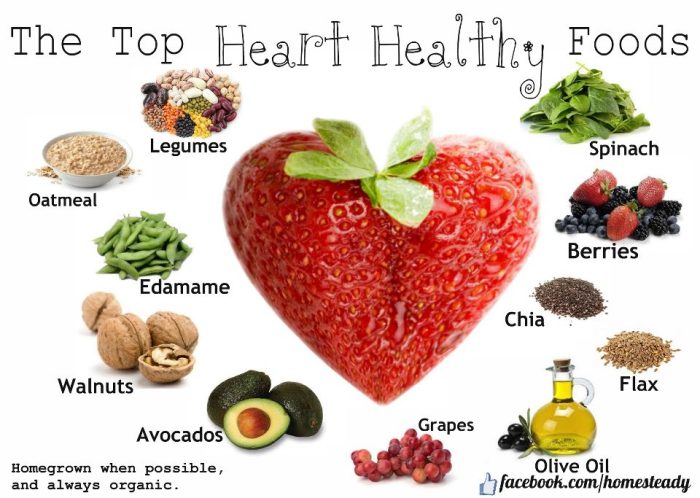
Omega-3 fatty acids are known for their heart-protective benefits. Foods rich in omega-3s include fatty fish like salmon, mackerel, and sardines. These fish are also good sources of protein, making them a great addition to a heart-healthy diet. Other plant-based sources of omega-3s include flaxseeds, chia seeds, and walnuts.

Antioxidant-rich foods for heart health

Antioxidants help protect the heart by reducing inflammation and preventing damage to blood vessels. Berries, such as blueberries, strawberries, and raspberries, are excellent sources of antioxidants. Dark chocolate, red grapes, and spinach are also rich in antioxidants and can be beneficial for heart health when consumed in moderation.

The benefits of fiber-rich foods for cardiovascular wellness

Fiber plays a key role in promoting heart health by lowering cholesterol levels and improving digestion. Foods high in fiber include whole grains like oats, barley, and quinoa, as well as fruits, vegetables, and legumes. Incorporating these fiber-rich foods into your diet can help reduce the risk of heart disease and improve overall heart health.

The role of potassium-rich foods in maintaining a healthy heart

Potassium is essential for maintaining healthy blood pressure levels and supporting heart function. Bananas, sweet potatoes, avocados, and spinach are all good sources of potassium. Including these potassium-rich foods in your diet can help regulate blood pressure and reduce the risk of cardiovascular disease.

Healthy Habits

Foods to improve cardiovascular health
Regular exercise is crucial for promoting cardiovascular health as it helps strengthen the heart muscle, improve circulation, and lower blood pressure. It also aids in maintaining a healthy weight and reducing the risk of heart disease.

Reducing Salt Intake

Reducing salt intake is important for heart health as excessive salt consumption can lead to high blood pressure, which is a major risk factor for cardiovascular disease. Strategies to reduce salt intake include avoiding processed foods, using herbs and spices for flavoring instead of salt, and being mindful of sodium content in restaurant meals.

Staying Hydrated

Staying hydrated is essential for overall cardiovascular well-being as it helps maintain proper blood volume and circulation. Dehydration can strain the heart and increase the risk of blood clots. It is recommended to drink plenty of water throughout the day and limit consumption of sugary drinks and alcohol.

Portion Control

Practicing portion control is key to a heart-healthy lifestyle as it helps in maintaining a healthy weight and preventing overeating. It is important to be mindful of portion sizes, listen to your body’s hunger cues, and avoid eating until you are overly full. By controlling portions, you can better manage your calorie intake and support cardiovascular health.

Emotional Wellbeing

Stress management is closely linked to cardiovascular health. When we experience high levels of stress, our bodies release hormones like cortisol and adrenaline, which can increase blood pressure and heart rate. Prolonged stress can lead to inflammation in the arteries, increasing the risk of heart disease.

Relaxation Techniques

  • Deep breathing exercises: Taking slow, deep breaths can help calm the nervous system and reduce stress.
  • Meditation: Practicing mindfulness through meditation can help improve emotional wellbeing and lower blood pressure.
  • Yoga: Engaging in yoga can promote relaxation, reduce stress, and improve heart health.

Role of Emotional Support

Emotional support plays a vital role in maintaining a healthy heart. Having strong social connections and a support system can help reduce stress levels, improve mental health, and lower the risk of heart disease. Surrounding yourself with loved ones and seeking help when needed can positively impact cardiovascular wellbeing.

Mindfulness Practices

  • Body scan meditation: This practice involves focusing on different parts of the body, promoting relaxation and reducing stress levels.
  • Gratitude journaling: Writing down things you are grateful for can shift your focus to positive emotions, improving overall emotional wellbeing.
  • Walking meditation: Combining mindfulness with physical activity through walking can benefit both mental and heart health.

Healthy Aging

Maintaining heart health as you age is crucial for overall well-being. Regular health check-ups play a vital role in preventing cardiovascular issues, allowing for early detection and intervention. Age-appropriate exercises can help promote a healthy heart, while a balanced diet provides essential nutrients to support heart health throughout the aging process.

Tips for Maintaining Heart Health

  • Engage in regular physical activity such as walking, swimming, or cycling to keep your heart strong.
  • Aim to manage stress through relaxation techniques like meditation or yoga to reduce the risk of heart-related problems.
  • Get an adequate amount of sleep each night to support heart health and overall well-being.

Importance of Regular Health Check-ups

  • Regular check-ups help monitor blood pressure, cholesterol levels, and other vital signs to detect any potential issues early on.
  • Screenings for heart diseases and conditions can help determine the best course of action for prevention and treatment.

Age-Appropriate Exercises for a Healthy Heart, Foods to improve cardiovascular health

  • Low-impact exercises like tai chi or yoga can improve flexibility, balance, and overall cardiovascular health.
  • Strength training with light weights or resistance bands can help maintain muscle mass and support heart function.

Role of Balanced Diet in Supporting Heart Health

  • Eat a variety of fruits, vegetables, whole grains, lean proteins, and healthy fats to provide essential nutrients for heart health.
  • Limit intake of processed foods, sugary drinks, and high-sodium meals to reduce the risk of heart disease and related complications.

Active Lifestyle

Regular physical activity plays a crucial role in maintaining overall cardiovascular health. By incorporating an active lifestyle into your daily routine, you can experience a wide range of benefits that support heart health and overall well-being.

Benefits of Physical Activity on Cardiovascular Health

  • Improves blood circulation and oxygen delivery to the heart
  • Helps lower blood pressure and cholesterol levels
  • Aids in weight management and reduces the risk of obesity
  • Strengthens the heart muscle and improves its efficiency
  • Reduces the risk of developing heart disease and stroke

Examples of Beneficial Aerobic Exercises

  • Running or jogging
  • Cycling
  • Swimming
  • Aerobic dance classes
  • Brisk walking

Importance of Strength Training for Heart Health

Strength training exercises are essential for maintaining muscle mass, bone density, and metabolic health. By incorporating activities like weight lifting, resistance band exercises, and bodyweight workouts into your fitness routine, you can enhance your cardiovascular health by:

  • Increasing muscle strength and endurance
  • Boosting metabolism and promoting fat loss
  • Improving overall physical function and mobility
  • Enhancing heart function and circulation

Creating a Sustainable Exercise Plan

To ensure long-term success and enjoyment in your fitness journey, it’s important to:

  • Set realistic goals and track your progress
  • Find activities that you enjoy and vary your routine to prevent boredom
  • Include a mix of aerobic, strength training, and flexibility exercises
  • Listen to your body and rest when needed to prevent overtraining
  • Stay consistent and make physical activity a priority in your daily life

Healthy Recipes

Foods to improve cardiovascular health – When it comes to improving cardiovascular health, incorporating heart-healthy recipes into your diet is essential. These recipes focus on using ingredients known to support heart health and reducing unhealthy fats to promote overall well-being.

Incorporating Heart-Healthy Ingredients

  • Salmon: Rich in omega-3 fatty acids, salmon can help lower cholesterol and reduce the risk of heart disease.
  • Quinoa: A great source of protein and fiber, quinoa can aid in maintaining healthy blood pressure levels.
  • Leafy greens: Spinach, kale, and other leafy greens are packed with vitamins, minerals, and antioxidants that support heart health.

Cooking Tips for Reducing Unhealthy Fats

  • Avoid frying foods and opt for baking, grilling, or steaming instead.
  • Use heart-healthy oils like olive oil or avocado oil in place of butter or lard.
  • Season dishes with herbs and spices instead of excess salt to enhance flavor without adding extra fat.

Importance of Meal Planning

  • Meal planning helps you stay on track with your heart-healthy diet by ensuring you have nutritious options readily available.
  • Planning meals in advance can prevent impulsive food choices that may not align with your cardiovascular health goals.
  • By meal planning, you can create balanced and varied meals that provide essential nutrients for heart health.

Creating Balanced and Nutritious Meals

  • Incorporate a variety of fruits, vegetables, whole grains, lean proteins, and healthy fats into your meals.
  • Focus on portion control to avoid overeating and maintain a healthy weight, which is beneficial for heart health.
  • Experiment with different flavors and cooking techniques to keep your meals exciting and enjoyable.

Mental Resilience

Mental resilience plays a crucial role in maintaining cardiovascular well-being. The connection between mental health and heart health is undeniable, as stress, anxiety, and negative emotions can have a significant impact on the heart.

Building Emotional Resilience

Building emotional resilience is essential for supporting heart health. Techniques such as mindfulness, deep breathing exercises, and practicing gratitude can help individuals cope with stress and manage their emotions effectively. By cultivating emotional resilience, individuals can reduce the risk of heart disease and improve overall cardiovascular wellness.

Positive Thinking and Heart Health

Positive thinking has been linked to a healthy heart. Optimism and a positive outlook on life can lower the risk of heart disease and improve cardiovascular health. By focusing on the positive aspects of life and maintaining a hopeful attitude, individuals can protect their heart health and enhance overall well-being.

Tips for Managing Stress

Managing stress is key to improving cardiovascular wellness. Techniques such as regular exercise, adequate sleep, and engaging in relaxing activities can help reduce stress levels and lower the risk of heart disease. It is important to prioritize self-care and find healthy ways to cope with stress to support heart health effectively.

Immune Support

The relationship between immune function and heart health is closely interconnected. A strong immune system is essential for protecting the body from infections and diseases, including those that can affect the heart and cardiovascular system. By maintaining a healthy immune system, individuals can reduce their risk of developing conditions that may impact heart health.

Immune-Boosting Foods for Cardiovascular Wellness

  • Colorful fruits and vegetables rich in antioxidants, such as berries, citrus fruits, and leafy greens, can help boost the immune system while also providing essential nutrients for heart health.
  • Fatty fish like salmon, mackerel, and sardines are high in omega-3 fatty acids, which have anti-inflammatory properties that can benefit both the immune system and cardiovascular function.
  • Probiotic-rich foods like yogurt, kefir, and sauerkraut support gut health, which is linked to immune function and overall well-being.

The Importance of a Well-Rounded Diet

A well-rounded diet that includes a variety of nutrient-dense foods is crucial for supporting both the immune system and heart health. Consuming a balanced mix of fruits, vegetables, whole grains, lean proteins, and healthy fats provides the body with the necessary nutrients to function optimally and maintain overall well-being.

Lifestyle Factors and Immune Support

  • Regular physical activity can help strengthen the immune system and improve cardiovascular health by reducing inflammation and promoting circulation.
  • Adequate sleep is essential for immune function and heart health, as it allows the body to repair and regenerate cells during rest.
  • Managing stress through relaxation techniques, mindfulness practices, and social connections can also support immune function and cardiovascular well-being.

Stress Relief

In today’s fast-paced world, stress has become a common factor in many people’s lives. It is essential to address stress not only for mental well-being but also for heart health. Chronic stress can have detrimental effects on the cardiovascular system, increasing the risk of heart disease and other related conditions. Implementing stress-relief practices into daily routines is crucial for maintaining a healthy heart and overall well-being. Let’s explore some relaxation techniques and tips for managing stress effectively.

Relaxation Techniques

  • Deep Breathing: Practice deep breathing exercises to calm the mind and reduce stress levels. Inhale deeply through your nose, hold for a few seconds, and exhale slowly through your mouth.
  • Meditation: Engage in mindfulness meditation to promote relaxation and reduce anxiety. Find a quiet space, close your eyes, and focus on your breath or a calming mantra.
  • Yoga: Incorporate yoga into your routine to improve flexibility, reduce tension, and alleviate stress. Yoga poses, combined with breathing techniques, can help release physical and mental strain.

Incorporating Stress-Relief Practices

  • Schedule “Me Time”: Set aside time each day for self-care activities that help you unwind and relax, such as reading a book, taking a bath, or going for a walk in nature.
  • Physical Activity: Regular exercise not only benefits your physical health but also serves as a stress-reliever. Engage in activities like walking, jogging, or dancing to boost endorphins and reduce stress.
  • Healthy Diet: Eating a well-balanced diet rich in fruits, vegetables, whole grains, and lean proteins can support your body in managing stress. Avoid excessive caffeine and sugar intake, which can contribute to heightened stress levels.

Importance of Self-Care

  • Self-care practices play a vital role in managing stress and promoting heart health. Prioritize activities that nourish your mind, body, and soul, such as getting adequate rest, practicing gratitude, and connecting with loved ones.
  • Seek Support: Don’t hesitate to reach out to friends, family, or a mental health professional for guidance and support when dealing with chronic stress. Talking about your feelings and emotions can lighten the burden and provide relief.

Nutritional Balance: Foods To Improve Cardiovascular Health

Maintaining a balanced diet is crucial for supporting cardiovascular health and overall wellness. By incorporating nutrient-dense foods and practicing moderation, you can ensure that your body receives the necessary nutrients to function optimally.

Significance of a Balanced Diet

A balanced diet plays a key role in maintaining cardiovascular health by providing essential nutrients such as vitamins, minerals, fiber, and antioxidants. These nutrients help reduce inflammation, lower cholesterol levels, regulate blood pressure, and support overall heart function.

Nutrient-Dense Foods for Heart Health

  • Leafy green vegetables: Rich in vitamins, minerals, and antioxidants that support heart health.
  • Fatty fish (salmon, mackerel, sardines): Excellent source of omega-3 fatty acids for reducing inflammation and improving heart function.
  • Whole grains (quinoa, brown rice, oats): High in fiber and nutrients that help lower cholesterol and maintain healthy blood sugar levels.
  • Berries (blueberries, strawberries, raspberries): Packed with antioxidants that protect against heart disease and promote vascular health.

Importance of Variety and Moderation

Including a variety of nutrient-dense foods in your diet ensures that you receive a wide range of essential nutrients necessary for cardiovascular wellness. Moderation is key to prevent overconsumption of unhealthy fats, sugars, and sodium that can negatively impact heart health.

Achieving Nutritional Balance

To achieve nutritional balance while supporting cardiovascular wellness, focus on incorporating a colorful array of fruits and vegetables, lean proteins, whole grains, and healthy fats into your meals. Limit processed foods, sugary beverages, and excessive salt intake to maintain a heart-healthy diet.

FAQ Insights

What are some heart-healthy foods rich in omega-3 fatty acids?

Examples include salmon, chia seeds, and walnuts.

How does stress management affect cardiovascular health?

Effective stress management can reduce the risk of heart diseases and improve overall heart health.

Why is portion control important for a heart-healthy lifestyle?

Controlling portion sizes helps maintain a healthy weight and reduces the strain on the heart.

What are some age-appropriate exercises for promoting a healthy heart?

Low-impact activities like walking or swimming are gentle on the heart yet beneficial.

How can mindfulness practices benefit cardiovascular well-being?

Mindfulness can reduce stress, lower blood pressure, and improve heart health.

Healthy aging and the importance of hydration: Key to Aging Gracefully

Healthy aging and the importance of hydration

Healthy Habits

Maintaining healthy habits is key to promoting healthy aging and overall well-being. Here are the top 5 daily habits that contribute to healthy aging:

Regular Exercise

Regular physical activity is essential for healthy aging. It helps improve cardiovascular health, maintain muscle mass, and keep joints flexible. Aim for at least 150 minutes of moderate-intensity exercise per week.

Adequate Sleep

Getting enough quality sleep is crucial for overall health and well-being. Sleep allows the body to repair and regenerate, supporting cognitive function and emotional well-being. Aim for 7-9 hours of sleep per night.

Balanced Diet

Eating a balanced diet rich in nutrients and antioxidants is essential for healthy aging. Include plenty of fruits, vegetables, whole grains, lean proteins, and healthy fats in your meals to support overall health and vitality.

Hydration

Staying hydrated is important for healthy aging. Water is essential for many bodily functions, including digestion, circulation, and temperature regulation. Aim to drink at least 8-10 glasses of water per day.

Stress Management

Chronic stress can have a negative impact on overall health and aging. Practice stress-reducing techniques such as mindfulness, meditation, deep breathing, or yoga to promote emotional well-being and longevity.

Emotional Wellbeing

Healthy aging and the importance of hydration

Healthy aging and the importance of hydration – Emotional health plays a crucial role in the aging process, impacting both physical and mental well-being. It is essential to prioritize emotional wellbeing to maintain a healthy and fulfilling life as we age.

Strategies for Managing Stress and Anxiety

Managing stress and anxiety is key to supporting emotional wellbeing. Some strategies include:

  • Practicing relaxation techniques such as deep breathing or progressive muscle relaxation.
  • Engaging in regular physical activity to reduce stress and improve mood.
  • Seeking social support from friends, family, or a therapist to talk about feelings and concerns.

Benefits of Mindfulness and Meditation

Mindfulness and meditation have been shown to enhance mental resilience and emotional wellbeing. Benefits include:

  • Reduced stress and anxiety levels.
  • Improved focus and concentration.
  • Enhanced self-awareness and acceptance of emotions.

Connection Between Emotional Health and Physical Well-being

There is a strong connection between emotional health and physical well-being. Research has shown that chronic stress and negative emotions can lead to various health issues, including cardiovascular diseases, weakened immune system, and chronic pain. Taking care of emotional health through mindfulness, meditation, and stress management can help improve overall physical health and longevity.

Healthy Aging

Healthy aging refers to the process of developing and maintaining the functional ability that enables well-being in older age. It involves taking care of both the physical and mental aspects to ensure a fulfilling and active lifestyle as we grow older.

The Role of Hydration

Staying hydrated is crucial for promoting healthy aging. Water helps to maintain bodily functions, aids digestion, regulates body temperature, and supports cognitive function. Dehydration can lead to various health issues, affecting overall well-being.

Positive Mindset and Aging Well

A positive mindset plays a significant role in aging well. It can help reduce stress, boost resilience, and improve overall mental health. Cultivating a positive outlook on life can contribute to better physical health and longevity.

Tips for Maintaining Cognitive Function

  • Engage in regular mental exercises such as puzzles, reading, or learning new skills to keep the brain active and sharp.
  • Stay physically active through regular exercise to promote blood flow to the brain and support cognitive function.
  • Follow a balanced diet rich in antioxidants, omega-3 fatty acids, and vitamins to nourish the brain and protect against cognitive decline.
  • Get enough sleep to allow the brain to rest and consolidate memories, promoting optimal cognitive function.
  • Stay socially connected and maintain relationships to stimulate the brain and prevent feelings of isolation, which can impact cognitive health.

Active Lifestyle

Staying active is crucial for maintaining overall health and well-being, especially as we age. Regular physical activity can help improve cardiovascular health, maintain muscle mass, increase flexibility, and boost mood and mental health.

Low-Impact Exercises for Seniors

  • Walking: A simple and effective way to stay active, improve cardiovascular health, and maintain joint flexibility.
  • Swimming: Gentle on the joints, swimming is a great full-body workout that can improve strength and endurance.
  • Yoga: Helps improve flexibility, balance, and mental well-being through gentle stretches and poses.
  • Cycling: Low-impact and easy on the joints, cycling can improve cardiovascular fitness and leg strength.

Importance of Strength Training

Strength training is essential for seniors to maintain muscle mass, bone density, and overall strength. Incorporating resistance exercises using body weight, resistance bands, or light weights can help prevent age-related muscle loss and reduce the risk of falls.

Tips for Incorporating Physical Activity

  • Schedule regular walks or exercise sessions into your daily routine.
  • Join group fitness classes tailored for seniors to stay motivated and socialize.
  • Use household items like cans or water bottles as light weights for simple strength exercises.
  • Set achievable goals and track your progress to stay motivated and committed to an active lifestyle.

Cardiovascular Health

Cardiovascular health is crucial for overall well-being and longevity. Maintaining a healthy heart and blood vessels is essential for reducing the risk of heart disease and other related conditions.

The Link Between Hydration and Cardiovascular Health

Proper hydration plays a key role in supporting cardiovascular health. Dehydration can lead to an increase in heart rate and blood pressure, putting strain on the heart. It is important to stay hydrated to ensure optimal heart function and blood flow.

Impact of Regular Exercise on Heart Health

Regular exercise is beneficial for heart health as it helps strengthen the heart muscle, improve circulation, and lower blood pressure. Engaging in physical activity can reduce the risk of heart disease and promote overall cardiovascular well-being.

Heart-Healthy Recipes

Consuming a diet rich in fruits, vegetables, whole grains, lean proteins, and healthy fats can support cardiovascular health. Here are some heart-healthy recipes to promote overall well-being:

  • Grilled salmon with quinoa and roasted vegetables
  • Spinach and strawberry salad with almonds and balsamic vinaigrette
  • Oatmeal with mixed berries and chia seeds

Tips for Maintaining Healthy Blood Pressure and Cholesterol Levels

Maintaining healthy blood pressure and cholesterol levels is essential for cardiovascular health. Here are some tips to help keep them in check:

  1. Limit salt intake to reduce blood pressure
  2. Incorporate fiber-rich foods like oats, beans, and fruits to help lower cholesterol levels
  3. Engage in regular physical activity to improve heart health and circulation
  4. Avoid smoking and limit alcohol consumption to protect your heart

Healthy Recipes

When it comes to supporting healthy aging, incorporating hydration-rich recipes into your diet is key. These recipes not only help keep you hydrated but also provide essential nutrients for overall well-being.

Hydration-Rich Recipes

Here are some examples of nutrient-dense meals that can help you stay hydrated and support healthy aging:

  • Watermelon and Feta Salad: A refreshing dish that combines hydrating watermelon with the richness of feta cheese and a drizzle of balsamic glaze.
  • Cucumber and Mint Infused Water: A simple yet effective way to increase your water intake and stay hydrated throughout the day.
  • Coconut Chia Seed Pudding: Packed with hydrating coconut milk and chia seeds, this pudding is a delicious and nutritious treat.

Importance of Hydration in Cooking

Hydration isn’t just about drinking water—it’s also important to consider it in cooking and meal preparation. Using hydrating ingredients like fruits, vegetables, and broths can help increase your overall water intake.

Tips for Meal Planning

Meal planning is essential for ensuring a balanced and nutritious diet. Here are some tips to help you plan meals that support healthy aging:

  • Include a variety of colorful fruits and vegetables in your meals to ensure you’re getting a range of nutrients.
  • Opt for lean proteins like chicken, fish, or tofu to support muscle health and overall well-being.
  • Don’t forget whole grains like quinoa, brown rice, or whole wheat pasta to provide fiber and sustained energy.

Mental Resilience

As we age, mental resilience becomes a crucial aspect of healthy aging, enabling older adults to cope with life’s challenges, maintain a positive outlook, and adapt to changes effectively.

Building Mental Resilience

Implementing strategies to enhance mental resilience in older adults can significantly improve their overall well-being. Here are some effective ways to build mental resilience:

  • Engage in regular physical exercise to boost mood and cognitive function.
  • Practice mindfulness and meditation to reduce stress and enhance emotional stability.
  • Stay socially connected with friends, family, and community to combat feelings of loneliness and isolation.
  • Challenge yourself with new activities and hobbies to stimulate the brain and foster a sense of accomplishment.

Activities for Cognitive Function

Engaging in specific activities can promote cognitive function and brain health in older adults, contributing to mental sharpness and resilience. Here are some activities to consider:

  • Reading books, solving puzzles, and playing brain games to exercise the mind.
  • Learning a new skill or language to challenge cognitive abilities and enhance neural connections.
  • Participating in creative pursuits such as painting, writing, or music to stimulate artistic expression and cognitive function.

Tips for Staying Mentally Sharp

Maintaining mental sharpness is essential for healthy aging. Here are some tips to help older adults stay mentally sharp as they age:

  • Get an adequate amount of quality sleep to support brain function and memory consolidation.
  • Follow a balanced diet rich in brain-boosting nutrients like omega-3 fatty acids, antioxidants, and vitamins.
  • Stay physically active to improve blood flow to the brain and promote neuroplasticity.
  • Engage in lifelong learning to keep the mind active and continuously acquire new knowledge and skills.

Immune Support

Keeping your immune system strong is crucial for overall health, especially as we age. Hydration plays a key role in supporting the immune system’s functions, helping to flush out toxins and keep cells functioning optimally.

Importance of Hydration for Immune System Function

Hydration is essential for proper immune system function as it helps transport nutrients throughout the body and remove waste products. Dehydration can weaken the immune response, making the body more susceptible to infections and illnesses.

Immune-Boosting Foods and Supplements for Healthy Aging, Healthy aging and the importance of hydration

  • Include plenty of fruits and vegetables rich in vitamins and antioxidants, such as citrus fruits, berries, and leafy greens.
  • Consider adding immune-boosting supplements like vitamin C, zinc, and probiotics to your daily routine.
  • Herbal teas like echinacea and elderberry can also help support the immune system.

Tips for Strengthening the Immune System through Lifestyle Choices

  • Get regular exercise to boost circulation and immune function.
  • Practice stress-reducing activities like yoga or meditation to support a healthy immune response.
  • Ensure you get enough sleep to allow your body to repair and regenerate cells.

Connection Between a Healthy Immune System and Overall Well-being

A strong immune system is not only important for fighting off infections but also plays a role in reducing inflammation, promoting better mental health, and supporting overall vitality. By prioritizing immune support through hydration, nutrient-rich foods, and healthy lifestyle choices, you can enhance your quality of life as you age.

Stress Relief

Stress relief is crucial for promoting healthy aging as chronic stress can have detrimental effects on the aging process. Implementing effective stress management techniques can significantly improve overall well-being and quality of life in older adults.

Impact of Chronic Stress on Aging

Chronic stress can accelerate the aging process by impacting various bodily systems, including the immune system, cardiovascular health, and cognitive function. Prolonged stress can lead to inflammation, weaken the immune response, and increase the risk of developing age-related diseases such as cardiovascular conditions and cognitive decline.

  • Increased levels of stress hormones like cortisol can contribute to cognitive impairment and memory problems.
  • Chronic stress can weaken the immune system, making older adults more susceptible to infections and illnesses.
  • Stress can also exacerbate existing health conditions such as hypertension and diabetes, leading to further complications.

Relaxation Exercises and Mindfulness Practices

Engaging in relaxation exercises and mindfulness practices can help older adults manage stress effectively and promote emotional well-being.

  • Deep breathing exercises can help calm the nervous system and reduce stress levels.
  • Yoga and meditation are beneficial practices that promote relaxation, improve focus, and reduce anxiety.
  • Progressive muscle relaxation techniques can help release tension in the body and promote overall relaxation.

Importance of Self-Care in Stress Management

Self-care plays a vital role in managing stress and promoting well-being in older adults. Taking time for oneself and engaging in activities that bring joy and relaxation can have a significant impact on overall health.

  • Practicing self-care activities such as reading, gardening, or spending time in nature can help reduce stress levels and improve mood.
  • Setting boundaries and prioritizing self-care activities can prevent burnout and promote emotional resilience.
  • Seeking support from loved ones or a therapist can provide additional tools and strategies for managing stress effectively.

Nutritional Balance: Healthy Aging And The Importance Of Hydration

Maintaining a balanced diet is crucial for healthy aging as it provides the necessary nutrients to support overall health and well-being. Adequate nutrition plays a key role in preventing chronic diseases, maintaining muscle mass, and promoting cognitive function as we age.

Key Nutrients for Healthy Aging

  • Protein: Essential for muscle maintenance and repair.
  • Calcium and Vitamin D: Important for bone health and preventing osteoporosis.
  • Omega-3 fatty acids: Support brain health and reduce inflammation.
  • Vitamin B12: Helps maintain nerve function and prevent anemia.
  • Antioxidants (Vitamin C, E, and A): Protect cells from damage and boost immune function.

The Role of Hydration in Nutrient Absorption

Hydration is essential for nutrient absorption and overall health. Adequate water intake helps transport nutrients throughout the body, aids in digestion, and supports various bodily functions. Dehydration can hinder nutrient absorption and lead to health issues such as fatigue, constipation, and impaired cognitive function.

Tips for Achieving a Balanced Diet

  • Include a variety of fruits, vegetables, whole grains, lean proteins, and healthy fats in your meals.
  • Aim for colorful plates to ensure a diverse intake of vitamins and minerals.
  • Avoid processed foods high in added sugars, unhealthy fats, and sodium.
  • Practice portion control by using smaller plates and listening to your body’s hunger cues.
  • Eat mindfully, savoring each bite and paying attention to feelings of fullness.

The Importance of Portion Control and Mindful Eating

Portion control is essential for maintaining a healthy weight and preventing overeating. By being mindful of serving sizes and listening to your body’s hunger and fullness cues, you can better regulate your food intake and ensure a balanced diet. Mindful eating also allows you to appreciate the flavors and textures of your food, leading to a more enjoyable dining experience.

Clarifying Questions

How does hydration impact healthy aging?

Hydration plays a crucial role in supporting bodily functions, maintaining skin elasticity, and promoting overall health as we age.

What are some tips for staying mentally sharp as we age?

Engaging in cognitive activities, social interactions, and lifelong learning can help preserve cognitive function and mental acuity.

How can emotional health affect the aging process?

Emotional well-being influences our physical health, stress levels, and resilience, all of which contribute to how we age.

Healthy aging and social connections: A Guide to Well-being in Later Years

Healthy aging and social connections

Healthy Habits

Healthy aging and social connections
Maintaining daily healthy habits is essential for promoting healthy aging and building strong social connections. These habits not only benefit physical health but also support mental well-being as individuals age.

Regular Exercise

Regular physical activity, such as walking, swimming, or yoga, can help improve overall health by boosting cardiovascular fitness, strengthening muscles, and enhancing flexibility. Exercise also releases endorphins, which can improve mood and reduce stress, making it easier to engage in social interactions.

Healthy Eating

Eating a balanced diet rich in fruits, vegetables, whole grains, and lean proteins provides essential nutrients for maintaining optimal health. Proper nutrition can help prevent chronic diseases, such as heart disease and diabetes, and support cognitive function, allowing individuals to stay active and engaged in social activities.

Mental Stimulation

Engaging in activities that challenge the brain, such as puzzles, reading, or learning a new skill, can help maintain cognitive function and prevent cognitive decline. Mental stimulation promotes a sharp mind, making it easier to connect with others and participate in social gatherings.

Quality Sleep

Getting enough restful sleep is crucial for overall health and well-being. Adequate sleep allows the body to repair and recharge, supporting physical health and mental clarity. By prioritizing quality sleep, individuals can stay energized and alert for social interactions.

Stress Management

Managing stress through relaxation techniques, mindfulness, or hobbies can improve overall health and well-being. Chronic stress can negatively impact physical health and mental function, so finding healthy ways to cope with stress is key to maintaining strong social connections and a positive outlook on life.

Emotional Wellbeing

Emotional wellbeing plays a crucial role in promoting healthy aging and fostering social connections. It is essential for overall well-being and quality of life, especially as we age. Maintaining positive emotional health can lead to a more fulfilling and satisfying life, impacting not only our individual well-being but also our relationships with others.

Strategies for Managing Emotions Effectively

Effective management of emotions is key to enhancing the quality of life during the aging process. Some strategies to consider include:

  • Practicing mindfulness and relaxation techniques to reduce stress and anxiety
  • Engaging in regular physical activity to boost mood and reduce feelings of depression
  • Seeking support from friends, family, or mental health professionals when needed
  • Engaging in activities that bring joy and fulfillment, such as hobbies or volunteer work

Impact of Positive Emotional Health on Relationships, Healthy aging and social connections

Positive emotional health can have a significant impact on relationships and social interactions. When individuals are emotionally well-balanced, they are better equipped to communicate effectively, empathize with others, and build meaningful connections. This can lead to stronger and more fulfilling relationships, ultimately enhancing overall social well-being during the aging process.

Active Lifestyle

Maintaining an active lifestyle plays a crucial role in promoting healthy aging and fostering social connections among seniors. Engaging in physical activities not only benefits one’s physical health but also contributes to improved social well-being.

Physical Activities for Seniors

  • Walking or hiking in local parks or neighborhoods
  • Yoga or tai chi classes for flexibility and balance
  • Swimming or water aerobics for low-impact exercise
  • Dancing classes or social dance events for fun and socializing
  • Gardening or volunteering in community projects for physical activity and social engagement

Benefits of Regular Exercise

Regular exercise not only helps seniors maintain their physical health but also has a positive impact on their social well-being. It can improve mood, reduce stress, and increase overall energy levels, making it easier to engage with others and participate in social activities. Physical activity also promotes better sleep quality, which is essential for overall health and well-being.

Cardiovascular Health: Healthy Aging And Social Connections

Healthy aging and social connections

Healthy aging and social connections – Cardiovascular health plays a crucial role in aging and maintaining social connections. As we age, our heart health becomes increasingly important for overall well-being and quality of life. Additionally, social connections can have a significant impact on heart health, influencing lifestyle choices and providing emotional support.

Benefits of a Healthy Heart

A healthy heart contributes to a better quality of life by ensuring proper blood circulation, delivering oxygen and nutrients throughout the body. This leads to improved energy levels, cognitive function, and overall vitality. In turn, individuals with a healthy heart are more likely to engage in social activities, fostering stronger connections with others.

Tips for Maintaining Cardiovascular Health

  • Aim for regular physical activity, such as brisk walking, swimming, or cycling, to strengthen the heart muscle and improve circulation.
  • Follow a balanced diet rich in fruits, vegetables, whole grains, lean proteins, and healthy fats to support heart health and overall well-being.
  • Avoid smoking and limit alcohol consumption to reduce the risk of heart disease and other cardiovascular conditions.
  • Manage stress through relaxation techniques, mindfulness practices, or hobbies that promote emotional well-being.
  • Stay connected with friends, family, and community groups to maintain social support and reduce feelings of isolation, which can impact heart health.

Healthy Recipes

Healthy recipes play a crucial role in supporting healthy aging and promoting social gatherings. By sharing nutritious meals, individuals can not only maintain their overall health but also strengthen connections with others through shared culinary experiences.

Nutrient-Rich Meal Ideas

  • Grilled Salmon with Asparagus and Quinoa:
    • Salmon is rich in omega-3 fatty acids, which are beneficial for heart health.
    • Asparagus provides fiber and essential vitamins, while quinoa offers a complete source of protein.
  • Vegetable Stir-Fry with Tofu and Brown Rice:
    • Tofu is a great plant-based protein option, while brown rice offers fiber and complex carbohydrates for sustained energy.
    • Colorful vegetables like bell peppers, broccoli, and carrots provide a variety of vitamins and minerals.

Meal Planning Tips

Include a variety of fruits, vegetables, whole grains, lean proteins, and healthy fats in your meals to ensure a balanced diet.

  • Plan your meals ahead of time to make healthier choices and avoid last-minute unhealthy options.
  • Cook in batches and freeze leftovers for quick and convenient meals during busy days.
  • Experiment with different herbs and spices to add flavor to your dishes without relying on excess salt or sugar.

Mental Resilience

Maintaining mental resilience is crucial in navigating the challenges that come with aging and preserving social connections. It involves the ability to bounce back from setbacks, adapt to changes, and stay emotionally well-grounded in the face of adversity.

Strategies for Building Resilience

  • Practice mindfulness and self-care: Engage in activities that promote relaxation and reduce stress, such as meditation, yoga, or deep breathing exercises.
  • Cultivate a strong support system: Surround yourself with positive and understanding individuals who can provide emotional support during difficult times.
  • Stay physically active: Regular exercise can help boost your mood, reduce anxiety, and improve overall mental well-being.
  • Challenge negative thoughts: Develop a positive mindset by reframing negative thoughts into more constructive and empowering beliefs.
  • Seek professional help if needed: Don’t hesitate to reach out to a therapist or counselor for guidance and support in building resilience.

Impact on Personal Well-being and Social Interactions

Resilience plays a significant role in enhancing personal well-being and fostering meaningful social connections. By developing a resilient mindset, individuals are better equipped to handle life’s ups and downs, maintain a positive outlook, and adapt to changing circumstances. This, in turn, can lead to improved mental health, stronger relationships, and a more fulfilling life overall.

Immune Support

Immune health plays a crucial role in healthy aging and social connections. As we age, our immune system may weaken, making us more susceptible to illnesses. Maintaining a strong immune system is essential for overall well-being and active social participation.

Immune-Boosting Foods and Habits

  • Include plenty of fruits and vegetables in your diet, as they are rich in vitamins, minerals, and antioxidants that support immune function.
  • Probiotic-rich foods like yogurt and kefir can help maintain a healthy gut, which is linked to a strong immune system.
  • Stay hydrated by drinking an adequate amount of water daily to support immune function.
  • Get regular exercise to boost circulation and promote a healthy immune response.
  • Adequate sleep is crucial for immune health, so aim for 7-9 hours of quality sleep each night.

Role of a Strong Immune System

Maintaining a strong immune system not only helps prevent infections and illnesses but also supports mental resilience and emotional well-being. By incorporating immune-boosting foods and habits into your daily routine, you can enhance your overall health and longevity, enabling you to stay active and engaged in social interactions.

Stress Relief

Stress management is crucial for healthy aging and maintaining positive social connections. Chronic stress can have detrimental effects on both our physical and mental well-being, as well as on our relationships with others. Finding effective ways to alleviate stressors is essential for overall health and quality of life.

Techniques for Stress Relief

  • Practice mindfulness and meditation to help calm the mind and reduce stress levels.
  • Engage in regular physical activity, such as yoga or walking, to release endorphins and combat stress.
  • Connect with loved ones and friends for social support and a sense of belonging.
  • Engage in hobbies or activities that bring joy and relaxation, such as painting, gardening, or listening to music.
  • Breathing exercises and progressive muscle relaxation can help reduce tension and promote relaxation.

Impact of Chronic Stress on Aging and Relationships

Chronic stress can accelerate the aging process, leading to various health issues such as heart disease, diabetes, and cognitive decline. Additionally, prolonged stress can strain relationships and lead to communication breakdowns, conflicts, and feelings of isolation. It is important to address stress proactively to maintain health and strong social connections.

Examples of Stress-Relief Activities

  • Join a support group or community organization to connect with others who share similar experiences.
  • Engage in laughter therapy or watch a funny movie to boost mood and relieve stress.
  • Practice gratitude by keeping a journal and focusing on positive aspects of life to reduce stress and increase happiness.
  • Take regular breaks and practice self-care activities, such as a warm bath, reading a book, or enjoying a cup of tea.
  • Seek professional help if stress becomes overwhelming or unmanageable, such as counseling or therapy sessions.

Nutritional Balance

Maintaining a balanced diet is crucial for healthy aging and building strong social connections. Nutrition plays a key role in supporting overall well-being, from physical health to mental resilience.

Diverse Food Choices

One of the key aspects of achieving nutritional balance is through diverse food choices. Including a variety of fruits, vegetables, whole grains, lean proteins, and healthy fats in your diet can provide essential nutrients for optimal health.

Portion Control

Alongside diverse food choices, portion control is equally important. Being mindful of serving sizes can help prevent overeating and maintain a healthy weight, which is essential for overall well-being.

Impact on Health and Well-being

  • Proper nutrition can have a significant impact on physical health, reducing the risk of chronic diseases such as heart disease, diabetes, and obesity.
  • A balanced diet can also support mental well-being, improving cognitive function and mood stability.
  • Sharing nutritious meals with others can strengthen social connections, fostering a sense of community and belonging.

Detailed FAQs

How important are social connections for healthy aging?

Social connections are vital for healthy aging as they can reduce feelings of loneliness and isolation, improve mental well-being, and even boost physical health.

What are some simple daily habits that promote healthy aging?

Examples of daily healthy habits include staying physically active, eating nutritious foods, getting enough sleep, and engaging in social activities.

How does emotional well-being impact the aging process?

Emotional well-being is crucial for healthy aging as it influences how we cope with challenges, maintain relationships, and find joy and fulfillment in our later years.

Importance of exercise for healthy aging: Key to a vibrant and active lifestyle

Importance of exercise for healthy aging

Healthy Habits

Importance of exercise for healthy aging
Regular exercise is a key component of maintaining overall health, especially as we age. However, incorporating other healthy habits into our daily routines can further enhance the benefits of exercise and contribute to a better quality of life.

Examples of Healthy Habits

  • Eating a balanced diet rich in fruits, vegetables, whole grains, and lean proteins.
  • Staying hydrated by drinking an adequate amount of water throughout the day.
  • Getting enough sleep to allow the body to rest and recover properly.
  • Managing stress through relaxation techniques such as meditation or yoga.
  • Engaging in social activities to maintain connections with others and promote mental well-being.

Consistency in these healthy habits is crucial for maximizing the benefits of exercise and promoting overall well-being. By making these habits a regular part of our daily routines, we can support our physical, mental, and emotional health as we age, leading to a more fulfilling and active lifestyle.

Emotional Wellbeing

Regular exercise is not only beneficial for physical health but also plays a crucial role in maintaining emotional wellbeing as we age. Physical activity has been linked to improvements in mood, reduced feelings of anxiety and depression, and overall better mental health.

Impact of Exercise on Mental Health

Physical activity can positively impact mental health in the aging process by releasing endorphins, which are often referred to as “feel-good” hormones. Endorphins are neurotransmitters that act as natural painkillers and mood elevators. When we engage in exercise, our bodies release endorphins, leading to a sense of euphoria and overall well-being. This can help combat feelings of stress, anxiety, and depression commonly experienced in older adults.

  • Regular exercise can help reduce symptoms of depression and anxiety.
  • Physical activity promotes better sleep quality, which is essential for emotional health.
  • Exercise can boost self-esteem and confidence, leading to a more positive outlook on life.

Healthy Aging

Importance of exercise for healthy aging
Regular exercise is essential for promoting healthy aging as it helps maintain overall physical health, cognitive function, and emotional wellbeing. Exercise can help older adults stay independent, reduce the risk of chronic diseases, and improve quality of life.

Benefits of Exercise for Aging Individuals

  • Strength training exercises, such as lifting weights or using resistance bands, can help maintain muscle mass and bone density, reducing the risk of falls and fractures.
  • Aerobic exercises like walking, swimming, or cycling can improve cardiovascular health, endurance, and stamina.
  • Flexibility and balance exercises, such as yoga or tai chi, can help prevent falls and maintain mobility.

Impact of Exercise on Cognitive Function and Mobility

Exercise has been shown to have a positive impact on cognitive function in older adults. Regular physical activity can help improve memory, attention, and processing speed, reducing the risk of cognitive decline and dementia. Additionally, exercise can enhance mood, reduce stress, and improve sleep quality, contributing to emotional wellbeing in aging individuals.

In terms of mobility, exercise plays a crucial role in maintaining independence and functional ability as we age. By engaging in regular physical activity, older adults can improve balance, coordination, and flexibility, reducing the risk of mobility limitations and maintaining a high quality of life.

Active Lifestyle

An active lifestyle for older adults involves engaging in regular physical activity, such as walking, swimming, or tai chi, to maintain overall health and well-being. It also includes participating in social activities and hobbies to stay mentally and emotionally stimulated.

Tips for Maintaining an Active Lifestyle

  • Start with activities you enjoy: Choose exercises that you find fun and engaging to increase the likelihood of sticking with them.
  • Set realistic goals: Establish achievable goals for physical activity and social engagement to track your progress and stay motivated.
  • Stay consistent: Make physical activity and social interactions a regular part of your routine to maintain an active lifestyle.
  • Find a buddy: Exercise with a friend or join a group to stay motivated and accountable.
  • Stay curious: Explore new activities, classes, or hobbies to keep your mind and body active.

Benefits of Staying Active

  • Improved physical health: Regular exercise can help maintain muscle strength, flexibility, and cardiovascular health as you age.
  • Enhanced mental well-being: Staying active can reduce the risk of depression, anxiety, and cognitive decline in older adults.
  • Social engagement: Participating in group activities or classes can help prevent feelings of loneliness and isolation, promoting a sense of community and connection.
  • Increased independence: Maintaining an active lifestyle can improve balance, coordination, and overall mobility, reducing the risk of falls and injuries.
  • Quality of life: By staying active, older adults can enjoy a higher quality of life, with more energy, vitality, and a positive outlook on aging.

Cardiovascular Health

Regular exercise plays a crucial role in maintaining cardiovascular health, especially as individuals age. Engaging in physical activity helps to strengthen the heart muscle, improve blood circulation, and lower blood pressure, reducing the risk of heart disease and stroke.

Examples of Cardiovascular Exercises for Older Adults

  • Walking: A low-impact activity that can be easily incorporated into daily routines.
  • Swimming: Gentle on the joints and provides a full-body workout.
  • Cycling: Helps improve cardiovascular fitness while being easy on the knees.
  • Dancing: Fun and social way to get the heart pumping and improve circulation.

Impact of Regular Exercise on Reducing Risk of Heart Disease and Stroke

Regular physical activity helps to reduce the risk factors associated with heart disease and stroke, such as high cholesterol, high blood pressure, and obesity. By maintaining a healthy weight, improving circulation, and strengthening the heart, older adults can significantly lower their chances of developing cardiovascular issues. It is essential to consult with a healthcare professional before starting any new exercise regimen, especially for individuals with pre-existing conditions.

Healthy Recipes

Importance of exercise for healthy aging – When it comes to healthy aging, a balanced diet plays a crucial role in conjunction with regular exercise. Nutritious recipes can complement your workout routine and contribute to overall well-being. Here, we will explore the importance of incorporating healthy recipes into your daily meals and provide tips on meal planning for older adults.

Nutritious Breakfast Ideas

Starting your day with a nutritious breakfast sets the tone for healthy eating throughout the day. Consider options like:

  • Egg white omelette with vegetables
  • Greek yogurt with mixed berries and nuts
  • Oatmeal topped with sliced bananas and chia seeds

Wholesome Lunch and Dinner Options

For lunch and dinner, focus on incorporating lean protein, whole grains, and plenty of vegetables. Some ideas include:

  • Baked salmon with quinoa and roasted vegetables
  • Grilled chicken salad with avocado and a light vinaigrette dressing
  • Vegetable stir-fry with tofu and brown rice

Smart Snack Choices

Snacking can be a part of a healthy diet when you choose nutrient-dense options. Consider snacks like:

  • Raw veggies with hummus
  • Handful of almonds or walnuts
  • Apple slices with almond butter

Meal Planning Tips for Older Adults

Planning your meals in advance can help you make healthier choices and avoid impulsive eating. Some tips for meal planning include:

  1. Include a variety of colorful fruits and vegetables in your meals.
  2. Opt for whole grains like brown rice, quinoa, or whole wheat pasta.
  3. Limit processed foods and opt for fresh, whole ingredients.
  4. Stay hydrated by drinking plenty of water throughout the day.

Mental Resilience

Regular exercise plays a crucial role in building mental resilience in older adults. It not only helps in improving cognitive function but also enhances emotional well-being, which are key components of mental resilience.

Benefits of Exercise for Mental Resilience

  • Exercise stimulates the release of endorphins, which are known as “feel-good” hormones, reducing stress and anxiety levels.
  • Physical activity promotes better sleep patterns, leading to improved mood and cognitive function.
  • Regular exercise can enhance memory and concentration, contributing to better problem-solving skills and decision-making abilities.

Examples of Mental Exercises

  • Engaging in puzzles, crosswords, or brain games to keep the mind sharp and alert.
  • Practicing mindfulness and meditation to reduce negative thinking patterns and increase resilience to stress.
  • Participating in social activities and staying connected with friends and family to build a support system and boost mental well-being.

Connection Between Physical and Mental Health

Regular physical activity not only improves physical health but also has a significant impact on mental well-being. The connection between physical and mental health in maintaining resilience with age is undeniable. A healthy body leads to a healthy mind, and vice versa. By staying active and engaging in regular exercise, older adults can enhance their mental resilience, cope better with challenges, and maintain a positive outlook on life.

Immune Support

Regular exercise plays a crucial role in boosting the immune system of aging individuals. By engaging in physical activity, older adults can enhance their body’s ability to fight off infections and illnesses, ultimately leading to better overall health and well-being.

Benefits of Exercise for Immune Health

Regular physical activity has been shown to improve immune function by increasing the circulation of white blood cells, which are responsible for fighting off pathogens and infections. Exercise also helps reduce inflammation in the body, which can contribute to a stronger immune response. Additionally, staying active can enhance the production of antibodies and T-cells, further enhancing the body’s ability to defend against harmful invaders.

  • Examples of Exercises for Immune Health:
  • – Aerobic exercises like walking, jogging, or cycling can help improve cardiovascular health and boost overall immune function.

    – Strength training exercises, such as weightlifting or bodyweight exercises, can help maintain muscle mass and strength, which is important for overall immune health.

    – Yoga and tai chi can help reduce stress levels, which can have a positive impact on immune function.

Reducing Risk of Infections and Illnesses

Regular exercise can significantly reduce the risk of infections and illnesses in older adults by improving overall immune function. By maintaining an active lifestyle, individuals can lower their chances of developing chronic conditions that weaken the immune system, such as heart disease, diabetes, and obesity. Furthermore, exercise can help older adults recover more quickly from illnesses and infections, allowing them to maintain their independence and quality of life as they age.

Stress Relief

Regular exercise plays a crucial role in stress reduction and management, especially as we age. Physical activity has been shown to lower cortisol levels, the hormone responsible for stress, and increase endorphins, the brain’s feel-good neurotransmitters. This combination helps combat stress and improve overall mental wellbeing.

Techniques and Strategies for Stress Relief

  • Engage in aerobic exercises like walking, swimming, or cycling, as they have been proven to reduce anxiety and stress levels.
  • Practice mindfulness and meditation to calm the mind and promote relaxation. Even short sessions can have a significant impact on stress levels.
  • Incorporate strength training exercises to release tension in the body and improve mood through the release of endorphins.
  • Join group exercise classes or activities to socialize and build a support system, which can help alleviate stress through shared experiences.

Importance of Relaxation Exercises

While physical activity is essential for stress relief, incorporating relaxation exercises is equally important. Techniques like deep breathing, progressive muscle relaxation, and yoga can help reduce muscle tension, lower blood pressure, and promote a sense of calmness. By combining these relaxation practices with regular exercise, individuals can effectively manage stress and improve their overall quality of life.

Nutritional Balance: Importance Of Exercise For Healthy Aging

Maintaining a balanced diet is crucial for healthy aging, especially when combined with regular exercise. Proper nutrition provides essential nutrients that support overall well-being and longevity in older adults. The synergy between nutrition and exercise plays a vital role in promoting healthy aging and ensuring a high quality of life.

Nutrient-rich Foods for an Active Lifestyle, Importance of exercise for healthy aging

Eating a variety of nutrient-rich foods is important for older adults to support an active lifestyle. Some examples include:

  • Leafy green vegetables like spinach and kale, which are rich in vitamins and minerals that support muscle function and bone health.
  • Fatty fish such as salmon and mackerel, which are high in omega-3 fatty acids that help reduce inflammation and support heart health.
  • Whole grains like quinoa and brown rice, which provide sustained energy for physical activity and fiber for digestive health.
  • Lean proteins like chicken, tofu, and legumes, which support muscle maintenance and repair.
  • Fruits and berries, which are packed with antioxidants that help protect cells from damage and boost immune function.

Synergy between Nutrition and Exercise

Nutrition and exercise work hand in hand to promote overall well-being and longevity. A balanced diet provides the necessary nutrients to fuel physical activity, repair tissues, and maintain organ function. Regular exercise helps improve nutrient absorption, metabolism, and circulation, enhancing the benefits of a healthy diet. Together, nutrition and exercise support healthy aging by reducing the risk of chronic diseases, maintaining cognitive function, and preserving mobility in older adults.

Questions Often Asked

How often should older adults exercise?

Older adults should aim for at least 150 minutes of moderate-intensity aerobic activity per week, along with muscle-strengthening exercises on two or more days a week.

What are some low-impact exercises suitable for aging individuals?

Walking, swimming, tai chi, and yoga are excellent low-impact exercises that are gentle on the joints and beneficial for older adults.

Can exercise help with cognitive function in older adults?

Absolutely. Regular physical activity has been shown to improve cognitive function, memory, and overall brain health in older adults.

Healthy habits for managing diabetes: Key Tips for Better Health

Healthy habits for managing diabetes

Healthy Habits

Healthy habits for managing diabetes

Healthy habits for managing diabetes – Healthy habits play a crucial role in managing diabetes by helping individuals control their blood sugar levels and improve their overall health outcomes.

Examples of Healthy Habits:

  • Eating a balanced diet rich in fruits, vegetables, whole grains, and lean proteins.
  • Engaging in regular physical activity such as walking, swimming, or cycling.
  • Monitoring blood sugar levels regularly and keeping track of them.
  • Taking prescribed medications as directed by healthcare providers.

Benefits of Incorporating Healthy Habits:, Healthy habits for managing diabetes

By incorporating healthy habits into their daily routine, individuals with diabetes can experience improved blood sugar control, reduced risk of complications, increased energy levels, and overall better quality of life. These habits not only help manage diabetes but also contribute to better overall health and well-being.

Emotional Wellbeing

Maintaining positive emotional health is crucial for effective diabetes management. The relationship between emotional wellbeing and diabetes is bidirectional, as stress, anxiety, and depression can impact blood sugar levels and overall health.

Strategies for Positive Emotional Health

  • Regular exercise: Physical activity can help reduce stress and improve mood.
  • Healthy diet: Eating nutritious foods can support emotional wellbeing.
  • Stress management techniques: Practicing relaxation techniques such as deep breathing or meditation can help alleviate stress.
  • Seeking support: Connecting with friends, family, or a therapist can provide emotional support.

Impact of Stress, Anxiety, and Depression

  • Stress: Stress hormones can cause blood sugar levels to rise, making it harder to manage diabetes.
  • Anxiety: Constant worrying can lead to unhealthy behaviors like overeating or forgetting to take medications.
  • Depression: Lack of motivation and self-care can worsen diabetes symptoms and complications.

Healthy Aging

Maintaining healthy habits is crucial for individuals with diabetes as they age. These habits can significantly impact their overall health and well-being, helping them manage their condition effectively and age gracefully.

Tips for Healthy Aging with Diabetes

  • Follow a balanced diet rich in fruits, vegetables, whole grains, and lean proteins to help regulate blood sugar levels and maintain a healthy weight.
  • Stay physically active with regular exercise such as walking, swimming, or yoga to improve cardiovascular health and boost overall well-being.
  • Monitor blood sugar levels regularly and work closely with healthcare providers to adjust medications and treatment plans as needed.
  • Stay hydrated by drinking plenty of water throughout the day to support kidney function and overall health.
  • Get enough sleep to promote optimal physical and mental health, aiming for 7-9 hours of quality sleep each night.

Importance of Regular Check-ups and Screenings

Regular check-ups, screenings, and vaccinations are essential for older individuals managing diabetes to prevent complications and ensure early detection of any health issues. These routine appointments can help healthcare providers monitor blood sugar levels, assess overall health, and make necessary adjustments to treatment plans. Vaccinations, such as the flu shot and pneumonia vaccine, are also crucial for protecting against infections that can be more severe for individuals with diabetes.

Active Lifestyle

Regular physical activity plays a crucial role in managing diabetes by helping to improve insulin sensitivity, control blood sugar levels, and enhance overall health. An active lifestyle can also reduce the risk of complications associated with diabetes, such as heart disease and nerve damage.

Benefits of Physical Activity for Individuals with Diabetes

  • Improves insulin sensitivity, making it easier for the body to use insulin effectively.
  • Helps lower blood sugar levels and reduce the need for medications.
  • Aids in weight management and can prevent obesity, a risk factor for diabetes.
  • Boosts cardiovascular health, reducing the risk of heart disease and stroke.
  • Enhances overall well-being by reducing stress, anxiety, and depression.

Examples of Suitable Physical Activities

  • Brisk walking or jogging
  • Swimming or water aerobics
  • Cycling or stationary biking
  • Dancing or Zumba classes
  • Strength training with weights or resistance bands

Regular Exercise and Insulin Sensitivity

Regular exercise, especially aerobic activities like walking or cycling, can significantly improve insulin sensitivity. When you exercise, your muscles use glucose for energy, which helps to lower blood sugar levels. Over time, this can lead to better control of diabetes and reduced reliance on medications to manage the condition.

Cardiovascular Health

Maintaining good cardiovascular health is crucial for individuals with diabetes as they are at a higher risk of developing heart-related complications.
It is essential to manage cholesterol and blood pressure levels to reduce the risk of heart disease and stroke.

Managing Cholesterol and Blood Pressure

  • Monitor cholesterol levels regularly and work with your healthcare provider to develop a plan to keep it in check.
  • Limit saturated fats and trans fats in your diet and opt for healthier fats like those found in nuts, seeds, and olive oil.
  • Include foods rich in soluble fiber, such as oats, fruits, and vegetables, to help lower cholesterol levels.
  • Control blood pressure through a balanced diet, regular exercise, and medication if prescribed by a doctor.
  • Reduce salt intake and focus on consuming potassium-rich foods like bananas, sweet potatoes, and leafy greens to help manage blood pressure.

Heart-Healthy Diet and Exercise

  • Follow a heart-healthy diet rich in fruits, vegetables, whole grains, lean proteins, and healthy fats to support overall cardiovascular health.
  • Limit processed foods, sugary drinks, and excessive sodium intake to reduce the risk of heart disease.
  • Engage in regular physical activity, such as brisk walking, cycling, or swimming, to improve heart health and lower blood sugar levels.
  • Aim for at least 150 minutes of moderate-intensity exercise per week, spread out over several days.
  • Consult with a healthcare provider before starting any new exercise regimen, especially if you have existing heart conditions or diabetes complications.

Healthy Recipes

When managing diabetes, it is crucial to follow a balanced and nutritious diet. One way to achieve this is by incorporating healthy and diabetes-friendly recipes into your meal plan. These recipes not only help in controlling blood sugar levels but also ensure you are getting the necessary nutrients for overall well-being.

Importance of Meal Planning and Portion Control

Meal planning plays a significant role in managing diabetes as it allows you to make healthier food choices and control your carbohydrate intake. Portion control is also essential to prevent spikes in blood sugar levels. By being mindful of the portions you consume, you can better manage your diabetes and maintain a healthy weight.

Tips for Grocery Shopping and Cooking

  • Make a shopping list before heading to the grocery store to avoid impulse purchases of unhealthy foods.
  • Choose fresh fruits and vegetables, lean proteins, whole grains, and low-fat dairy products.
  • Read food labels to check for added sugars and hidden ingredients that may affect blood sugar levels.
  • Opt for cooking methods like baking, grilling, or steaming instead of frying to reduce added fats and calories.
  • Experiment with herbs and spices to add flavor to your meals without relying on excess salt or sugar.

Mental Resilience

In the realm of diabetes management, mental resilience plays a crucial role in navigating the challenges that come with the condition. It refers to the ability to adapt well in the face of adversity, stress, or significant sources of pressure, such as managing blood sugar levels, adhering to a strict diet, or dealing with potential complications.

Building Mental Resilience Strategies

  • Develop a support system: Surround yourself with understanding friends, family, or support groups who can provide encouragement and empathy.
  • Practice mindfulness and stress-reducing techniques: Incorporate activities like meditation, deep breathing exercises, or yoga to help manage stress levels and promote mental well-being.
  • Set realistic goals: Break down larger tasks into smaller, manageable steps to prevent feeling overwhelmed and increase a sense of accomplishment.
  • Stay informed and educated: Knowledge is power, so empower yourself by learning more about diabetes, treatment options, and lifestyle changes that can positively impact your condition.
  • Stay positive: Cultivate a positive mindset by focusing on your strengths, achievements, and progress, rather than dwelling on setbacks or challenges.

Importance of Positive Mindset and Self-Care Practices

Embracing a positive mindset and prioritizing self-care practices are essential for individuals living with diabetes. By maintaining a hopeful outlook and taking care of your emotional well-being, you can better cope with the demands of diabetes management and improve your overall quality of life.

Immune Support

Managing diabetes also involves taking care of the immune system, as individuals with diabetes may have a compromised immune response.

Strengthening the Immune System

There are several lifestyle choices that can help strengthen the immune system for individuals with diabetes:

  • Aim for a balanced diet rich in fruits, vegetables, whole grains, lean proteins, and healthy fats.
  • Stay hydrated by drinking an adequate amount of water throughout the day.
  • Get regular exercise to support overall immune function and manage blood sugar levels.
  • Get enough quality sleep to allow the body to rest and recharge.
  • Manage stress through relaxation techniques such as deep breathing, meditation, or yoga.

Importance of Vaccinations and Preventive Care

It is crucial for individuals with diabetes to stay up to date on vaccinations and preventive care to support their immune health:

  • Annual flu shots are recommended to protect against seasonal influenza, which can be more severe for individuals with diabetes.
  • Regular check-ups with healthcare providers can help monitor overall health and catch any potential issues early.
  • Stay informed about necessary vaccinations such as pneumonia and other recommended vaccines based on individual health needs.

Stress Relief

Managing stress is crucial for individuals with diabetes as it can have a direct impact on blood sugar levels and overall health outcomes. By incorporating effective stress relief techniques into your daily routine, you can better manage your condition and improve your quality of life.

Mindfulness

  • Practicing mindfulness involves staying present in the moment and focusing on your thoughts, feelings, and sensations without judgment. This can help reduce stress and anxiety levels.
  • Try to set aside a few minutes each day for mindfulness meditation or deep breathing exercises to calm your mind and relax your body.

Meditation

  • Meditation techniques, such as guided imagery or body scan meditation, can help alleviate stress and promote relaxation.
  • Find a quiet and comfortable space to practice meditation regularly, even if it’s just for a few minutes each day.

Relaxation Exercises

  • Engaging in relaxation exercises like progressive muscle relaxation or yoga can help reduce muscle tension and stress levels.
  • Consider joining a yoga class or following online tutorials to incorporate relaxation exercises into your daily routine.

Nutritional Balance: Healthy Habits For Managing Diabetes

Maintaining a proper nutritional balance is crucial for individuals managing diabetes. By carefully planning meals and monitoring nutrient intake, individuals can better control their blood sugar levels and overall health.

Guidelines for Creating a Balanced Meal Plan

  • Focus on portion control: Eating the right amount of food helps regulate blood sugar levels.
  • Include a variety of food groups: Incorporating fruits, vegetables, whole grains, lean proteins, and healthy fats ensures a well-rounded diet.
  • Monitor carbohydrate intake: Controlling the amount of carbohydrates consumed can prevent spikes in blood sugar.
  • Emphasize fiber-rich foods: Fiber helps slow down the absorption of sugar and supports digestive health.
  • Prioritize nutrient-dense options: Opt for foods that provide essential vitamins and minerals without excess calories or added sugars.

Importance of Monitoring Carbohydrate Intake and Fiber Consumption

  • Carbohydrates have the most significant impact on blood sugar levels, so keeping track of carb intake is essential for managing diabetes.
  • Choosing complex carbohydrates like whole grains, fruits, and vegetables over simple sugars helps maintain steady blood glucose levels.
  • Fiber aids in digestion, helps control blood sugar, and promotes a feeling of fullness, making it a valuable component of a diabetes-friendly diet.

Overall Nutrition for Individuals with Diabetes

  • Ensuring adequate intake of essential nutrients like vitamins, minerals, and antioxidants supports overall health and well-being.
  • Limiting processed foods, sugary beverages, and unhealthy fats can help prevent complications associated with diabetes.
  • Working with a healthcare provider or dietitian to develop a personalized nutrition plan can optimize blood sugar control and reduce the risk of long-term complications.

Frequently Asked Questions

How do healthy habits help in managing diabetes?

Healthy habits aid in controlling blood sugar levels, improving overall health outcomes, and enhancing quality of life for individuals with diabetes.

What role does emotional well-being play in diabetes management?

Emotional well-being is closely linked to diabetes management as positive mental health can lead to better blood sugar control and overall health.

How can individuals with diabetes maintain a healthy lifestyle as they age?

Older adults with diabetes can maintain a healthy lifestyle by incorporating healthy habits, regular check-ups, and screenings for optimal health.

What are some effective stress relief techniques for individuals managing diabetes?

Practicing mindfulness, meditation, and relaxation exercises can help reduce stress levels and improve overall health outcomes in individuals with diabetes.

Why is nutritional balance important in managing diabetes?

Nutritional balance plays a key role in managing diabetes by supporting blood sugar control and overall well-being through a well-rounded meal plan.