Healthy Habits
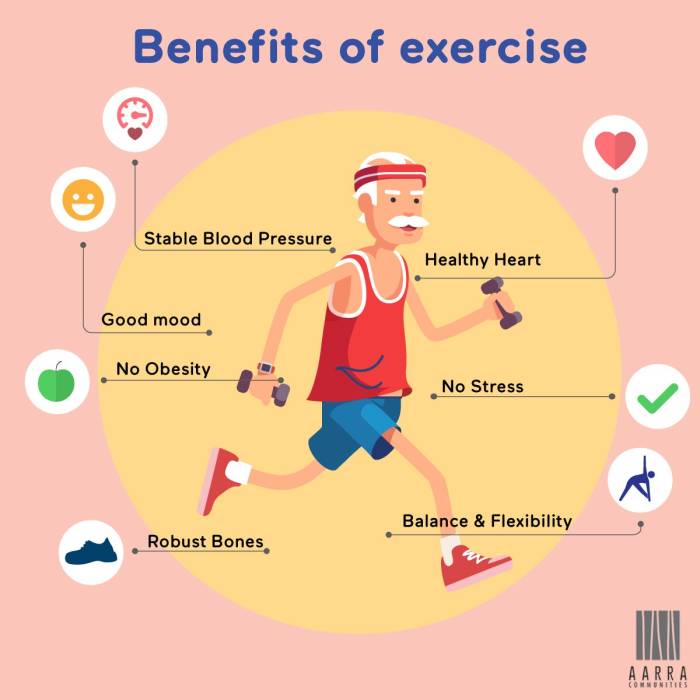
Regular exercise is a key component of maintaining overall health, especially as we age. However, incorporating other healthy habits into our daily routines can further enhance the benefits of exercise and contribute to a better quality of life.
Examples of Healthy Habits
- Eating a balanced diet rich in fruits, vegetables, whole grains, and lean proteins.
- Staying hydrated by drinking an adequate amount of water throughout the day.
- Getting enough sleep to allow the body to rest and recover properly.
- Managing stress through relaxation techniques such as meditation or yoga.
- Engaging in social activities to maintain connections with others and promote mental well-being.
Consistency in these healthy habits is crucial for maximizing the benefits of exercise and promoting overall well-being. By making these habits a regular part of our daily routines, we can support our physical, mental, and emotional health as we age, leading to a more fulfilling and active lifestyle.
Emotional Wellbeing
Regular exercise is not only beneficial for physical health but also plays a crucial role in maintaining emotional wellbeing as we age. Physical activity has been linked to improvements in mood, reduced feelings of anxiety and depression, and overall better mental health.
Impact of Exercise on Mental Health
Physical activity can positively impact mental health in the aging process by releasing endorphins, which are often referred to as “feel-good” hormones. Endorphins are neurotransmitters that act as natural painkillers and mood elevators. When we engage in exercise, our bodies release endorphins, leading to a sense of euphoria and overall well-being. This can help combat feelings of stress, anxiety, and depression commonly experienced in older adults.
- Regular exercise can help reduce symptoms of depression and anxiety.
- Physical activity promotes better sleep quality, which is essential for emotional health.
- Exercise can boost self-esteem and confidence, leading to a more positive outlook on life.
Healthy Aging
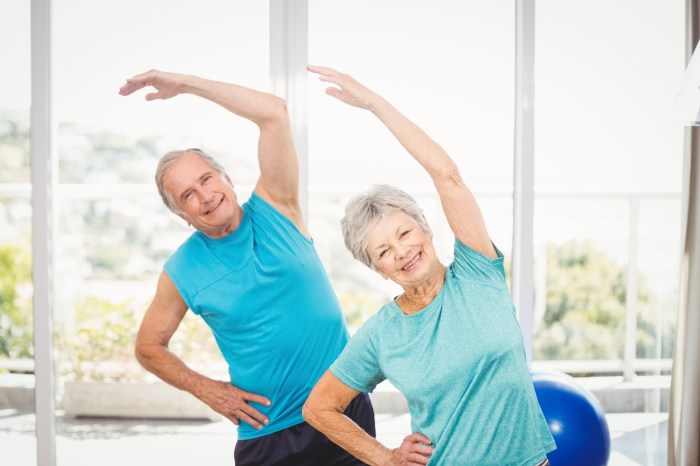
Regular exercise is essential for promoting healthy aging as it helps maintain overall physical health, cognitive function, and emotional wellbeing. Exercise can help older adults stay independent, reduce the risk of chronic diseases, and improve quality of life.
Benefits of Exercise for Aging Individuals
- Strength training exercises, such as lifting weights or using resistance bands, can help maintain muscle mass and bone density, reducing the risk of falls and fractures.
- Aerobic exercises like walking, swimming, or cycling can improve cardiovascular health, endurance, and stamina.
- Flexibility and balance exercises, such as yoga or tai chi, can help prevent falls and maintain mobility.
Impact of Exercise on Cognitive Function and Mobility
Exercise has been shown to have a positive impact on cognitive function in older adults. Regular physical activity can help improve memory, attention, and processing speed, reducing the risk of cognitive decline and dementia. Additionally, exercise can enhance mood, reduce stress, and improve sleep quality, contributing to emotional wellbeing in aging individuals.
In terms of mobility, exercise plays a crucial role in maintaining independence and functional ability as we age. By engaging in regular physical activity, older adults can improve balance, coordination, and flexibility, reducing the risk of mobility limitations and maintaining a high quality of life.
Active Lifestyle
An active lifestyle for older adults involves engaging in regular physical activity, such as walking, swimming, or tai chi, to maintain overall health and well-being. It also includes participating in social activities and hobbies to stay mentally and emotionally stimulated.
Tips for Maintaining an Active Lifestyle
- Start with activities you enjoy: Choose exercises that you find fun and engaging to increase the likelihood of sticking with them.
- Set realistic goals: Establish achievable goals for physical activity and social engagement to track your progress and stay motivated.
- Stay consistent: Make physical activity and social interactions a regular part of your routine to maintain an active lifestyle.
- Find a buddy: Exercise with a friend or join a group to stay motivated and accountable.
- Stay curious: Explore new activities, classes, or hobbies to keep your mind and body active.
Benefits of Staying Active
- Improved physical health: Regular exercise can help maintain muscle strength, flexibility, and cardiovascular health as you age.
- Enhanced mental well-being: Staying active can reduce the risk of depression, anxiety, and cognitive decline in older adults.
- Social engagement: Participating in group activities or classes can help prevent feelings of loneliness and isolation, promoting a sense of community and connection.
- Increased independence: Maintaining an active lifestyle can improve balance, coordination, and overall mobility, reducing the risk of falls and injuries.
- Quality of life: By staying active, older adults can enjoy a higher quality of life, with more energy, vitality, and a positive outlook on aging.
Cardiovascular Health
Regular exercise plays a crucial role in maintaining cardiovascular health, especially as individuals age. Engaging in physical activity helps to strengthen the heart muscle, improve blood circulation, and lower blood pressure, reducing the risk of heart disease and stroke.
Examples of Cardiovascular Exercises for Older Adults
- Walking: A low-impact activity that can be easily incorporated into daily routines.
- Swimming: Gentle on the joints and provides a full-body workout.
- Cycling: Helps improve cardiovascular fitness while being easy on the knees.
- Dancing: Fun and social way to get the heart pumping and improve circulation.
Impact of Regular Exercise on Reducing Risk of Heart Disease and Stroke
Regular physical activity helps to reduce the risk factors associated with heart disease and stroke, such as high cholesterol, high blood pressure, and obesity. By maintaining a healthy weight, improving circulation, and strengthening the heart, older adults can significantly lower their chances of developing cardiovascular issues. It is essential to consult with a healthcare professional before starting any new exercise regimen, especially for individuals with pre-existing conditions.
Healthy Recipes
Importance of exercise for healthy aging – When it comes to healthy aging, a balanced diet plays a crucial role in conjunction with regular exercise. Nutritious recipes can complement your workout routine and contribute to overall well-being. Here, we will explore the importance of incorporating healthy recipes into your daily meals and provide tips on meal planning for older adults.
Nutritious Breakfast Ideas
Starting your day with a nutritious breakfast sets the tone for healthy eating throughout the day. Consider options like:
- Egg white omelette with vegetables
- Greek yogurt with mixed berries and nuts
- Oatmeal topped with sliced bananas and chia seeds
Wholesome Lunch and Dinner Options
For lunch and dinner, focus on incorporating lean protein, whole grains, and plenty of vegetables. Some ideas include:
- Baked salmon with quinoa and roasted vegetables
- Grilled chicken salad with avocado and a light vinaigrette dressing
- Vegetable stir-fry with tofu and brown rice
Smart Snack Choices
Snacking can be a part of a healthy diet when you choose nutrient-dense options. Consider snacks like:
- Raw veggies with hummus
- Handful of almonds or walnuts
- Apple slices with almond butter
Meal Planning Tips for Older Adults
Planning your meals in advance can help you make healthier choices and avoid impulsive eating. Some tips for meal planning include:
- Include a variety of colorful fruits and vegetables in your meals.
- Opt for whole grains like brown rice, quinoa, or whole wheat pasta.
- Limit processed foods and opt for fresh, whole ingredients.
- Stay hydrated by drinking plenty of water throughout the day.
Mental Resilience
Regular exercise plays a crucial role in building mental resilience in older adults. It not only helps in improving cognitive function but also enhances emotional well-being, which are key components of mental resilience.
Benefits of Exercise for Mental Resilience
- Exercise stimulates the release of endorphins, which are known as “feel-good” hormones, reducing stress and anxiety levels.
- Physical activity promotes better sleep patterns, leading to improved mood and cognitive function.
- Regular exercise can enhance memory and concentration, contributing to better problem-solving skills and decision-making abilities.
Examples of Mental Exercises
- Engaging in puzzles, crosswords, or brain games to keep the mind sharp and alert.
- Practicing mindfulness and meditation to reduce negative thinking patterns and increase resilience to stress.
- Participating in social activities and staying connected with friends and family to build a support system and boost mental well-being.
Connection Between Physical and Mental Health
Regular physical activity not only improves physical health but also has a significant impact on mental well-being. The connection between physical and mental health in maintaining resilience with age is undeniable. A healthy body leads to a healthy mind, and vice versa. By staying active and engaging in regular exercise, older adults can enhance their mental resilience, cope better with challenges, and maintain a positive outlook on life.
Immune Support
Regular exercise plays a crucial role in boosting the immune system of aging individuals. By engaging in physical activity, older adults can enhance their body’s ability to fight off infections and illnesses, ultimately leading to better overall health and well-being.
Benefits of Exercise for Immune Health
Regular physical activity has been shown to improve immune function by increasing the circulation of white blood cells, which are responsible for fighting off pathogens and infections. Exercise also helps reduce inflammation in the body, which can contribute to a stronger immune response. Additionally, staying active can enhance the production of antibodies and T-cells, further enhancing the body’s ability to defend against harmful invaders.
- Examples of Exercises for Immune Health:
– Aerobic exercises like walking, jogging, or cycling can help improve cardiovascular health and boost overall immune function.
– Strength training exercises, such as weightlifting or bodyweight exercises, can help maintain muscle mass and strength, which is important for overall immune health.
– Yoga and tai chi can help reduce stress levels, which can have a positive impact on immune function.
Reducing Risk of Infections and Illnesses
Regular exercise can significantly reduce the risk of infections and illnesses in older adults by improving overall immune function. By maintaining an active lifestyle, individuals can lower their chances of developing chronic conditions that weaken the immune system, such as heart disease, diabetes, and obesity. Furthermore, exercise can help older adults recover more quickly from illnesses and infections, allowing them to maintain their independence and quality of life as they age.
Stress Relief
Regular exercise plays a crucial role in stress reduction and management, especially as we age. Physical activity has been shown to lower cortisol levels, the hormone responsible for stress, and increase endorphins, the brain’s feel-good neurotransmitters. This combination helps combat stress and improve overall mental wellbeing.
Techniques and Strategies for Stress Relief
- Engage in aerobic exercises like walking, swimming, or cycling, as they have been proven to reduce anxiety and stress levels.
- Practice mindfulness and meditation to calm the mind and promote relaxation. Even short sessions can have a significant impact on stress levels.
- Incorporate strength training exercises to release tension in the body and improve mood through the release of endorphins.
- Join group exercise classes or activities to socialize and build a support system, which can help alleviate stress through shared experiences.
Importance of Relaxation Exercises
While physical activity is essential for stress relief, incorporating relaxation exercises is equally important. Techniques like deep breathing, progressive muscle relaxation, and yoga can help reduce muscle tension, lower blood pressure, and promote a sense of calmness. By combining these relaxation practices with regular exercise, individuals can effectively manage stress and improve their overall quality of life.
Nutritional Balance: Importance Of Exercise For Healthy Aging
Maintaining a balanced diet is crucial for healthy aging, especially when combined with regular exercise. Proper nutrition provides essential nutrients that support overall well-being and longevity in older adults. The synergy between nutrition and exercise plays a vital role in promoting healthy aging and ensuring a high quality of life.
Nutrient-rich Foods for an Active Lifestyle, Importance of exercise for healthy aging
Eating a variety of nutrient-rich foods is important for older adults to support an active lifestyle. Some examples include:
- Leafy green vegetables like spinach and kale, which are rich in vitamins and minerals that support muscle function and bone health.
- Fatty fish such as salmon and mackerel, which are high in omega-3 fatty acids that help reduce inflammation and support heart health.
- Whole grains like quinoa and brown rice, which provide sustained energy for physical activity and fiber for digestive health.
- Lean proteins like chicken, tofu, and legumes, which support muscle maintenance and repair.
- Fruits and berries, which are packed with antioxidants that help protect cells from damage and boost immune function.
Synergy between Nutrition and Exercise
Nutrition and exercise work hand in hand to promote overall well-being and longevity. A balanced diet provides the necessary nutrients to fuel physical activity, repair tissues, and maintain organ function. Regular exercise helps improve nutrient absorption, metabolism, and circulation, enhancing the benefits of a healthy diet. Together, nutrition and exercise support healthy aging by reducing the risk of chronic diseases, maintaining cognitive function, and preserving mobility in older adults.
Questions Often Asked
How often should older adults exercise?
Older adults should aim for at least 150 minutes of moderate-intensity aerobic activity per week, along with muscle-strengthening exercises on two or more days a week.
What are some low-impact exercises suitable for aging individuals?
Walking, swimming, tai chi, and yoga are excellent low-impact exercises that are gentle on the joints and beneficial for older adults.
Can exercise help with cognitive function in older adults?
Absolutely. Regular physical activity has been shown to improve cognitive function, memory, and overall brain health in older adults.