Boost Your Immunity: Top Supplements for Health

Top supplements for enhancing immune support and overall health

Top supplements for enhancing immune support and overall health are a hot topic, and for good reason! Our immune system is our body’s natural defense against illness, and supporting it is crucial for overall well-being. This guide explores the top supplements that can help boost your immune system, along with nutritional strategies, lifestyle habits, and holistic practices to enhance your overall health.

From vitamins and minerals to adaptogenic herbs and probiotics, we’ll delve into the science behind these powerful compounds and how they can work synergistically to support your body’s natural defenses. We’ll also address the importance of a balanced diet, stress management, and regular exercise in building a robust immune system.

This comprehensive guide will provide you with the tools and knowledge to take control of your health and create a foundation for a stronger, more resilient you.

Immune Support Essentials

A robust immune system is crucial for overall health and well-being. It acts as the body’s defense mechanism, protecting against harmful invaders like bacteria, viruses, and parasites. A strong immune system can help prevent illness, shorten the duration of infections, and promote faster recovery.

Top Immune-Boosting Supplements

Here are five supplements known for their immune-boosting properties:

  • Vitamin C: A powerful antioxidant that supports immune cell function and helps protect against oxidative stress. Studies have shown that vitamin C supplementation may reduce the duration and severity of colds.
  • Zinc: Essential for immune cell development and function. It plays a vital role in wound healing and inflammatory responses. Zinc deficiency can weaken the immune system, making individuals more susceptible to infections.
  • Elderberry: Contains antioxidants and anti-inflammatory compounds that may help fight off viruses and reduce the severity of cold symptoms. Research suggests that elderberry can shorten the duration of colds and flu.
  • Echinacea: A plant-based supplement known for its immune-boosting properties. It may help stimulate the immune system and fight off infections. Studies have shown that echinacea can reduce the duration and severity of colds.
  • Probiotics: Beneficial bacteria that live in the gut and contribute to a healthy immune system. Probiotics can help balance gut flora, reduce inflammation, and enhance immune responses.

Comparison of Immune-Boosting Supplements

The effectiveness of different immune-boosting supplements can vary depending on individual factors, such as age, health status, and lifestyle. Some supplements may be more effective for specific conditions or populations. For example, vitamin C may be more beneficial for preventing colds, while zinc may be more helpful for managing respiratory infections.

Incorporating Supplements into a Daily Routine, Top supplements for enhancing immune support and overall health

To maximize the benefits of immune-boosting supplements, it’s important to incorporate them into a healthy lifestyle that includes:

  • A balanced diet: Focus on consuming a variety of fruits, vegetables, whole grains, and lean proteins. These foods provide essential nutrients that support immune function.
  • Regular exercise: Physical activity can boost the immune system and reduce inflammation. Aim for at least 30 minutes of moderate-intensity exercise most days of the week.
  • Adequate sleep: Sleep is crucial for immune function. Aim for 7-8 hours of quality sleep each night.
  • Stress management: Chronic stress can weaken the immune system. Practice stress-reducing techniques like yoga, meditation, or deep breathing exercises.
  • Proper hygiene: Wash your hands frequently, avoid close contact with sick individuals, and get vaccinated against preventable diseases.

Nutritional Powerhouses

Your diet plays a crucial role in bolstering your immune system and overall health. Consuming a balanced diet rich in essential nutrients is a fundamental strategy for strengthening your body’s natural defenses.

Essential Nutrients for Immune Support

A variety of vitamins, minerals, and antioxidants are vital for a robust immune system. These nutrients work together to support various immune functions, from cell growth and repair to the production of antibodies and immune cells.

  • Vitamin C: A potent antioxidant that supports immune cell function and helps protect against oxidative stress. It is found in citrus fruits, berries, bell peppers, and broccoli.
  • Vitamin D: Essential for immune cell development and function. It can be obtained through sunlight exposure and certain foods like fatty fish, eggs, and fortified milk.
  • Vitamin E: An antioxidant that helps protect cells from damage and supports immune function. It is found in nuts, seeds, vegetable oils, and leafy green vegetables.
  • Zinc: Plays a vital role in immune cell development and function. It is found in oysters, red meat, poultry, beans, and nuts.
  • Selenium: An antioxidant that supports immune function and protects against inflammation. It is found in Brazil nuts, tuna, eggs, and whole grains.

Benefits of a Balanced Diet

A diet rich in vitamins, minerals, and antioxidants offers numerous benefits for your immune system and overall health:

  • Reduced Risk of Infections: A balanced diet provides the essential nutrients needed to support immune function, making you less susceptible to infections.
  • Enhanced Wound Healing: Nutrients like vitamin C and zinc are crucial for tissue repair and wound healing, promoting faster recovery from injuries.
  • Improved Gut Health: A healthy gut microbiome is essential for immune function. Consuming fiber-rich foods promotes the growth of beneficial bacteria in the gut.
  • Reduced Inflammation: Antioxidants in a balanced diet help combat oxidative stress and inflammation, which can weaken the immune system.
  • Increased Energy Levels: A balanced diet provides the energy your body needs to function optimally, enhancing your overall well-being.

Sample Meal Plan

Here’s a sample meal plan that incorporates immune-boosting foods:

  • Breakfast: Oatmeal with berries, nuts, and a sprinkle of chia seeds.
  • Lunch: Salmon salad with mixed greens, avocado, and a lemon vinaigrette.
  • Dinner: Chicken stir-fry with broccoli, carrots, and bell peppers.
  • Snacks: Fruits like oranges, kiwi, and strawberries, or a handful of almonds.

Healthy Recipes

  • Citrus Salad with Honey-Lime Dressing: This vibrant salad combines the tangy flavors of citrus fruits with the sweetness of honey and lime.
  • Ginger-Garlic Chicken Soup: A comforting and flavorful soup packed with immune-boosting ingredients like ginger and garlic.
  • Broccoli and Chickpea Curry: A delicious and nutritious curry that features broccoli, chickpeas, and a blend of spices.
  • Blueberry Smoothie: A refreshing and healthy smoothie made with blueberries, spinach, and banana.
  • Roasted Sweet Potato with Toasted Walnuts: A simple and satisfying side dish that provides a good source of vitamin A and healthy fats.

Lifestyle Habits for Wellness

In addition to a well-rounded supplement regimen, adopting healthy lifestyle habits plays a crucial role in bolstering your immune system and overall well-being. These habits act as a foundation for a robust immune response and contribute to a resilient and thriving body.

Stress Management

Chronic stress can significantly weaken the immune system, making you more susceptible to infections and illnesses. When you’re stressed, your body releases hormones like cortisol, which can suppress immune function and increase inflammation.

To effectively manage stress, incorporating relaxation techniques and mindfulness practices into your daily routine is essential.

  • Deep Breathing Exercises:Practicing deep, slow breaths can help calm your nervous system and reduce stress hormones. Aim for 5-10 minutes of deep breathing exercises daily.
  • Meditation:Mindfulness meditation involves focusing on the present moment without judgment, which can help reduce stress and anxiety. Start with guided meditations and gradually progress to independent practice.
  • Yoga and Tai Chi:These practices combine physical postures, breathing techniques, and meditation, promoting relaxation and stress reduction. Regular yoga or Tai Chi sessions can enhance your overall well-being.
  • Spending Time in Nature:Immerse yourself in the tranquility of nature, whether it’s a walk in the park, a hike in the woods, or simply sitting by a lake. The natural environment has a calming effect on the mind and body.

Regular Exercise

Regular physical activity is a powerful tool for boosting your immune system and promoting overall health. Exercise helps improve circulation, reduce inflammation, and enhance the production of immune cells.

Aim for at least 30 minutes of moderate-intensity exercise most days of the week. This could include brisk walking, jogging, cycling, swimming, or dancing.

Consistent Sleep

Getting enough quality sleep is crucial for a healthy immune system. During sleep, your body repairs and regenerates, producing essential immune cells and proteins.

Establish a consistent sleep routine, aiming for 7-8 hours of sleep per night.

  • Create a Relaxing Bedtime Routine:Wind down an hour or two before bed by taking a warm bath, reading a book, or listening to calming music.
  • Avoid Caffeine and Alcohol Before Bed:These substances can interfere with sleep quality.
  • Make Your Bedroom a Sleep Sanctuary:Keep your bedroom dark, quiet, and cool for optimal sleep.

Holistic Health Practices

Holistic health practices go beyond just focusing on physical health; they encompass the mind, body, and spirit, recognizing that these elements are interconnected and influence overall well-being. Integrating practices like yoga, meditation, and mindfulness into your routine can significantly enhance your immune system and overall health.

Benefits of Holistic Practices

Holistic practices, such as yoga, meditation, and mindfulness, offer a multitude of benefits that extend beyond physical health. These practices have a profound impact on mental clarity, emotional well-being, and immune resilience.

  • Stress Reduction:Chronic stress weakens the immune system, making individuals more susceptible to illness. Yoga and meditation have been scientifically proven to reduce stress levels by calming the nervous system and promoting relaxation. Regular practice helps to lower cortisol, the stress hormone, and promotes the release of endorphins, which have mood-boosting effects.

  • Improved Sleep Quality:Sleep deprivation weakens the immune system and increases the risk of chronic diseases. Yoga and meditation promote relaxation and improve sleep quality by reducing anxiety and promoting a sense of calm. Deep breathing exercises practiced in yoga and meditation slow down the heart rate and induce a state of relaxation, making it easier to fall asleep and stay asleep.

  • Enhanced Immune Function:Studies have shown that yoga and meditation can enhance immune function by increasing the production of antibodies and natural killer cells, which are crucial for fighting infections. These practices also help to regulate the immune system and reduce inflammation, contributing to overall health and disease prevention.

  • Increased Mindfulness:Mindfulness, a key component of meditation, involves focusing on the present moment without judgment. It helps to cultivate self-awareness and reduce stress by redirecting attention away from negative thoughts and emotions. Mindfulness also promotes emotional regulation, enabling individuals to respond to challenges with greater composure and resilience.

Simple Yoga Poses for Relaxation

Yoga poses, or asanas, are designed to improve flexibility, strength, and balance while promoting relaxation and stress reduction. Here are a few simple yoga poses that can be incorporated into a daily routine:

  • Child’s Pose:This gentle pose is a great way to relieve stress and calm the mind. Kneel on the floor with your big toes touching and sit back on your heels. Fold forward, resting your forehead on the floor and extending your arms in front of you.

    Hold this pose for 5-10 breaths.

  • Downward-Facing Dog:This pose stretches the entire body, improves circulation, and calms the mind. Start on your hands and knees, with your hands shoulder-width apart and your knees hip-width apart. Curl your toes under and lift your hips up and back, forming an inverted V shape.

    Hold this pose for 5-10 breaths.

  • Supported Child’s Pose:This variation of Child’s Pose is even more relaxing and can be practiced with a pillow or blanket for added support. Place a pillow or blanket on your thighs and rest your forehead on the support. Extend your arms forward and relax your entire body.

    Hold this pose for 5-10 breaths.

Guided Meditation Techniques

Meditation involves focusing your attention on a single point, such as your breath or a mantra, to calm the mind and promote relaxation. Guided meditations provide a structured approach to meditation, guiding you through the process with specific instructions and visualizations.

  • Body Scan Meditation:This technique involves bringing your attention to different parts of your body, starting with your toes and moving upwards. As you focus on each body part, notice any sensations, such as warmth, tingling, or pressure. This practice helps to increase body awareness and promote relaxation.

  • Mindful Breathing Meditation:This simple technique involves focusing on your breath as it enters and exits your body. Notice the rise and fall of your chest and abdomen as you inhale and exhale. If your mind wanders, gently bring your attention back to your breath.

    This practice helps to calm the mind and promote a sense of peace.

  • Loving-Kindness Meditation:This practice involves sending loving-kindness to yourself and others. Start by repeating phrases such as “May I be well” or “May I be happy.” Then, extend these feelings to others, including loved ones, strangers, and even those you may find difficult to love.

    This practice cultivates compassion and reduces negativity.

Maintaining Optimal Health

Top supplements for enhancing immune support and overall health

Maintaining optimal health is a lifelong journey that involves proactive steps to prevent illness and promote overall well-being. A strong immune system is essential for fighting off infections and maintaining good health. However, various factors can compromise immune function, making it crucial to understand and address potential health concerns.

Common Health Concerns and Their Impact on the Immune System

Certain health conditions can directly affect the immune system, increasing susceptibility to infections and chronic diseases.

  • Chronic Stress:Prolonged stress can suppress immune function, making the body more vulnerable to infections and exacerbating existing conditions.
  • Sleep Deprivation:Inadequate sleep disrupts the body’s natural immune response, impairing the ability to fight off infections.
  • Nutritional Deficiencies:A lack of essential vitamins, minerals, and antioxidants can weaken the immune system, making it less effective at protecting against pathogens.
  • Autoimmune Disorders:Conditions like rheumatoid arthritis and lupus involve the immune system attacking healthy tissues, leading to inflammation and damage.
  • Chronic Infections:Persistent infections, such as HIV or hepatitis C, can weaken the immune system and increase the risk of other infections.

Preventive Measures for Reducing the Risk of Chronic Diseases

Adopting a healthy lifestyle can significantly reduce the risk of developing chronic diseases, including heart disease, stroke, type 2 diabetes, and certain types of cancer.

  • Maintain a Healthy Weight:Obesity is a major risk factor for chronic diseases. Losing even a small amount of weight can have a positive impact on health.
  • Eat a Balanced Diet:Focus on consuming fruits, vegetables, whole grains, and lean protein. Limit processed foods, sugary drinks, and saturated and trans fats.
  • Engage in Regular Physical Activity:Aim for at least 30 minutes of moderate-intensity exercise most days of the week. Physical activity improves cardiovascular health, strengthens the immune system, and reduces stress.
  • Avoid Smoking and Excessive Alcohol Consumption:Smoking and excessive alcohol use damage the body’s organs and increase the risk of chronic diseases.
  • Manage Stress:Find healthy ways to manage stress, such as exercise, yoga, meditation, or spending time in nature.

Importance of Regular Health Screenings and Early Detection

Regular health screenings can detect potential health problems early, when they are often easier to treat.

  • Blood Pressure and Cholesterol Checks:Regular checks can help identify high blood pressure and cholesterol levels, which are risk factors for heart disease and stroke.
  • Cancer Screenings:Screenings for breast, cervical, colorectal, and prostate cancer can help detect these diseases early, when treatment is often more effective.
  • Diabetes Screenings:Regular blood sugar tests can help diagnose diabetes, a condition that can damage organs and increase the risk of other health problems.

Role of Medical Innovations in Improving Health Outcomes

Advancements in medical technology and research have led to significant improvements in health outcomes.

  • New Treatments and Medications:Medical innovations have led to the development of new treatments and medications for a wide range of diseases, including cancer, heart disease, and infections.
  • Personalized Medicine:Advancements in genetics and genomics are enabling personalized medicine, tailoring treatments to individual patients based on their unique genetic makeup.
  • Early Detection Technologies:New imaging technologies and diagnostic tests are helping to detect diseases earlier, when they are often easier to treat.

End of Discussion

By incorporating these top supplements, nutritional powerhouses, lifestyle habits, and holistic practices into your daily routine, you can empower your body to thrive. Remember, building a strong immune system is a journey, not a destination. Embrace these strategies and make them a part of your lifestyle for long-term health and well-being.

Stay informed, stay healthy, and live your best life!

Key Questions Answered: Top Supplements For Enhancing Immune Support And Overall Health

What are the best supplements for boosting immunity?

The top supplements for boosting immunity include vitamin C, vitamin D, zinc, elderberry, and probiotics. Each of these supplements plays a unique role in supporting the immune system.

How do I know if I have a vitamin deficiency?

It’s best to consult with a healthcare professional for personalized advice. They can assess your individual needs and recommend appropriate testing if necessary.

Are there any risks associated with taking supplements?

While supplements can be beneficial, it’s crucial to take them as directed and to consult with a healthcare professional before starting any new supplement regimen. Some supplements can interact with medications or have potential side effects.

Top Benefits of an Active Lifestyle for Mental Health

Top benefits of an active lifestyle for mental health and well-being

Top benefits of an active lifestyle for mental health and well-being take center stage as we delve into the profound impact of physical activity on our minds. Moving our bodies not only strengthens our physical health but also unlocks a wealth of mental and emotional benefits, transforming our overall well-being.

Regular exercise has been shown to significantly reduce stress, improve cognitive function, boost mood, and enhance resilience. Whether it’s a brisk walk, a challenging workout, or simply incorporating movement into our daily routines, the positive effects of physical activity are undeniable.

Stress Management

An active lifestyle can be a powerful tool for stress reduction, offering a multifaceted approach to managing the pressures of daily life. Engaging in regular physical activity triggers a cascade of physiological and psychological benefits that contribute to a calmer and more resilient state of mind.

The Physiological Impact of Exercise on Stress

Exercise acts as a natural stress reliever by influencing the body’s stress response system, known as the hypothalamic-pituitary-adrenal (HPA) axis. During stressful situations, the HPA axis releases hormones like cortisol, which can lead to elevated heart rate, increased blood pressure, and heightened alertness.

Regular exercise, however, helps regulate the HPA axis, promoting a more balanced hormonal response to stressors.

Exercise helps regulate the HPA axis, promoting a more balanced hormonal response to stressors.

Types of Physical Activities for Stress Relief

A wide range of physical activities can effectively alleviate stress, catering to different preferences and fitness levels.

  • Aerobic exercise:Activities like brisk walking, jogging, swimming, and cycling elevate heart rate and improve cardiovascular health. These activities release endorphins, natural mood boosters that counteract stress hormones.
  • Strength training:Activities like weightlifting, resistance bands, and bodyweight exercises build muscle mass and improve bone density. Strength training helps release endorphins and reduces feelings of anxiety.
  • Yoga and Pilates:These mind-body practices combine physical postures with deep breathing techniques. Yoga and Pilates promote relaxation, improve flexibility, and reduce muscle tension, which are common symptoms of stress.
  • Mindful movement:Activities like tai chi and qigong emphasize slow, deliberate movements and deep breathing, promoting mindfulness and reducing stress.

Exercise and Mood Regulation

Beyond its physiological effects, exercise also plays a significant role in promoting relaxation and improving mood. Regular physical activity helps regulate neurotransmitters, such as serotonin and dopamine, which are crucial for mood stability and emotional well-being. By increasing the availability of these neurotransmitters, exercise can help alleviate feelings of anxiety, depression, and irritability, fostering a sense of calmness and contentment.

Regular physical activity helps regulate neurotransmitters, such as serotonin and dopamine, which are crucial for mood stability and emotional well-being.

Mental Clarity and Focus

A sharp mind is a powerful tool, and an active lifestyle can help you unlock its full potential. Physical activity has a remarkable ability to enhance cognitive function, boosting mental clarity and focus.

Benefits of Exercise for Cognitive Function

Regular exercise has been shown to improve various aspects of cognitive function, including memory, attention, and decision-making abilities.

  • Enhanced Memory:Exercise improves blood flow to the brain, which delivers oxygen and nutrients vital for brain health. This increased blood flow can support the growth of new brain cells, particularly in areas associated with memory, such as the hippocampus.

    Research suggests that regular exercise can enhance both short-term and long-term memory, making it easier to recall information and learn new things.

  • Improved Attention:Exercise can improve attention span and focus by increasing the production of neurotransmitters like dopamine and norepinephrine, which play a crucial role in regulating attention and alertness. Studies have found that individuals who engage in regular physical activity tend to exhibit better attention, concentration, and task performance.

  • Enhanced Decision-Making:Exercise can improve executive function, which involves the ability to plan, organize, and make decisions. By stimulating the prefrontal cortex, the part of the brain responsible for executive function, exercise can enhance our ability to make sound judgments and solve problems effectively.

Exercise Routine for Mental Alertness and Focus

Here is a short exercise routine you can incorporate into your daily schedule to promote mental alertness and focus:

  1. Warm-up:Begin with 5 minutes of light cardio, such as walking or jogging in place. This will help increase blood flow to your muscles and prepare your body for exercise.
  2. Cardio:Engage in 15-20 minutes of moderate-intensity cardio, such as brisk walking, cycling, or swimming. This will elevate your heart rate and improve oxygen delivery to your brain.
  3. Strength Training:Perform 10-15 repetitions of 3-4 strength training exercises, such as squats, push-ups, or lunges. This will challenge your muscles and enhance brain function.
  4. Cool-down:Finish with 5 minutes of stretching to help your muscles recover and improve flexibility.

Emotional Wellbeing

Regular physical activity is a powerful tool for enhancing emotional well-being. It can help regulate emotions, stabilize moods, and reduce the impact of stress.

Impact of Exercise on Emotional Regulation

Exercise plays a crucial role in emotional regulation by triggering the release of endorphins, neurotransmitters that have mood-boosting effects. These endorphins act as natural painkillers and mood elevators, promoting feelings of happiness and well-being. Furthermore, physical activity helps to reduce the production of stress hormones like cortisol, which can contribute to feelings of anxiety, irritability, and depression.

Different Types of Exercise and Their Emotional Effects

Different types of exercise can have varying effects on emotions.

  • High-intensity workouts, such as running, interval training, or CrossFit, can be particularly effective in releasing endorphins and reducing stress. They can provide a sense of accomplishment and boost self-esteem.
  • Low-impact activities, like yoga, swimming, or walking, can offer a gentler approach to exercise. These activities are often associated with relaxation, mindfulness, and stress reduction.

Exercise and Mood Disorders

Regular exercise can be a valuable tool for managing anxiety, depression, and other mood disorders.

  • Anxiety: Exercise can help to reduce anxiety symptoms by releasing endorphins, calming the nervous system, and improving sleep quality. It can also provide a distraction from anxious thoughts and promote a sense of control.
  • Depression: Studies have shown that exercise can be as effective as medication in treating mild to moderate depression. Physical activity can boost serotonin and dopamine levels, which are neurotransmitters linked to mood regulation. It can also improve sleep, reduce fatigue, and increase energy levels.

Mental Resilience

An active lifestyle plays a pivotal role in building mental resilience, equipping individuals with the strength to navigate life’s challenges and emerge stronger. Regular physical activity enhances the ability to cope with adversity, fostering a sense of control and promoting a positive mindset.

The Role of Exercise in Building Mental Resilience

Exercise has a profound impact on mental resilience by influencing various aspects of our well-being. It triggers the release of endorphins, natural mood boosters that combat stress and anxiety, leaving you feeling energized and optimistic. Regular physical activity also improves sleep quality, reducing fatigue and enhancing cognitive function.

  • Improved Self-Esteem and Confidence:Exercise can boost self-esteem and confidence by helping individuals achieve personal fitness goals. The sense of accomplishment derived from pushing personal limits and witnessing tangible progress contributes to a more positive self-image. This newfound confidence can spill over into other areas of life, enhancing resilience in the face of challenges.

  • Stress Reduction and Anxiety Management:Exercise acts as a natural stress reliever. Engaging in physical activity helps to release pent-up energy and tension, promoting relaxation and reducing anxiety levels. This can be particularly beneficial during stressful periods, allowing individuals to better manage their emotions and cope with demanding situations.

  • Increased Cognitive Function and Focus:Regular exercise improves blood flow to the brain, enhancing cognitive function, memory, and focus. This can be particularly helpful in navigating challenging situations, as a sharp mind is better equipped to analyze problems and formulate solutions. By improving mental clarity, exercise empowers individuals to make informed decisions and approach obstacles with a clear head.

  • Improved Sleep Quality:Exercise can promote better sleep quality, reducing fatigue and enhancing mental resilience. Regular physical activity can help regulate the body’s natural sleep-wake cycle, making it easier to fall asleep and stay asleep throughout the night. Adequate sleep is crucial for mental well-being, allowing the body and mind to rest and recharge, preparing individuals to face the next day with renewed energy and resilience.

Sleep Hygiene: Top Benefits Of An Active Lifestyle For Mental Health And Well-being

Regular physical activity plays a crucial role in promoting good sleep hygiene, leading to improved sleep quality and duration. Engaging in physical activity helps regulate the body’s natural sleep-wake cycle, making it easier to fall asleep and stay asleep throughout the night.

The Relationship Between Exercise and Sleep

Physical activity influences the body’s natural sleep-wake cycle, known as the circadian rhythm. Exercise can help reset this rhythm, promoting a more regular sleep pattern. When you exercise, your body temperature rises, and then gradually decreases as you cool down.

This temperature fluctuation mimics the natural cycle of the body, making it easier to fall asleep at night.

Incorporating Physical Activity for Better Sleep

Here are some recommendations for incorporating physical activity into your daily routine to improve your sleep habits:

  • Engage in moderate-intensity exercise for at least 30 minutes most days of the week. This could include brisk walking, jogging, swimming, cycling, or dancing.
  • Avoid exercising too close to bedtime, as it can make it harder to fall asleep. Aim to finish your workout at least 3 hours before going to bed.
  • Consider incorporating yoga or other forms of gentle exercise into your evening routine. These activities can help calm your mind and body, preparing you for a restful night’s sleep.

Healthy Aging

An active lifestyle is not just about maintaining physical fitness; it plays a crucial role in promoting healthy aging, both physically and mentally. Engaging in regular physical activity can help prevent age-related decline in muscle mass, bone density, and cognitive function, leading to a more vibrant and independent later life.

Benefits of Exercise for Healthy Aging

Regular exercise offers numerous benefits for healthy aging. Here’s how it contributes to maintaining physical and cognitive health as we age:

  • Preserves Muscle Mass and Strength:As we age, we naturally lose muscle mass, a process called sarcopenia. Regular exercise, especially resistance training, helps slow down this process by stimulating muscle protein synthesis, leading to increased muscle mass and strength. Maintaining muscle mass is crucial for mobility, balance, and overall functional independence.

  • Improves Bone Density:Weight-bearing exercises, such as walking, running, and weightlifting, put stress on bones, stimulating bone growth and increasing bone density. This helps prevent osteoporosis, a condition characterized by weak and brittle bones, reducing the risk of fractures.
  • Enhances Cardiovascular Health:Regular exercise strengthens the heart and improves blood circulation, reducing the risk of heart disease, stroke, and other cardiovascular problems. It also helps regulate blood pressure and cholesterol levels, contributing to overall cardiovascular health.
  • Boosts Cognitive Function:Exercise has been shown to improve cognitive function, including memory, attention, and processing speed, even in older adults. It increases blood flow to the brain, stimulates the growth of new brain cells, and improves communication between brain cells.

Examples of Age-Appropriate Physical Activities

There are various age-appropriate physical activities that can be enjoyed throughout life to promote healthy aging. Here are a few examples:

  • Walking:Walking is a low-impact exercise that is suitable for people of all ages and fitness levels. It helps improve cardiovascular health, strengthens bones, and improves balance.
  • Swimming:Swimming is another excellent low-impact exercise that is easy on the joints. It provides a full-body workout, improving cardiovascular health, muscle strength, and flexibility.
  • Yoga:Yoga combines physical postures, breathing exercises, and meditation, offering numerous benefits for physical and mental health. It improves flexibility, balance, and strength, while also reducing stress and promoting relaxation.
  • Tai Chi:Tai Chi is a gentle form of exercise that involves slow, flowing movements and deep breathing. It improves balance, coordination, and flexibility, while also promoting relaxation and stress reduction.
  • Dancing:Dancing is a fun and engaging way to get exercise. It improves cardiovascular health, coordination, and balance, while also boosting mood and reducing stress.

Cardiovascular Health

A healthy heart is crucial for overall well-being, and an active lifestyle plays a vital role in maintaining cardiovascular health. Regular physical activity strengthens the heart muscle, improves blood flow, and reduces the risk of heart disease.

Impact of Exercise on Cardiovascular Health

Exercise has a profound impact on various aspects of cardiovascular health, including blood pressure, cholesterol levels, and overall heart function.

Blood Pressure

Regular physical activity can help lower both systolic and diastolic blood pressure. Aerobic exercise, in particular, has been shown to be effective in reducing blood pressure. The American Heart Association recommends at least 30 minutes of moderate-intensity aerobic exercise most days of the week for healthy adults.

Cholesterol Levels

Exercise can help improve cholesterol levels by increasing the levels of high-density lipoprotein (HDL), which is considered “good” cholesterol, and reducing the levels of low-density lipoprotein (LDL), which is considered “bad” cholesterol. Strength training can also be beneficial for improving cholesterol levels.

Overall Cardiovascular Health

Exercise strengthens the heart muscle, making it more efficient at pumping blood throughout the body. It also improves blood flow, which helps deliver oxygen and nutrients to the tissues and organs. Regular physical activity reduces the risk of developing heart disease, stroke, and other cardiovascular problems.

Cardiovascular Benefits of Different Exercise Types

Different types of exercise offer varying benefits for cardiovascular health. The following table summarizes the key benefits of aerobic exercise, strength training, and high-intensity interval training (HIIT).

Exercise Type Benefits for Cardiovascular Health
Aerobic Exercise
  • Improves heart function and strengthens heart muscle
  • Lowers blood pressure
  • Increases HDL (“good”) cholesterol and reduces LDL (“bad”) cholesterol
  • Improves blood flow
  • Reduces the risk of heart disease, stroke, and other cardiovascular problems
Strength Training
  • Increases muscle mass, which helps improve metabolism and burn calories
  • Improves blood sugar control
  • Strengthens bones and reduces the risk of osteoporosis
  • Can help lower blood pressure
  • Improves cholesterol levels
High-Intensity Interval Training (HIIT)
  • Burns more calories in a shorter amount of time than traditional aerobic exercise
  • Improves cardiovascular fitness and endurance
  • Can help lower blood pressure and improve cholesterol levels
  • May improve insulin sensitivity

Immune Support

An active lifestyle plays a crucial role in bolstering your immune system, making you less susceptible to infections and illnesses. Regular exercise stimulates your body’s defense mechanisms, enhancing its ability to fight off invaders.

Exercise and White Blood Cell Production

Exercise triggers the production of white blood cells, the body’s primary defense against infections. These cells are essential for identifying and destroying pathogens like bacteria, viruses, and parasites. During physical activity, your body releases stress hormones that stimulate the production of white blood cells, leading to a stronger immune response.

“Regular exercise can boost your immune system by increasing the production of white blood cells, which are essential for fighting off infections.”

Recommendations for Incorporating Physical Activity into a Daily Routine

To reap the immune-boosting benefits of an active lifestyle, incorporate physical activity into your daily routine. Aim for at least 150 minutes of moderate-intensity aerobic activity or 75 minutes of vigorous-intensity aerobic activity per week. You can achieve this through various activities, such as brisk walking, jogging, cycling, swimming, or dancing.

Healthy Habits

Top benefits of an active lifestyle for mental health and well-being

An active lifestyle fosters the development of healthy habits that extend beyond physical activity. It creates a positive feedback loop, influencing other aspects of your life, leading to a more holistic approach to well-being.

The Link Between Physical Activity and Healthy Habits

Physical activity encourages the adoption of healthy habits by promoting a sense of self-discipline and control. When you engage in regular exercise, you become more aware of your body’s needs and signals, leading to conscious choices in other areas of life.

  • Healthy Eating:Exercise increases your body’s need for nutrients, making you more mindful of your dietary choices. You’re more likely to prioritize nutritious foods that provide energy and support your workouts.
  • Stress Management:Physical activity is a powerful stress reliever. Regular exercise releases endorphins, which have mood-boosting effects, helping you manage stress more effectively.
  • Sleep Hygiene:Exercise can improve sleep quality. Engaging in physical activity during the day can help regulate your circadian rhythm, making it easier to fall asleep and stay asleep at night.

Examples of Positive Lifestyle Changes

Incorporating exercise into your routine can lead to positive changes in overall lifestyle choices. Here are a few examples:

  • Shifting from sedentary habits:If you’re used to spending most of your day sitting, starting with regular walks can gradually shift your behavior. You might find yourself taking the stairs more often, walking to nearby destinations, or standing up more frequently during the day.

  • Making healthier food choices:As you become more active, you’ll naturally crave nutritious foods that fuel your workouts. This can lead to a reduction in processed foods and an increase in fruits, vegetables, and whole grains.
  • Prioritizing self-care:Exercise can be a form of self-care. It allows you to focus on your physical and mental well-being, leading to a greater appreciation for taking care of yourself in other aspects of life.

Hydration Importance

Staying hydrated is crucial for maintaining optimal physical performance during exercise. Water plays a vital role in various bodily functions, and its importance is amplified during physical activity.

Hydration and Exercise Performance

Adequate hydration is essential for maintaining optimal physical performance during exercise. Water helps regulate body temperature, transport nutrients, and remove waste products. During exercise, the body loses fluids through sweat, which can lead to dehydration if not replenished.

Dehydration can negatively impact athletic performance by:

  • Decreasing muscle strength and endurance
  • Increasing fatigue and muscle cramps
  • Reducing cognitive function and reaction time
  • Increasing the risk of heat exhaustion and heat stroke

Signs of Dehydration, Top benefits of an active lifestyle for mental health and well-being

Recognizing the signs of dehydration is essential for preventing its negative effects. These signs may include:

  • Thirst
  • Dry mouth
  • Headache
  • Fatigue
  • Dizziness
  • Dark-colored urine
  • Reduced urine output

Replenishing Fluids

Replenishing fluids lost through sweat is critical for maintaining hydration during and after exercise. The amount of fluid needed will vary depending on the intensity and duration of the workout, environmental factors, and individual factors like body size and sweat rate.

Hydration Recommendations

To stay adequately hydrated, it is recommended to:

  • Before exercise:Drink plenty of fluids, such as water or sports drinks, in the hours leading up to your workout.
  • During exercise:Drink water or sports drinks regularly, especially during prolonged or intense workouts. Aim to consume fluids at a rate that matches your sweat loss.
  • After exercise:Continue to drink fluids after your workout to replenish fluids lost through sweat. Pay attention to your body’s signals of thirst and drink accordingly.

Ultimate Conclusion

Embracing an active lifestyle is not just about achieving fitness goals; it’s about cultivating a holistic approach to well-being. By prioritizing movement, we unlock a world of mental clarity, emotional stability, and resilience, empowering us to live healthier, happier, and more fulfilling lives.

FAQ Corner

What are some examples of physical activities that can benefit mental health?

There are many activities that can benefit mental health, including walking, running, swimming, cycling, yoga, dancing, and team sports. The key is to find activities you enjoy and that fit your lifestyle.

How much exercise is recommended for mental health benefits?

The American Heart Association recommends at least 150 minutes of moderate-intensity aerobic activity or 75 minutes of vigorous-intensity aerobic activity per week, spread out over at least 3 days. You can also incorporate strength-training exercises into your routine at least 2 days per week.

Can exercise help with anxiety and depression?

Yes, exercise can be a powerful tool for managing anxiety and depression. It releases endorphins, which have mood-boosting effects, and can help to reduce stress and improve sleep.

Exercise for a Sharper Mind: How Regular Activity Boosts Mental Clarity and Concentration

How regular exercise contributes to better mental clarity and concentration

How regular exercise contributes to better mental clarity and concentration is a topic that has gained significant attention in recent years. While the benefits of exercise for physical health are widely recognized, research is increasingly revealing the profound impact exercise has on our cognitive abilities.

From enhancing focus and attention to improving memory and cognitive processing, regular physical activity can be a powerful tool for unlocking our mental potential.

This exploration delves into the science behind exercise and mental clarity, examining how exercise influences brain function and neurotransmitter levels. We will uncover the role of exercise in promoting blood flow to the brain, a critical factor in supporting optimal cognitive performance.

Furthermore, we will explore the link between exercise and stress management, highlighting how physical activity can help reduce stress hormones and improve mood.

Exercise and Concentration

Regular physical activity has a profound impact on our mental capabilities, enhancing focus, attention span, memory, and cognitive processing. Engaging in exercise triggers a cascade of physiological and neurological changes that directly benefit our mental clarity and concentration.

Exercise Enhances Focus and Attention Span

Exercise can significantly improve our ability to focus and maintain attention. Physical activity increases blood flow to the brain, delivering vital oxygen and nutrients that fuel cognitive function. This improved blood circulation enhances brain activity, leading to sharper focus and improved attention span.

Moreover, exercise stimulates the production of neurochemicals like dopamine and norepinephrine, which are essential for regulating attention and motivation. These neurotransmitters help us stay alert, engaged, and focused on the task at hand.

Exercise Improves Memory and Cognitive Processing

Exercise plays a crucial role in enhancing memory and cognitive processing. Regular physical activity promotes the growth of new brain cells, a process known as neurogenesis. This process strengthens existing neural connections and forms new ones, leading to improved memory formation, retrieval, and overall cognitive function.

Exercise also helps reduce inflammation in the brain, which can impair cognitive function. By reducing inflammation, exercise protects the brain from damage and improves its ability to process information effectively.

Examples of Exercises That Promote Mental Alertness and Concentration

Engaging in a variety of exercises can enhance mental alertness and concentration. Here are some examples:

  • Aerobic Exercise:Activities like running, swimming, cycling, and dancing increase heart rate and blood flow, delivering more oxygen to the brain. This improves cognitive function, including focus, attention, and memory.
  • Strength Training:Weightlifting and other resistance exercises stimulate the release of growth hormones, which promote brain health and cognitive function. Strength training also improves blood flow and oxygen delivery to the brain.
  • Yoga and Tai Chi:These mind-body practices combine physical movement with mindfulness and deep breathing. They enhance focus, reduce stress, and improve cognitive function.

Exercise and Mental Resilience: How Regular Exercise Contributes To Better Mental Clarity And Concentration

Regular exercise can do more than just improve your physical health; it can also significantly enhance your mental resilience and coping mechanisms. By engaging in physical activity, you can build a stronger foundation for managing stress, anxiety, and depression, leading to a more balanced and fulfilling life.

Exercise and Stress Management

Exercise acts as a powerful stress reliever, offering a natural way to combat the negative effects of daily pressures. When you exercise, your body releases endorphins, which have mood-boosting and pain-relieving effects. This natural high can help you feel more relaxed and positive, reducing feelings of stress and anxiety.

Exercise and Overall Health

How regular exercise contributes to better mental clarity and concentration

Regular exercise is a cornerstone of a healthy lifestyle, contributing to physical and mental well-being in numerous ways. It plays a crucial role in maintaining a healthy weight, strengthening the cardiovascular system, and reducing the risk of chronic diseases.

Benefits for Cardiovascular Health

Regular exercise is essential for maintaining a healthy heart and blood vessels. It helps lower blood pressure, improve cholesterol levels, and enhance blood flow. Engaging in cardiovascular exercises, such as brisk walking, running, swimming, or cycling, strengthens the heart muscle, making it more efficient at pumping blood throughout the body.

These activities also improve blood vessel elasticity, allowing for better blood flow and oxygen delivery to tissues.

Benefits for Weight Management, How regular exercise contributes to better mental clarity and concentration

Exercise plays a crucial role in weight management by burning calories and increasing metabolism. When you exercise, your body uses energy stored as fat, helping you lose weight or maintain a healthy weight. Exercise also helps build muscle mass, which boosts metabolism, allowing you to burn more calories even when you’re not working out.

Benefits for Disease Prevention

Regular exercise is a powerful tool for preventing chronic diseases such as heart disease, stroke, type 2 diabetes, and some types of cancer. Exercise helps lower blood pressure, improve cholesterol levels, and regulate blood sugar, all of which contribute to reducing the risk of these conditions.

Wrap-Up

In conclusion, the evidence overwhelmingly suggests that regular exercise is not only essential for physical well-being but also plays a vital role in enhancing mental clarity and concentration. By incorporating physical activity into our daily routines, we can reap the numerous cognitive benefits that exercise offers.

From improved focus and attention to enhanced memory and cognitive processing, exercise empowers us to unlock our full mental potential. Whether it’s a brisk walk, a yoga session, or a vigorous workout, embracing physical activity is a powerful investment in our mental well-being.

Essential Questionnaire

How much exercise is needed to see improvements in mental clarity and concentration?

The amount of exercise needed varies depending on individual factors, but aiming for at least 30 minutes of moderate-intensity exercise most days of the week is a good starting point.

What types of exercise are best for improving mental focus?

Any type of exercise that gets your heart rate up and makes you breathe harder can be beneficial. Aerobic activities like running, swimming, or cycling are particularly effective. However, strength training and yoga can also improve mental clarity.

Can exercise help with ADHD?

Research suggests that exercise can help manage ADHD symptoms, improving focus, attention, and behavior.

Is it too late to start exercising if I’m older?

It’s never too late to start exercising. Even if you haven’t been physically active in the past, starting a regular exercise routine can have significant benefits for your mental health and cognitive function.

Yoga for cardiovascular health improvement: Enhancing heart health through yoga

Yoga for cardiovascular health improvement

Introduction to Yoga for Cardiovascular Health Improvement

Yoga for cardiovascular health improvement – Yoga is a holistic practice that offers numerous benefits for cardiovascular health. It not only helps in improving flexibility and reducing stress but also plays a significant role in enhancing heart health.

Benefits of Yoga for Cardiovascular Health

  • Yoga promotes relaxation and reduces stress, which can contribute to lower blood pressure and heart rate.
  • Regular practice of yoga can improve circulation and oxygenation of the blood, benefiting the heart muscle.
  • Yoga poses focus on deep breathing techniques that enhance lung capacity and improve overall cardiovascular function.

Complementing Traditional Cardiovascular Exercises

  • Yoga can be a great complement to traditional cardiovascular exercises like running or cycling, as it provides a low-impact option that still improves heart health.
  • Combining yoga with aerobic activities can create a well-rounded fitness routine that targets different aspects of cardiovascular health.

Specific Yoga Poses for Heart Health

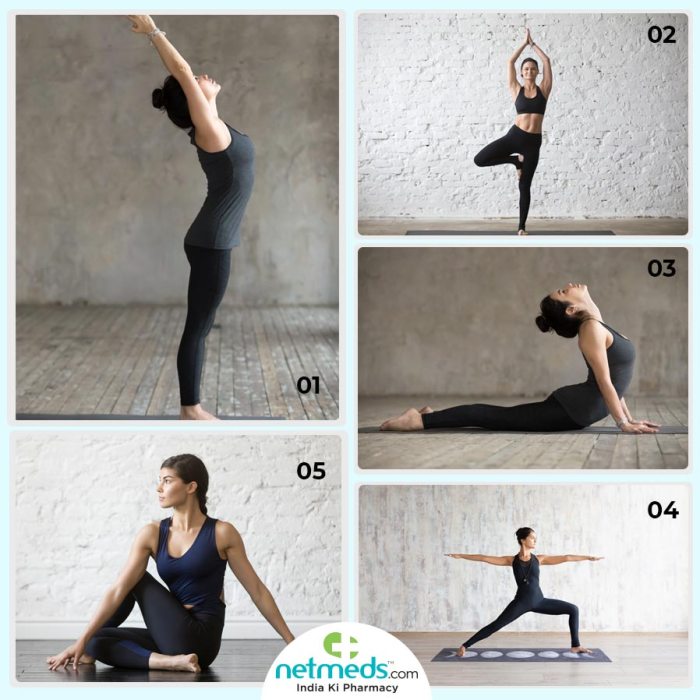
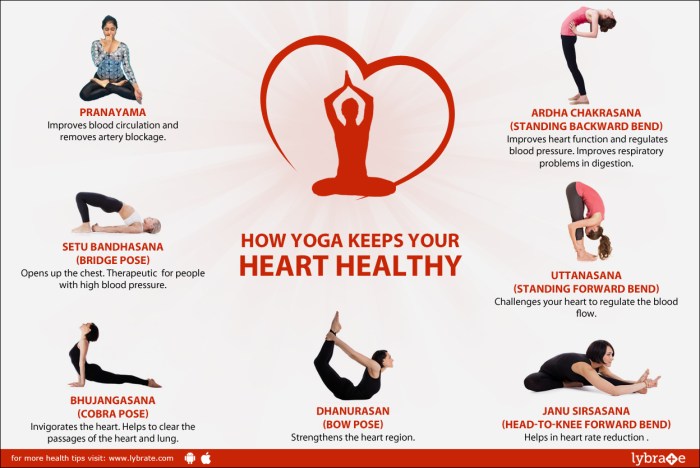
  • Mountain Pose (Tadasana): This pose helps in improving posture and increasing circulation throughout the body.
  • Bridge Pose (Setu Bandhasana): Bridge pose can help strengthen the back muscles and open up the chest, promoting better heart health.
  • Cobra Pose (Bhujangasana): Cobra pose stretches the chest and lungs, improving breathing capacity and supporting heart function.

Incorporating Yoga into Healthy Habits

Yoga for cardiovascular health improvement

Integrating yoga into your daily routine can significantly contribute to your overall wellness. Regular practice of yoga has been shown to have numerous health benefits, including improved cardiovascular health.

Tips for Integrating Yoga into Daily Routines

  • Set aside a specific time each day for yoga practice, whether it’s in the morning to start your day off right or in the evening to unwind.
  • Create a dedicated space in your home for yoga practice, free from distractions and clutter.
  • Start with short sessions if you’re new to yoga and gradually increase the duration and intensity as you build strength and flexibility.
  • Combine yoga with other healthy habits like eating a balanced diet, staying hydrated, and getting enough sleep for optimal results.

Benefits of Regular Yoga Practice for a Healthier Lifestyle

Consistency in yoga practice is key to reaping the cardiovascular benefits it offers. By incorporating yoga into your daily routine, you can experience:

  • Improved blood circulation and reduced risk of heart disease.
  • Lowered blood pressure and stress levels, promoting overall well-being.
  • Increased flexibility, strength, and balance for better physical health.
  • Enhanced focus, mindfulness, and mental clarity for improved cognitive function.

Importance of Consistency in Yoga Practice for Cardiovascular Benefits

Regular and consistent yoga practice is essential for maximizing the cardiovascular benefits. By committing to a daily or weekly routine, you can:

  • Strengthen your heart muscle and improve its efficiency in pumping blood throughout the body.
  • Reduce inflammation and oxidative stress, which are linked to heart disease and other cardiovascular conditions.
  • Maintain healthy cholesterol levels and regulate blood sugar levels for optimal heart health.
  • Enhance your overall cardiovascular fitness and endurance, leading to a healthier and more active lifestyle.

Yoga’s Impact on Emotional Wellbeing

Yoga is not just beneficial for physical health but also plays a significant role in improving emotional wellbeing. The practice of yoga has been linked to stress reduction and emotional balance, ultimately leading to a sense of calmness and mental clarity.

Connection between Yoga, Stress Reduction, and Emotional Health

  • Yoga involves deep breathing techniques and mindfulness practices that help lower cortisol levels, the stress hormone, in the body.
  • The physical movements combined with mental focus during yoga practice can reduce anxiety and promote relaxation, which in turn improves emotional health.
  • Regular yoga practice has been shown to enhance overall mood and decrease symptoms of depression, contributing to emotional wellbeing.

How Yoga Promotes Relaxation and Mental Clarity for Emotional Balance

  • Yoga encourages individuals to be present in the moment, letting go of past worries and future anxieties, which can help reduce emotional distress.
  • Through the practice of asanas (postures) and meditation, yoga helps release tension stored in the body and mind, leading to a sense of lightness and emotional balance.
  • The focus on breath awareness in yoga can calm the nervous system, leading to a clearer mind and improved emotional regulation.

Personal Anecdotes or Success Stories Related to Emotional Wellbeing through Yoga

  • Many individuals have reported feeling more at peace and content after incorporating yoga into their daily routine, attributing it to improved emotional wellbeing.
  • Some have shared how yoga has helped them manage stress more effectively and cope with challenging emotions, leading to a more balanced and positive outlook on life.
  • Personal stories often highlight the transformative power of yoga in cultivating self-awareness, acceptance, and emotional resilience, ultimately enhancing overall emotional wellbeing.

Promoting Healthy Aging with Yoga: Yoga For Cardiovascular Health Improvement

Yoga can be a powerful tool in promoting healthy aging, especially when it comes to cardiovascular health. As individuals age, the risk of heart-related issues increases, making it crucial to maintain a healthy heart. Yoga offers a gentle yet effective way to support cardiovascular health as we grow older.

Supporting Cardiovascular Health

  • Yoga helps improve circulation and blood flow, which can reduce the risk of heart disease and other cardiovascular conditions.
  • Practicing yoga regularly can lower blood pressure and cholesterol levels, contributing to a healthier heart.
  • Stress reduction through yoga can also benefit heart health, as chronic stress is a major risk factor for heart disease.

Maintaining Flexibility and Mobility

  • Yoga focuses on stretching and strengthening the muscles, which can help older adults maintain flexibility and mobility.
  • Improved flexibility can reduce the risk of injuries and falls, common concerns for seniors.
  • Enhanced mobility allows older adults to stay active and engaged in daily activities, promoting overall well-being.

Gentle Yoga Routines for Seniors

  • Chair yoga is a great option for seniors with mobility issues, providing support while still offering the benefits of yoga.
  • Slow-paced Hatha yoga classes are ideal for older adults looking to improve heart health without overexerting themselves.
  • Restorative yoga focuses on relaxation and gentle stretching, perfect for seniors looking to unwind and support their cardiovascular health.

Maintaining an Active Lifestyle through Yoga

Yoga is a versatile form of exercise that can be adapted to suit individuals of all fitness levels. Whether you are a beginner or an experienced athlete, there are various yoga sequences that can help improve cardiovascular strength and overall physical health.

Dynamic Yoga Sequences for Cardiovascular Strength

  • Sun Salutations: A series of poses that flow together to create a dynamic and energizing sequence, promoting increased heart rate and circulation.
  • Power Vinyasa Flow: Combines strength-building poses with fluid movements, enhancing cardiovascular endurance and muscle tone.
  • Ashtanga Yoga: A structured sequence of poses performed in a continuous flow, challenging the cardiovascular system and improving overall fitness levels.

Role of Yoga in Keeping Individuals Active and Engaged

Yoga not only helps improve physical health but also plays a significant role in keeping individuals active and engaged in regular physical activity. The mindfulness aspect of yoga promotes self-awareness, reduces stress, and enhances overall well-being, making it easier to maintain an active lifestyle.

Yoga Practices for Cardiovascular Health

Yoga for cardiovascular health improvement
Regular practice of yoga can have significant benefits for cardiovascular health. Let’s explore some specific practices and techniques that can help improve heart health.

Specific Breathing Techniques in Yoga

  • One key breathing technique in yoga is diaphragmatic breathing, also known as belly breathing. This involves breathing deeply into the belly, allowing the diaphragm to fully engage and promote relaxation.
  • Kapalabhati, or breath of fire, is another breathing technique that involves forceful exhalations followed by passive inhalations. This practice helps increase oxygen supply to the body and can stimulate the heart.
  • Anulom Vilom, or alternate nostril breathing, is a calming breathing exercise that can help reduce stress and lower blood pressure, benefiting heart health.

Concept of Mindfulness in Yoga, Yoga for cardiovascular health improvement

Mindfulness in yoga involves being fully present in the moment, focusing on sensations, thoughts, and emotions without judgment.

Practicing mindfulness can help reduce stress levels, improve emotional wellbeing, and positively impact heart health by lowering the risk of heart disease and hypertension.

Yoga for Improved Circulation and Lower Blood Pressure

  • Yoga poses that involve inversions, such as downward dog or headstand, can help improve circulation by allowing blood to flow more easily back to the heart.
  • Regular yoga practice can also help lower blood pressure by reducing stress, promoting relaxation, and improving overall cardiovascular function.
  • Pranayama, or yogic breathing exercises, can help regulate the autonomic nervous system, leading to better blood pressure control and heart health.

Healthy Recipes to Support Yoga Practice

When it comes to practicing yoga for cardiovascular health, nutrition plays a crucial role in supporting overall wellbeing. Eating a balanced diet filled with heart-healthy foods can enhance the benefits of yoga practice and promote a healthy heart.

Nutritious Tips for Yogis

  • Focus on whole foods such as fruits, vegetables, whole grains, and lean proteins to fuel your body for yoga sessions.
  • Avoid processed foods high in saturated fats, sugars, and salt, which can negatively impact heart health.
  • Stay hydrated by drinking plenty of water throughout the day to support your yoga practice and overall cardiovascular health.

Heart-Healthy Recipes

  • Quinoa Salad with Avocado and Chickpeas: A nutrient-dense meal packed with fiber, healthy fats, and protein to keep you energized.
  • Grilled Salmon with Asparagus: Rich in omega-3 fatty acids and antioxidants, this dish is excellent for heart health and muscle recovery post-yoga.
  • Green Smoothie with Spinach and Berries: A refreshing and antioxidant-filled beverage to enjoy as a pre or post-yoga snack.

Importance of a Balanced Diet

Pairing yoga practice with a balanced diet not only supports cardiovascular health but also contributes to overall wellbeing. A diet rich in nutrients, vitamins, and minerals can enhance the benefits of yoga, promoting strength, flexibility, and emotional balance.

Building Mental Resilience through Yoga

Yoga is not just about physical postures; it also encompasses mental and emotional well-being. Through the practice of yoga, individuals can enhance their mental resilience and coping mechanisms, allowing them to better navigate life’s challenges.

Relationship between Yoga, Mindfulness, and Mental Strength

  • Yoga promotes mindfulness, which involves being fully present in the moment without judgment. This allows individuals to develop a greater awareness of their thoughts and emotions.
  • By cultivating mindfulness through yoga practice, individuals can strengthen their mental resilience and ability to cope with stress, anxiety, and other mental health issues.
  • Regular practice of yoga helps individuals build mental strength by improving focus, concentration, and emotional regulation.

Strategies for Cultivating Mental Resilience through Yoga Practice

  • Practice deep breathing exercises, such as pranayama, to calm the mind and reduce stress levels.
  • Engage in meditation to quiet the mind, increase self-awareness, and enhance emotional stability.
  • Incorporate yoga poses that focus on balance, strength, and flexibility to build physical and mental resilience.
  • Attend yoga classes or workshops that specifically target mental well-being and resilience-building techniques.
  • Set aside time for self-reflection and introspection to better understand your thoughts, emotions, and reactions.

Supporting Immune System with Yoga

Yoga is not only beneficial for physical health but also plays a crucial role in supporting the immune system. By reducing stress and promoting relaxation, yoga can have a positive impact on immune function, ultimately contributing to overall health and wellbeing.

Connection between Yoga, Stress Relief, and Immune Function

Yoga practices such as deep breathing, meditation, and gentle movements help lower stress levels by activating the parasympathetic nervous system. This, in turn, reduces the production of stress hormones like cortisol, which can suppress the immune response. By managing stress through yoga, individuals can support their immune system to function optimally.

Positive Impact of Yoga on Immune System

Research has shown that regular yoga practice can enhance immune function by increasing the production of antibodies and boosting the activity of immune cells. Additionally, yoga helps improve circulation, which allows immune cells to move more efficiently throughout the body, enhancing their ability to fight off pathogens and infections.

Specific Yoga Practices to Boost Immunity

– Pranayama: Breathing exercises like alternate nostril breathing (Nadi Shodhana) can help clear the nasal passages and improve respiratory function, supporting overall immune health.
– Yoga Asanas: Poses that involve twists, such as seated spinal twist (Ardha Matsyendrasana), can help stimulate the lymphatic system, which plays a key role in immune function.
– Meditation: Mindfulness meditation can reduce inflammation in the body and promote a sense of calm, which can positively impact immune function.

By incorporating these specific yoga practices into your routine, you can support your immune system and enhance your overall health and wellbeing.

Stress Relief Techniques in Yoga

Yoga offers a variety of relaxation techniques that can significantly reduce stress levels and promote overall well-being. These techniques not only help calm the mind but also have positive effects on the body, including reducing stress hormones and improving heart health.

Breathing Exercises for Stress Relief

  • One effective technique is deep breathing exercises, such as diaphragmatic breathing or alternate nostril breathing. These practices help activate the body’s relaxation response, reducing stress and anxiety levels.
  • Practice deep breathing by inhaling deeply through your nose, filling your lungs with air, and exhaling slowly through your mouth. Repeat this process for a few minutes to feel more relaxed and centered.

Yoga Poses for Relaxation

  • Poses like Child’s Pose, Corpse Pose, and Legs-Up-The-Wall Pose are great for promoting relaxation and releasing tension in the body. These poses help calm the mind, reduce stress, and improve overall well-being.
  • Engage in a restorative yoga practice that focuses on gentle, supportive poses held for longer periods to allow the body to relax deeply and release any accumulated stress or tension.

Mindfulness Meditation for Stress Relief

  • Practicing mindfulness meditation can help increase awareness of the present moment, reduce racing thoughts, and promote a sense of calm and tranquility. Mindfulness meditation can be done sitting comfortably or even while practicing yoga poses.
  • Focus on your breath, sensations in your body, or simply observe your thoughts without judgment. This practice can help alleviate stress and improve your overall mental well-being.

Achieving Nutritional Balance alongside Yoga

When it comes to enhancing cardiovascular health through yoga, maintaining a balanced diet is just as crucial as the physical practice itself. A well-rounded diet can help support your body’s overall well-being and optimize the benefits of your yoga routines.

Significance of Balanced Diet

Ensuring you have a balanced diet is essential for promoting heart health and maximizing the effects of yoga on your cardiovascular system. A diet rich in nutrients such as fruits, vegetables, whole grains, lean proteins, and healthy fats can provide the necessary fuel for your body to perform optimally during yoga sessions.

Tips for Proper Nutrition

  • Aim to include a variety of colorful fruits and vegetables in your meals to ensure you are getting a wide range of vitamins and minerals.
  • Choose whole grains like quinoa, brown rice, and oats over refined grains to provide sustained energy levels throughout the day.
  • Incorporate lean proteins such as fish, poultry, tofu, and legumes to support muscle recovery and overall strength.
  • Include healthy fats from sources like avocados, nuts, seeds, and olive oil to help reduce inflammation and support heart health.
  • Stay hydrated by drinking an adequate amount of water throughout the day to support digestion, circulation, and overall well-being.

Creating a Well-Rounded Diet Plan

Developing a diet plan that complements your yoga practice involves focusing on nutrient-dense foods that nourish your body and support your cardiovascular health. Consider working with a nutritionist or dietitian to tailor a meal plan that aligns with your specific health goals and yoga routine.

Frequently Asked Questions

How often should I practice yoga for cardiovascular health improvement?

It is recommended to practice yoga at least 3-4 times a week to see significant improvements in heart health.

Can beginners start practicing yoga for cardiovascular health?

Absolutely! Beginners can start with gentle yoga routines and gradually increase the intensity as they become more comfortable with the practice.

Are there any specific dietary recommendations to enhance the benefits of yoga for heart health?

Eating a balanced diet rich in fruits, vegetables, whole grains, and lean proteins can complement the effects of yoga on cardiovascular health.

Is it necessary to combine other forms of exercise with yoga for optimal heart health?

While yoga alone can have significant benefits for heart health, combining it with other cardiovascular exercises like walking or cycling can further enhance the results.

Importance of exercise for healthy aging: Key to a vibrant and active lifestyle

Importance of exercise for healthy aging

Healthy Habits

Importance of exercise for healthy aging
Regular exercise is a key component of maintaining overall health, especially as we age. However, incorporating other healthy habits into our daily routines can further enhance the benefits of exercise and contribute to a better quality of life.

Examples of Healthy Habits

  • Eating a balanced diet rich in fruits, vegetables, whole grains, and lean proteins.
  • Staying hydrated by drinking an adequate amount of water throughout the day.
  • Getting enough sleep to allow the body to rest and recover properly.
  • Managing stress through relaxation techniques such as meditation or yoga.
  • Engaging in social activities to maintain connections with others and promote mental well-being.

Consistency in these healthy habits is crucial for maximizing the benefits of exercise and promoting overall well-being. By making these habits a regular part of our daily routines, we can support our physical, mental, and emotional health as we age, leading to a more fulfilling and active lifestyle.

Emotional Wellbeing

Regular exercise is not only beneficial for physical health but also plays a crucial role in maintaining emotional wellbeing as we age. Physical activity has been linked to improvements in mood, reduced feelings of anxiety and depression, and overall better mental health.

Impact of Exercise on Mental Health

Physical activity can positively impact mental health in the aging process by releasing endorphins, which are often referred to as “feel-good” hormones. Endorphins are neurotransmitters that act as natural painkillers and mood elevators. When we engage in exercise, our bodies release endorphins, leading to a sense of euphoria and overall well-being. This can help combat feelings of stress, anxiety, and depression commonly experienced in older adults.

  • Regular exercise can help reduce symptoms of depression and anxiety.
  • Physical activity promotes better sleep quality, which is essential for emotional health.
  • Exercise can boost self-esteem and confidence, leading to a more positive outlook on life.

Healthy Aging

Importance of exercise for healthy aging
Regular exercise is essential for promoting healthy aging as it helps maintain overall physical health, cognitive function, and emotional wellbeing. Exercise can help older adults stay independent, reduce the risk of chronic diseases, and improve quality of life.

Benefits of Exercise for Aging Individuals

  • Strength training exercises, such as lifting weights or using resistance bands, can help maintain muscle mass and bone density, reducing the risk of falls and fractures.
  • Aerobic exercises like walking, swimming, or cycling can improve cardiovascular health, endurance, and stamina.
  • Flexibility and balance exercises, such as yoga or tai chi, can help prevent falls and maintain mobility.

Impact of Exercise on Cognitive Function and Mobility

Exercise has been shown to have a positive impact on cognitive function in older adults. Regular physical activity can help improve memory, attention, and processing speed, reducing the risk of cognitive decline and dementia. Additionally, exercise can enhance mood, reduce stress, and improve sleep quality, contributing to emotional wellbeing in aging individuals.

In terms of mobility, exercise plays a crucial role in maintaining independence and functional ability as we age. By engaging in regular physical activity, older adults can improve balance, coordination, and flexibility, reducing the risk of mobility limitations and maintaining a high quality of life.

Active Lifestyle

An active lifestyle for older adults involves engaging in regular physical activity, such as walking, swimming, or tai chi, to maintain overall health and well-being. It also includes participating in social activities and hobbies to stay mentally and emotionally stimulated.

Tips for Maintaining an Active Lifestyle

  • Start with activities you enjoy: Choose exercises that you find fun and engaging to increase the likelihood of sticking with them.
  • Set realistic goals: Establish achievable goals for physical activity and social engagement to track your progress and stay motivated.
  • Stay consistent: Make physical activity and social interactions a regular part of your routine to maintain an active lifestyle.
  • Find a buddy: Exercise with a friend or join a group to stay motivated and accountable.
  • Stay curious: Explore new activities, classes, or hobbies to keep your mind and body active.

Benefits of Staying Active

  • Improved physical health: Regular exercise can help maintain muscle strength, flexibility, and cardiovascular health as you age.
  • Enhanced mental well-being: Staying active can reduce the risk of depression, anxiety, and cognitive decline in older adults.
  • Social engagement: Participating in group activities or classes can help prevent feelings of loneliness and isolation, promoting a sense of community and connection.
  • Increased independence: Maintaining an active lifestyle can improve balance, coordination, and overall mobility, reducing the risk of falls and injuries.
  • Quality of life: By staying active, older adults can enjoy a higher quality of life, with more energy, vitality, and a positive outlook on aging.

Cardiovascular Health

Regular exercise plays a crucial role in maintaining cardiovascular health, especially as individuals age. Engaging in physical activity helps to strengthen the heart muscle, improve blood circulation, and lower blood pressure, reducing the risk of heart disease and stroke.

Examples of Cardiovascular Exercises for Older Adults

  • Walking: A low-impact activity that can be easily incorporated into daily routines.
  • Swimming: Gentle on the joints and provides a full-body workout.
  • Cycling: Helps improve cardiovascular fitness while being easy on the knees.
  • Dancing: Fun and social way to get the heart pumping and improve circulation.

Impact of Regular Exercise on Reducing Risk of Heart Disease and Stroke

Regular physical activity helps to reduce the risk factors associated with heart disease and stroke, such as high cholesterol, high blood pressure, and obesity. By maintaining a healthy weight, improving circulation, and strengthening the heart, older adults can significantly lower their chances of developing cardiovascular issues. It is essential to consult with a healthcare professional before starting any new exercise regimen, especially for individuals with pre-existing conditions.

Healthy Recipes

Importance of exercise for healthy aging – When it comes to healthy aging, a balanced diet plays a crucial role in conjunction with regular exercise. Nutritious recipes can complement your workout routine and contribute to overall well-being. Here, we will explore the importance of incorporating healthy recipes into your daily meals and provide tips on meal planning for older adults.

Nutritious Breakfast Ideas

Starting your day with a nutritious breakfast sets the tone for healthy eating throughout the day. Consider options like:

  • Egg white omelette with vegetables
  • Greek yogurt with mixed berries and nuts
  • Oatmeal topped with sliced bananas and chia seeds

Wholesome Lunch and Dinner Options

For lunch and dinner, focus on incorporating lean protein, whole grains, and plenty of vegetables. Some ideas include:

  • Baked salmon with quinoa and roasted vegetables
  • Grilled chicken salad with avocado and a light vinaigrette dressing
  • Vegetable stir-fry with tofu and brown rice

Smart Snack Choices

Snacking can be a part of a healthy diet when you choose nutrient-dense options. Consider snacks like:

  • Raw veggies with hummus
  • Handful of almonds or walnuts
  • Apple slices with almond butter

Meal Planning Tips for Older Adults

Planning your meals in advance can help you make healthier choices and avoid impulsive eating. Some tips for meal planning include:

  1. Include a variety of colorful fruits and vegetables in your meals.
  2. Opt for whole grains like brown rice, quinoa, or whole wheat pasta.
  3. Limit processed foods and opt for fresh, whole ingredients.
  4. Stay hydrated by drinking plenty of water throughout the day.

Mental Resilience

Regular exercise plays a crucial role in building mental resilience in older adults. It not only helps in improving cognitive function but also enhances emotional well-being, which are key components of mental resilience.

Benefits of Exercise for Mental Resilience

  • Exercise stimulates the release of endorphins, which are known as “feel-good” hormones, reducing stress and anxiety levels.
  • Physical activity promotes better sleep patterns, leading to improved mood and cognitive function.
  • Regular exercise can enhance memory and concentration, contributing to better problem-solving skills and decision-making abilities.

Examples of Mental Exercises

  • Engaging in puzzles, crosswords, or brain games to keep the mind sharp and alert.
  • Practicing mindfulness and meditation to reduce negative thinking patterns and increase resilience to stress.
  • Participating in social activities and staying connected with friends and family to build a support system and boost mental well-being.

Connection Between Physical and Mental Health

Regular physical activity not only improves physical health but also has a significant impact on mental well-being. The connection between physical and mental health in maintaining resilience with age is undeniable. A healthy body leads to a healthy mind, and vice versa. By staying active and engaging in regular exercise, older adults can enhance their mental resilience, cope better with challenges, and maintain a positive outlook on life.

Immune Support

Regular exercise plays a crucial role in boosting the immune system of aging individuals. By engaging in physical activity, older adults can enhance their body’s ability to fight off infections and illnesses, ultimately leading to better overall health and well-being.

Benefits of Exercise for Immune Health

Regular physical activity has been shown to improve immune function by increasing the circulation of white blood cells, which are responsible for fighting off pathogens and infections. Exercise also helps reduce inflammation in the body, which can contribute to a stronger immune response. Additionally, staying active can enhance the production of antibodies and T-cells, further enhancing the body’s ability to defend against harmful invaders.

  • Examples of Exercises for Immune Health:
  • – Aerobic exercises like walking, jogging, or cycling can help improve cardiovascular health and boost overall immune function.

    – Strength training exercises, such as weightlifting or bodyweight exercises, can help maintain muscle mass and strength, which is important for overall immune health.

    – Yoga and tai chi can help reduce stress levels, which can have a positive impact on immune function.

Reducing Risk of Infections and Illnesses

Regular exercise can significantly reduce the risk of infections and illnesses in older adults by improving overall immune function. By maintaining an active lifestyle, individuals can lower their chances of developing chronic conditions that weaken the immune system, such as heart disease, diabetes, and obesity. Furthermore, exercise can help older adults recover more quickly from illnesses and infections, allowing them to maintain their independence and quality of life as they age.

Stress Relief

Regular exercise plays a crucial role in stress reduction and management, especially as we age. Physical activity has been shown to lower cortisol levels, the hormone responsible for stress, and increase endorphins, the brain’s feel-good neurotransmitters. This combination helps combat stress and improve overall mental wellbeing.

Techniques and Strategies for Stress Relief

  • Engage in aerobic exercises like walking, swimming, or cycling, as they have been proven to reduce anxiety and stress levels.
  • Practice mindfulness and meditation to calm the mind and promote relaxation. Even short sessions can have a significant impact on stress levels.
  • Incorporate strength training exercises to release tension in the body and improve mood through the release of endorphins.
  • Join group exercise classes or activities to socialize and build a support system, which can help alleviate stress through shared experiences.

Importance of Relaxation Exercises

While physical activity is essential for stress relief, incorporating relaxation exercises is equally important. Techniques like deep breathing, progressive muscle relaxation, and yoga can help reduce muscle tension, lower blood pressure, and promote a sense of calmness. By combining these relaxation practices with regular exercise, individuals can effectively manage stress and improve their overall quality of life.

Nutritional Balance: Importance Of Exercise For Healthy Aging

Maintaining a balanced diet is crucial for healthy aging, especially when combined with regular exercise. Proper nutrition provides essential nutrients that support overall well-being and longevity in older adults. The synergy between nutrition and exercise plays a vital role in promoting healthy aging and ensuring a high quality of life.

Nutrient-rich Foods for an Active Lifestyle, Importance of exercise for healthy aging

Eating a variety of nutrient-rich foods is important for older adults to support an active lifestyle. Some examples include:

  • Leafy green vegetables like spinach and kale, which are rich in vitamins and minerals that support muscle function and bone health.
  • Fatty fish such as salmon and mackerel, which are high in omega-3 fatty acids that help reduce inflammation and support heart health.
  • Whole grains like quinoa and brown rice, which provide sustained energy for physical activity and fiber for digestive health.
  • Lean proteins like chicken, tofu, and legumes, which support muscle maintenance and repair.
  • Fruits and berries, which are packed with antioxidants that help protect cells from damage and boost immune function.

Synergy between Nutrition and Exercise

Nutrition and exercise work hand in hand to promote overall well-being and longevity. A balanced diet provides the necessary nutrients to fuel physical activity, repair tissues, and maintain organ function. Regular exercise helps improve nutrient absorption, metabolism, and circulation, enhancing the benefits of a healthy diet. Together, nutrition and exercise support healthy aging by reducing the risk of chronic diseases, maintaining cognitive function, and preserving mobility in older adults.

Questions Often Asked

How often should older adults exercise?

Older adults should aim for at least 150 minutes of moderate-intensity aerobic activity per week, along with muscle-strengthening exercises on two or more days a week.

What are some low-impact exercises suitable for aging individuals?

Walking, swimming, tai chi, and yoga are excellent low-impact exercises that are gentle on the joints and beneficial for older adults.

Can exercise help with cognitive function in older adults?

Absolutely. Regular physical activity has been shown to improve cognitive function, memory, and overall brain health in older adults.

Healthy habits for busy professionals: Tips for a balanced lifestyle

Healthy habits for busy professionals

Healthy Habits for Busy Professionals

Maintaining a healthy lifestyle can be challenging for busy professionals, but with some strategic planning and dedication, it is definitely achievable. Incorporating healthy habits into a hectic work schedule is crucial for overall well-being and productivity.

Tips for Incorporating Healthy Habits

  • Start your day with a nutritious breakfast to fuel your body and mind for the day ahead.
  • Stay hydrated throughout the day by keeping a water bottle at your desk and taking regular sips.
  • Avoid skipping meals by planning and prepping your meals in advance to ensure you have healthy options readily available.
  • Opt for healthy snacks like fruits, nuts, or yogurt to keep your energy levels stable and avoid unhealthy cravings.

Importance of Regular Exercise

Regular exercise is essential for busy professionals to manage stress, improve focus, and boost overall health. Finding time for physical activity during a hectic workday may seem challenging, but even small changes can make a big difference.

Take short walking breaks, use the stairs instead of the elevator, or squeeze in a quick workout during lunchtime to stay active throughout the day.

Benefits of Mindfulness Practices

Mindfulness practices such as meditation, deep breathing, or yoga can help busy professionals reduce stress, increase focus, and enhance overall well-being. Incorporating mindfulness into your daily routine can have a positive impact on both your personal and professional life.

  • Allocate a few minutes each day for mindfulness exercises to clear your mind and improve mental clarity.
  • Practice deep breathing techniques to reduce stress and increase relaxation, especially during hectic work moments.
  • Try incorporating mindfulness into everyday tasks, such as mindful eating during lunch or taking short mindful breaks between meetings.

Emotional Wellbeing

Emotional wellbeing plays a crucial role in our overall health. Our emotional state can impact our physical health, immune system, and even our relationships with others. It is important to prioritize our emotional wellbeing to lead a fulfilling and balanced life.

Techniques for Managing Stress and Anxiety in a Professional Setting, Healthy habits for busy professionals

In a fast-paced professional environment, stress and anxiety can easily creep in. To manage these feelings effectively, professionals can try techniques such as deep breathing exercises, mindfulness meditation, taking short breaks throughout the day, and seeking support from colleagues or mental health professionals when needed.

Importance of Work-Life Balance for Emotional Wellbeing

Maintaining a healthy work-life balance is essential for emotional wellbeing. It allows professionals to recharge, spend time with loved ones, pursue hobbies, and engage in activities that bring joy and fulfillment outside of work. Setting boundaries between work and personal life is key to achieving this balance.

Tips for Setting Boundaries and Practicing Self-Care

Setting boundaries in the workplace, such as defining specific work hours, limiting after-hours emails, and taking regular breaks, can help prevent burnout and improve emotional wellbeing. Practicing self-care activities like exercise, healthy eating, getting enough sleep, and engaging in activities that bring joy can also support emotional health.

Healthy Aging

Healthy habits for busy professionals – As professionals age, it becomes increasingly important to adopt healthy habits that can contribute to overall well-being and longevity. By focusing on maintaining physical health, cognitive function, and mental acuity, individuals can age gracefully and enjoy a high quality of life in their later years.

Role of Exercise in Promoting Longevity

Regular exercise plays a crucial role in promoting longevity and healthy aging. Physical activity helps maintain muscle mass, bone density, and cardiovascular health, reducing the risk of chronic conditions such as heart disease, diabetes, and osteoporosis. Incorporating a mix of aerobic, strength training, and flexibility exercises into your routine can help improve overall health and increase life expectancy.

Tips for Maintaining Cognitive Function

  • Engage in activities that stimulate the brain, such as puzzles, reading, or learning a new skill.
  • Stay socially connected with friends and family to prevent feelings of isolation and loneliness.
  • Get an adequate amount of sleep each night to support cognitive function and memory retention.
  • Consider mindfulness practices like meditation or yoga to reduce stress and improve mental clarity.

Incorporating Anti-Aging Foods

Adding anti-aging foods to your diet can help support overall health and vitality. Include nutrient-rich foods like berries, leafy greens, nuts, seeds, and fatty fish in your meals to provide essential vitamins, minerals, and antioxidants that can combat the effects of aging. Aim to incorporate a variety of colorful fruits and vegetables to ensure you’re getting a wide range of nutrients to support healthy aging.

Active Lifestyle

Leading an active lifestyle is crucial for busy professionals to maintain their physical and mental well-being. Regular physical activity has numerous benefits, including increased energy levels, improved focus, reduced stress, and better overall health. Finding time to exercise may seem challenging, but incorporating simple exercises into your daily routine can make a significant difference.

Simple Exercises for Short Breaks

  • Take a brisk walk around the office building or up and down the stairs.
  • Do some stretching exercises at your desk to relieve tension and improve circulation.
  • Perform bodyweight exercises like squats, lunges, or push-ups to strengthen your muscles.
  • Try a quick yoga or Pilates routine to improve flexibility and reduce stiffness.

Tips for Finding Time to Exercise

  • Schedule your workouts like any other appointment and prioritize them in your calendar.
  • Combine exercise with other activities, such as walking meetings or cycling to work.
  • Break up your workouts into shorter sessions throughout the day if time is limited.
  • Use technology to track your activity levels and set reminders to move regularly.

Benefits of Regular Physical Activity

  • Improved productivity and focus due to increased blood flow to the brain.
  • Enhanced mood and reduced feelings of anxiety or depression.
  • Better physical health, including weight management and reduced risk of chronic diseases.
  • Increased energy levels and stamina to tackle daily tasks more efficiently.

Cardiovascular Health

Maintaining cardiovascular health is crucial for busy professionals who often lead hectic and demanding lifestyles. Neglecting heart health can lead to serious consequences, impacting both work performance and overall well-being.

The Impact of Sedentary Behavior

Prolonged periods of sitting or inactivity can significantly increase the risk of heart disease and other cardiovascular issues. Combatting sedentary behavior is essential for maintaining a healthy heart. Incorporating regular physical activity into your daily routine, such as taking short walks during breaks or using a standing desk, can help reduce these risks.

Tips for a Heart-Healthy Diet

Eating a balanced and nutritious diet is key to promoting cardiovascular health. Despite a busy work schedule, it is important to prioritize heart-healthy food choices. Opt for whole grains, lean proteins, fruits, vegetables, and healthy fats like those found in nuts and seeds. Limiting processed foods, sugar, and excessive salt intake can also benefit your heart.

Strategies for Daily Heart-Healthy Habits

Incorporating heart-healthy habits into your daily routine doesn’t have to be complicated. Simple strategies like taking the stairs instead of the elevator, scheduling regular exercise sessions, staying hydrated, and managing stress levels can all contribute to better cardiovascular health. Prioritizing sleep and avoiding smoking are also crucial steps in maintaining a healthy heart.

Healthy Recipes: Healthy Habits For Busy Professionals

Cooking nutritious meals at home can be a game-changer for busy professionals looking to maintain a healthy lifestyle. Not only does it allow you to have full control over the ingredients used, but it also helps you save time and money in the long run. Here are some quick and healthy recipe ideas along with meal prep tips to help you stay on track even with a hectic schedule.

Quick and Healthy Recipe Ideas

  • Quinoa Salad with Roasted Veggies: Cook quinoa ahead of time and toss it with your favorite roasted vegetables for a satisfying and nutrient-packed meal.
  • Stir-Fry with Lean Protein: Whip up a quick stir-fry using lean protein sources like chicken, tofu, or shrimp, along with an assortment of colorful veggies.
  • Greek Yogurt Parfait: Layer Greek yogurt with fresh fruits, nuts, and a drizzle of honey for a delicious and protein-rich breakfast or snack option.

Meal Prep Tips

  • Plan Ahead: Take some time at the beginning of the week to plan your meals and snacks, making a grocery list to ensure you have everything you need.
  • Cook in Batches: Prepare large batches of staple items like grains, proteins, and veggies that can be easily mixed and matched throughout the week for different meals.
  • Use Mason Jars: Mason jars are great for prepping salads, overnight oats, or smoothie ingredients in advance, making it convenient to grab and go in the morning.

Benefits of Cooking at Home

  • Control Over Ingredients: Cooking at home allows you to choose fresh, whole ingredients and avoid hidden fats, sugars, and preservatives often found in restaurant meals.
  • Portion Control: By preparing your own meals, you can control portion sizes to ensure you’re not overeating and consuming excess calories.
  • Cost-Effective: Cooking at home is generally more cost-effective than dining out, saving you money in the long term while still enjoying delicious and nutritious meals.

Mental Resilience

In today’s fast-paced work environment, mental resilience plays a crucial role in helping professionals navigate through various challenges and setbacks. It involves the ability to bounce back from difficult situations, stay focused, and maintain a positive outlook despite the pressures of work.

Building Mental Toughness

  • Develop a growth mindset: Embrace challenges as opportunities for growth and learning.
  • Practice mindfulness: Stay present and aware of your thoughts and emotions to manage stress effectively.
  • Set boundaries: Learn to say no to excessive workloads and prioritize self-care.
  • Stay connected: Build a strong support network of colleagues, friends, and family for emotional support.

Coping with Stress

  • Practice deep breathing exercises: Calm your mind and body during stressful situations.
  • Engage in physical activity: Regular exercise can help reduce stress and improve overall well-being.
  • Seek professional help: Don’t hesitate to reach out to a therapist or counselor for support when needed.
  • Practice gratitude: Focus on the positive aspects of your life to cultivate a resilient mindset.

Positive Thinking and Mindset Shifts

  • Acknowledge negative thoughts: Challenge and reframe them into more positive and empowering beliefs.
  • Visualize success: Imagine yourself overcoming obstacles and achieving your goals to boost confidence.
  • Affirmations: Use positive affirmations to reinforce a resilient mindset and boost self-esteem.

Seeking Support and Self-Care

  • Reach out to trusted individuals: Lean on friends, family, or colleagues for emotional support during tough times.
  • Take breaks: Allow yourself time to rest and recharge to prevent burnout and maintain mental well-being.
  • Engage in hobbies: Pursue activities you enjoy to relieve stress and promote relaxation.
  • Practice self-compassion: Be kind to yourself and treat yourself with the same care you would offer to a friend.

Immune Support

Maintaining a strong immune system is essential for busy professionals to stay healthy and productive in their demanding schedules. A robust immune system helps protect the body against infections and illnesses, allowing individuals to perform at their best.

Tips for Boosting Immunity

  • Aim for a balanced diet rich in fruits, vegetables, whole grains, and lean proteins to provide essential nutrients for immune function.
  • Engage in regular exercise to support overall health and boost immune system activity.
  • Get an adequate amount of quality sleep each night to allow the body to rest and repair.
  • Manage stress levels through relaxation techniques, mindfulness practices, or hobbies to prevent chronic stress from weakening the immune response.

Immune-Boosting Foods and Supplements

Include the following immune-boosting foods and supplements in your daily routine:

  • Citrus fruits like oranges, grapefruits, and lemons rich in Vitamin C to enhance immune function.
  • Probiotic-rich foods such as yogurt, kefir, and sauerkraut to support gut health and immune system balance.
  • Garlic, known for its antimicrobial properties that can help fight infections and strengthen immunity.
  • Supplements like Vitamin D, Zinc, and Echinacea can also be beneficial in boosting the immune system, especially during busy and stressful periods.

Stress Relief

Stress relief is crucial for busy professionals to maintain their well-being and productivity. Finding effective techniques to manage stress can greatly improve overall mental health and quality of life. Here are some strategies to help busy professionals reduce stress levels:

Mindfulness Practices

  • Practice deep breathing exercises to calm the mind and body.
  • Engage in meditation sessions to promote relaxation and clarity.
  • Use progressive muscle relaxation techniques to release tension in the body.

Importance of Breaks

It is essential for busy professionals to take breaks throughout the day to rest and recharge. Breaks help prevent burnout and improve focus and creativity. Try incorporating short walks, stretching exercises, or simply stepping away from your work station for a few minutes.

Creating a Calming Workspace

  • Organize your workspace to reduce clutter and create a sense of calm.
  • Add elements like plants, calming colors, or soothing scents to promote relaxation.
  • Incorporate soft lighting and comfortable seating to enhance your work environment.

Nutritional Balance

Healthy habits for busy professionals

Maintaining a balanced diet is crucial for overall health, especially for busy professionals who often face hectic work schedules. A well-rounded diet provides the necessary nutrients to support optimal physical and mental well-being.

Tips for Achieving Nutritional Balance

  • Prioritize meal planning: Set aside time to plan your meals for the week, ensuring you include a variety of nutrient-dense foods.
  • Opt for whole foods: Choose whole grains, fruits, vegetables, lean proteins, and healthy fats to fuel your body effectively.
  • Stay hydrated: Drink plenty of water throughout the day to support digestion and overall health.
  • Avoid processed foods: Limit your intake of processed and high-sugar foods, opting for natural alternatives whenever possible.

Role of Macronutrients and Micronutrients

Macronutrients, such as carbohydrates, proteins, and fats, provide the energy needed for daily activities, while micronutrients, including vitamins and minerals, support various bodily functions and processes.

Strategies for Mindful Eating

  • Practice mindful eating: Pay attention to your food choices, savor each bite, and listen to your body’s hunger cues.
  • Avoid distractions: Minimize distractions while eating, such as watching TV or working, to focus on your meal and prevent overeating.
  • Choose nutrient-dense options: Opt for whole, unprocessed foods that provide a wide range of essential nutrients for overall health.

FAQs

How can busy professionals find time for exercise?

Busy professionals can incorporate short exercise routines during breaks, opt for active commuting methods, or wake up earlier to fit in a workout before the workday begins.

What are some quick meal prep tips for busy professionals?

Plan meals in advance, batch cook on weekends, choose simple and nutritious recipes, and invest in time-saving kitchen tools to streamline the cooking process.

Why is mindfulness important for busy professionals?

Mindfulness helps professionals manage stress, improve focus and concentration, enhance decision-making skills, and promote overall well-being in a fast-paced work environment.