Yoga & Pilates for Flexibility: A Fitness Routine Guide

How to incorporate yoga and Pilates into a fitness routine for flexibility

How to incorporate yoga and Pilates into a fitness routine for flexibility is a question many fitness enthusiasts ask. Combining these practices offers a holistic approach to enhancing flexibility, strength, and overall well-being. Yoga, with its focus on flowing poses and deep breathing, unlocks flexibility and promotes mindfulness, while Pilates, emphasizing core strength and controlled movements, complements yoga by building a solid foundation for improved posture and balance.

This synergy creates a powerful blend that caters to various fitness levels and goals, allowing individuals to unlock their full potential.

This guide delves into the benefits of incorporating yoga and Pilates into your fitness routine, providing practical tips on scheduling, sample workouts, and modifications for different fitness levels. We’ll explore specific yoga poses and Pilates exercises that target flexibility, emphasizing safe and effective techniques.

Additionally, we’ll discuss how these practices can benefit stress management, healthy aging, mental clarity, emotional well-being, and mental resilience.

Incorporating Yoga and Pilates into a Fitness Routine

Incorporating yoga and Pilates into your fitness routine can provide numerous benefits, including increased flexibility, improved core strength, and enhanced body awareness. Yoga focuses on flexibility, balance, and mindfulness through a series of poses and breathing techniques. Pilates emphasizes core strength, muscle control, and precise movements.

By combining these two practices, you can create a well-rounded fitness routine that addresses various aspects of your physical well-being.

Scheduling Yoga and Pilates Sessions

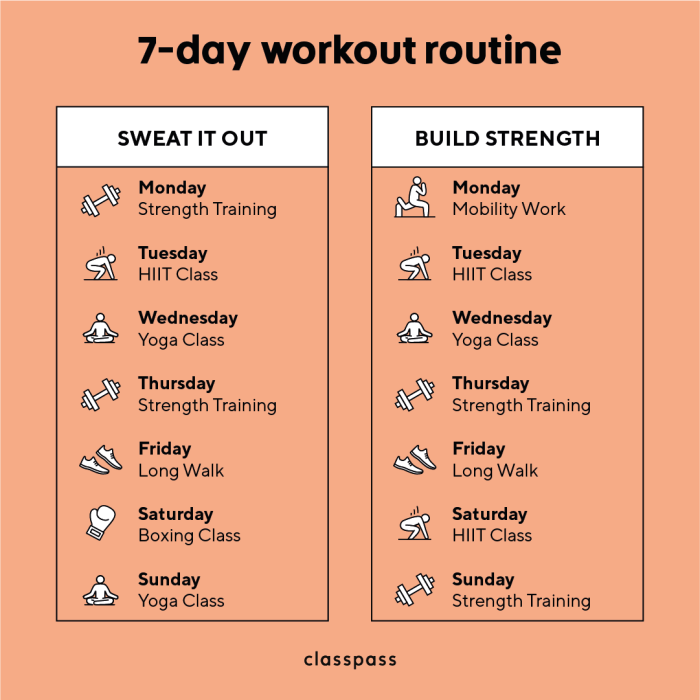
Scheduling yoga and Pilates sessions effectively is crucial to achieving your fitness goals. Here are some tips to help you incorporate these practices into your weekly fitness plan:

  • Set Realistic Goals:Start with one or two sessions per week and gradually increase the frequency as you become more comfortable.
  • Choose a Time That Works for You:Consider your daily schedule and find time slots that fit your lifestyle. Some people prefer to practice yoga in the morning to set a positive tone for the day, while others find evening sessions more relaxing.
  • Be Consistent:Try to stick to your schedule as much as possible. Consistency is key to building a habit and seeing results.
  • Mix It Up:Alternate between yoga and Pilates sessions to challenge different muscle groups and prevent plateaus.
  • Listen to Your Body:Pay attention to your body’s signals and adjust your schedule accordingly. If you are feeling overly fatigued or injured, take a break or modify your routine.

Sample Workout Routine

Here’s a sample workout routine that incorporates yoga and Pilates exercises:

  • Warm-up (5 minutes):Begin with some light cardio, such as walking or jogging in place, to warm up your muscles.
  • Yoga Flow (20 minutes):Choose a yoga sequence that targets flexibility and balance. Examples include Sun Salutations, Warrior Poses, and Triangle Pose.
  • Pilates Mat Work (20 minutes):Focus on core strengthening exercises like Hundred, Roll Up, and Teaser.
  • Cool-down (5 minutes):End your workout with some gentle stretches and deep breathing exercises to promote relaxation and recovery.

Modifying Exercises

Modifying exercises to suit different fitness levels and goals is essential for safe and effective practice. Here are some tips for modifying yoga and Pilates exercises:

  • Start with the Basics:Beginners can start with easier variations of poses and exercises. For example, in yoga, they can modify poses by using props like blocks or blankets to support their body. In Pilates, they can focus on the fundamental exercises and gradually progress to more challenging variations.

  • Listen to Your Body:Pay attention to any pain or discomfort and adjust the exercise accordingly. If a particular pose or exercise is too difficult, try a simpler variation or skip it altogether.
  • Seek Guidance:If you are unsure about modifying exercises, consult with a certified yoga or Pilates instructor. They can provide personalized guidance and help you find the right modifications for your body and goals.

Yoga Poses for Flexibility

Yoga is a powerful tool for improving flexibility. Many yoga poses target specific muscle groups, allowing you to increase your range of motion and improve your overall flexibility.

Back Flexibility

The back is a crucial area for flexibility, as it allows for a wide range of movement. Here are some yoga poses that target back flexibility:

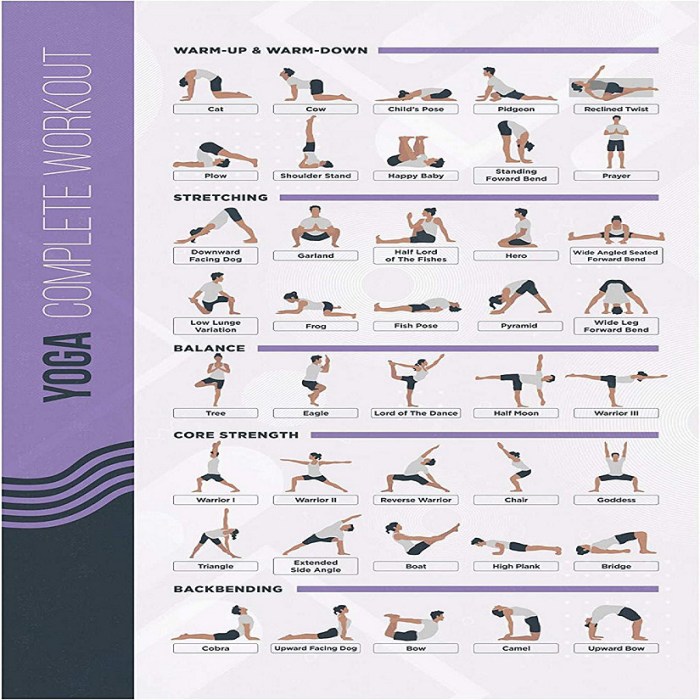
  • Cat-Cow Pose (Bitilasana Marjaryasana):This pose gently stretches the spine, promoting flexibility and relieving tension in the back. To perform this pose, start on your hands and knees, with your wrists aligned beneath your shoulders and your knees beneath your hips. As you inhale, drop your belly towards the floor and lift your chest and head, looking straight ahead.

    As you exhale, round your spine towards the ceiling, tucking your chin to your chest. Repeat this movement for 5-10 breaths.

    Important points:Maintain a neutral spine throughout the pose, and focus on lengthening your spine with each inhale and exhale.

  • Downward-Facing Dog (Adho Mukha Svanasana):This pose stretches the entire back of the body, including the spine, hamstrings, and calves. To perform this pose, start on your hands and knees. Place your hands shoulder-width apart and your knees hip-width apart. Tuck your toes under and lift your hips up and back, creating an inverted V shape with your body.

    Keep your arms straight and your shoulders away from your ears. Hold the pose for 5-10 breaths.

    Important points:Engage your core muscles to keep your back straight and prevent your hips from sagging.

  • Cobra Pose (Bhujangasana):This pose stretches the chest, shoulders, and abdomen. To perform this pose, lie on your stomach with your hands underneath your shoulders and your elbows tucked in. Press through your palms to lift your chest off the floor, keeping your shoulders away from your ears.

    Hold the pose for 5-10 breaths.

    Important points:Engage your core muscles to protect your lower back. Avoid pushing your head back too far, as this can strain your neck.

Hip Flexibility

The hips are a key area for flexibility, as they play a role in a wide range of movements, including walking, running, and bending. Here are some yoga poses that target hip flexibility:

  • Pigeon Pose (Kapotasana):This pose stretches the hip flexors, glutes, and piriformis muscle. To perform this pose, start on your hands and knees. Bring your right knee forward and place it behind your right wrist, with your right shin perpendicular to your body.

    Extend your left leg back behind you, keeping your left foot flat on the floor. Lean forward from your hips, keeping your back straight. Hold the pose for 5-10 breaths.

    Important points:Listen to your body and avoid pushing too far into the pose.

    You can modify the pose by placing a pillow or blanket under your hips for support.

  • Reclining Butterfly Pose (Supta Baddha Konasana):This pose stretches the inner thighs, groin, and hip flexors. To perform this pose, lie on your back with your feet together and your knees bent. Gently pull your heels towards your buttocks, allowing your knees to fall open to the sides.

    Hold the pose for 5-10 breaths.

    Important points:Keep your spine straight and your shoulders relaxed on the floor.

  • Warrior II Pose (Virabhadrasana II):This pose stretches the hip flexors, groin, and inner thighs. To perform this pose, stand with your feet about 4 feet apart. Turn your right foot 90 degrees to the right and your left foot 45 degrees to the left.

    Bend your right knee, aligning it over your right ankle. Extend your arms out to the sides, parallel to the floor. Hold the pose for 5-10 breaths.

    Important points:Keep your back straight and your core engaged.

Shoulder Flexibility

The shoulders are a complex joint that is often prone to stiffness and tightness. Here are some yoga poses that target shoulder flexibility:

  • Downward-Facing Dog (Adho Mukha Svanasana):This pose stretches the shoulders, chest, and back. To perform this pose, start on your hands and knees. Place your hands shoulder-width apart and your knees hip-width apart. Tuck your toes under and lift your hips up and back, creating an inverted V shape with your body.

    Keep your arms straight and your shoulders away from your ears. Hold the pose for 5-10 breaths.

    Important points:Engage your core muscles to keep your back straight and prevent your hips from sagging.

  • Cow Face Pose (Gomukhasana):This pose stretches the shoulders, chest, and triceps. To perform this pose, sit on the floor with your legs crossed. Bend your right arm and bring your right hand to your back, with your palm facing your spine. Bend your left arm and bring your left hand to your back, with your palm facing away from your spine.

    Try to clasp your hands together behind you. Hold the pose for 5-10 breaths.

    Important points:If you can’t clasp your hands together, use a strap or towel to assist you.

  • Eagle Pose (Garudasana):This pose stretches the shoulders, chest, and back. To perform this pose, stand with your feet together. Cross your right leg over your left leg, placing your right foot above your left calf. Bend your elbows and cross your right arm over your left arm, bringing your right hand to your left shoulder blade.

    Hold the pose for 5-10 breaths.

    Important points:Keep your back straight and your core engaged.

Pilates Exercises for Flexibility

Pilates is a low-impact exercise method that focuses on strengthening and lengthening muscles, improving posture, and enhancing flexibility. By incorporating specific Pilates exercises into your fitness routine, you can target key muscle groups responsible for spinal mobility and overall flexibility.

Pilates Exercises for Spinal Mobility

Pilates exercises are known for their ability to improve spinal mobility and flexibility. Here are some Pilates exercises that target the spine and enhance flexibility:

  • Spine Twist:
    • Lie on your back with knees bent and feet flat on the floor.
    • Place your hands behind your head, elbows wide.
    • Engage your core and slowly twist your upper body to the right, bringing your right elbow towards your left knee.

    • Pause, then slowly return to the center.
    • Repeat on the left side.
  • Roll-Up:
    • Start lying on your back with legs extended and arms by your sides.
    • Engage your core and slowly curl your upper body up, one vertebra at a time, until you reach a seated position.
    • Keep your back straight and avoid arching your lower back.

    • Slowly roll back down to the starting position.
  • Shoulder Bridge:
    • Lie on your back with knees bent and feet flat on the floor.
    • Engage your core and lift your hips off the floor, creating a straight line from your shoulders to your knees.
    • Hold for a few seconds, then slowly lower your hips back down.

  • Hundred:
    • Lie on your back with legs extended and arms by your sides.
    • Engage your core and lift your head and shoulders off the floor.
    • Pump your arms up and down, inhaling for five counts and exhaling for five counts.

    • Repeat for 10 repetitions.

Using Pilates Equipment for Flexibility

Pilates equipment can be utilized to enhance flexibility and provide additional support. The reformer, a common piece of Pilates equipment, can be used for a variety of exercises that improve spinal mobility and muscle lengthening.

  • Reformer Spine Stretch:
    • Lie on your back on the reformer with your feet in the straps.
    • Engage your core and slowly pull your feet towards your hips, lengthening your spine.
    • Hold for a few seconds, then slowly return to the starting position.

  • Reformer Swan Dive:
    • Start on the reformer with your chest facing the carriage.
    • Place your hands on the shoulder blocks and engage your core.
    • Slowly push the carriage away from you, extending your arms and lifting your chest off the reformer.

    • Hold for a few seconds, then slowly return to the starting position.
  • Reformer Teaser:
    • Sit on the reformer with your feet in the straps.
    • Engage your core and slowly lean back, extending your legs.
    • Hold for a few seconds, then slowly return to the starting position.

Pilates Exercises for Muscle Lengthening, How to incorporate yoga and Pilates into a fitness routine for flexibility

Pilates exercises are designed to lengthen and strengthen muscles, improving flexibility and range of motion. Here are some Pilates exercises that focus on muscle lengthening:

  • Leg Stretch:
    • Lie on your back with knees bent and feet flat on the floor.
    • Engage your core and slowly extend one leg towards the ceiling.
    • Hold for a few seconds, then slowly return to the starting position.
    • Repeat with the other leg.

  • Side Bend:
    • Stand with feet hip-width apart.
    • Engage your core and slowly bend to the side, reaching your arm overhead.
    • Hold for a few seconds, then slowly return to the starting position.
    • Repeat on the other side.
  • Cat-Cow:
    • Start on your hands and knees, with your back flat.
    • Inhale and arch your back, dropping your belly towards the floor.
    • Exhale and round your back, tucking your chin to your chest.
    • Repeat for several repetitions.
  • Hamstring Stretch:
    • Sit on the floor with your legs extended in front of you.
    • Reach towards your toes, keeping your back straight.
    • Hold for a few seconds, then slowly return to the starting position.

Tips for Safe and Effective Practice

Incorporating yoga and Pilates into your fitness routine can be a great way to improve flexibility and overall well-being. However, it’s essential to prioritize safety and effectiveness to avoid injuries and maximize benefits. This section will discuss crucial tips for safe and effective practice, covering aspects like warm-up, cool-down, listening to your body, and common mistakes to avoid.

Warm-up and Cool-down Routines

A proper warm-up is crucial before starting yoga or Pilates, preparing your muscles for the demands of the practice. It helps increase blood flow, improve flexibility, and reduce the risk of injuries. Similarly, a cool-down routine is essential to aid muscle recovery and prevent stiffness.

Here are some warm-up and cool-down tips:

  • Warm-up: Start with light cardio, such as walking or jogging in place, for 5-10 minutes. Then, perform dynamic stretches, like arm circles, leg swings, and torso twists, for another 5-10 minutes.
  • Cool-down: After your practice, engage in gentle stretches, holding each stretch for 30 seconds. Focus on static stretches targeting the muscle groups you worked during your yoga or Pilates session.

Listening to Your Body

One of the most important aspects of safe and effective practice is listening to your body. Pay attention to any pain or discomfort, and don’t push yourself beyond your limits.

  • Recognize Pain vs. Discomfort: Discomfort is normal, especially when stretching or working new muscles. However, sharp pain indicates a potential injury and should be addressed immediately.
  • Modify Poses: If a pose feels too challenging, modify it to suit your current level of flexibility and strength. There are often variations of poses to accommodate different needs.
  • Take Breaks: Don’t hesitate to take breaks during practice, especially if you feel fatigued or overexerted. Listen to your body’s cues and rest when needed.

Common Mistakes to Avoid

Avoiding common mistakes can enhance your practice’s safety and effectiveness. These mistakes can lead to injuries or hinder your progress.

  • Ignoring Proper Alignment: Proper alignment is crucial for both yoga and Pilates. Incorrect alignment can strain joints and muscles, leading to pain and injuries. Seek guidance from a qualified instructor to ensure you maintain correct form.
  • Overstretching: Pushing yourself too far beyond your current flexibility can lead to muscle tears or sprains. It’s important to progress gradually and avoid overstretching.
  • Holding Your Breath: Holding your breath during yoga or Pilates can lead to dizziness or lightheadedness. Remember to breathe deeply and rhythmically throughout your practice.

Yoga and Pilates for Healthy Aging

As we age, maintaining flexibility and mobility becomes increasingly important for overall health and well-being. Yoga and Pilates offer a gentle yet effective approach to supporting these aspects, helping seniors stay active and independent.

Benefits for Bone Health, Balance, and Fall Prevention

Yoga and Pilates can significantly contribute to bone health, balance, and fall prevention, particularly in older adults.

Bone Health

Weight-bearing exercises, such as those found in yoga and Pilates, help stimulate bone density and reduce the risk of osteoporosis. These exercises also promote good posture, which can further contribute to bone health.

Balance

Yoga and Pilates incorporate poses and movements that enhance balance and coordination, reducing the risk of falls. The focus on core strength and stability further improves balance and stability.

Fall Prevention

By improving balance, flexibility, and strength, yoga and Pilates help reduce the risk of falls. Studies have shown that regular practice of these disciplines can significantly decrease the incidence of falls in older adults.

Modified Yoga and Pilates Exercises for Seniors

Several modifications can be made to yoga and Pilates exercises to make them suitable for seniors.

Yoga

  • Chair Yoga:Many yoga poses can be adapted for a chair, making them accessible for seniors with limited mobility. Chair yoga involves gentle movements and stretches, focusing on flexibility and balance.
  • Modified Sun Salutations:Sun salutations can be modified by eliminating challenging poses like downward-facing dog and replacing them with simpler alternatives like standing forward bends or standing side stretches.
  • Gentle Twists:Twists can be modified by using a chair for support and reducing the range of motion. This helps improve spinal mobility and flexibility without straining the back.

Pilates

  • Mat Pilates with Modifications:Pilates exercises can be modified by using props like pillows or blankets for support. Exercises can be performed in a seated or lying position, making them easier for seniors.
  • Chair Pilates:Similar to chair yoga, chair Pilates utilizes a chair for support and stability, allowing seniors to perform various Pilates movements. These exercises focus on strengthening the core and improving posture.
  • Focus on Breathing:Pilates emphasizes deep breathing, which is crucial for seniors as it improves lung capacity and circulation. Modified exercises incorporate breathing techniques to enhance relaxation and overall well-being.

Yoga and Pilates for Mental Clarity

Yoga and Pilates are not only beneficial for physical fitness but also for enhancing mental clarity, focus, and concentration. The practices promote a sense of calm and mindfulness, helping to quiet the mind and improve cognitive function.

The Connection Between Physical Movement and Cognitive Function

The link between physical movement and cognitive function is well-established. Regular exercise, including yoga and Pilates, improves blood flow to the brain, which is crucial for optimal brain function. This increased blood flow delivers oxygen and nutrients to brain cells, supporting their health and performance.

Furthermore, yoga and Pilates promote the release of neurochemicals such as dopamine and serotonin, which are essential for mood regulation, motivation, and cognitive function.

Yoga Practices for Mental Clarity

Yoga practices, particularly those emphasizing mindfulness and breathwork, can significantly enhance mental clarity. Here are some examples:

  • Pranayama (Breathing Exercises):Pranayama techniques, such as alternate nostril breathing (Nadi Shodhana) and box breathing, help regulate the breath and calm the nervous system, promoting mental focus and clarity.
  • Meditation:Meditation practices, often incorporated into yoga sessions, involve focusing on the present moment and quieting the mind. Regular meditation can improve attention span, reduce stress, and enhance cognitive function.
  • Mindful Movement:Yoga postures, when performed with awareness and intention, can bring a sense of presence and mental clarity. Slow, controlled movements, such as those in Hatha yoga, allow for greater focus and concentration.

Pilates Practices for Mental Clarity

Pilates exercises, with their emphasis on precise movements and controlled breathing, can also contribute to mental clarity and focus.

  • Mindful Breathing:Pilates emphasizes diaphragmatic breathing, which is a deep, controlled breathing technique that helps to calm the mind and promote relaxation.
  • Focus on Precision:The precise movements in Pilates require concentration and attention to detail, enhancing focus and mental clarity.
  • Core Engagement:Engaging the core muscles in Pilates improves body awareness and promotes a sense of grounding, which can lead to a calmer and more focused mind.

Yoga and Pilates for Emotional Wellbeing

Yoga and Pilates, often associated with physical fitness, offer a powerful path to emotional well-being. These practices go beyond strengthening muscles and improving flexibility; they cultivate a deeper connection with your body and mind, fostering emotional balance and self-awareness.

Mindfulness and Body Awareness in Emotional Wellbeing

Mindfulness, the practice of paying attention to the present moment without judgment, is a cornerstone of both yoga and Pilates. It allows you to observe your thoughts and feelings without getting swept away by them, promoting emotional regulation and resilience.

Body awareness, a key component of mindfulness, involves tuning into the sensations within your body, recognizing physical manifestations of emotions, and learning to respond with compassion and understanding.

Yoga and Pilates Practices for Emotional Resilience

  • Deep Breathing Exercises:Yoga and Pilates incorporate various breathing techniques, such as diaphragmatic breathing and alternate nostril breathing, that calm the nervous system, reduce stress, and promote relaxation. These techniques help regulate the body’s stress response, promoting emotional stability.
  • Mindful Movement:The slow, deliberate movements in yoga and Pilates encourage a state of present-moment awareness. This mindful movement allows you to connect with your body, observe your emotions, and cultivate a sense of self-compassion.
  • Meditation and Relaxation Techniques:Yoga and Pilates often incorporate meditation practices, such as guided imagery and progressive muscle relaxation, which help quiet the mind, reduce anxiety, and promote emotional clarity.
  • Poses for Emotional Release:Specific yoga poses, such as Forward Fold (Uttanasana) and Child’s Pose (Balasana), can help release tension and stress, fostering emotional release and a sense of calm.

Yoga and Pilates for Mental Resilience

How to incorporate yoga and Pilates into a fitness routine for flexibility

Yoga and Pilates are not just physical practices; they also offer profound mental benefits, fostering resilience and strengthening the mind. These practices cultivate a sense of inner peace, allowing you to navigate life’s challenges with greater equanimity.

Benefits of Mindfulness and Stress Management

Mindfulness and stress management are integral components of both yoga and Pilates. They empower you to become more aware of your thoughts and emotions, enabling you to manage stress effectively. By incorporating mindfulness into your practice, you can develop a greater understanding of your internal state, leading to a more balanced and resilient mindset.

Yoga and Pilates Practices for Mental Toughness

Several yoga and Pilates practices promote mental resilience.

  • Deep Breathing Techniques:Practices like diaphragmatic breathing, ujjayi breath, and alternate nostril breathing regulate your nervous system, calming the mind and reducing anxiety. These techniques bring you into the present moment, promoting a sense of grounding and focus.
  • Meditation:Both yoga and Pilates often incorporate meditation, which allows you to quiet your mind and cultivate a state of inner stillness. Regular meditation strengthens your ability to focus, manage distractions, and develop a more positive outlook.
  • Mindful Movement:The focus on body awareness in both yoga and Pilates helps you connect with your physical sensations. This mindful movement allows you to become more attuned to your body’s signals, fostering a greater sense of self-awareness and control.
  • Challenging Poses and Exercises:Engaging in challenging yoga poses and Pilates exercises builds mental strength. As you push your limits, you develop a sense of accomplishment and resilience, learning to persevere through difficult situations.

Closure: How To Incorporate Yoga And Pilates Into A Fitness Routine For Flexibility

How to incorporate yoga and Pilates into a fitness routine for flexibility

Incorporating yoga and Pilates into your fitness routine is a journey of self-discovery and transformation. By embracing these practices, you’ll not only enhance your flexibility and strength but also cultivate a deeper connection with your body and mind. Remember to listen to your body, practice with awareness, and enjoy the journey towards a more flexible, balanced, and resilient you.

Frequently Asked Questions

Can I incorporate yoga and Pilates into my existing workout routine?

Absolutely! You can easily integrate yoga and Pilates sessions into your existing fitness plan. Start with a few short sessions a week and gradually increase the duration and frequency as you feel comfortable.

What are the best yoga poses for beginners?

For beginners, start with basic poses like Mountain Pose (Tadasana), Downward-Facing Dog (Adho Mukha Svanasana), and Child’s Pose (Balasana). These poses are gentle on the body and provide a good foundation for more advanced poses.

Do I need any equipment for Pilates?

While Pilates can be done on a mat, using equipment like a reformer or Cadillac can enhance the exercises and provide more resistance. However, it’s not necessary to have equipment to start practicing Pilates.
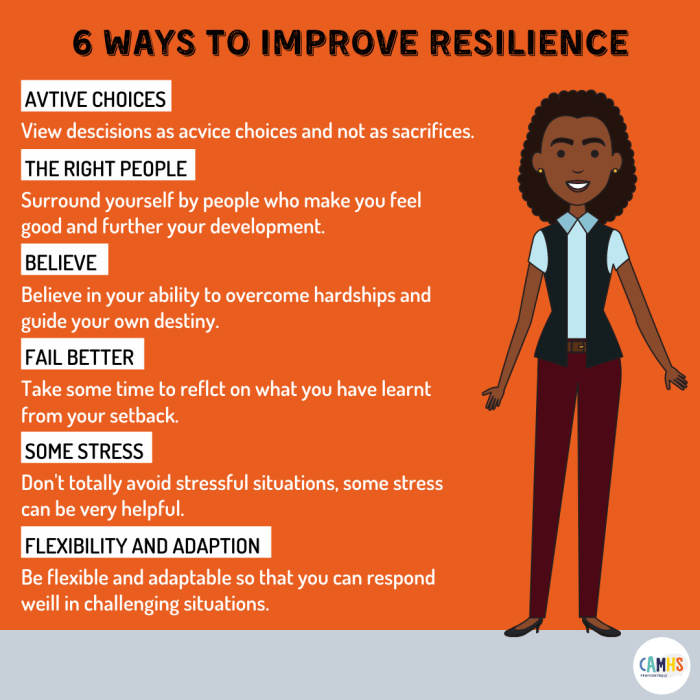
Mental resilience exercises for seniors: Enhancing Wellbeing Through Healthy Habits

Mental resilience exercises for seniors

Healthy Habits

Incorporating healthy habits into a senior’s daily routine is crucial for maintaining mental resilience. This includes physical activity, a balanced diet, and mindfulness practices.

Physical Activity

Regular physical activity is essential for seniors to stay mentally sharp and resilient. Here are some tips to help incorporate daily exercise into their routine:

  • Encourage walking or light aerobic exercises for at least 30 minutes a day.
  • Join group fitness classes tailored for seniors to make exercise more enjoyable.
  • Include strength training exercises to improve muscle mass and bone density.

Balanced Diet

A balanced diet plays a significant role in promoting mental resilience in seniors. Consider the following tips for a healthy diet:

  • Focus on whole foods such as fruits, vegetables, whole grains, lean proteins, and healthy fats.
  • Limit processed foods, sugary snacks, and high-fat foods to maintain overall health.
  • Stay hydrated by drinking an adequate amount of water throughout the day.

Mindfulness Practices

Mindfulness practices can help seniors manage stress and improve emotional wellbeing. Here are some examples of mindfulness exercises they can try:

  • Deep breathing exercises to promote relaxation and reduce anxiety.
  • Meditation sessions to enhance focus, awareness, and emotional balance.
  • Yoga practices to improve flexibility, strength, and mental clarity.

Emotional Wellbeing: Mental Resilience Exercises For Seniors

Mental resilience exercises for seniors
Social connections play a crucial role in maintaining emotional health in older adults. Engaging in meaningful relationships with friends, family, and community members can provide a sense of belonging, support, and companionship, reducing feelings of loneliness and isolation.

Benefits of Engaging in Hobbies or Activities

Participating in hobbies or activities that bring joy and fulfillment can have a positive impact on emotional wellbeing. Whether it’s gardening, painting, or playing music, these activities can help reduce stress, boost mood, and provide a sense of accomplishment.

  • Stress Management Strategies:
  • Practice deep breathing exercises
  • Engage in regular physical activity
  • Try mindfulness or meditation techniques
  • Seek support from a therapist or counselor

It’s important to find healthy ways to cope with stress and anxiety to protect your emotional wellbeing.

Healthy Aging

Mental resilience exercises for seniors – Mental resilience plays a crucial role in promoting healthy aging among seniors. It enables them to adapt to the challenges and changes that come with aging, ultimately leading to a better quality of life.

Regular exercise is key in helping seniors maintain cognitive function as they age. Physical activity not only improves overall health but also enhances brain health by increasing blood flow, reducing inflammation, and promoting the growth of new brain cells.

Brain-Stimulating Activities for Older Adults

  • Engage in puzzles and brainteasers: Activities like crossword puzzles, Sudoku, and word games can help seniors challenge their minds and improve cognitive function.
  • Learn a new skill or hobby: Taking up a new hobby or learning a new skill, such as painting, playing a musical instrument, or gardening, can stimulate the brain and keep it active.
  • Stay socially connected: Interacting with others through social activities, clubs, or volunteering can help seniors stay mentally sharp and engaged.
  • Try memory exercises: Simple memory exercises like trying to recall items on a list or memorizing phone numbers can help seniors maintain and improve their memory skills.

Active Lifestyle

Physical activity plays a crucial role in maintaining overall health and wellbeing, especially for seniors. Engaging in low-impact exercises can not only improve physical strength and flexibility but also boost mental resilience.

Low-Impact Exercises for Seniors

  • Walking: A simple yet effective way to stay active and improve cardiovascular health.
  • Swimming: Gentle on the joints and offers a full-body workout.
  • Yoga: Enhances flexibility, balance, and reduces stress levels.
  • Tai Chi: Improves balance, coordination, and overall body awareness.

Importance of Physical Activity

Regular physical activity is key to maintaining muscle strength, bone density, and reducing the risk of chronic diseases such as heart disease and diabetes. It also helps in managing stress, improving sleep quality, and boosting mood and cognitive function.

Setting Realistic Fitness Goals

It’s important for older adults to set achievable fitness goals that align with their current abilities and health condition.

  • Consult with a healthcare provider before starting any new exercise routine.
  • Start with small, manageable goals and gradually increase intensity or duration.
  • Track progress and celebrate milestones to stay motivated and engaged.
  • List down specific activities or exercises to incorporate into a weekly fitness plan.

Cardiovascular Health

Regular cardiovascular exercises play a crucial role in enhancing mental resilience among seniors. These exercises not only promote physical health but also have a significant impact on cognitive function and overall well-being.

Benefits of Cardiovascular Exercises

  • Improves blood circulation, delivering more oxygen and nutrients to the brain, which can enhance cognitive function and reduce the risk of cognitive decline.
  • Reduces stress and anxiety levels, leading to improved mood and mental clarity.
  • Helps maintain a healthy weight, which can lower the risk of heart disease, high blood pressure, and diabetes, all of which can impact cognitive health.
  • Boosts energy levels and overall sense of well-being, promoting a positive outlook on life.

Heart-Healthy Exercises for Older Adults

  • Brisk walking: A low-impact exercise that can be easily incorporated into daily routines.
  • Swimming: Gentle on the joints and a great way to improve cardiovascular fitness.
  • Cycling: Another low-impact exercise that can be done outdoors or on a stationary bike.
  • Dancing: Fun and social, dancing can help improve heart health and cognitive function.
  • Aerobic classes: Joining a senior-friendly aerobic class can provide a structured workout routine.

Healthy Recipes

When it comes to maintaining brain health and mental resilience, a key component is having a well-balanced diet filled with nutritious foods. By incorporating healthy recipes into your daily meals, seniors can support cognitive function and overall well-being.

Nutrient-packed Smoothies

Smoothies are a great way to pack in essential nutrients and antioxidants that support brain health. Try blending together spinach, berries, Greek yogurt, and a sprinkle of chia seeds for a delicious and nutritious treat.

Salmon with Quinoa and Roasted Vegetables

Salmon is rich in omega-3 fatty acids, which are beneficial for brain health. Pair it with quinoa, a protein-packed grain, and a variety of roasted vegetables like sweet potatoes, broccoli, and bell peppers for a well-rounded and nutritious meal.

Turmeric Lentil Soup

Turmeric has anti-inflammatory properties that can benefit brain health. Prepare a hearty lentil soup with turmeric, carrots, celery, and onions for a flavorful dish that is also packed with nutrients.

Mental Resilience

Mental resilience refers to the ability to adapt and bounce back in the face of adversity, trauma, or stress. For seniors, maintaining mental resilience is crucial as they navigate the challenges that come with aging, such as health issues, loss of loved ones, and changes in physical abilities.

Practicing Gratitude to Boost Mental Resilience

Practicing gratitude can significantly boost mental resilience in older adults by shifting their focus from negative thoughts to positive ones. By expressing thankfulness for the good things in life, seniors can enhance their ability to cope with difficult situations and find joy in everyday moments. Some techniques for practicing gratitude include keeping a gratitude journal, expressing appreciation to others, and focusing on the present moment.

Techniques for Building Resilience

  • Develop a positive mindset: Cultivate optimism and focus on solutions rather than problems.
  • Build a strong support system: Stay connected with friends, family, or support groups for emotional support.
  • Practice self-care: Prioritize activities that promote mental and emotional well-being, such as exercise, meditation, and hobbies.
  • Embrace change: Accept that change is a natural part of life and focus on adapting to new circumstances.
  • Learn from setbacks: View challenges as opportunities for growth and learning rather than failures.

Immune Support

As seniors focus on maintaining their overall health, it is crucial to address the connection between mental resilience and immune function. Stress management plays a critical role in strengthening the immune system, especially for older adults.

Stress Management for Immune Support

Managing stress effectively can have a positive impact on the immune system of seniors. By reducing stress levels, older adults can enhance their body’s ability to fight off infections and illnesses. Here are some immune-boosting activities that can help seniors maintain a strong immune system:

  • Engage in regular physical activity such as walking, yoga, or tai chi to reduce stress and boost overall health.
  • Practice relaxation techniques like deep breathing, meditation, or mindfulness to calm the mind and body.
  • Stay connected with loved ones and engage in social activities to reduce feelings of loneliness and isolation, which can contribute to stress.
  • Get an adequate amount of sleep each night to allow the body to rest and recharge, supporting immune function.
  • Eat a balanced diet rich in fruits, vegetables, whole grains, and lean proteins to provide essential nutrients for a healthy immune system.

Stress Relief

Mental resilience exercises for seniors

As seniors navigate through various challenges in life, it’s essential to equip them with tools to manage stress effectively. By incorporating relaxation techniques into their daily routine, seniors can enhance their mental resilience and overall wellbeing.

Benefits of Meditation and Deep Breathing Exercises, Mental resilience exercises for seniors

  • Meditation can help seniors cultivate mindfulness, reduce anxiety, and promote emotional stability.
  • Deep breathing exercises aid in calming the nervous system, lowering blood pressure, and improving focus and concentration.
  • Both practices can enhance self-awareness, reduce stress hormones, and promote a sense of inner peace and tranquility.

Creating a Calming Environment at Home

  • Encourage seniors to designate a quiet and clutter-free space for relaxation and reflection.
  • Add elements such as soothing music, scented candles, or comfortable seating to create a serene atmosphere.
  • Ensure proper lighting, ventilation, and temperature control to promote relaxation and comfort.
  • Engage seniors in activities like gardening, reading, or listening to nature sounds to foster a sense of calmness and relaxation.

Nutritional Balance

Eating a balanced diet plays a crucial role in maintaining mental resilience in older adults. The nutrients obtained from food can have a significant impact on cognitive function and overall wellbeing.

Role of Specific Nutrients

Specific nutrients are essential for supporting cognitive function and promoting brain health. Some key nutrients include:

  • Omega-3 fatty acids: Found in fatty fish like salmon and walnuts, omega-3s help reduce inflammation in the brain and support overall cognitive function.
  • Antioxidants: Found in fruits and vegetables like berries, spinach, and kale, antioxidants help protect brain cells from damage caused by free radicals.
  • Vitamins B6, B12, and folate: These vitamins play a crucial role in maintaining healthy brain function and reducing the risk of cognitive decline.
  • Iron: Essential for oxygen transport in the blood, iron-rich foods like lean meats, beans, and fortified cereals support cognitive function and energy levels.

Foods for Brain Health

Certain foods are known to promote brain health and overall wellbeing. Including the following in your diet can help enhance mental resilience:

  • Blueberries: Rich in antioxidants, blueberries can help improve memory and cognitive function.
  • Avocados: Packed with healthy fats and vitamins, avocados support brain health and improve mood.
  • Nuts and seeds: Almonds, walnuts, chia seeds, and flaxseeds provide omega-3 fatty acids and other nutrients essential for cognitive function.
  • Leafy greens: Spinach, kale, and other leafy greens are rich in vitamins and antioxidants that support brain health.

FAQs

How important is social connection for mental resilience in seniors?

Social connections play a crucial role in promoting emotional health and resilience in older adults by providing support, reducing feelings of isolation, and boosting overall wellbeing.

What are some low-impact exercises suitable for seniors?

Examples of low-impact exercises include walking, swimming, tai chi, and gentle yoga, which can help improve physical and mental resilience without putting too much strain on the body.

How does stress management contribute to immune function in seniors?

Effective stress management techniques can help reduce the impact of chronic stress on the immune system, thereby strengthening immune function and overall health in older adults.

Yoga routines for an active lifestyle: Enhancing Wellness Through Mindful Movement

Yoga routines for an active lifestyle

Introduction to Yoga Routines for an Active Lifestyle

Yoga is a versatile form of exercise that offers a wide range of benefits for those leading an active lifestyle. From improving flexibility and strength to enhancing overall fitness, yoga routines can be tailored to suit different activity levels and goals.

Benefits of Yoga for Maintaining an Active Lifestyle

  • Enhances Flexibility: Yoga poses stretch and lengthen muscles, increasing flexibility and reducing the risk of injury during other physical activities.
  • Builds Strength: Holding yoga poses requires strength and stability, leading to improved muscle tone and overall strength.
  • Improves Balance and Coordination: Yoga helps to enhance balance and coordination, crucial for various sports and physical activities.

How Yoga Improves Overall Fitness

  • Cardiovascular Health: Certain yoga styles like Vinyasa and Power Yoga can elevate heart rate and improve cardiovascular fitness.
  • Mental Clarity: Yoga practices focus on mindfulness and breathing techniques, reducing stress and improving mental focus for better performance in other activities.
  • Endurance: Regular yoga practice can increase stamina and endurance, allowing individuals to engage in longer and more intense physical activities.

Tailoring Yoga Routines to Different Activity Levels

  • Beginner Level: Start with gentle yoga classes or beginner poses to gradually build strength and flexibility.
  • Intermediate Level: Progress to more challenging poses and sequences to continue improving fitness levels and pushing boundaries.
  • Advanced Level: Advanced practitioners can explore advanced yoga styles like Ashtanga or Bikram Yoga to further enhance their physical capabilities.

Healthy Habits Complementing Yoga Practice

Regular yoga practice can be greatly enhanced by incorporating healthy habits into your daily routine. These habits not only support the physical benefits of yoga but also contribute to overall well-being.

Proper Hydration

Maintaining proper hydration is essential for optimal performance during yoga sessions. Dehydration can lead to fatigue, muscle cramps, and decreased flexibility. Make sure to drink an adequate amount of water throughout the day, especially before and after your practice.

Nutritious Diet

Eating a balanced and nutritious diet plays a crucial role in supporting your yoga practice. Fueling your body with the right nutrients can improve energy levels, aid in muscle recovery, and enhance overall performance. Incorporate plenty of fruits, vegetables, whole grains, and lean proteins into your meals.

Ample Rest

Rest is equally important as physical activity when it comes to maintaining a healthy lifestyle. Ensure you get an adequate amount of sleep each night to allow your body to recover and rejuvenate. Quality rest is essential for muscle repair, cognitive function, and overall well-being.

Mindfulness Practices

Incorporating mindfulness practices such as meditation, deep breathing exercises, or simply being present in the moment can greatly enhance the benefits of yoga. Mindfulness helps reduce stress, improve focus, and promote emotional balance. Try to integrate these practices into your daily routine for a more holistic approach to well-being.

Emotional Wellbeing Through Yoga

Yoga is not only beneficial for physical health but also plays a crucial role in promoting emotional wellbeing. Through a combination of physical postures, breathing exercises, and meditation, yoga can help individuals achieve emotional balance and manage stress effectively.

Techniques for Relaxation and Mental Clarity

  • Pranayama: Breathing techniques in yoga, such as deep breathing or alternate nostril breathing, help calm the mind and reduce stress levels.
  • Yoga Nidra: A guided meditation practice that promotes deep relaxation and enhances mental clarity by systematically relaxing the body and mind.
  • Mindfulness: Practicing mindfulness during yoga sessions by focusing on the present moment can help individuals let go of negative thoughts and emotions.

Connection between Emotional Health and Physical Well-being

Yoga routines for an active lifestyle – Emotional health and physical well-being are closely interconnected in the context of yoga. When individuals experience emotional stress or imbalance, it can manifest in physical symptoms such as muscle tension, headaches, or digestive issues. By practicing yoga regularly to maintain emotional balance, individuals can also improve their physical health and overall quality of life.

Healthy Aging with Yoga

Regular yoga practice can greatly support healthy aging by improving mobility and joint health, which are crucial aspects for seniors or older adults. The gentle stretching, strengthening, and balancing poses in yoga can help maintain flexibility, reduce stiffness, and promote overall physical well-being as we age.

Specific Yoga Poses for Healthy Aging

  • Mountain Pose (Tadasana): Improves posture and balance, strengthens the legs and core.
  • Chair Pose (Utkatasana): Strengthens the lower body, especially the thighs and ankles.
  • Tree Pose (Vrikshasana): Enhances balance, focus, and concentration.
  • Cat-Cow Stretch: Increases spinal flexibility and relieves back pain.
  • Warrior II Pose (Virabhadrasana II): Strengthens the legs, opens the hips, and improves stamina.

Consistency in Yoga Practice for Graceful Aging

  • Regular yoga practice can help maintain muscle strength, joint flexibility, and balance, reducing the risk of falls and injuries.
  • Yoga promotes relaxation and stress reduction, which can contribute to better sleep quality and overall emotional well-being.
  • By incorporating yoga into daily routines, older adults can experience increased vitality, improved mental clarity, and a heightened sense of well-being.
  • Consistency in yoga practice can lead to a more graceful aging process, allowing individuals to stay active, independent, and vibrant as they grow older.

Maintaining an Active Lifestyle with Yoga

Yoga is not just a standalone practice but can also be a valuable addition to an active lifestyle. By incorporating yoga routines into your regular physical activities, you can experience a holistic approach to health and wellness.

Adapting Yoga to Complement Physical Activities

Yoga routines can be customized to complement other physical activities such as running, weightlifting, or team sports. By focusing on flexibility, balance, and core strength, yoga can help improve overall performance in these activities while reducing the risk of injuries.

Preventing Injuries and Enhancing Performance

  • Yoga helps increase flexibility, which can prevent muscle strains and joint injuries during intense physical activities.
  • Improved balance and body awareness from yoga practice can enhance coordination and performance in sports or fitness routines.
  • Strengthening core muscles through yoga can provide stability and support for the body during high-impact activities.

Incorporating Yoga into a Busy, Active Lifestyle

For individuals with busy schedules and active lifestyles, finding time for yoga practice may seem challenging. However, integrating short yoga sessions into your daily routine can offer numerous health benefits:

  • Start your day with a brief yoga sequence to set a positive tone for the day.
  • Use yoga stretches as a cool-down after intense workouts to aid in muscle recovery.
  • Practice mindfulness and relaxation techniques through yoga to reduce stress and improve mental focus.

Cardiovascular Health and Yoga Practices

Yoga routines for an active lifestyle
Regular yoga practice can have a positive impact on cardiovascular health by promoting circulation, reducing stress, and improving overall heart function. The combination of physical postures, breathing techniques, and meditation in yoga can help maintain a healthy heart and prevent cardiovascular diseases.

Yoga Poses for Heart Health

  • Mountain Pose (Tadasana): This pose helps improve posture and circulation, stimulating the heart and promoting blood flow.
  • Cobra Pose (Bhujangasana): Opens up the chest and strengthens the heart muscles, improving circulation.
  • Bridge Pose (Setu Bandhasana): Helps reduce blood pressure and strengthens the heart while improving circulation.
  • Warrior Pose (Virabhadrasana): Enhances cardiovascular endurance and promotes overall heart health.

Comprehensive Approach to Healthy Heart

  • Regular Cardiovascular Exercise: Incorporating yoga with other forms of cardiovascular exercise like running, swimming, or cycling can further improve heart health.
  • Healthy Diet: Eating a balanced diet rich in fruits, vegetables, and whole grains complements yoga practice for a healthy heart.
  • Stress Management: Yoga’s focus on breath control and mindfulness can help reduce stress, which is beneficial for heart health.
  • Regular Check-ups: Monitoring blood pressure, cholesterol levels, and overall heart health through regular check-ups is essential for a comprehensive approach to maintaining a healthy heart.

Healthy Recipes to Support Yoga Practice

When it comes to fueling your body for yoga sessions, choosing nutritious meals is key to enhancing your practice. Pre- and post-yoga meal choices play a crucial role in providing the energy needed for your sessions and aiding in your body’s recovery. Incorporating foods that can boost flexibility, strength, and endurance can further complement your yoga routine.

Nutritious Pre-Yoga Meal Ideas

  • Quinoa with roasted vegetables and a side of avocado for sustained energy
  • Greek yogurt with berries and a sprinkle of chia seeds for a protein-packed snack
  • Smoothie bowl with spinach, banana, and almond butter for a refreshing pre-workout meal

Post-Yoga Recovery Recipes, Yoga routines for an active lifestyle

  • Protein-packed salad with grilled chicken, mixed greens, and quinoa for muscle recovery
  • Sweet potato and black bean tacos with a side of guacamole for a balance of carbs and protein
  • Chia pudding with coconut milk and fresh fruit for a satisfying post-workout treat

Foods to Enhance Flexibility, Strength, and Endurance

  • Leafy greens like kale and spinach for iron and calcium to support muscle function
  • Omega-3-rich foods such as walnuts and flaxseeds for joint health and inflammation reduction
  • Lean protein sources like tofu, tempeh, or grilled fish for muscle recovery and growth

Mental Resilience and Yoga Techniques: Yoga Routines For An Active Lifestyle

Yoga is not only beneficial for physical health but also plays a significant role in building mental resilience and inner strength. Through various yoga techniques, individuals can cultivate a sense of calmness, focus, and emotional stability that can help navigate the challenges of daily life.

Breathing Exercises for Mental Well-being

  • Pranayama, or yogic breathing exercises, are essential in yoga practice for promoting mental well-being. Techniques like deep breathing, alternate nostril breathing, and breath retention can help calm the mind, reduce stress, and increase mental clarity.
  • By focusing on the breath, individuals can cultivate mindfulness and presence, which are key factors in developing mental resilience. Consistent practice of pranayama can lead to a greater sense of inner peace and emotional balance.

Meditation Practices for Mental Resilience

  • Meditation is another powerful tool in yoga that enhances mental resilience by quieting the mind and promoting self-awareness. Practices like mindfulness meditation, loving-kindness meditation, and guided visualizations can help individuals manage stress, anxiety, and negative emotions.
  • Regular meditation practice can rewire the brain, increasing gray matter density in areas associated with emotional regulation and self-control. This can result in improved mental resilience and the ability to cope with challenging situations effectively.

Transformative Power of Yoga on Mental Health

  • Many individuals have experienced profound transformations in their mental health through consistent yoga practice. Stories abound of people overcoming depression, anxiety, and trauma by incorporating yoga into their daily routine.
  • Yoga provides a holistic approach to mental well-being, addressing not only the symptoms but also the root causes of mental health issues. The combination of physical postures, breathing exercises, and meditation creates a balanced practice that fosters mental resilience and emotional strength.

Immune Support Through Yoga

Yoga has been known to have a positive impact on overall health and wellbeing, including boosting the immune system. By incorporating specific yoga poses and practices into your routine, you can help strengthen your immune response and increase vitality. Additionally, the stress-reducing benefits of yoga play a crucial role in supporting a healthy immune system.

Yoga Poses for Immunity

  • Downward Facing Dog: This pose helps improve circulation and lymphatic flow, aiding in the removal of toxins from the body.
  • Bridge Pose: Stimulates the thymus gland, which is responsible for the production of T-cells that fight infections.
  • Tree Pose: Enhances balance and focus, calming the mind and reducing stress which can impact immune function.

Stress Reduction and Immune Function

Chronic stress can weaken the immune system, making the body more susceptible to illness. By practicing yoga regularly, you can lower stress levels, reduce inflammation, and promote a sense of calm that supports a strong immune response.

Stress Relief Strategies with Yoga

Yoga routines for an active lifestyle
Yoga is known for its ability to reduce stress and promote relaxation through various techniques and practices. By incorporating specific yoga routines into your daily life, you can effectively manage stress levels and enhance your overall well-being.

Techniques for Stress Relief in Yoga

  • Deep Breathing: Practicing deep, conscious breathing techniques such as Pranayama can help calm the mind and reduce stress levels.
  • Restorative Poses: Engaging in restorative yoga poses like Child’s Pose, Legs Up the Wall, or Savasana can promote relaxation and release tension in the body.
  • Mindfulness Meditation: Incorporating mindfulness meditation into your yoga practice can help you stay present and focused, reducing anxiety and stress.
  • Yoga Nidra: This guided relaxation technique can induce a deep state of relaxation, allowing your body and mind to unwind and release stress.

Physiological Effects of Yoga on Stress Hormones

Yoga has been shown to lower cortisol levels, the primary stress hormone, and activate the parasympathetic nervous system, promoting relaxation and reducing the body’s stress response.

Yoga Sequences for Stress Management

  • Sun Salutations (Surya Namaskar): This dynamic sequence of yoga poses can help energize the body while calming the mind, making it a great stress-relief practice.
  • Forward Folds: Poses like Uttanasana (Standing Forward Bend) or Paschimottanasana (Seated Forward Bend) can help release tension in the back and hamstrings, promoting relaxation.
  • Twists: Twisting poses like Bharadvajasana (Bharadvaja’s Twist) can help massage the abdominal organs and release tension, offering stress relief.
  • Corpse Pose (Savasana): Ending your yoga practice with Savasana allows for complete relaxation, reducing stress and promoting a sense of peace.

Achieving Nutritional Balance Alongside Yoga

Maintaining a balanced diet is crucial when practicing yoga as it provides the necessary nutrients to support your body’s needs during physical activity. A well-balanced diet not only fuels your yoga practice but also contributes to overall health and wellbeing. Let’s explore the importance of achieving nutritional balance alongside yoga.

Tips for Maintaining Nutritional Balance

  • Aim for a variety of fruits, vegetables, whole grains, lean proteins, and healthy fats to ensure you are getting a wide range of nutrients.
  • Stay hydrated by drinking plenty of water throughout the day, especially before and after yoga sessions to support muscle function and recovery.
  • Avoid processed foods, sugary snacks, and excessive caffeine, as they can lead to energy crashes and hinder your yoga performance.
  • Consider incorporating superfoods like chia seeds, quinoa, and leafy greens into your meals for an added nutritional boost.

Connection Between Food Choices and Yoga Performance

What you eat directly impacts your energy levels, focus, and physical performance during yoga. By fueling your body with nutrient-dense foods, you can enhance your practice and maintain optimal health. Strive to make mindful food choices that align with your yoga goals and support your overall wellbeing.

Questions Often Asked

How often should I practice yoga for an active lifestyle?

Consistency is key. Aim for at least 3-5 sessions per week to experience optimal benefits.

Can beginners start yoga routines for an active lifestyle?

Absolutely! Start with beginner-friendly poses and gradually increase intensity as you progress.

Is yoga alone enough to maintain an active lifestyle?

While yoga offers numerous benefits, combining it with other physical activities can further enhance your overall fitness levels.

Importance of exercise for healthy aging: Key to a vibrant and active lifestyle

Importance of exercise for healthy aging

Healthy Habits

Importance of exercise for healthy aging
Regular exercise is a key component of maintaining overall health, especially as we age. However, incorporating other healthy habits into our daily routines can further enhance the benefits of exercise and contribute to a better quality of life.

Examples of Healthy Habits

  • Eating a balanced diet rich in fruits, vegetables, whole grains, and lean proteins.
  • Staying hydrated by drinking an adequate amount of water throughout the day.
  • Getting enough sleep to allow the body to rest and recover properly.
  • Managing stress through relaxation techniques such as meditation or yoga.
  • Engaging in social activities to maintain connections with others and promote mental well-being.

Consistency in these healthy habits is crucial for maximizing the benefits of exercise and promoting overall well-being. By making these habits a regular part of our daily routines, we can support our physical, mental, and emotional health as we age, leading to a more fulfilling and active lifestyle.

Emotional Wellbeing

Regular exercise is not only beneficial for physical health but also plays a crucial role in maintaining emotional wellbeing as we age. Physical activity has been linked to improvements in mood, reduced feelings of anxiety and depression, and overall better mental health.

Impact of Exercise on Mental Health

Physical activity can positively impact mental health in the aging process by releasing endorphins, which are often referred to as “feel-good” hormones. Endorphins are neurotransmitters that act as natural painkillers and mood elevators. When we engage in exercise, our bodies release endorphins, leading to a sense of euphoria and overall well-being. This can help combat feelings of stress, anxiety, and depression commonly experienced in older adults.

  • Regular exercise can help reduce symptoms of depression and anxiety.
  • Physical activity promotes better sleep quality, which is essential for emotional health.
  • Exercise can boost self-esteem and confidence, leading to a more positive outlook on life.

Healthy Aging

Importance of exercise for healthy aging
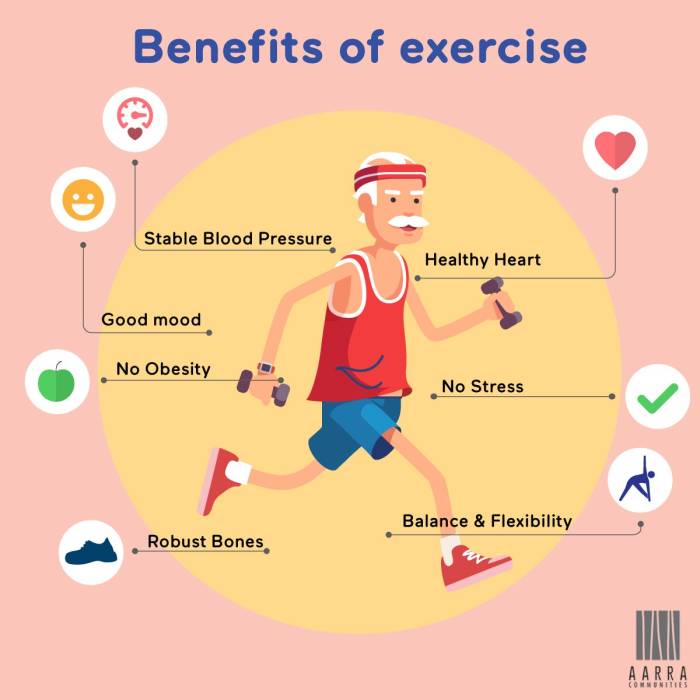
Regular exercise is essential for promoting healthy aging as it helps maintain overall physical health, cognitive function, and emotional wellbeing. Exercise can help older adults stay independent, reduce the risk of chronic diseases, and improve quality of life.

Benefits of Exercise for Aging Individuals

  • Strength training exercises, such as lifting weights or using resistance bands, can help maintain muscle mass and bone density, reducing the risk of falls and fractures.
  • Aerobic exercises like walking, swimming, or cycling can improve cardiovascular health, endurance, and stamina.
  • Flexibility and balance exercises, such as yoga or tai chi, can help prevent falls and maintain mobility.

Impact of Exercise on Cognitive Function and Mobility

Exercise has been shown to have a positive impact on cognitive function in older adults. Regular physical activity can help improve memory, attention, and processing speed, reducing the risk of cognitive decline and dementia. Additionally, exercise can enhance mood, reduce stress, and improve sleep quality, contributing to emotional wellbeing in aging individuals.

In terms of mobility, exercise plays a crucial role in maintaining independence and functional ability as we age. By engaging in regular physical activity, older adults can improve balance, coordination, and flexibility, reducing the risk of mobility limitations and maintaining a high quality of life.

Active Lifestyle

An active lifestyle for older adults involves engaging in regular physical activity, such as walking, swimming, or tai chi, to maintain overall health and well-being. It also includes participating in social activities and hobbies to stay mentally and emotionally stimulated.

Tips for Maintaining an Active Lifestyle

  • Start with activities you enjoy: Choose exercises that you find fun and engaging to increase the likelihood of sticking with them.
  • Set realistic goals: Establish achievable goals for physical activity and social engagement to track your progress and stay motivated.
  • Stay consistent: Make physical activity and social interactions a regular part of your routine to maintain an active lifestyle.
  • Find a buddy: Exercise with a friend or join a group to stay motivated and accountable.
  • Stay curious: Explore new activities, classes, or hobbies to keep your mind and body active.

Benefits of Staying Active

  • Improved physical health: Regular exercise can help maintain muscle strength, flexibility, and cardiovascular health as you age.
  • Enhanced mental well-being: Staying active can reduce the risk of depression, anxiety, and cognitive decline in older adults.
  • Social engagement: Participating in group activities or classes can help prevent feelings of loneliness and isolation, promoting a sense of community and connection.
  • Increased independence: Maintaining an active lifestyle can improve balance, coordination, and overall mobility, reducing the risk of falls and injuries.
  • Quality of life: By staying active, older adults can enjoy a higher quality of life, with more energy, vitality, and a positive outlook on aging.

Cardiovascular Health

Regular exercise plays a crucial role in maintaining cardiovascular health, especially as individuals age. Engaging in physical activity helps to strengthen the heart muscle, improve blood circulation, and lower blood pressure, reducing the risk of heart disease and stroke.

Examples of Cardiovascular Exercises for Older Adults

  • Walking: A low-impact activity that can be easily incorporated into daily routines.
  • Swimming: Gentle on the joints and provides a full-body workout.
  • Cycling: Helps improve cardiovascular fitness while being easy on the knees.
  • Dancing: Fun and social way to get the heart pumping and improve circulation.

Impact of Regular Exercise on Reducing Risk of Heart Disease and Stroke

Regular physical activity helps to reduce the risk factors associated with heart disease and stroke, such as high cholesterol, high blood pressure, and obesity. By maintaining a healthy weight, improving circulation, and strengthening the heart, older adults can significantly lower their chances of developing cardiovascular issues. It is essential to consult with a healthcare professional before starting any new exercise regimen, especially for individuals with pre-existing conditions.

Healthy Recipes

Importance of exercise for healthy aging – When it comes to healthy aging, a balanced diet plays a crucial role in conjunction with regular exercise. Nutritious recipes can complement your workout routine and contribute to overall well-being. Here, we will explore the importance of incorporating healthy recipes into your daily meals and provide tips on meal planning for older adults.

Nutritious Breakfast Ideas

Starting your day with a nutritious breakfast sets the tone for healthy eating throughout the day. Consider options like:

  • Egg white omelette with vegetables
  • Greek yogurt with mixed berries and nuts
  • Oatmeal topped with sliced bananas and chia seeds

Wholesome Lunch and Dinner Options

For lunch and dinner, focus on incorporating lean protein, whole grains, and plenty of vegetables. Some ideas include:

  • Baked salmon with quinoa and roasted vegetables
  • Grilled chicken salad with avocado and a light vinaigrette dressing
  • Vegetable stir-fry with tofu and brown rice

Smart Snack Choices

Snacking can be a part of a healthy diet when you choose nutrient-dense options. Consider snacks like:

  • Raw veggies with hummus
  • Handful of almonds or walnuts
  • Apple slices with almond butter

Meal Planning Tips for Older Adults

Planning your meals in advance can help you make healthier choices and avoid impulsive eating. Some tips for meal planning include:

  1. Include a variety of colorful fruits and vegetables in your meals.
  2. Opt for whole grains like brown rice, quinoa, or whole wheat pasta.
  3. Limit processed foods and opt for fresh, whole ingredients.
  4. Stay hydrated by drinking plenty of water throughout the day.

Mental Resilience

Regular exercise plays a crucial role in building mental resilience in older adults. It not only helps in improving cognitive function but also enhances emotional well-being, which are key components of mental resilience.

Benefits of Exercise for Mental Resilience

  • Exercise stimulates the release of endorphins, which are known as “feel-good” hormones, reducing stress and anxiety levels.
  • Physical activity promotes better sleep patterns, leading to improved mood and cognitive function.
  • Regular exercise can enhance memory and concentration, contributing to better problem-solving skills and decision-making abilities.

Examples of Mental Exercises

  • Engaging in puzzles, crosswords, or brain games to keep the mind sharp and alert.
  • Practicing mindfulness and meditation to reduce negative thinking patterns and increase resilience to stress.
  • Participating in social activities and staying connected with friends and family to build a support system and boost mental well-being.

Connection Between Physical and Mental Health

Regular physical activity not only improves physical health but also has a significant impact on mental well-being. The connection between physical and mental health in maintaining resilience with age is undeniable. A healthy body leads to a healthy mind, and vice versa. By staying active and engaging in regular exercise, older adults can enhance their mental resilience, cope better with challenges, and maintain a positive outlook on life.

Immune Support

Regular exercise plays a crucial role in boosting the immune system of aging individuals. By engaging in physical activity, older adults can enhance their body’s ability to fight off infections and illnesses, ultimately leading to better overall health and well-being.

Benefits of Exercise for Immune Health

Regular physical activity has been shown to improve immune function by increasing the circulation of white blood cells, which are responsible for fighting off pathogens and infections. Exercise also helps reduce inflammation in the body, which can contribute to a stronger immune response. Additionally, staying active can enhance the production of antibodies and T-cells, further enhancing the body’s ability to defend against harmful invaders.

  • Examples of Exercises for Immune Health:
  • – Aerobic exercises like walking, jogging, or cycling can help improve cardiovascular health and boost overall immune function.

    – Strength training exercises, such as weightlifting or bodyweight exercises, can help maintain muscle mass and strength, which is important for overall immune health.

    – Yoga and tai chi can help reduce stress levels, which can have a positive impact on immune function.

Reducing Risk of Infections and Illnesses

Regular exercise can significantly reduce the risk of infections and illnesses in older adults by improving overall immune function. By maintaining an active lifestyle, individuals can lower their chances of developing chronic conditions that weaken the immune system, such as heart disease, diabetes, and obesity. Furthermore, exercise can help older adults recover more quickly from illnesses and infections, allowing them to maintain their independence and quality of life as they age.

Stress Relief

Regular exercise plays a crucial role in stress reduction and management, especially as we age. Physical activity has been shown to lower cortisol levels, the hormone responsible for stress, and increase endorphins, the brain’s feel-good neurotransmitters. This combination helps combat stress and improve overall mental wellbeing.

Techniques and Strategies for Stress Relief

  • Engage in aerobic exercises like walking, swimming, or cycling, as they have been proven to reduce anxiety and stress levels.
  • Practice mindfulness and meditation to calm the mind and promote relaxation. Even short sessions can have a significant impact on stress levels.
  • Incorporate strength training exercises to release tension in the body and improve mood through the release of endorphins.
  • Join group exercise classes or activities to socialize and build a support system, which can help alleviate stress through shared experiences.

Importance of Relaxation Exercises

While physical activity is essential for stress relief, incorporating relaxation exercises is equally important. Techniques like deep breathing, progressive muscle relaxation, and yoga can help reduce muscle tension, lower blood pressure, and promote a sense of calmness. By combining these relaxation practices with regular exercise, individuals can effectively manage stress and improve their overall quality of life.

Nutritional Balance: Importance Of Exercise For Healthy Aging

Maintaining a balanced diet is crucial for healthy aging, especially when combined with regular exercise. Proper nutrition provides essential nutrients that support overall well-being and longevity in older adults. The synergy between nutrition and exercise plays a vital role in promoting healthy aging and ensuring a high quality of life.

Nutrient-rich Foods for an Active Lifestyle, Importance of exercise for healthy aging

Eating a variety of nutrient-rich foods is important for older adults to support an active lifestyle. Some examples include:

  • Leafy green vegetables like spinach and kale, which are rich in vitamins and minerals that support muscle function and bone health.
  • Fatty fish such as salmon and mackerel, which are high in omega-3 fatty acids that help reduce inflammation and support heart health.
  • Whole grains like quinoa and brown rice, which provide sustained energy for physical activity and fiber for digestive health.
  • Lean proteins like chicken, tofu, and legumes, which support muscle maintenance and repair.
  • Fruits and berries, which are packed with antioxidants that help protect cells from damage and boost immune function.

Synergy between Nutrition and Exercise

Nutrition and exercise work hand in hand to promote overall well-being and longevity. A balanced diet provides the necessary nutrients to fuel physical activity, repair tissues, and maintain organ function. Regular exercise helps improve nutrient absorption, metabolism, and circulation, enhancing the benefits of a healthy diet. Together, nutrition and exercise support healthy aging by reducing the risk of chronic diseases, maintaining cognitive function, and preserving mobility in older adults.

Questions Often Asked

How often should older adults exercise?

Older adults should aim for at least 150 minutes of moderate-intensity aerobic activity per week, along with muscle-strengthening exercises on two or more days a week.

What are some low-impact exercises suitable for aging individuals?

Walking, swimming, tai chi, and yoga are excellent low-impact exercises that are gentle on the joints and beneficial for older adults.

Can exercise help with cognitive function in older adults?

Absolutely. Regular physical activity has been shown to improve cognitive function, memory, and overall brain health in older adults.