Healthy Habits
Incorporating healthy habits into daily routines is crucial for maintaining emotional wellbeing. These habits not only have a positive impact on our mental health but also contribute to overall wellbeing.
Examples of Healthy Habits
- Eating a balanced diet rich in nutrients and vitamins.
- Regular physical exercise to release endorphins and reduce stress.
- Getting an adequate amount of sleep each night for rest and rejuvenation.
- Practicing mindfulness and meditation to calm the mind and reduce anxiety.
- Engaging in hobbies and activities that bring joy and fulfillment.
Consistent Healthy Habits and Overall Wellbeing
Emotional wellbeing and the importance of social support – Consistency is key when it comes to healthy habits. By incorporating these practices into our daily routines, we create a stable foundation for emotional wellbeing. Over time, these habits become second nature and have a lasting positive impact on our mental health. It is important to prioritize self-care and make these habits a priority in order to achieve overall wellbeing.
Emotional Wellbeing
Emotional wellbeing refers to the state of being able to understand and manage your feelings in a positive and constructive way. It is a crucial aspect of maintaining a balanced life as it impacts how we think, feel, and act in everyday situations. When we are emotionally well, we can cope with stress, build strong relationships, and navigate the challenges of life more effectively.
Strategies to Improve Emotional Wellbeing through Social Support
Social support plays a key role in enhancing emotional wellbeing. Here are some strategies to improve emotional wellbeing through social support:
- Stay connected: Regularly communicate with friends, family, or support groups to share your thoughts and feelings.
- Seek help when needed: Don’t hesitate to reach out to a counselor or therapist for professional support when dealing with emotional challenges.
- Practice active listening: Show empathy and understanding towards others to strengthen your relationships and build a supportive network.
- Engage in activities: Participate in group activities or hobbies that bring you joy and allow you to connect with others.
The Connection between Emotional Wellbeing and Mental Health
Emotional wellbeing and mental health are closely intertwined. Emotional wellbeing refers to how we experience and manage emotions, while mental health encompasses our overall psychological well-being. When we prioritize our emotional wellbeing by seeking support, managing stress effectively, and fostering healthy relationships, we can positively impact our mental health and overall quality of life.
Healthy Aging
Emotional wellbeing plays a crucial role in the process of healthy aging. It can impact physical health, cognitive function, and overall quality of life as individuals grow older. Maintaining a positive outlook, managing stress effectively, and fostering strong social connections are key components of emotional wellbeing that can contribute to healthy aging.
The Role of Emotional Wellbeing in Healthy Aging
Emotional wellbeing can help older adults cope with the challenges that come with aging, such as chronic health conditions, loss of loved ones, and changes in independence. By staying emotionally resilient, older adults can better adapt to these changes and maintain a sense of purpose and fulfillment in their lives.
- Engage in activities that bring joy and fulfillment, such as hobbies, social gatherings, or volunteering.
- Practice mindfulness and relaxation techniques to reduce stress and promote emotional balance.
- Seek professional help if needed, such as therapy or counseling, to address any emotional concerns or mental health issues.
- Stay connected with friends and family members for social support and companionship.
Enhancing Quality of Life Through Social Support
Social support is essential for enhancing the quality of life as individuals age. Having a strong network of friends, family, and community connections can provide emotional support, companionship, and a sense of belonging that can positively impact overall wellbeing.
Social support has been linked to lower rates of depression, better physical health outcomes, and increased longevity in older adults.
- Stay connected with loved ones through regular communication, visits, or shared activities.
- Join social groups, clubs, or organizations that align with personal interests to meet new people and build a sense of community.
- Volunteer for causes that matter to you, as helping others can provide a sense of purpose and fulfillment.
- Consider joining support groups or therapy sessions to connect with others who may be facing similar challenges or life transitions.
Promoting Emotional Wellbeing in Older Adults
It’s important to prioritize emotional wellbeing in older adults to support healthy aging and overall quality of life. By implementing strategies to promote emotional health, older adults can improve their resilience, coping skills, and sense of fulfillment as they navigate the aging process.
- Stay physically active through regular exercise, which can boost mood and reduce the risk of depression.
- Practice gratitude and positive thinking to cultivate a more optimistic outlook on life.
- Engage in meaningful activities that bring a sense of purpose and fulfillment, such as pursuing hobbies, volunteering, or learning new skills.
- Stay socially connected by reaching out to friends and family members, participating in social events, or joining community activities.
Active Lifestyle
Regular physical activity plays a significant role in promoting emotional wellbeing. Engaging in an active lifestyle can have a positive impact on one’s mental health by reducing stress, anxiety, and depression.
Physical Activity and Emotional Health
- Physical activity releases endorphins, also known as “feel-good” hormones, which can improve mood and overall sense of well-being.
- Regular exercise can help alleviate symptoms of anxiety and depression, providing a natural way to boost mental health.
- Improvements in self-esteem and confidence are often observed in individuals who maintain an active lifestyle.
Importance of Social Interactions
- Having social support and interacting with others while being physically active can enhance the emotional benefits of exercise.
- Participating in group activities or team sports can promote a sense of belonging and camaraderie, reducing feelings of loneliness and isolation.
- Friends or workout buddies can provide motivation, encouragement, and accountability, making it easier to stick to a regular exercise routine.
Cardiovascular Health
Emotional wellbeing plays a crucial role in cardiovascular health. When individuals experience chronic stress, anxiety, or depression, it can lead to an increase in blood pressure, heart rate, and overall strain on the heart. This can contribute to the development of heart disease and other cardiovascular conditions.
Connection between Emotional Wellbeing and Cardiovascular Health
Chronic negative emotions can lead to the release of stress hormones like cortisol, which can cause inflammation in the body. This inflammation can damage blood vessels and increase the risk of atherosclerosis, a condition where plaque builds up in the arteries, restricting blood flow to the heart.
- Engaging in stress-reducing activities like meditation, yoga, or deep breathing exercises can help improve emotional wellbeing and reduce the risk of cardiovascular issues.
- Regular physical activity can also have a positive impact on both emotional health and cardiovascular health by releasing endorphins, reducing stress, and improving heart function.
- Building strong social connections and seeking support from friends and family can provide a buffer against stress and improve overall emotional wellbeing, which in turn benefits cardiovascular health.
Social Support and Cardiovascular Health
Having a strong support system can influence cardiovascular health outcomes by reducing feelings of isolation and loneliness, which are linked to an increased risk of heart disease. Social support can provide emotional comfort, practical help, and a sense of belonging, all of which contribute to lower stress levels and better heart health.
- Joining a community group, volunteering, or participating in team sports are great ways to connect with others and improve social support, benefiting both emotional and cardiovascular health.
- Regularly checking in with friends and family, sharing experiences, and seeking advice or guidance when needed can strengthen social connections and promote a healthier heart.
- Attending support groups or therapy sessions can also be beneficial for individuals dealing with emotional challenges that may impact their cardiovascular health.
Healthy Recipes
When it comes to emotional wellbeing, nutrition plays a crucial role in supporting mental health. Eating a healthy, balanced diet can have a significant impact on our mood, energy levels, and overall emotional state. By incorporating nutrient-rich foods into our meals, we can enhance our emotional wellbeing and maintain a positive mindset.
Here are some examples of foods that are beneficial for emotional health:
Foods for Emotional Health
- Fatty fish such as salmon, mackerel, and sardines are rich in omega-3 fatty acids, which have been linked to lower rates of depression and anxiety.
- Dark leafy greens like spinach and kale are high in folate, a B vitamin that helps regulate mood and reduce symptoms of depression.
- Berries such as blueberries, strawberries, and raspberries are packed with antioxidants that can help combat stress and inflammation in the body.
- Nuts and seeds like almonds, walnuts, and chia seeds are good sources of healthy fats and magnesium, which can help improve mood and reduce anxiety.
A balanced diet that includes a variety of fruits, vegetables, whole grains, lean proteins, and healthy fats is essential for supporting overall emotional wellbeing. By focusing on nutrient-dense foods and avoiding processed foods high in sugar and unhealthy fats, we can nourish our bodies and minds to promote better mental health.
Mental Resilience
Mental resilience refers to the ability to adapt and bounce back from difficult situations, maintaining a positive outlook despite facing adversity. It plays a crucial role in maintaining emotional wellbeing and overall mental health.
Building and Enhancing Mental Resilience
There are several strategies that can help in building and enhancing mental resilience:
- Developing a growth mindset, focusing on learning and growth rather than fixed abilities.
- Practicing mindfulness and meditation to increase self-awareness and emotional regulation.
- Setting realistic goals and breaking them down into manageable steps.
- Building strong social connections and seeking support from friends and family.
- Engaging in regular physical exercise to reduce stress and improve overall well-being.
Role of Social Support in Fostering Mental Resilience
Social support plays a crucial role in fostering mental resilience, especially during challenging times. Having a strong support system can provide a sense of belonging, reduce feelings of isolation, and offer practical help and guidance when needed. It can also boost self-esteem and confidence, helping individuals navigate through tough situations with greater resilience and strength.
Immune Support
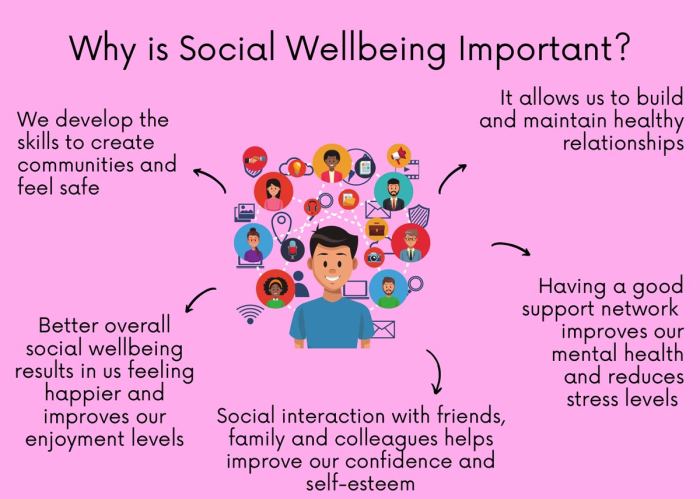
Emotional wellbeing plays a crucial role in supporting immune function. When we are emotionally balanced and content, our immune system tends to function more efficiently, helping us fight off infections and illnesses more effectively.
Relationship Between Emotional Wellbeing and Immune Function
- Positive emotions such as happiness and contentment can boost immune responses, increasing the production of antibodies and enhancing the activity of immune cells.
- On the other hand, chronic stress, anxiety, and negative emotions can weaken the immune system, making us more susceptible to infections and diseases.
Social Support and Immune System Responses
- Having a strong social support system can have a positive impact on immune health. Feeling connected to others and having a supportive network can reduce stress levels and improve overall emotional wellbeing, consequently enhancing immune function.
- Studies have shown that individuals with strong social ties tend to have better immune responses and recover more quickly from illnesses compared to those who are socially isolated.
Impact of Stress on Immune Health, Emotional wellbeing and the importance of social support
- Chronic stress can lead to the release of stress hormones such as cortisol, which can suppress immune function and increase inflammation in the body, making us more vulnerable to infections.
- Ways to mitigate the impact of stress on immune health include practicing relaxation techniques, engaging in activities that bring joy, seeking emotional support from friends and family, and maintaining a healthy work-life balance.
Stress Relief: Emotional Wellbeing And The Importance Of Social Support
Effective stress relief is essential for improving emotional wellbeing and overall mental health. Managing and reducing stress levels can have a significant impact on one’s quality of life. Social support plays a crucial role in helping individuals cope with stress and navigate through challenging situations. In addition to social support, incorporating relaxation techniques and activities into daily routines can promote emotional balance and provide much-needed stress relief.
Strategies for Effective Stress Relief
- Engage in regular physical activity: Exercise releases endorphins, which are known to improve mood and reduce stress levels.
- Practice mindfulness and meditation: Mindfulness techniques can help individuals stay present and calm in stressful situations.
- Establish a healthy sleep routine: Prioritizing sleep and ensuring an adequate amount each night can help in managing stress effectively.
- Connect with others: Building and maintaining strong social connections can provide emotional support and reduce feelings of isolation.
Role of Social Support in Managing Stress
- Social support from friends, family, or support groups can offer a sense of belonging and understanding during times of stress.
- Having someone to talk to and share experiences with can help in processing emotions and finding solutions to stressors.
- Receiving encouragement and validation from others can boost self-esteem and resilience in dealing with stress.
Relaxation Techniques for Stress Relief
- Deep breathing exercises: Taking slow, deep breaths can help calm the nervous system and reduce stress levels.
- Progressive muscle relaxation: Tensing and relaxing different muscle groups can release physical tension and promote relaxation.
- Engage in hobbies or activities you enjoy: Doing things that bring you joy and relaxation can distract from stressors and improve mood.
- Spending time in nature: Connecting with the outdoors and engaging in activities like walking or hiking can have a calming effect on the mind.
Nutritional Balance
Maintaining a nutritional balance is crucial for supporting emotional wellbeing. The food we eat plays a significant role in regulating our mood and overall mental health. A well-balanced diet can provide the necessary nutrients for optimal brain function and emotional stability.
Tips for Achieving a Balanced Diet for Emotional Health
- Include a variety of fruits and vegetables in your meals to ensure you get a wide range of vitamins and minerals.
- Incorporate whole grains, lean proteins, and healthy fats into your diet for sustained energy and brain health.
- Avoid processed foods high in sugar and unhealthy fats, as they can lead to mood swings and energy crashes.
- Stay hydrated by drinking plenty of water throughout the day to support cognitive function and overall wellbeing.
- Limit caffeine and alcohol intake, as excessive consumption can negatively impact your mood and emotional balance.
Impact of Nutritional Imbalances on Emotional Wellbeing
Nutritional imbalances, such as deficiencies in essential nutrients like omega-3 fatty acids, vitamin D, and B vitamins, can contribute to mood disorders like depression and anxiety. It’s important to address these imbalances through dietary changes or supplementation to support emotional wellbeing. Remember, a healthy diet is not only beneficial for your physical health but also plays a crucial role in maintaining a positive emotional state.
Questions Often Asked
How does social support impact emotional wellbeing?
Social support plays a crucial role in enhancing emotional wellbeing by providing a sense of belonging, security, and comfort.
What are some examples of activities that promote emotional balance?
Activities such as meditation, yoga, and spending time with loved ones can promote emotional balance and well-being.
Why is mental resilience important for emotional wellbeing?
Mental resilience helps individuals navigate challenges and setbacks, leading to greater emotional strength and well-being.