Manage Stress: Identify & Eliminate Triggers

How to identify and eliminate triggers for better stress management

How to identify and eliminate triggers for better stress management is a crucial skill in today’s fast-paced world. Stress, a constant companion in modern life, can manifest in various ways, often triggered by seemingly insignificant events. Understanding the root causes of stress and learning to effectively manage triggers is essential for achieving a healthier and more balanced life.

This guide delves into the intricate relationship between stress and triggers, providing practical strategies to identify, eliminate, and cope with these stressors. By exploring the science behind stress and its triggers, we’ll empower you to take control of your emotional well-being and create a life free from the overwhelming effects of chronic stress.

Understanding Stress Triggers: How To Identify And Eliminate Triggers For Better Stress Management

How to identify and eliminate triggers for better stress management

To effectively manage stress, it’s crucial to understand what triggers it in your life. Triggers are specific events, situations, or thoughts that lead to a stress response. Identifying and managing these triggers is a key step in reducing stress levels.

Types of Stress Triggers

Stress triggers can be categorized into two main types: internal and external. Internal triggers originate from within you, while external triggers come from your environment.

  • Internal Triggers:These triggers arise from your own thoughts, feelings, and beliefs. Common examples include:
    • Negative self-talk: Constantly criticizing yourself or dwelling on past mistakes.
    • Worries and anxieties: Overthinking about potential problems or future uncertainties.
    • Perfectionism: Setting unrealistic expectations for yourself and feeling inadequate when you don’t meet them.
    • Unrealistic expectations: Holding beliefs about yourself or others that are not grounded in reality.
  • External Triggers:These triggers are external events or situations that cause stress. Examples include:
    • Work deadlines: Feeling pressured to meet tight deadlines or manage multiple tasks.
    • Financial worries: Concerns about money, debt, or job security.
    • Relationship conflicts: Disagreements with family, friends, or romantic partners.
    • Traffic jams: Experiencing delays and frustration while commuting.
    • Noise pollution: Living in a noisy environment that disrupts your peace.

How Triggers Manifest

Triggers can manifest physically and emotionally, leading to various stress symptoms.

  • Physical Manifestations:These include:
    • Increased heart rate: Your heart beats faster as your body prepares for a “fight or flight” response.
    • Muscle tension: You might experience tightness in your shoulders, neck, or back.
    • Shallow breathing: Your breathing becomes rapid and shallow.
    • Digestive issues: You might experience nausea, stomach cramps, or diarrhea.
    • Headaches: Stress can trigger tension headaches or migraines.
  • Emotional Manifestations:These include:
    • Anxiety: Feeling overwhelmed, restless, or apprehensive.
    • Irritability: Becoming easily frustrated or angered.
    • Depression: Feeling sad, hopeless, or withdrawn.
    • Panic attacks: Experiencing sudden episodes of intense fear and physical symptoms.
    • Difficulty concentrating: Finding it hard to focus on tasks or remember things.

The Role of Nutrition

Your diet plays a crucial role in your stress levels. Certain foods can fuel anxiety and negativity, while others can help you feel calm and balanced. Understanding how food affects your mood and stress response is a powerful tool for managing stress.

Foods That Support Stress Reduction and Emotional Balance

A balanced diet rich in nutrients can significantly contribute to stress reduction and emotional well-being.

  • Omega-3 Fatty Acids:Found in fatty fish like salmon, tuna, and mackerel, omega-3 fatty acids have been shown to reduce inflammation and improve mood.
  • Complex Carbohydrates:Whole grains, legumes, and vegetables provide sustained energy and help stabilize blood sugar levels, preventing mood swings and irritability.
  • B Vitamins:These vitamins are essential for energy production and nerve function. Good sources include leafy green vegetables, whole grains, and lean meats.
  • Magnesium:This mineral helps regulate stress hormones and promote relaxation. Magnesium-rich foods include almonds, spinach, and avocado.
  • Probiotics:These beneficial bacteria in fermented foods like yogurt and sauerkraut can improve gut health, which is linked to mental well-being.

Designing a Meal Plan

A balanced meal plan that incorporates these stress-reducing foods can be simple and delicious.

  • Breakfast:Start your day with a bowl of oatmeal topped with berries and nuts, or a smoothie with spinach, banana, and yogurt.
  • Lunch:Opt for a salad with grilled salmon or a lentil soup with whole-grain bread.
  • Dinner:Enjoy a stir-fry with tofu, vegetables, and brown rice, or a baked chicken breast with roasted vegetables.
  • Snacks:Keep healthy snacks on hand like almonds, Greek yogurt, or fruit.

Identifying and Avoiding Stress-Inducing Foods, How to identify and eliminate triggers for better stress management

While certain foods can promote calmness and balance, others can contribute to stress and anxiety.

  • Processed Foods:High in sugar, unhealthy fats, and artificial ingredients, processed foods can cause blood sugar spikes and crashes, leading to mood swings and irritability.
  • Caffeine:While a cup of coffee can provide a temporary boost, excessive caffeine can trigger anxiety and restlessness.
  • Alcohol:Alcohol is a depressant and can disrupt sleep, making you more susceptible to stress.
  • Sugar:Sugar can lead to blood sugar fluctuations, which can cause mood swings and irritability.

Supplements for Stress Management

While a healthy lifestyle and stress management techniques are essential, certain supplements can provide additional support for stress reduction. These supplements work by influencing various biochemical pathways in the body, helping to regulate mood, reduce anxiety, and promote relaxation.

Magnesium

Magnesium is a mineral that plays a crucial role in over 300 bodily processes, including neurotransmitter function, muscle relaxation, and blood sugar regulation. It’s often referred to as the “relaxation mineral” due to its calming effects on the nervous system.

  • Benefits:Magnesium can help reduce anxiety, improve sleep quality, and alleviate muscle tension. It may also help regulate blood sugar levels, which can contribute to stress management.
  • Drawbacks:While generally safe, excessive magnesium intake can cause digestive issues like diarrhea. It’s important to consult with a healthcare professional to determine the appropriate dosage.

B Vitamins

B vitamins are essential for energy production, nerve function, and the synthesis of neurotransmitters like serotonin and dopamine, which play a role in mood regulation.

  • Benefits:B vitamins, particularly B6, B9 (folate), and B12, can help improve mood, reduce fatigue, and promote mental clarity, all of which contribute to better stress management.
  • Drawbacks:B vitamins are generally safe in recommended doses, but excessive intake of certain B vitamins, such as B6, can lead to nerve damage. It’s essential to follow recommended dosage guidelines.

Adaptogens

Adaptogens are a group of herbs and plants that help the body adapt to stress. They are believed to enhance the body’s resilience to physical, mental, and emotional stressors.

  • Benefits:Adaptogens like ashwagandha, rhodiola, and ginseng can help reduce stress hormones, improve energy levels, and enhance cognitive function. They may also support mood regulation and promote relaxation.
  • Drawbacks:Some adaptogens may interact with medications, particularly those affecting the immune system or blood pressure. It’s crucial to consult with a healthcare professional before using adaptogens, especially if you are taking medications.

Responsible Supplement Use

While supplements can be beneficial for stress management, it’s important to use them responsibly.

  • Consult with a healthcare professional:Before taking any supplements, consult with a doctor or registered dietitian to ensure they are safe for you and won’t interact with any medications you are taking.
  • Follow recommended dosage guidelines:Taking more than the recommended dosage can lead to side effects or potential harm. Stick to the dosage indicated on the product label or as advised by your healthcare professional.
  • Choose reputable brands:Opt for supplements from reputable brands that have undergone third-party testing to ensure quality and purity.
  • Be aware of potential interactions:Certain supplements can interact with medications, so it’s crucial to inform your healthcare provider about any supplements you are taking.

Ultimate Conclusion

By recognizing and addressing stress triggers, you can unlock a path to greater resilience and emotional stability. This journey involves introspection, self-awareness, and the development of effective coping mechanisms. Remember, managing stress is an ongoing process, and prioritizing self-care, building healthy habits, and seeking professional support when needed are crucial steps toward a life filled with greater peace and well-being.

Commonly Asked Questions

What are some common examples of stress triggers?

Common stress triggers can include work deadlines, traffic jams, financial worries, relationship conflicts, and even changes in routine.

How can I tell if a trigger is internal or external?

Internal triggers stem from within, such as negative thoughts or feelings, while external triggers originate from the outside world, like a demanding boss or a noisy environment.

What are some healthy ways to manage stress in the moment?

Deep breathing exercises, progressive muscle relaxation, meditation, and spending time in nature can effectively reduce stress in the moment.
Mental resilience exercises for seniors: Enhancing Wellbeing Through Healthy Habits

Mental resilience exercises for seniors

Healthy Habits

Incorporating healthy habits into a senior’s daily routine is crucial for maintaining mental resilience. This includes physical activity, a balanced diet, and mindfulness practices.

Physical Activity

Regular physical activity is essential for seniors to stay mentally sharp and resilient. Here are some tips to help incorporate daily exercise into their routine:

  • Encourage walking or light aerobic exercises for at least 30 minutes a day.
  • Join group fitness classes tailored for seniors to make exercise more enjoyable.
  • Include strength training exercises to improve muscle mass and bone density.

Balanced Diet

A balanced diet plays a significant role in promoting mental resilience in seniors. Consider the following tips for a healthy diet:

  • Focus on whole foods such as fruits, vegetables, whole grains, lean proteins, and healthy fats.
  • Limit processed foods, sugary snacks, and high-fat foods to maintain overall health.
  • Stay hydrated by drinking an adequate amount of water throughout the day.

Mindfulness Practices

Mindfulness practices can help seniors manage stress and improve emotional wellbeing. Here are some examples of mindfulness exercises they can try:

  • Deep breathing exercises to promote relaxation and reduce anxiety.
  • Meditation sessions to enhance focus, awareness, and emotional balance.
  • Yoga practices to improve flexibility, strength, and mental clarity.

Emotional Wellbeing: Mental Resilience Exercises For Seniors

Mental resilience exercises for seniors
Social connections play a crucial role in maintaining emotional health in older adults. Engaging in meaningful relationships with friends, family, and community members can provide a sense of belonging, support, and companionship, reducing feelings of loneliness and isolation.

Benefits of Engaging in Hobbies or Activities

Participating in hobbies or activities that bring joy and fulfillment can have a positive impact on emotional wellbeing. Whether it’s gardening, painting, or playing music, these activities can help reduce stress, boost mood, and provide a sense of accomplishment.

  • Stress Management Strategies:
  • Practice deep breathing exercises
  • Engage in regular physical activity
  • Try mindfulness or meditation techniques
  • Seek support from a therapist or counselor

It’s important to find healthy ways to cope with stress and anxiety to protect your emotional wellbeing.

Healthy Aging

Mental resilience exercises for seniors – Mental resilience plays a crucial role in promoting healthy aging among seniors. It enables them to adapt to the challenges and changes that come with aging, ultimately leading to a better quality of life.

Regular exercise is key in helping seniors maintain cognitive function as they age. Physical activity not only improves overall health but also enhances brain health by increasing blood flow, reducing inflammation, and promoting the growth of new brain cells.

Brain-Stimulating Activities for Older Adults

  • Engage in puzzles and brainteasers: Activities like crossword puzzles, Sudoku, and word games can help seniors challenge their minds and improve cognitive function.
  • Learn a new skill or hobby: Taking up a new hobby or learning a new skill, such as painting, playing a musical instrument, or gardening, can stimulate the brain and keep it active.
  • Stay socially connected: Interacting with others through social activities, clubs, or volunteering can help seniors stay mentally sharp and engaged.
  • Try memory exercises: Simple memory exercises like trying to recall items on a list or memorizing phone numbers can help seniors maintain and improve their memory skills.

Active Lifestyle

Physical activity plays a crucial role in maintaining overall health and wellbeing, especially for seniors. Engaging in low-impact exercises can not only improve physical strength and flexibility but also boost mental resilience.

Low-Impact Exercises for Seniors

  • Walking: A simple yet effective way to stay active and improve cardiovascular health.
  • Swimming: Gentle on the joints and offers a full-body workout.
  • Yoga: Enhances flexibility, balance, and reduces stress levels.
  • Tai Chi: Improves balance, coordination, and overall body awareness.

Importance of Physical Activity

Regular physical activity is key to maintaining muscle strength, bone density, and reducing the risk of chronic diseases such as heart disease and diabetes. It also helps in managing stress, improving sleep quality, and boosting mood and cognitive function.

Setting Realistic Fitness Goals

It’s important for older adults to set achievable fitness goals that align with their current abilities and health condition.

  • Consult with a healthcare provider before starting any new exercise routine.
  • Start with small, manageable goals and gradually increase intensity or duration.
  • Track progress and celebrate milestones to stay motivated and engaged.
  • List down specific activities or exercises to incorporate into a weekly fitness plan.

Cardiovascular Health

Regular cardiovascular exercises play a crucial role in enhancing mental resilience among seniors. These exercises not only promote physical health but also have a significant impact on cognitive function and overall well-being.

Benefits of Cardiovascular Exercises

  • Improves blood circulation, delivering more oxygen and nutrients to the brain, which can enhance cognitive function and reduce the risk of cognitive decline.
  • Reduces stress and anxiety levels, leading to improved mood and mental clarity.
  • Helps maintain a healthy weight, which can lower the risk of heart disease, high blood pressure, and diabetes, all of which can impact cognitive health.
  • Boosts energy levels and overall sense of well-being, promoting a positive outlook on life.

Heart-Healthy Exercises for Older Adults

  • Brisk walking: A low-impact exercise that can be easily incorporated into daily routines.
  • Swimming: Gentle on the joints and a great way to improve cardiovascular fitness.
  • Cycling: Another low-impact exercise that can be done outdoors or on a stationary bike.
  • Dancing: Fun and social, dancing can help improve heart health and cognitive function.
  • Aerobic classes: Joining a senior-friendly aerobic class can provide a structured workout routine.

Healthy Recipes

When it comes to maintaining brain health and mental resilience, a key component is having a well-balanced diet filled with nutritious foods. By incorporating healthy recipes into your daily meals, seniors can support cognitive function and overall well-being.

Nutrient-packed Smoothies

Smoothies are a great way to pack in essential nutrients and antioxidants that support brain health. Try blending together spinach, berries, Greek yogurt, and a sprinkle of chia seeds for a delicious and nutritious treat.

Salmon with Quinoa and Roasted Vegetables

Salmon is rich in omega-3 fatty acids, which are beneficial for brain health. Pair it with quinoa, a protein-packed grain, and a variety of roasted vegetables like sweet potatoes, broccoli, and bell peppers for a well-rounded and nutritious meal.

Turmeric Lentil Soup

Turmeric has anti-inflammatory properties that can benefit brain health. Prepare a hearty lentil soup with turmeric, carrots, celery, and onions for a flavorful dish that is also packed with nutrients.

Mental Resilience

Mental resilience refers to the ability to adapt and bounce back in the face of adversity, trauma, or stress. For seniors, maintaining mental resilience is crucial as they navigate the challenges that come with aging, such as health issues, loss of loved ones, and changes in physical abilities.

Practicing Gratitude to Boost Mental Resilience

Practicing gratitude can significantly boost mental resilience in older adults by shifting their focus from negative thoughts to positive ones. By expressing thankfulness for the good things in life, seniors can enhance their ability to cope with difficult situations and find joy in everyday moments. Some techniques for practicing gratitude include keeping a gratitude journal, expressing appreciation to others, and focusing on the present moment.

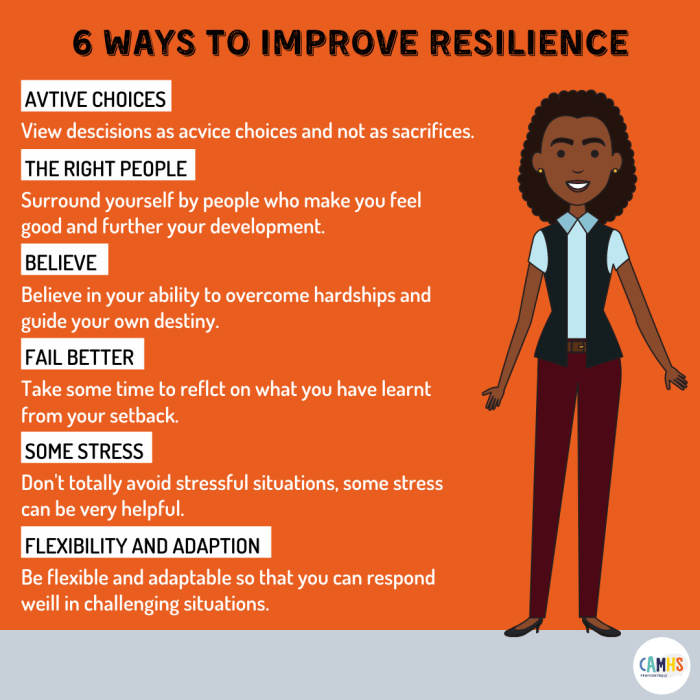
Techniques for Building Resilience

  • Develop a positive mindset: Cultivate optimism and focus on solutions rather than problems.
  • Build a strong support system: Stay connected with friends, family, or support groups for emotional support.
  • Practice self-care: Prioritize activities that promote mental and emotional well-being, such as exercise, meditation, and hobbies.
  • Embrace change: Accept that change is a natural part of life and focus on adapting to new circumstances.
  • Learn from setbacks: View challenges as opportunities for growth and learning rather than failures.

Immune Support

As seniors focus on maintaining their overall health, it is crucial to address the connection between mental resilience and immune function. Stress management plays a critical role in strengthening the immune system, especially for older adults.

Stress Management for Immune Support

Managing stress effectively can have a positive impact on the immune system of seniors. By reducing stress levels, older adults can enhance their body’s ability to fight off infections and illnesses. Here are some immune-boosting activities that can help seniors maintain a strong immune system:

  • Engage in regular physical activity such as walking, yoga, or tai chi to reduce stress and boost overall health.
  • Practice relaxation techniques like deep breathing, meditation, or mindfulness to calm the mind and body.
  • Stay connected with loved ones and engage in social activities to reduce feelings of loneliness and isolation, which can contribute to stress.
  • Get an adequate amount of sleep each night to allow the body to rest and recharge, supporting immune function.
  • Eat a balanced diet rich in fruits, vegetables, whole grains, and lean proteins to provide essential nutrients for a healthy immune system.

Stress Relief

Mental resilience exercises for seniors

As seniors navigate through various challenges in life, it’s essential to equip them with tools to manage stress effectively. By incorporating relaxation techniques into their daily routine, seniors can enhance their mental resilience and overall wellbeing.

Benefits of Meditation and Deep Breathing Exercises, Mental resilience exercises for seniors

  • Meditation can help seniors cultivate mindfulness, reduce anxiety, and promote emotional stability.
  • Deep breathing exercises aid in calming the nervous system, lowering blood pressure, and improving focus and concentration.
  • Both practices can enhance self-awareness, reduce stress hormones, and promote a sense of inner peace and tranquility.

Creating a Calming Environment at Home

  • Encourage seniors to designate a quiet and clutter-free space for relaxation and reflection.
  • Add elements such as soothing music, scented candles, or comfortable seating to create a serene atmosphere.
  • Ensure proper lighting, ventilation, and temperature control to promote relaxation and comfort.
  • Engage seniors in activities like gardening, reading, or listening to nature sounds to foster a sense of calmness and relaxation.

Nutritional Balance

Eating a balanced diet plays a crucial role in maintaining mental resilience in older adults. The nutrients obtained from food can have a significant impact on cognitive function and overall wellbeing.

Role of Specific Nutrients

Specific nutrients are essential for supporting cognitive function and promoting brain health. Some key nutrients include:

  • Omega-3 fatty acids: Found in fatty fish like salmon and walnuts, omega-3s help reduce inflammation in the brain and support overall cognitive function.
  • Antioxidants: Found in fruits and vegetables like berries, spinach, and kale, antioxidants help protect brain cells from damage caused by free radicals.
  • Vitamins B6, B12, and folate: These vitamins play a crucial role in maintaining healthy brain function and reducing the risk of cognitive decline.
  • Iron: Essential for oxygen transport in the blood, iron-rich foods like lean meats, beans, and fortified cereals support cognitive function and energy levels.

Foods for Brain Health

Certain foods are known to promote brain health and overall wellbeing. Including the following in your diet can help enhance mental resilience:

  • Blueberries: Rich in antioxidants, blueberries can help improve memory and cognitive function.
  • Avocados: Packed with healthy fats and vitamins, avocados support brain health and improve mood.
  • Nuts and seeds: Almonds, walnuts, chia seeds, and flaxseeds provide omega-3 fatty acids and other nutrients essential for cognitive function.
  • Leafy greens: Spinach, kale, and other leafy greens are rich in vitamins and antioxidants that support brain health.

FAQs

How important is social connection for mental resilience in seniors?

Social connections play a crucial role in promoting emotional health and resilience in older adults by providing support, reducing feelings of isolation, and boosting overall wellbeing.

What are some low-impact exercises suitable for seniors?

Examples of low-impact exercises include walking, swimming, tai chi, and gentle yoga, which can help improve physical and mental resilience without putting too much strain on the body.

How does stress management contribute to immune function in seniors?

Effective stress management techniques can help reduce the impact of chronic stress on the immune system, thereby strengthening immune function and overall health in older adults.

How to Create an Active Lifestyle Routine – Essential Tips for a Healthier You

How to create an active lifestyle routine

Healthy Habits

Maintaining an active lifestyle routine involves incorporating essential healthy habits into your daily life. These habits not only contribute to physical well-being but also have a positive impact on mental health.

Consistency is Key

Consistency is crucial when it comes to maintaining healthy habits. Regular exercise, proper nutrition, and adequate rest should be prioritized to ensure long-term benefits. By making these habits a part of your daily routine, you can effectively improve your overall health and well-being.

  • Set realistic goals: Start small and gradually increase the intensity or duration of your activities to avoid burnout.
  • Stick to a schedule: Create a weekly plan that includes time for exercise, meal preparation, and relaxation.
  • Find accountability partners: Share your goals with friends or family members who can support and motivate you along the way.
  • Celebrate small victories: Acknowledge and reward yourself for achieving milestones, no matter how small they may seem.

Overcoming Obstacles

Despite the benefits of healthy habits, obstacles may arise that hinder your progress. It’s essential to identify these challenges and find effective ways to overcome them to maintain a consistent routine.

  • Time constraints: Prioritize your health by allocating specific time slots for exercise and meal preparation in your daily schedule.
  • Lack of motivation: Mix up your routine with new activities, join group classes, or listen to music to stay engaged and motivated.
  • Poor planning: Plan your meals and workouts in advance to avoid making unhealthy choices due to lack of preparation.
  • Stress and fatigue: Practice relaxation techniques such as yoga, meditation, or deep breathing exercises to manage stress and improve sleep quality.

Emotional Wellbeing

Emotional wellbeing plays a crucial role in maintaining an active lifestyle. It directly impacts our motivation, energy levels, and overall outlook on life. By prioritizing emotional health, individuals can better engage in physical activities and maintain a consistent routine.

Managing Stress and Promoting Emotional Balance

Stress management is key to promoting emotional balance and overall wellbeing. Here are some strategies to help manage stress:

  • Practice mindfulness and meditation to reduce anxiety and promote relaxation.
  • Engage in regular physical exercise to release endorphins and improve mood.
  • Establish a healthy work-life balance to avoid burnout and excessive stress.
  • Connect with loved ones for emotional support and a sense of community.
  • Seek professional help if needed to address underlying emotional issues.

Relationship Between Emotional Health and Physical Activity

The relationship between emotional health and physical activity is bidirectional. Engaging in regular physical exercise can significantly improve emotional wellbeing by reducing stress, anxiety, and symptoms of depression. In turn, a positive emotional state can motivate individuals to stay active and maintain a healthy lifestyle. It is essential to prioritize both emotional and physical health to achieve overall wellness and longevity.

Healthy Aging

How to create an active lifestyle routine – As we age, staying active becomes more crucial than ever for maintaining overall health and wellbeing. An active lifestyle can significantly impact healthy aging by improving physical strength, mental health, and quality of life.

Role of an Active Lifestyle in Promoting Healthy Aging

An active lifestyle plays a vital role in promoting healthy aging by reducing the risk of chronic diseases, improving mobility and flexibility, enhancing cognitive function, and boosting emotional wellbeing. Regular physical activity can help older adults maintain independence, vitality, and a positive outlook on life.

Tips for Incorporating Age-Appropriate Exercises into Daily Routines, How to create an active lifestyle routine

  • Start slowly and gradually increase the intensity of your workouts to avoid injury.
  • Focus on exercises that improve balance, strength, flexibility, and cardiovascular health.
  • Choose activities that you enjoy and can sustain in the long term.
  • Consider low-impact exercises like walking, swimming, yoga, or tai chi.
  • Consult with a healthcare provider or fitness professional to create a personalized exercise plan.

Benefits of Staying Active as You Age for Overall Wellbeing

  • Enhanced physical strength and endurance.
  • Improved balance and coordination to prevent falls.
  • Reduced risk of chronic conditions like heart disease, diabetes, and osteoporosis.
  • Boosted mood and mental health through the release of endorphins.
  • Increased social connections and sense of community through group activities.

Active Lifestyle

An active lifestyle involves engaging in regular physical activity and exercise to maintain overall health and well-being. It is characterized by consistent movement and participation in activities that promote cardiovascular health, strength, flexibility, and endurance. Adopting an active lifestyle comes with a multitude of benefits, including improved physical fitness, enhanced mental health, increased energy levels, and a reduced risk of chronic diseases.

Examples of Activities

  • Brisk walking or jogging in the park
  • Cycling or biking on designated trails
  • Strength training exercises at the gym
  • Yoga or Pilates classes for flexibility and relaxation
  • Swimming for a full-body workout

Setting specific goals can help individuals maintain an active lifestyle by providing motivation and direction. Whether it’s aiming to walk a certain number of steps per day, increasing the intensity of workouts gradually, or participating in a fitness challenge, having clear objectives can keep individuals focused and committed to their physical activity routine.

Cardiovascular Health: How To Create An Active Lifestyle Routine

How to create an active lifestyle routine
Regular physical activity plays a crucial role in maintaining cardiovascular health. By engaging in an active lifestyle, individuals can improve heart function, strengthen the heart muscle, and enhance overall circulation. This, in turn, reduces the risk of heart disease and other cardiovascular conditions.

Examples of Cardiovascular Exercises

  • Running or jogging
  • Cycling
  • Swimming
  • Aerobics classes
  • Jump rope

Regular participation in these exercises helps to increase heart rate, improve endurance, and promote efficient oxygen circulation throughout the body.

Reducing the Risk of Heart Disease

Regular physical activity has been shown to have a positive impact on reducing the risk of heart disease. By incorporating cardiovascular exercises into a routine, individuals can lower blood pressure, improve cholesterol levels, and maintain a healthy weight. These factors are key in preventing heart disease and promoting long-term cardiovascular health.

Healthy Recipes

Eating nutritious food is essential to support an active lifestyle. Here, we will explore some healthy recipes that can fuel your body for physical activity and overall wellbeing.

Nutritious Breakfast Smoothie

Start your day with a power-packed smoothie that combines fruits, vegetables, and protein for a balanced meal. Blend together spinach, banana, berries, Greek yogurt, and a scoop of protein powder for a delicious and nutritious breakfast option.

Quinoa Salad with Grilled Chicken

For a satisfying lunch or dinner, try a quinoa salad with grilled chicken. Mix cooked quinoa with chopped vegetables like cucumbers, tomatoes, and bell peppers. Top with grilled chicken breast and a drizzle of olive oil and lemon juice for a protein-rich meal.

Veggie Stir-Fry with Brown Rice

Stir-fries are quick and easy meals that can be customized with your favorite vegetables and protein sources. Opt for a veggie stir-fry with tofu or shrimp, served over brown rice for a wholesome and filling dinner option.

Mental Resilience

Maintaining an active lifestyle routine requires more than just physical strength; mental resilience plays a crucial role in staying consistent and motivated. Having a strong mindset can help overcome obstacles, setbacks, and challenges that may arise along the way.

Building Mental Toughness and Motivation

Developing mental toughness involves setting clear goals, staying positive, and practicing self-discipline. Here are some strategies to help build mental resilience:

  • Practice mindfulness and meditation to stay focused and reduce stress.
  • Set realistic goals and celebrate small achievements along the way.
  • Stay organized and create a routine to maintain consistency.
  • Surround yourself with a supportive network of friends and family.

Impact of Positive Mindset on Physical Health and Fitness

A positive mindset can greatly impact physical health and fitness. Research shows that individuals with a positive outlook are more likely to engage in healthy behaviors, such as regular exercise and balanced nutrition. Positive thinking can also help reduce stress levels, improve sleep quality, and boost overall well-being.

Immune Support

Regular physical activity plays a crucial role in supporting a strong immune system. By incorporating an active lifestyle routine, you can boost your body’s ability to fight off infections and illnesses.

Exercises and Activities

  • Cardiovascular exercises like running, cycling, or swimming can help improve circulation and strengthen the immune response.
  • Strength training exercises such as weightlifting or bodyweight exercises can enhance overall immune function by promoting the production of white blood cells.
  • Yoga and stretching routines can reduce stress levels, which in turn can positively impact immune health.

Relationship between Physical Activity and Immune Health

Regular exercise has been shown to reduce inflammation, enhance immune cell function, and improve overall immune surveillance. The combination of different types of exercises can create a well-rounded approach to supporting immune function and overall health.

Stress Relief

Exercise and physical activity play a crucial role in relieving stress and promoting overall well-being. By incorporating stress relief techniques into your active lifestyle routine, you can effectively manage daily stressors and improve your mental resilience.

Benefits of Physical Activity in Reducing Stress Levels

  • Physical activity helps release endorphins, the body’s natural stress relievers, to improve mood and reduce anxiety.
  • Regular exercise can enhance sleep quality, which is essential for managing stress levels and promoting relaxation.
  • Engaging in physical activity provides a healthy outlet for pent-up emotions and helps in clearing the mind, leading to reduced stress.

Tips for Incorporating Relaxation Practices into a Daily Routine

  • Set aside time each day for relaxation activities such as yoga, meditation, deep breathing exercises, or progressive muscle relaxation.
  • Find outdoor activities like hiking or cycling that not only provide physical benefits but also promote relaxation through nature immersion.
  • Practice mindfulness during your workouts by focusing on the present moment and letting go of worries or distractions.
  • Listen to calming music or nature sounds while exercising to enhance relaxation and reduce stress levels.

Nutritional Balance

Proper nutrition plays a crucial role in supporting an active lifestyle by providing the body with the necessary nutrients to fuel physical activity, enhance performance, and aid in recovery. Maintaining a balanced diet is essential to ensure that the body receives the right combination of macronutrients, vitamins, and minerals needed for overall health and well-being.

Guidelines for Maintaining a Balanced Diet

  • Aim to include a variety of fruits, vegetables, whole grains, lean proteins, and healthy fats in your meals.
  • Stay hydrated by drinking an adequate amount of water throughout the day.
  • Avoid excessive consumption of processed foods, sugary drinks, and high-fat snacks.
  • Monitor portion sizes to prevent overeating and maintain a healthy weight.

Enhancing Performance and Recovery

Proper nutrition can optimize performance during exercise by providing the energy and nutrients needed for muscle contractions and endurance. Consuming carbohydrates before a workout can fuel the body, while protein intake after exercise helps repair and rebuild muscle tissues. Additionally, staying hydrated and replenishing electrolytes post-workout aids in recovery and reduces muscle soreness.

Questions and Answers

How can I stay consistent with my new active lifestyle routine?

To stay consistent, start small, set achievable goals, track your progress, and celebrate your successes along the way.

What are some age-appropriate exercises I can incorporate into my routine?

Low-impact activities like walking, swimming, and yoga are great options for all age groups to stay active and healthy.

How does emotional well-being impact my physical activity levels?

Your emotional well-being affects your motivation, stress levels, and overall energy, which can directly impact your engagement in physical activities.

Emotional wellbeing and the importance of social support: A vital connection for overall health

Emotional wellbeing and the importance of social support

Healthy Habits

Incorporating healthy habits into daily routines is crucial for maintaining emotional wellbeing. These habits not only have a positive impact on our mental health but also contribute to overall wellbeing.

Examples of Healthy Habits

  • Eating a balanced diet rich in nutrients and vitamins.
  • Regular physical exercise to release endorphins and reduce stress.
  • Getting an adequate amount of sleep each night for rest and rejuvenation.
  • Practicing mindfulness and meditation to calm the mind and reduce anxiety.
  • Engaging in hobbies and activities that bring joy and fulfillment.

Consistent Healthy Habits and Overall Wellbeing

Emotional wellbeing and the importance of social support – Consistency is key when it comes to healthy habits. By incorporating these practices into our daily routines, we create a stable foundation for emotional wellbeing. Over time, these habits become second nature and have a lasting positive impact on our mental health. It is important to prioritize self-care and make these habits a priority in order to achieve overall wellbeing.

Emotional Wellbeing

Emotional wellbeing and the importance of social support
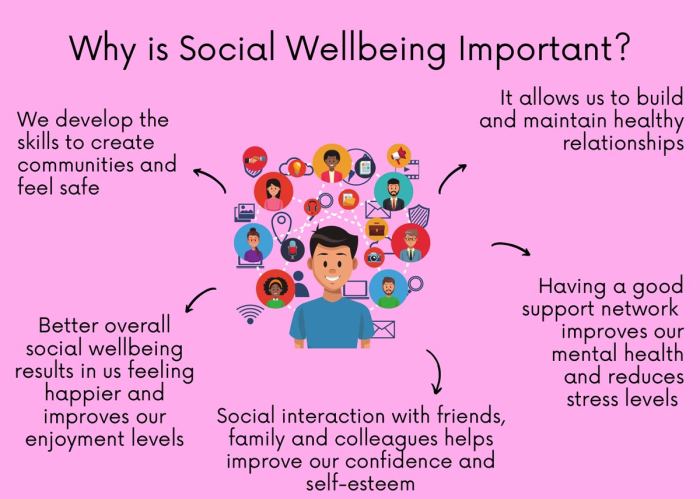
Emotional wellbeing refers to the state of being able to understand and manage your feelings in a positive and constructive way. It is a crucial aspect of maintaining a balanced life as it impacts how we think, feel, and act in everyday situations. When we are emotionally well, we can cope with stress, build strong relationships, and navigate the challenges of life more effectively.

Strategies to Improve Emotional Wellbeing through Social Support

Social support plays a key role in enhancing emotional wellbeing. Here are some strategies to improve emotional wellbeing through social support:

  • Stay connected: Regularly communicate with friends, family, or support groups to share your thoughts and feelings.
  • Seek help when needed: Don’t hesitate to reach out to a counselor or therapist for professional support when dealing with emotional challenges.
  • Practice active listening: Show empathy and understanding towards others to strengthen your relationships and build a supportive network.
  • Engage in activities: Participate in group activities or hobbies that bring you joy and allow you to connect with others.

The Connection between Emotional Wellbeing and Mental Health

Emotional wellbeing and mental health are closely intertwined. Emotional wellbeing refers to how we experience and manage emotions, while mental health encompasses our overall psychological well-being. When we prioritize our emotional wellbeing by seeking support, managing stress effectively, and fostering healthy relationships, we can positively impact our mental health and overall quality of life.

Healthy Aging

Emotional wellbeing plays a crucial role in the process of healthy aging. It can impact physical health, cognitive function, and overall quality of life as individuals grow older. Maintaining a positive outlook, managing stress effectively, and fostering strong social connections are key components of emotional wellbeing that can contribute to healthy aging.

The Role of Emotional Wellbeing in Healthy Aging

Emotional wellbeing can help older adults cope with the challenges that come with aging, such as chronic health conditions, loss of loved ones, and changes in independence. By staying emotionally resilient, older adults can better adapt to these changes and maintain a sense of purpose and fulfillment in their lives.

  • Engage in activities that bring joy and fulfillment, such as hobbies, social gatherings, or volunteering.
  • Practice mindfulness and relaxation techniques to reduce stress and promote emotional balance.
  • Seek professional help if needed, such as therapy or counseling, to address any emotional concerns or mental health issues.
  • Stay connected with friends and family members for social support and companionship.

Enhancing Quality of Life Through Social Support

Social support is essential for enhancing the quality of life as individuals age. Having a strong network of friends, family, and community connections can provide emotional support, companionship, and a sense of belonging that can positively impact overall wellbeing.

Social support has been linked to lower rates of depression, better physical health outcomes, and increased longevity in older adults.

  • Stay connected with loved ones through regular communication, visits, or shared activities.
  • Join social groups, clubs, or organizations that align with personal interests to meet new people and build a sense of community.
  • Volunteer for causes that matter to you, as helping others can provide a sense of purpose and fulfillment.
  • Consider joining support groups or therapy sessions to connect with others who may be facing similar challenges or life transitions.

Promoting Emotional Wellbeing in Older Adults

It’s important to prioritize emotional wellbeing in older adults to support healthy aging and overall quality of life. By implementing strategies to promote emotional health, older adults can improve their resilience, coping skills, and sense of fulfillment as they navigate the aging process.

  • Stay physically active through regular exercise, which can boost mood and reduce the risk of depression.
  • Practice gratitude and positive thinking to cultivate a more optimistic outlook on life.
  • Engage in meaningful activities that bring a sense of purpose and fulfillment, such as pursuing hobbies, volunteering, or learning new skills.
  • Stay socially connected by reaching out to friends and family members, participating in social events, or joining community activities.

Active Lifestyle

Regular physical activity plays a significant role in promoting emotional wellbeing. Engaging in an active lifestyle can have a positive impact on one’s mental health by reducing stress, anxiety, and depression.

Physical Activity and Emotional Health

  • Physical activity releases endorphins, also known as “feel-good” hormones, which can improve mood and overall sense of well-being.
  • Regular exercise can help alleviate symptoms of anxiety and depression, providing a natural way to boost mental health.
  • Improvements in self-esteem and confidence are often observed in individuals who maintain an active lifestyle.

Importance of Social Interactions

  • Having social support and interacting with others while being physically active can enhance the emotional benefits of exercise.
  • Participating in group activities or team sports can promote a sense of belonging and camaraderie, reducing feelings of loneliness and isolation.
  • Friends or workout buddies can provide motivation, encouragement, and accountability, making it easier to stick to a regular exercise routine.

Cardiovascular Health

Emotional wellbeing plays a crucial role in cardiovascular health. When individuals experience chronic stress, anxiety, or depression, it can lead to an increase in blood pressure, heart rate, and overall strain on the heart. This can contribute to the development of heart disease and other cardiovascular conditions.

Connection between Emotional Wellbeing and Cardiovascular Health

Chronic negative emotions can lead to the release of stress hormones like cortisol, which can cause inflammation in the body. This inflammation can damage blood vessels and increase the risk of atherosclerosis, a condition where plaque builds up in the arteries, restricting blood flow to the heart.

  • Engaging in stress-reducing activities like meditation, yoga, or deep breathing exercises can help improve emotional wellbeing and reduce the risk of cardiovascular issues.
  • Regular physical activity can also have a positive impact on both emotional health and cardiovascular health by releasing endorphins, reducing stress, and improving heart function.
  • Building strong social connections and seeking support from friends and family can provide a buffer against stress and improve overall emotional wellbeing, which in turn benefits cardiovascular health.

Social Support and Cardiovascular Health

Having a strong support system can influence cardiovascular health outcomes by reducing feelings of isolation and loneliness, which are linked to an increased risk of heart disease. Social support can provide emotional comfort, practical help, and a sense of belonging, all of which contribute to lower stress levels and better heart health.

  • Joining a community group, volunteering, or participating in team sports are great ways to connect with others and improve social support, benefiting both emotional and cardiovascular health.
  • Regularly checking in with friends and family, sharing experiences, and seeking advice or guidance when needed can strengthen social connections and promote a healthier heart.
  • Attending support groups or therapy sessions can also be beneficial for individuals dealing with emotional challenges that may impact their cardiovascular health.

Healthy Recipes

When it comes to emotional wellbeing, nutrition plays a crucial role in supporting mental health. Eating a healthy, balanced diet can have a significant impact on our mood, energy levels, and overall emotional state. By incorporating nutrient-rich foods into our meals, we can enhance our emotional wellbeing and maintain a positive mindset.

Here are some examples of foods that are beneficial for emotional health:

Foods for Emotional Health

  • Fatty fish such as salmon, mackerel, and sardines are rich in omega-3 fatty acids, which have been linked to lower rates of depression and anxiety.
  • Dark leafy greens like spinach and kale are high in folate, a B vitamin that helps regulate mood and reduce symptoms of depression.
  • Berries such as blueberries, strawberries, and raspberries are packed with antioxidants that can help combat stress and inflammation in the body.
  • Nuts and seeds like almonds, walnuts, and chia seeds are good sources of healthy fats and magnesium, which can help improve mood and reduce anxiety.

A balanced diet that includes a variety of fruits, vegetables, whole grains, lean proteins, and healthy fats is essential for supporting overall emotional wellbeing. By focusing on nutrient-dense foods and avoiding processed foods high in sugar and unhealthy fats, we can nourish our bodies and minds to promote better mental health.

Mental Resilience

Mental resilience refers to the ability to adapt and bounce back from difficult situations, maintaining a positive outlook despite facing adversity. It plays a crucial role in maintaining emotional wellbeing and overall mental health.

Building and Enhancing Mental Resilience

There are several strategies that can help in building and enhancing mental resilience:

  • Developing a growth mindset, focusing on learning and growth rather than fixed abilities.
  • Practicing mindfulness and meditation to increase self-awareness and emotional regulation.
  • Setting realistic goals and breaking them down into manageable steps.
  • Building strong social connections and seeking support from friends and family.
  • Engaging in regular physical exercise to reduce stress and improve overall well-being.

Role of Social Support in Fostering Mental Resilience

Social support plays a crucial role in fostering mental resilience, especially during challenging times. Having a strong support system can provide a sense of belonging, reduce feelings of isolation, and offer practical help and guidance when needed. It can also boost self-esteem and confidence, helping individuals navigate through tough situations with greater resilience and strength.

Immune Support

Emotional wellbeing and the importance of social support
Emotional wellbeing plays a crucial role in supporting immune function. When we are emotionally balanced and content, our immune system tends to function more efficiently, helping us fight off infections and illnesses more effectively.

Relationship Between Emotional Wellbeing and Immune Function

  • Positive emotions such as happiness and contentment can boost immune responses, increasing the production of antibodies and enhancing the activity of immune cells.
  • On the other hand, chronic stress, anxiety, and negative emotions can weaken the immune system, making us more susceptible to infections and diseases.

Social Support and Immune System Responses

  • Having a strong social support system can have a positive impact on immune health. Feeling connected to others and having a supportive network can reduce stress levels and improve overall emotional wellbeing, consequently enhancing immune function.
  • Studies have shown that individuals with strong social ties tend to have better immune responses and recover more quickly from illnesses compared to those who are socially isolated.

Impact of Stress on Immune Health, Emotional wellbeing and the importance of social support

  • Chronic stress can lead to the release of stress hormones such as cortisol, which can suppress immune function and increase inflammation in the body, making us more vulnerable to infections.
  • Ways to mitigate the impact of stress on immune health include practicing relaxation techniques, engaging in activities that bring joy, seeking emotional support from friends and family, and maintaining a healthy work-life balance.

Stress Relief: Emotional Wellbeing And The Importance Of Social Support

Effective stress relief is essential for improving emotional wellbeing and overall mental health. Managing and reducing stress levels can have a significant impact on one’s quality of life. Social support plays a crucial role in helping individuals cope with stress and navigate through challenging situations. In addition to social support, incorporating relaxation techniques and activities into daily routines can promote emotional balance and provide much-needed stress relief.

Strategies for Effective Stress Relief

  • Engage in regular physical activity: Exercise releases endorphins, which are known to improve mood and reduce stress levels.
  • Practice mindfulness and meditation: Mindfulness techniques can help individuals stay present and calm in stressful situations.
  • Establish a healthy sleep routine: Prioritizing sleep and ensuring an adequate amount each night can help in managing stress effectively.
  • Connect with others: Building and maintaining strong social connections can provide emotional support and reduce feelings of isolation.

Role of Social Support in Managing Stress

  • Social support from friends, family, or support groups can offer a sense of belonging and understanding during times of stress.
  • Having someone to talk to and share experiences with can help in processing emotions and finding solutions to stressors.
  • Receiving encouragement and validation from others can boost self-esteem and resilience in dealing with stress.

Relaxation Techniques for Stress Relief

  • Deep breathing exercises: Taking slow, deep breaths can help calm the nervous system and reduce stress levels.
  • Progressive muscle relaxation: Tensing and relaxing different muscle groups can release physical tension and promote relaxation.
  • Engage in hobbies or activities you enjoy: Doing things that bring you joy and relaxation can distract from stressors and improve mood.
  • Spending time in nature: Connecting with the outdoors and engaging in activities like walking or hiking can have a calming effect on the mind.

Nutritional Balance

Maintaining a nutritional balance is crucial for supporting emotional wellbeing. The food we eat plays a significant role in regulating our mood and overall mental health. A well-balanced diet can provide the necessary nutrients for optimal brain function and emotional stability.

Tips for Achieving a Balanced Diet for Emotional Health

  • Include a variety of fruits and vegetables in your meals to ensure you get a wide range of vitamins and minerals.
  • Incorporate whole grains, lean proteins, and healthy fats into your diet for sustained energy and brain health.
  • Avoid processed foods high in sugar and unhealthy fats, as they can lead to mood swings and energy crashes.
  • Stay hydrated by drinking plenty of water throughout the day to support cognitive function and overall wellbeing.
  • Limit caffeine and alcohol intake, as excessive consumption can negatively impact your mood and emotional balance.

Impact of Nutritional Imbalances on Emotional Wellbeing

Nutritional imbalances, such as deficiencies in essential nutrients like omega-3 fatty acids, vitamin D, and B vitamins, can contribute to mood disorders like depression and anxiety. It’s important to address these imbalances through dietary changes or supplementation to support emotional wellbeing. Remember, a healthy diet is not only beneficial for your physical health but also plays a crucial role in maintaining a positive emotional state.

Questions Often Asked

How does social support impact emotional wellbeing?

Social support plays a crucial role in enhancing emotional wellbeing by providing a sense of belonging, security, and comfort.

What are some examples of activities that promote emotional balance?

Activities such as meditation, yoga, and spending time with loved ones can promote emotional balance and well-being.

Why is mental resilience important for emotional wellbeing?

Mental resilience helps individuals navigate challenges and setbacks, leading to greater emotional strength and well-being.

Importance of boundaries for emotional wellbeing: Setting Healthy Limits for a Balanced Life

Importance of boundaries for emotional wellbeing

Importance of Boundaries for Emotional Wellbeing

Importance of boundaries for emotional wellbeing
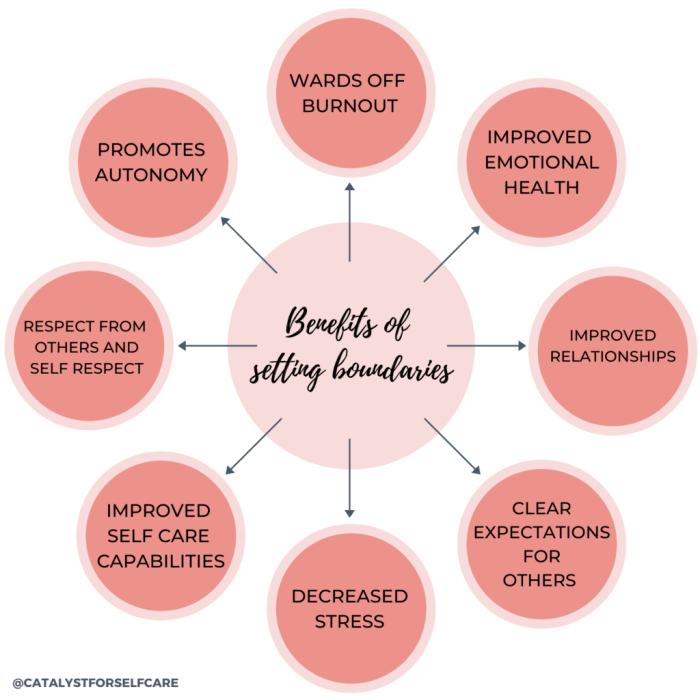
Setting boundaries is crucial for maintaining emotional wellbeing as it helps individuals establish limits and define what is acceptable or unacceptable in various aspects of life. By setting boundaries, individuals can protect their mental health, reduce stress, and foster healthier relationships.

Examples of Healthy Boundaries in Relationships, Importance of boundaries for emotional wellbeing

  • Communicating openly and honestly about personal needs and expectations.
  • Respecting each other’s privacy and personal space.
  • Setting limits on how much time and energy is devoted to the relationship.

Role of Boundaries in Maintaining Mental Wellness

Setting boundaries is essential for safeguarding mental wellness as it helps individuals maintain a sense of control, reduce emotional burnout, and prevent feelings of resentment or being overwhelmed. Establishing clear boundaries can also promote self-care practices and prioritize mental health.

Strategies for Establishing Boundaries at Work and in Personal Life

  • Clearly communicate your limits and expectations to colleagues or supervisors at work.
  • Practice assertiveness and learn to say no when necessary to avoid overcommitting.
  • Schedule regular self-care activities to prioritize your mental health and recharge.

Healthy Habits for Emotional Wellbeing

Importance of boundaries for emotional wellbeing – Developing daily practices that contribute to emotional wellness is crucial for maintaining a healthy mindset and reducing stress. By incorporating self-care routines into your daily life, you can effectively promote positive emotions and improve your overall emotional health.

Daily Practices for Emotional Wellness

  • Start your day with mindfulness or meditation to set a positive tone.
  • Engage in regular physical activity to release endorphins and boost mood.
  • Practice gratitude by journaling or reflecting on things you are thankful for.
  • Connect with loved ones through quality time or meaningful conversations.
  • Set boundaries to protect your mental and emotional space from negativity.

Comparison of Self-Care Routines

When it comes to self-care routines, different practices may vary in effectiveness for each individual. Some people may find relaxation techniques such as deep breathing or yoga more beneficial, while others may prefer creative outlets like painting or writing. It’s important to explore and find what works best for you in promoting positive emotions and reducing stress.

Weekly Schedule for Emotional Wellbeing

Day Healthy Habit
Monday Exercise for 30 minutes
Tuesday Practice mindfulness for 10 minutes
Wednesday Write in gratitude journal before bed
Thursday Virtual coffee date with a friend
Friday Unplug from technology for an hour
Weekend Engage in a hobby or activity you enjoy

Healthy Aging and Emotional Wellbeing

As individuals age, emotional wellbeing plays a crucial role in maintaining overall quality of life. Establishing and maintaining healthy boundaries is particularly important for older adults to ensure they can navigate life’s challenges with resilience and positivity.

Role of Boundaries in Healthy Aging

Boundaries are essential for emotional wellbeing in older age as they help individuals protect their mental and emotional health. By setting boundaries, older adults can maintain a sense of control over their lives, protect themselves from toxic relationships, and prioritize self-care.

Challenges Faced by Older Adults

Common challenges older adults face with boundaries include difficulty in saying no to others, feeling guilty for asserting their needs, and struggling with changes in relationships. These challenges can lead to increased stress, anxiety, and feelings of isolation.

Adapting Boundaries for Emotional Wellbeing

As individuals age, it is important to adapt boundaries to meet changing needs and circumstances. This may involve reevaluating relationships, setting new limits on social interactions, and prioritizing self-care activities that promote emotional health.

Tips for Maintaining Emotional Resilience

  • Engage in regular physical activity to boost mood and reduce stress.
  • Practice mindfulness and relaxation techniques to manage emotions effectively.
  • Stay connected with supportive friends and family members to combat feelings of loneliness.
  • Seek professional help if needed to address emotional concerns and develop coping strategies.

Active Lifestyle and Emotional Wellbeing

Regular physical activity plays a crucial role in maintaining emotional wellbeing. Exercise has been linked to improved mood, reduced anxiety, and better overall mental health. Let’s explore the relationship between an active lifestyle and emotional health.

Impact of Exercise on Stress Levels and Emotional Resilience

Regular exercise can help reduce stress levels by releasing endorphins, which are known as the body’s natural mood lifters. Physical activity also helps in improving emotional resilience, allowing individuals to better cope with challenges and setbacks in life.

  • Exercise promotes the release of endorphins, helping to alleviate stress and boost mood.
  • Physical activity can improve cognitive function and mental clarity, leading to better emotional regulation.
  • Regular exercise can enhance self-esteem and confidence, contributing to emotional resilience.

Activities Promoting Emotional Wellbeing

Engaging in activities that promote emotional wellbeing can have a positive impact on mental health. Examples of such activities include:

  1. Yoga: Combining physical postures, breathing exercises, and meditation, yoga can help reduce stress and promote relaxation.
  2. Walking or jogging: Simple activities like walking or jogging can improve mood, increase energy levels, and reduce symptoms of anxiety and depression.
  3. Dancing: Dancing is a fun way to stay active while boosting mood and self-expression, leading to enhanced emotional wellbeing.

Role of Boundaries in Balancing Work, Exercise, and Relaxation

Setting boundaries is essential in maintaining a balance between work, exercise, and relaxation for emotional health. Boundaries help individuals prioritize self-care, manage stress, and prevent burnout.

Establishing boundaries around work hours, exercise routines, and relaxation time can prevent overexertion and ensure a well-rounded approach to emotional wellbeing.

Cardiovascular Health and Emotional Wellbeing

When it comes to our overall health, the connection between cardiovascular health and emotional wellbeing plays a crucial role in our well-being. The impact of stress on our heart health and emotional wellness cannot be ignored, making it essential to understand how to manage stress effectively for a healthy heart and mind.

Stress and Cardiovascular Health

Stress can have a significant impact on our cardiovascular health, leading to issues such as high blood pressure, heart disease, and stroke. The body’s response to stress includes the release of hormones like cortisol and adrenaline, which can increase heart rate and blood pressure, putting a strain on the heart over time.

  • Chronic stress can contribute to the development of atherosclerosis, a condition where plaque builds up in the arteries, restricting blood flow to the heart.
  • Long-term stress can also weaken the immune system, making individuals more susceptible to infections and other health problems.
  • Managing stress is crucial for maintaining a healthy heart and reducing the risk of cardiovascular diseases.

Strategies for Managing Stress

There are various strategies that can help individuals manage stress effectively, promoting better cardiovascular health and emotional wellbeing.

  1. Regular exercise: Physical activity can help reduce stress levels and improve heart health.
  2. Practicing mindfulness and meditation: Mindfulness techniques can help individuals cope with stress and promote relaxation.
  3. Setting boundaries: Establishing boundaries in relationships and at work can help reduce stress and prevent burnout.

Importance of Boundaries in Reducing Stress

Setting boundaries is essential for reducing stress and maintaining a healthy heart and mind. By establishing limits on what we can and cannot tolerate, we can prevent overwhelming ourselves with responsibilities and demands that can lead to chronic stress.

Boundaries help us prioritize self-care and ensure that we have time to rest and recharge, ultimately benefiting our cardiovascular health and emotional wellbeing.

Healthy Recipes for Emotional Wellbeing

When it comes to supporting emotional wellbeing, what we eat plays a crucial role in how we feel. Incorporating mood-boosting foods into our diet can have a positive impact on our emotional health and overall well-being. Here, we will explore the connection between a healthy diet and positive emotions, as well as share nutritious recipes to support emotional wellness.

Mood-Boosting Foods and Their Impact

One way to promote emotional wellbeing through nutrition is by consuming foods that are known to boost mood and support mental health. Some examples of mood-boosting foods and their impact include:

  • Fatty fish rich in omega-3 fatty acids, such as salmon, mackerel, and sardines, can help reduce symptoms of depression and anxiety.
  • Dark chocolate, in moderation, can release endorphins and improve mood.
  • Berries like blueberries, strawberries, and raspberries are high in antioxidants that may help reduce stress and improve cognitive function.

Nutritious Recipes for Emotional Wellbeing

Here are a couple of nutritious and beneficial recipes that can support emotional wellbeing:

  1. Quinoa and Vegetable Stir-Fry: This colorful dish is packed with fiber, vitamins, and minerals that can help regulate mood and energy levels.
  2. Chickpea and Spinach Curry: Rich in plant-based protein and iron, this curry can provide a sense of satisfaction and nourishment for both the body and mind.

Meal Planning Tips for Emotional Wellness

Planning your meals mindfully can go a long way in supporting emotional wellness through nutrition. Here are some tips to help you get started:

  1. Include a variety of colorful fruits and vegetables in your meals to ensure a wide range of nutrients that support brain health and mood regulation.
  2. Opt for whole grains like brown rice, quinoa, and oats to provide a steady source of energy and promote feelings of fullness and satisfaction.
  3. Limit processed foods high in added sugars and unhealthy fats, as they can lead to mood swings and energy crashes.

Mental Resilience and Emotional Wellbeing

Building mental resilience is crucial for enhancing emotional health. When individuals are mentally resilient, they are better equipped to cope with stress, setbacks, and challenges that come their way. This resilience allows them to bounce back from adversity, maintain a positive outlook, and navigate through difficult situations with strength and determination.

Practices to Strengthen Emotional Coping Mechanisms

  • Practicing mindfulness and meditation to stay present and manage emotions effectively.
  • Engaging in regular physical exercise to reduce stress and boost mood through the release of endorphins.
  • Cultivating a strong support system of friends, family, or a therapist to talk to during tough times.
  • Setting realistic goals and prioritizing self-care to maintain a healthy work-life balance.

Personal Stories of Overcoming Emotional Challenges through Resilience

  • After losing a job, Sarah focused on her skills and strengths, eventually landing a better position that brought her fulfillment.
  • Despite facing rejection in relationships, Mark worked on building his self-esteem and found happiness within himself before finding love again.
  • Through therapy and self-reflection, Emily learned to manage her anxiety and panic attacks, leading to a more peaceful and balanced life.

Role of Boundaries in Fostering Mental Strength and Emotional Stability

  • Setting clear boundaries helps individuals protect their mental well-being by establishing limits on what they are willing to accept or tolerate.
  • Boundaries create a sense of control and empowerment, allowing individuals to prioritize their needs and avoid being overwhelmed by external demands.
  • By respecting their own boundaries and communicating them effectively, individuals can build self-respect and maintain healthy relationships.

Immune Support and Emotional Wellbeing

Emotional wellbeing plays a crucial role in supporting a healthy immune system. The relationship between immune function and emotional health is undeniable, as our emotions can directly impact our body’s ability to fight off infections and diseases.

Impact of Stress on Immune System and Emotional Wellbeing

Stress is known to weaken the immune system, making us more susceptible to illnesses. High levels of stress can lead to chronic inflammation, which can compromise our body’s defense mechanisms and overall emotional wellbeing.

Tips for Boosting Immunity through Stress Management and Emotional Balance

  • Practice relaxation techniques such as deep breathing, meditation, or yoga to reduce stress levels.
  • Engage in regular physical activity to release endorphins and boost your mood.
  • Get an adequate amount of sleep to support your body’s immune function.
  • Eat a healthy diet rich in fruits, vegetables, and whole grains to provide essential nutrients for immune support.
  • Stay connected with loved ones and seek social support to maintain emotional balance.

Importance of Maintaining Boundaries for Immune Health and Emotional Wellbeing

Setting boundaries is crucial for protecting your emotional wellbeing and supporting your immune system. By establishing limits on what you can handle and prioritizing self-care, you can reduce stress levels and create a healthier environment for both your mind and body.

Stress Relief Techniques for Emotional Wellbeing

Stress is a common factor that can significantly impact emotional wellbeing and overall health. It is essential to implement effective stress relief techniques to promote a sense of calm and balance in daily life.

Mindfulness Meditation

Mindfulness meditation is a practice that involves focusing on the present moment without judgment. This technique can help reduce stress by increasing self-awareness and promoting relaxation.

Take a few minutes each day to sit quietly, focus on your breath, and observe your thoughts without getting caught up in them.

Deep Breathing Exercises

Deep breathing exercises can help activate the body’s relaxation response, reducing stress and promoting emotional wellbeing. By taking slow, deep breaths, you can calm your mind and body in stressful situations.

Try inhaling slowly through your nose for a count of four, holding your breath for a count of four, and exhaling slowly through your mouth for a count of four.

Progressive Muscle Relaxation

Progressive muscle relaxation involves tensing and then relaxing different muscle groups in the body to release physical tension and reduce stress. This technique can promote a sense of calm and relaxation.

Start by tensing your muscles for a few seconds and then releasing the tension, moving from one muscle group to another, such as your shoulders, arms, and legs.

Yoga and Tai Chi

Yoga and Tai Chi are ancient practices that combine physical postures, breathing techniques, and meditation to promote relaxation and reduce stress. These mind-body practices can help improve emotional wellbeing and overall health.

Attend a yoga class or practice Tai Chi at home to experience the calming effects of these gentle exercises.

Nutritional Balance and Emotional Wellbeing: Importance Of Boundaries For Emotional Wellbeing

Importance of boundaries for emotional wellbeing
Maintaining a balanced diet is crucial for supporting emotional wellbeing. The food we eat directly impacts our mood, energy levels, and overall mental health. By understanding the connection between nutrition and emotional health, we can make informed choices to support our well-being.

Impact of Specific Nutrients on Mood

  • Omega-3 fatty acids found in fish, nuts, and seeds are known to reduce inflammation in the brain, helping to improve mood and lower the risk of depression.
  • Vitamin D, obtained from sunlight and certain foods, plays a role in serotonin production, a neurotransmitter that regulates mood.
  • B vitamins, particularly B6, B9 (folate), and B12, are essential for neurotransmitter function and can help reduce symptoms of depression and anxiety.

Tips for Maintaining Nutritional Balance

  • Include a variety of fruits, vegetables, whole grains, lean proteins, and healthy fats in your diet to ensure you’re getting a wide range of nutrients.
  • Avoid processed foods high in sugar, salt, and unhealthy fats, as they can negatively impact mood and energy levels.
  • Stay hydrated by drinking plenty of water throughout the day, as dehydration can lead to fatigue and mood changes.

Role of Boundaries in Healthy Eating

  • Setting boundaries around food choices can help prevent overeating, emotional eating, and unhealthy habits that may negatively impact emotional wellbeing.
  • Establishing mealtime routines and practicing mindful eating can promote a healthy relationship with food and support emotional stability.

Detailed FAQs

How do boundaries impact emotional health?

Setting boundaries helps individuals define their limits, protect their emotional space, and cultivate healthier relationships, leading to improved emotional well-being.

What are some common challenges in establishing boundaries?

Some challenges include fear of conflict, guilt associated with saying no, and concerns about how others may perceive the boundaries set.

How can boundaries contribute to healthy aging emotionally?

Boundaries in older age help individuals prioritize self-care, maintain autonomy, and navigate changing relationships, fostering emotional resilience and well-being.