Healthy Habits
Maintaining a healthy lifestyle is crucial for seniors to ensure overall well-being. By incorporating daily habits that support their health, older adults can enhance their quality of life and longevity.
Daily Habits for Seniors
- A balanced diet rich in nutrients, fiber, and antioxidants to support immune function and prevent chronic diseases.
- Regular physical activity, such as walking, yoga, or swimming, to improve strength, flexibility, and cardiovascular health.
- Engaging in social activities to reduce feelings of isolation and boost mental well-being.
- Staying mentally active through puzzles, games, reading, or learning new skills to maintain cognitive function.
- Regular health check-ups and screenings to monitor blood pressure, cholesterol levels, and other health indicators.
Importance of Regular Exercise
Regular exercise is vital for seniors as it helps in maintaining muscle mass, bone density, and overall mobility. Physical activity also reduces the risk of chronic conditions such as heart disease, diabetes, and osteoporosis. Seniors should aim for at least 150 minutes of moderate-intensity exercise per week to reap the benefits of staying active.
Staying Hydrated for Health
Staying hydrated is essential for seniors to support proper digestion, circulation, and temperature regulation. Dehydration can lead to fatigue, dizziness, and urinary tract infections. Seniors should aim to drink at least 8-10 cups of water daily and consume water-rich foods like fruits and vegetables to stay adequately hydrated.
Getting Adequate Sleep
Quality sleep is crucial for seniors to promote physical and mental health. Lack of sleep can increase the risk of cognitive decline, mood disorders, and weakened immune function. Seniors should establish a bedtime routine, avoid caffeine and electronics before bed, and create a comfortable sleep environment to ensure they get 7-9 hours of restful sleep each night.
Emotional Wellbeing
Emotional health plays a crucial role in the overall well-being of seniors. The connection between emotional and physical health is undeniable, as one directly affects the other. Seniors who have good emotional health are more likely to have better physical health outcomes and vice versa.
Managing Stress and Anxiety
- Practice relaxation techniques such as deep breathing, meditation, or yoga to reduce stress levels.
- Engage in physical activities like walking, swimming, or gentle exercises to release endorphins that help alleviate anxiety.
- Seek support from friends, family, or a therapist to talk about your feelings and concerns.
- Establish a daily routine and prioritize self-care activities to maintain a sense of control and reduce anxiety.
Benefits of Social Activities
Engaging in social activities can significantly improve emotional well-being in seniors. It provides them with a sense of belonging, reduces feelings of isolation, and boosts self-esteem. Social interactions also stimulate the mind and help seniors stay mentally sharp.
Impact of Hobbies and Interests
- Pursuing hobbies and interests can bring joy and fulfillment to seniors, promoting a positive outlook on life.
- Having a hobby provides a sense of purpose and helps seniors stay engaged and active, both mentally and physically.
- Exploring new interests can open up opportunities for social connections and create a sense of community.
Healthy Aging: Nutritional Balance For Seniors
Nutritional balance for seniors – Healthy aging is the process of maintaining optimal physical, mental, and emotional well-being as we grow older. It involves making conscious lifestyle choices to promote longevity and quality of life.
Common Age-Related Health Concerns
As seniors age, they may encounter various health issues that are commonly associated with getting older. It is important to address these concerns through proactive measures and healthy habits.
- Cardiovascular Health: Regular exercise, a balanced diet, and managing stress can help prevent heart disease and stroke.
- Bone Health: Consuming adequate calcium and vitamin D, along with weight-bearing exercises, can reduce the risk of osteoporosis.
- Cognitive Function: Engaging in mentally stimulating activities and social interactions can support brain health and reduce the risk of cognitive decline.
- Mobility: Maintaining muscle strength and flexibility through regular physical activity can prevent falls and improve overall mobility.
Preventive Healthcare Measures, Nutritional balance for seniors
Preventive healthcare plays a crucial role in successful aging by focusing on early detection and intervention to prevent more serious health issues.
- Regular Health Screenings: Routine check-ups, screenings for conditions like diabetes and cancer, and vaccinations can help catch and treat health problems early.
- Healthy Diet: Eating a balanced diet rich in fruits, vegetables, whole grains, and lean proteins can provide essential nutrients for overall health.
- Physical Activity: Staying active with exercises like walking, swimming, or yoga can improve cardiovascular health, strength, and flexibility.
- Mental Health Support: Seeking counseling, practicing mindfulness, and staying socially connected can promote emotional well-being and reduce stress.
Maintaining Independence and Quality of Life
As seniors age, maintaining independence and quality of life becomes a top priority. By making smart choices and staying proactive, seniors can age gracefully while enjoying a fulfilling lifestyle.
- Home Safety: Ensuring a safe living environment with grab bars, adequate lighting, and non-slip surfaces can prevent accidents and promote independence.
- Social Engagement: Participating in community activities, volunteering, and spending time with loved ones can combat loneliness and boost mental well-being.
- Financial Planning: Securing long-term care insurance, creating a will, and managing finances effectively can provide peace of mind and protect against future uncertainties.
- Regular Check-Ins: Keeping in touch with healthcare providers, family members, and friends can provide support, guidance, and early intervention when needed.
Active Lifestyle
Staying physically active is crucial for seniors to maintain overall health and well-being. Regular exercise can help improve strength, flexibility, balance, and endurance, reducing the risk of falls and chronic diseases.
Low-Impact Exercises for Seniors
- Walking: A simple yet effective way to stay active and improve cardiovascular health.
- Swimming: Provides a full-body workout without putting stress on joints.
- Yoga: Enhances flexibility, balance, and mental well-being.
Benefits of Strength Training
Strength training helps preserve muscle mass, increase bone density, and improve metabolism. It can also enhance functional abilities for daily activities and reduce the risk of injury.
Tips for Staying Motivated
- Set realistic goals: Start with manageable targets and gradually increase intensity.
- Find a workout buddy: Exercising with a friend can make it more enjoyable and help you stay accountable.
- Try different activities: Keep things interesting by exploring a variety of exercises to prevent boredom.
- Reward yourself: Celebrate your accomplishments, whether big or small, to stay motivated and continue your active lifestyle.
Cardiovascular Health
Cardiovascular health is crucial for seniors as it directly impacts their overall well-being and quality of life. Maintaining a healthy heart can help prevent various cardiovascular diseases and complications, allowing seniors to stay active and independent as they age.
Dietary Choices for a Healthy Heart
Seniors should focus on a diet rich in fruits, vegetables, whole grains, lean proteins, and healthy fats to promote heart health. Limiting salt, sugar, and saturated fats can help reduce the risk of heart disease and maintain cardiovascular health.
Importance of Regular Cardiovascular Exercise
Engaging in regular cardiovascular exercise, such as walking, swimming, or cycling, can strengthen the heart and improve circulation. Seniors should aim for at least 150 minutes of moderate-intensity exercise per week to support cardiovascular health.
Monitoring and Managing Cardiovascular Health
Seniors should regularly monitor their blood pressure, cholesterol levels, and heart rate to track changes and identify potential issues early. Consulting with healthcare providers and following their recommendations can help manage cardiovascular health effectively as one ages.
Healthy Recipes
As we age, it becomes crucial to maintain a balanced and nutritious diet to support overall health and well-being. One way to achieve this is by incorporating healthy recipes specifically tailored for seniors into our daily meals.
These recipes are not only delicious but also packed with essential nutrients that older adults need to thrive. By preparing meals that are both tasty and nutritious, seniors can ensure they are meeting their dietary requirements and promoting their overall health.
Nutritious Breakfast Options
- Whole grain oatmeal topped with fresh berries and a sprinkle of nuts for added crunch and protein.
- Greek yogurt parfait with layers of granola, sliced bananas, and a drizzle of honey for a sweet yet healthy start to the day.
- Egg and vegetable frittata made with spinach, tomatoes, and bell peppers for a protein-packed breakfast option.
Balanced Lunch Ideas
- Grilled salmon salad with mixed greens, avocado, and a citrus vinaigrette dressing for a light yet filling meal.
- Veggie stir-fry with tofu and brown rice, loaded with colorful vegetables and plant-based protein for a satisfying lunch.
- Quinoa and black bean bowl with roasted sweet potatoes, kale, and a tahini dressing for a nutrient-dense and flavorful meal option.
Hearty Dinner Recipes
- Lean turkey meatballs with whole wheat spaghetti and marinara sauce, served with a side of steamed broccoli for a comforting and balanced dinner.
- Baked lemon herb chicken with roasted Brussels sprouts and quinoa for a simple yet flavorful dinner option.
- Vegetarian chili made with kidney beans, diced tomatoes, and a variety of spices, served with a side of cornbread for a cozy and nutritious meal.
Mental Resilience
Building mental resilience is crucial for seniors to cope with the challenges that come with aging. It involves developing the ability to bounce back from setbacks, adapt to changes, and maintain a positive outlook on life. Here are some strategies to help seniors enhance their mental resilience:
Activities to Stay Mentally Sharp
- Engage in puzzles and brain games: Activities like crossword puzzles, Sudoku, and memory games can help stimulate the brain and improve cognitive function.
- Learn something new: Taking up a new hobby or skill can keep the mind active and engaged, promoting neuroplasticity and enhancing mental agility.
- Stay social: Maintaining social connections and engaging in meaningful conversations can boost mood, reduce stress, and improve cognitive function.
Role of Cognitive Exercises
- Cognitive exercises, such as brain training apps and memory exercises, can help seniors maintain cognitive function and prevent cognitive decline.
- These exercises stimulate the brain, improve memory, attention, and problem-solving skills, and promote overall brain health.
- Regular mental challenges can help build cognitive reserve, which may delay the onset of cognitive decline and dementia.
Tips for a Positive Mindset
- Practice gratitude: Focusing on the positive aspects of life and expressing gratitude can improve mood and outlook on life.
- Avoid negative self-talk: Encourage positive affirmations and challenge negative thoughts to foster a more optimistic mindset.
- Engage in mindfulness and relaxation techniques: Practices like meditation, yoga, and deep breathing can help reduce stress, improve mental clarity, and promote emotional well-being.
Immune Support
Aging can have a significant impact on the immune system of seniors, making them more susceptible to infections and illnesses. As we age, the immune response tends to weaken, leading to a decrease in the body’s ability to fight off pathogens effectively.
Dietary and Lifestyle Choices for Immune Function
- Consuming a balanced diet rich in fruits, vegetables, whole grains, and lean proteins can provide essential nutrients and antioxidants to support immune function.
- Staying active through regular exercise can help improve circulation and boost the immune system.
- Getting an adequate amount of sleep is crucial for immune health, as lack of sleep can weaken the body’s defenses.
- Managing stress levels through relaxation techniques like meditation or yoga can also play a role in supporting immune function.
Proactive Immune Health Tips for Seniors
- Stay hydrated by drinking plenty of water throughout the day to support immune function.
- Avoid smoking and limit alcohol consumption, as these habits can weaken the immune system.
- Practice good hygiene by washing hands regularly and avoiding close contact with sick individuals.
- Consider taking supplements like vitamin C, vitamin D, and zinc to support immune health, but consult with a healthcare provider first.
Importance of Vaccinations and Health Check-ups
Regular vaccinations, such as flu shots and pneumonia vaccines, are essential for seniors to protect against preventable diseases. Additionally, routine health check-ups can help monitor immune function and address any underlying health issues that may impact immunity.
Stress Relief
Stress can have a significant impact on the overall health of seniors. It can lead to increased blood pressure, weakened immune system, and even exacerbate existing health conditions. Managing stress effectively is crucial for maintaining a good quality of life in older adults.
Relaxation Techniques
- Deep breathing exercises: Encouraging seniors to practice deep breathing can help calm their minds and reduce stress levels.
- Progressive muscle relaxation: Guiding seniors through tensing and relaxing different muscle groups can promote relaxation and alleviate stress.
- Guided imagery: Using visualization techniques can transport seniors to a peaceful place in their minds, helping them unwind and de-stress.
Creating a Calming Environment at Home
- Decluttering spaces: Keeping living areas organized and clutter-free can create a sense of calm and reduce feelings of overwhelm.
- Adding plants: Indoor plants can improve air quality and bring a touch of nature indoors, promoting relaxation and tranquility.
- Soft lighting: Opting for warm, soft lighting can create a cozy and calming atmosphere in the home, ideal for stress relief.
Benefits of Mindfulness and Meditation
- Reduced anxiety: Practicing mindfulness and meditation can help seniors manage anxiety and stress more effectively.
- Improved focus: Engaging in mindfulness exercises can enhance concentration and cognitive function, leading to a clearer and calmer mind.
- Enhanced emotional well-being: Mindfulness and meditation techniques can promote a positive outlook and emotional resilience in seniors.
Nutritional Balance
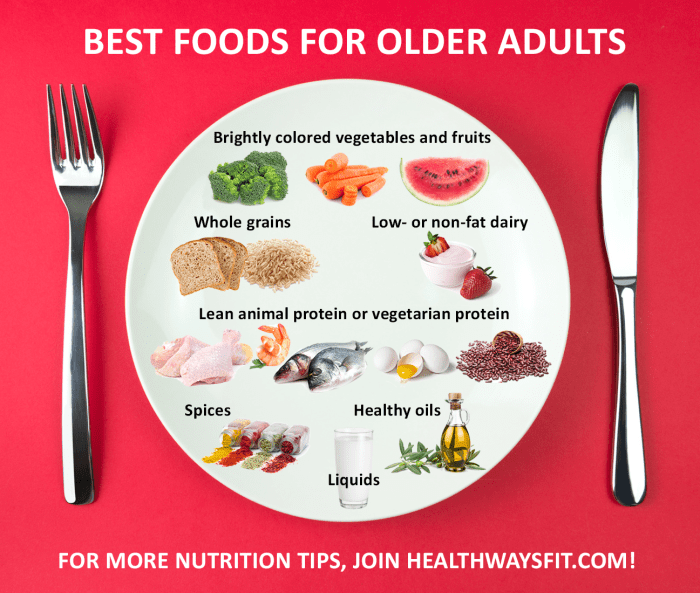
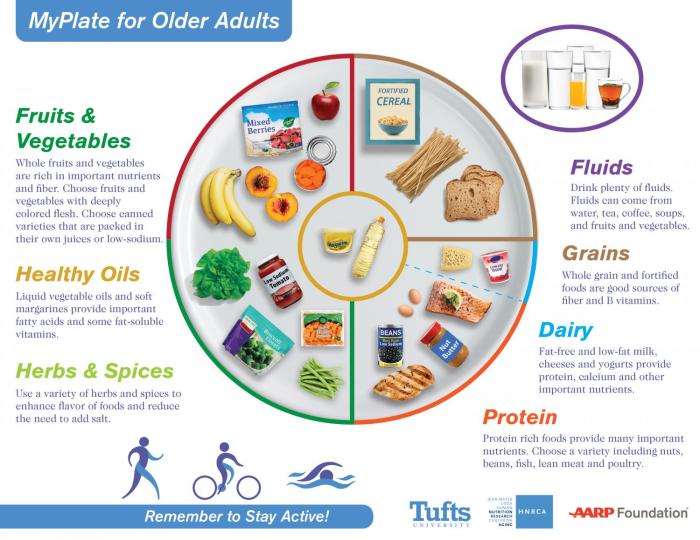
Maintaining a balanced diet is crucial for seniors as it plays a significant role in promoting overall health and well-being. A well-rounded diet can help prevent chronic diseases, support a strong immune system, and improve energy levels.
Key Nutrients for Older Adults
Eating a variety of nutrient-dense foods is essential for seniors to meet their unique nutritional needs. Some key nutrients to focus on include:
- Calcium: important for maintaining strong bones and preventing osteoporosis. Good sources include dairy products, leafy greens, and fortified foods.
- Vitamin D: helps with calcium absorption and supports immune function. Sunlight, fatty fish, and fortified foods are good sources.
- Omega-3 fatty acids: important for heart health and brain function. Fatty fish, flaxseeds, and walnuts are excellent sources.
- Protein: necessary for maintaining muscle mass and strength. Lean meats, poultry, fish, eggs, beans, and nuts are good sources.
Foods to Meet Nutritional Needs
Including a variety of foods in their daily meals can help seniors get the nutrients they need. Some examples of nutrient-rich foods include:
- Colorful fruits and vegetables: rich in vitamins, minerals, and antioxidants.
- Whole grains: provide fiber, B vitamins, and minerals like iron and magnesium.
- Dairy or fortified plant-based alternatives: good sources of calcium and vitamin D.
- Healthy fats: found in avocados, nuts, seeds, and olive oil.
Tips for Seniors
Seniors can ensure they are getting a variety of nutrients by:
- Eating a rainbow of fruits and vegetables to get a wide range of vitamins and minerals.
- Including sources of lean protein in each meal, such as poultry, fish, beans, or tofu.
- Choosing whole grains like brown rice, quinoa, or whole wheat bread for fiber and nutrients.
- Limiting processed foods high in added sugars, sodium, and unhealthy fats.
FAQ
What are the key nutrients essential for seniors?
Seniors should focus on getting enough calcium, vitamin D, B vitamins, and omega-3 fatty acids to support their overall health and well-being.
How can seniors ensure they are getting a variety of nutrients in their meals?
Seniors can achieve nutrient variety by incorporating a colorful array of fruits, vegetables, whole grains, lean proteins, and healthy fats into their daily meals.