Healthy Habits
Maintaining healthy habits is key to promoting healthy aging and overall well-being. Here are the top 5 daily habits that contribute to healthy aging:
Regular Exercise
Regular physical activity is essential for healthy aging. It helps improve cardiovascular health, maintain muscle mass, and keep joints flexible. Aim for at least 150 minutes of moderate-intensity exercise per week.
Adequate Sleep
Getting enough quality sleep is crucial for overall health and well-being. Sleep allows the body to repair and regenerate, supporting cognitive function and emotional well-being. Aim for 7-9 hours of sleep per night.
Balanced Diet
Eating a balanced diet rich in nutrients and antioxidants is essential for healthy aging. Include plenty of fruits, vegetables, whole grains, lean proteins, and healthy fats in your meals to support overall health and vitality.
Hydration
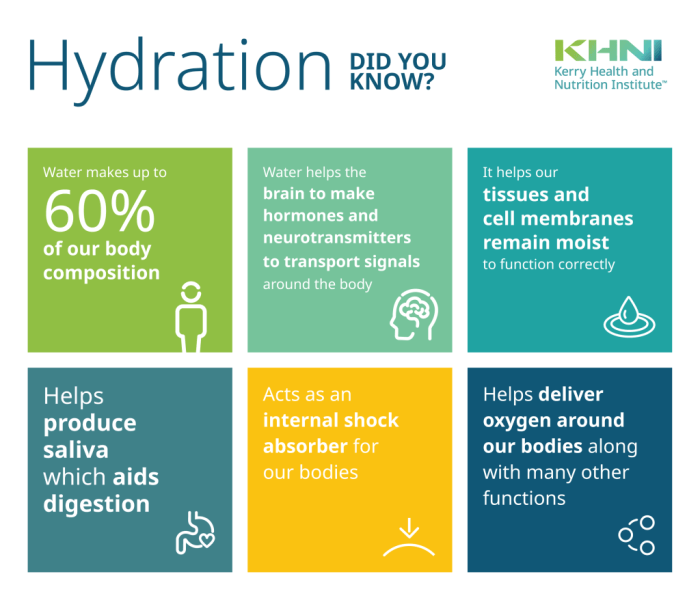
Staying hydrated is important for healthy aging. Water is essential for many bodily functions, including digestion, circulation, and temperature regulation. Aim to drink at least 8-10 glasses of water per day.
Stress Management
Chronic stress can have a negative impact on overall health and aging. Practice stress-reducing techniques such as mindfulness, meditation, deep breathing, or yoga to promote emotional well-being and longevity.
Emotional Wellbeing
Healthy aging and the importance of hydration – Emotional health plays a crucial role in the aging process, impacting both physical and mental well-being. It is essential to prioritize emotional wellbeing to maintain a healthy and fulfilling life as we age.
Strategies for Managing Stress and Anxiety
Managing stress and anxiety is key to supporting emotional wellbeing. Some strategies include:
- Practicing relaxation techniques such as deep breathing or progressive muscle relaxation.
- Engaging in regular physical activity to reduce stress and improve mood.
- Seeking social support from friends, family, or a therapist to talk about feelings and concerns.
Benefits of Mindfulness and Meditation
Mindfulness and meditation have been shown to enhance mental resilience and emotional wellbeing. Benefits include:
- Reduced stress and anxiety levels.
- Improved focus and concentration.
- Enhanced self-awareness and acceptance of emotions.
Connection Between Emotional Health and Physical Well-being
There is a strong connection between emotional health and physical well-being. Research has shown that chronic stress and negative emotions can lead to various health issues, including cardiovascular diseases, weakened immune system, and chronic pain. Taking care of emotional health through mindfulness, meditation, and stress management can help improve overall physical health and longevity.
Healthy Aging
Healthy aging refers to the process of developing and maintaining the functional ability that enables well-being in older age. It involves taking care of both the physical and mental aspects to ensure a fulfilling and active lifestyle as we grow older.
The Role of Hydration
Staying hydrated is crucial for promoting healthy aging. Water helps to maintain bodily functions, aids digestion, regulates body temperature, and supports cognitive function. Dehydration can lead to various health issues, affecting overall well-being.
Positive Mindset and Aging Well
A positive mindset plays a significant role in aging well. It can help reduce stress, boost resilience, and improve overall mental health. Cultivating a positive outlook on life can contribute to better physical health and longevity.
Tips for Maintaining Cognitive Function
- Engage in regular mental exercises such as puzzles, reading, or learning new skills to keep the brain active and sharp.
- Stay physically active through regular exercise to promote blood flow to the brain and support cognitive function.
- Follow a balanced diet rich in antioxidants, omega-3 fatty acids, and vitamins to nourish the brain and protect against cognitive decline.
- Get enough sleep to allow the brain to rest and consolidate memories, promoting optimal cognitive function.
- Stay socially connected and maintain relationships to stimulate the brain and prevent feelings of isolation, which can impact cognitive health.
Active Lifestyle
Staying active is crucial for maintaining overall health and well-being, especially as we age. Regular physical activity can help improve cardiovascular health, maintain muscle mass, increase flexibility, and boost mood and mental health.
Low-Impact Exercises for Seniors
- Walking: A simple and effective way to stay active, improve cardiovascular health, and maintain joint flexibility.
- Swimming: Gentle on the joints, swimming is a great full-body workout that can improve strength and endurance.
- Yoga: Helps improve flexibility, balance, and mental well-being through gentle stretches and poses.
- Cycling: Low-impact and easy on the joints, cycling can improve cardiovascular fitness and leg strength.
Importance of Strength Training
Strength training is essential for seniors to maintain muscle mass, bone density, and overall strength. Incorporating resistance exercises using body weight, resistance bands, or light weights can help prevent age-related muscle loss and reduce the risk of falls.
Tips for Incorporating Physical Activity
- Schedule regular walks or exercise sessions into your daily routine.
- Join group fitness classes tailored for seniors to stay motivated and socialize.
- Use household items like cans or water bottles as light weights for simple strength exercises.
- Set achievable goals and track your progress to stay motivated and committed to an active lifestyle.
Cardiovascular Health
Cardiovascular health is crucial for overall well-being and longevity. Maintaining a healthy heart and blood vessels is essential for reducing the risk of heart disease and other related conditions.
The Link Between Hydration and Cardiovascular Health
Proper hydration plays a key role in supporting cardiovascular health. Dehydration can lead to an increase in heart rate and blood pressure, putting strain on the heart. It is important to stay hydrated to ensure optimal heart function and blood flow.
Impact of Regular Exercise on Heart Health
Regular exercise is beneficial for heart health as it helps strengthen the heart muscle, improve circulation, and lower blood pressure. Engaging in physical activity can reduce the risk of heart disease and promote overall cardiovascular well-being.
Heart-Healthy Recipes
Consuming a diet rich in fruits, vegetables, whole grains, lean proteins, and healthy fats can support cardiovascular health. Here are some heart-healthy recipes to promote overall well-being:
- Grilled salmon with quinoa and roasted vegetables
- Spinach and strawberry salad with almonds and balsamic vinaigrette
- Oatmeal with mixed berries and chia seeds
Tips for Maintaining Healthy Blood Pressure and Cholesterol Levels
Maintaining healthy blood pressure and cholesterol levels is essential for cardiovascular health. Here are some tips to help keep them in check:
- Limit salt intake to reduce blood pressure
- Incorporate fiber-rich foods like oats, beans, and fruits to help lower cholesterol levels
- Engage in regular physical activity to improve heart health and circulation
- Avoid smoking and limit alcohol consumption to protect your heart
Healthy Recipes
When it comes to supporting healthy aging, incorporating hydration-rich recipes into your diet is key. These recipes not only help keep you hydrated but also provide essential nutrients for overall well-being.
Hydration-Rich Recipes
Here are some examples of nutrient-dense meals that can help you stay hydrated and support healthy aging:
- Watermelon and Feta Salad: A refreshing dish that combines hydrating watermelon with the richness of feta cheese and a drizzle of balsamic glaze.
- Cucumber and Mint Infused Water: A simple yet effective way to increase your water intake and stay hydrated throughout the day.
- Coconut Chia Seed Pudding: Packed with hydrating coconut milk and chia seeds, this pudding is a delicious and nutritious treat.
Importance of Hydration in Cooking
Hydration isn’t just about drinking water—it’s also important to consider it in cooking and meal preparation. Using hydrating ingredients like fruits, vegetables, and broths can help increase your overall water intake.
Tips for Meal Planning
Meal planning is essential for ensuring a balanced and nutritious diet. Here are some tips to help you plan meals that support healthy aging:
- Include a variety of colorful fruits and vegetables in your meals to ensure you’re getting a range of nutrients.
- Opt for lean proteins like chicken, fish, or tofu to support muscle health and overall well-being.
- Don’t forget whole grains like quinoa, brown rice, or whole wheat pasta to provide fiber and sustained energy.
Mental Resilience
As we age, mental resilience becomes a crucial aspect of healthy aging, enabling older adults to cope with life’s challenges, maintain a positive outlook, and adapt to changes effectively.
Building Mental Resilience
Implementing strategies to enhance mental resilience in older adults can significantly improve their overall well-being. Here are some effective ways to build mental resilience:
- Engage in regular physical exercise to boost mood and cognitive function.
- Practice mindfulness and meditation to reduce stress and enhance emotional stability.
- Stay socially connected with friends, family, and community to combat feelings of loneliness and isolation.
- Challenge yourself with new activities and hobbies to stimulate the brain and foster a sense of accomplishment.
Activities for Cognitive Function
Engaging in specific activities can promote cognitive function and brain health in older adults, contributing to mental sharpness and resilience. Here are some activities to consider:
- Reading books, solving puzzles, and playing brain games to exercise the mind.
- Learning a new skill or language to challenge cognitive abilities and enhance neural connections.
- Participating in creative pursuits such as painting, writing, or music to stimulate artistic expression and cognitive function.
Tips for Staying Mentally Sharp
Maintaining mental sharpness is essential for healthy aging. Here are some tips to help older adults stay mentally sharp as they age:
- Get an adequate amount of quality sleep to support brain function and memory consolidation.
- Follow a balanced diet rich in brain-boosting nutrients like omega-3 fatty acids, antioxidants, and vitamins.
- Stay physically active to improve blood flow to the brain and promote neuroplasticity.
- Engage in lifelong learning to keep the mind active and continuously acquire new knowledge and skills.
Immune Support
Keeping your immune system strong is crucial for overall health, especially as we age. Hydration plays a key role in supporting the immune system’s functions, helping to flush out toxins and keep cells functioning optimally.
Importance of Hydration for Immune System Function
Hydration is essential for proper immune system function as it helps transport nutrients throughout the body and remove waste products. Dehydration can weaken the immune response, making the body more susceptible to infections and illnesses.
Immune-Boosting Foods and Supplements for Healthy Aging, Healthy aging and the importance of hydration
- Include plenty of fruits and vegetables rich in vitamins and antioxidants, such as citrus fruits, berries, and leafy greens.
- Consider adding immune-boosting supplements like vitamin C, zinc, and probiotics to your daily routine.
- Herbal teas like echinacea and elderberry can also help support the immune system.
Tips for Strengthening the Immune System through Lifestyle Choices
- Get regular exercise to boost circulation and immune function.
- Practice stress-reducing activities like yoga or meditation to support a healthy immune response.
- Ensure you get enough sleep to allow your body to repair and regenerate cells.
Connection Between a Healthy Immune System and Overall Well-being
A strong immune system is not only important for fighting off infections but also plays a role in reducing inflammation, promoting better mental health, and supporting overall vitality. By prioritizing immune support through hydration, nutrient-rich foods, and healthy lifestyle choices, you can enhance your quality of life as you age.
Stress Relief
Stress relief is crucial for promoting healthy aging as chronic stress can have detrimental effects on the aging process. Implementing effective stress management techniques can significantly improve overall well-being and quality of life in older adults.
Impact of Chronic Stress on Aging
Chronic stress can accelerate the aging process by impacting various bodily systems, including the immune system, cardiovascular health, and cognitive function. Prolonged stress can lead to inflammation, weaken the immune response, and increase the risk of developing age-related diseases such as cardiovascular conditions and cognitive decline.
- Increased levels of stress hormones like cortisol can contribute to cognitive impairment and memory problems.
- Chronic stress can weaken the immune system, making older adults more susceptible to infections and illnesses.
- Stress can also exacerbate existing health conditions such as hypertension and diabetes, leading to further complications.
Relaxation Exercises and Mindfulness Practices
Engaging in relaxation exercises and mindfulness practices can help older adults manage stress effectively and promote emotional well-being.
- Deep breathing exercises can help calm the nervous system and reduce stress levels.
- Yoga and meditation are beneficial practices that promote relaxation, improve focus, and reduce anxiety.
- Progressive muscle relaxation techniques can help release tension in the body and promote overall relaxation.
Importance of Self-Care in Stress Management
Self-care plays a vital role in managing stress and promoting well-being in older adults. Taking time for oneself and engaging in activities that bring joy and relaxation can have a significant impact on overall health.
- Practicing self-care activities such as reading, gardening, or spending time in nature can help reduce stress levels and improve mood.
- Setting boundaries and prioritizing self-care activities can prevent burnout and promote emotional resilience.
- Seeking support from loved ones or a therapist can provide additional tools and strategies for managing stress effectively.
Nutritional Balance: Healthy Aging And The Importance Of Hydration
Maintaining a balanced diet is crucial for healthy aging as it provides the necessary nutrients to support overall health and well-being. Adequate nutrition plays a key role in preventing chronic diseases, maintaining muscle mass, and promoting cognitive function as we age.
Key Nutrients for Healthy Aging
- Protein: Essential for muscle maintenance and repair.
- Calcium and Vitamin D: Important for bone health and preventing osteoporosis.
- Omega-3 fatty acids: Support brain health and reduce inflammation.
- Vitamin B12: Helps maintain nerve function and prevent anemia.
- Antioxidants (Vitamin C, E, and A): Protect cells from damage and boost immune function.
The Role of Hydration in Nutrient Absorption
Hydration is essential for nutrient absorption and overall health. Adequate water intake helps transport nutrients throughout the body, aids in digestion, and supports various bodily functions. Dehydration can hinder nutrient absorption and lead to health issues such as fatigue, constipation, and impaired cognitive function.
Tips for Achieving a Balanced Diet
- Include a variety of fruits, vegetables, whole grains, lean proteins, and healthy fats in your meals.
- Aim for colorful plates to ensure a diverse intake of vitamins and minerals.
- Avoid processed foods high in added sugars, unhealthy fats, and sodium.
- Practice portion control by using smaller plates and listening to your body’s hunger cues.
- Eat mindfully, savoring each bite and paying attention to feelings of fullness.
The Importance of Portion Control and Mindful Eating
Portion control is essential for maintaining a healthy weight and preventing overeating. By being mindful of serving sizes and listening to your body’s hunger and fullness cues, you can better regulate your food intake and ensure a balanced diet. Mindful eating also allows you to appreciate the flavors and textures of your food, leading to a more enjoyable dining experience.
Clarifying Questions
How does hydration impact healthy aging?
Hydration plays a crucial role in supporting bodily functions, maintaining skin elasticity, and promoting overall health as we age.
What are some tips for staying mentally sharp as we age?
Engaging in cognitive activities, social interactions, and lifelong learning can help preserve cognitive function and mental acuity.
How can emotional health affect the aging process?
Emotional well-being influences our physical health, stress levels, and resilience, all of which contribute to how we age.