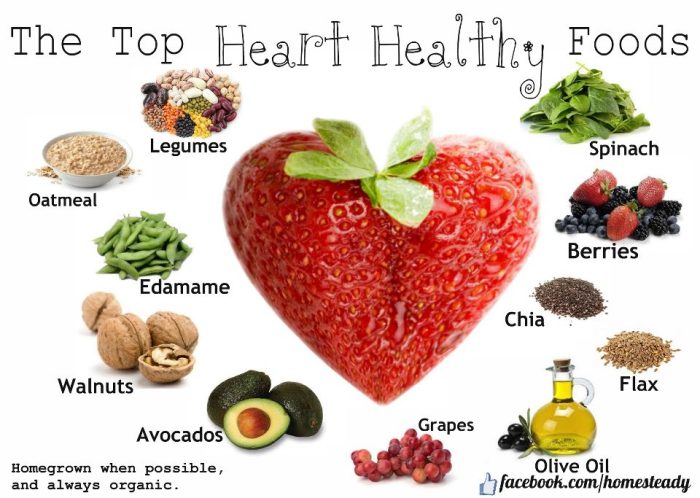
Foods to improve cardiovascular health
Eating a heart-healthy diet is crucial for maintaining cardiovascular wellness. Including certain foods in your meals can help support heart health and reduce the risk of heart disease.
Heart-healthy foods rich in omega-3 fatty acids
Omega-3 fatty acids are known for their heart-protective benefits. Foods rich in omega-3s include fatty fish like salmon, mackerel, and sardines. These fish are also good sources of protein, making them a great addition to a heart-healthy diet. Other plant-based sources of omega-3s include flaxseeds, chia seeds, and walnuts.
Antioxidant-rich foods for heart health
Antioxidants help protect the heart by reducing inflammation and preventing damage to blood vessels. Berries, such as blueberries, strawberries, and raspberries, are excellent sources of antioxidants. Dark chocolate, red grapes, and spinach are also rich in antioxidants and can be beneficial for heart health when consumed in moderation.
The benefits of fiber-rich foods for cardiovascular wellness
Fiber plays a key role in promoting heart health by lowering cholesterol levels and improving digestion. Foods high in fiber include whole grains like oats, barley, and quinoa, as well as fruits, vegetables, and legumes. Incorporating these fiber-rich foods into your diet can help reduce the risk of heart disease and improve overall heart health.
The role of potassium-rich foods in maintaining a healthy heart
Potassium is essential for maintaining healthy blood pressure levels and supporting heart function. Bananas, sweet potatoes, avocados, and spinach are all good sources of potassium. Including these potassium-rich foods in your diet can help regulate blood pressure and reduce the risk of cardiovascular disease.
Healthy Habits
Regular exercise is crucial for promoting cardiovascular health as it helps strengthen the heart muscle, improve circulation, and lower blood pressure. It also aids in maintaining a healthy weight and reducing the risk of heart disease.
Reducing Salt Intake
Reducing salt intake is important for heart health as excessive salt consumption can lead to high blood pressure, which is a major risk factor for cardiovascular disease. Strategies to reduce salt intake include avoiding processed foods, using herbs and spices for flavoring instead of salt, and being mindful of sodium content in restaurant meals.
Staying Hydrated
Staying hydrated is essential for overall cardiovascular well-being as it helps maintain proper blood volume and circulation. Dehydration can strain the heart and increase the risk of blood clots. It is recommended to drink plenty of water throughout the day and limit consumption of sugary drinks and alcohol.
Portion Control
Practicing portion control is key to a heart-healthy lifestyle as it helps in maintaining a healthy weight and preventing overeating. It is important to be mindful of portion sizes, listen to your body’s hunger cues, and avoid eating until you are overly full. By controlling portions, you can better manage your calorie intake and support cardiovascular health.
Emotional Wellbeing
Stress management is closely linked to cardiovascular health. When we experience high levels of stress, our bodies release hormones like cortisol and adrenaline, which can increase blood pressure and heart rate. Prolonged stress can lead to inflammation in the arteries, increasing the risk of heart disease.
Relaxation Techniques
- Deep breathing exercises: Taking slow, deep breaths can help calm the nervous system and reduce stress.
- Meditation: Practicing mindfulness through meditation can help improve emotional wellbeing and lower blood pressure.
- Yoga: Engaging in yoga can promote relaxation, reduce stress, and improve heart health.
Role of Emotional Support
Emotional support plays a vital role in maintaining a healthy heart. Having strong social connections and a support system can help reduce stress levels, improve mental health, and lower the risk of heart disease. Surrounding yourself with loved ones and seeking help when needed can positively impact cardiovascular wellbeing.
Mindfulness Practices
- Body scan meditation: This practice involves focusing on different parts of the body, promoting relaxation and reducing stress levels.
- Gratitude journaling: Writing down things you are grateful for can shift your focus to positive emotions, improving overall emotional wellbeing.
- Walking meditation: Combining mindfulness with physical activity through walking can benefit both mental and heart health.
Healthy Aging
Maintaining heart health as you age is crucial for overall well-being. Regular health check-ups play a vital role in preventing cardiovascular issues, allowing for early detection and intervention. Age-appropriate exercises can help promote a healthy heart, while a balanced diet provides essential nutrients to support heart health throughout the aging process.
Tips for Maintaining Heart Health
- Engage in regular physical activity such as walking, swimming, or cycling to keep your heart strong.
- Aim to manage stress through relaxation techniques like meditation or yoga to reduce the risk of heart-related problems.
- Get an adequate amount of sleep each night to support heart health and overall well-being.
Importance of Regular Health Check-ups
- Regular check-ups help monitor blood pressure, cholesterol levels, and other vital signs to detect any potential issues early on.
- Screenings for heart diseases and conditions can help determine the best course of action for prevention and treatment.
Age-Appropriate Exercises for a Healthy Heart, Foods to improve cardiovascular health
- Low-impact exercises like tai chi or yoga can improve flexibility, balance, and overall cardiovascular health.
- Strength training with light weights or resistance bands can help maintain muscle mass and support heart function.
Role of Balanced Diet in Supporting Heart Health
- Eat a variety of fruits, vegetables, whole grains, lean proteins, and healthy fats to provide essential nutrients for heart health.
- Limit intake of processed foods, sugary drinks, and high-sodium meals to reduce the risk of heart disease and related complications.
Active Lifestyle
Regular physical activity plays a crucial role in maintaining overall cardiovascular health. By incorporating an active lifestyle into your daily routine, you can experience a wide range of benefits that support heart health and overall well-being.
Benefits of Physical Activity on Cardiovascular Health
- Improves blood circulation and oxygen delivery to the heart
- Helps lower blood pressure and cholesterol levels
- Aids in weight management and reduces the risk of obesity
- Strengthens the heart muscle and improves its efficiency
- Reduces the risk of developing heart disease and stroke
Examples of Beneficial Aerobic Exercises
- Running or jogging
- Cycling
- Swimming
- Aerobic dance classes
- Brisk walking
Importance of Strength Training for Heart Health
Strength training exercises are essential for maintaining muscle mass, bone density, and metabolic health. By incorporating activities like weight lifting, resistance band exercises, and bodyweight workouts into your fitness routine, you can enhance your cardiovascular health by:
- Increasing muscle strength and endurance
- Boosting metabolism and promoting fat loss
- Improving overall physical function and mobility
- Enhancing heart function and circulation
Creating a Sustainable Exercise Plan
To ensure long-term success and enjoyment in your fitness journey, it’s important to:
- Set realistic goals and track your progress
- Find activities that you enjoy and vary your routine to prevent boredom
- Include a mix of aerobic, strength training, and flexibility exercises
- Listen to your body and rest when needed to prevent overtraining
- Stay consistent and make physical activity a priority in your daily life
Healthy Recipes
Foods to improve cardiovascular health – When it comes to improving cardiovascular health, incorporating heart-healthy recipes into your diet is essential. These recipes focus on using ingredients known to support heart health and reducing unhealthy fats to promote overall well-being.
Incorporating Heart-Healthy Ingredients
- Salmon: Rich in omega-3 fatty acids, salmon can help lower cholesterol and reduce the risk of heart disease.
- Quinoa: A great source of protein and fiber, quinoa can aid in maintaining healthy blood pressure levels.
- Leafy greens: Spinach, kale, and other leafy greens are packed with vitamins, minerals, and antioxidants that support heart health.
Cooking Tips for Reducing Unhealthy Fats
- Avoid frying foods and opt for baking, grilling, or steaming instead.
- Use heart-healthy oils like olive oil or avocado oil in place of butter or lard.
- Season dishes with herbs and spices instead of excess salt to enhance flavor without adding extra fat.
Importance of Meal Planning
- Meal planning helps you stay on track with your heart-healthy diet by ensuring you have nutritious options readily available.
- Planning meals in advance can prevent impulsive food choices that may not align with your cardiovascular health goals.
- By meal planning, you can create balanced and varied meals that provide essential nutrients for heart health.
Creating Balanced and Nutritious Meals
- Incorporate a variety of fruits, vegetables, whole grains, lean proteins, and healthy fats into your meals.
- Focus on portion control to avoid overeating and maintain a healthy weight, which is beneficial for heart health.
- Experiment with different flavors and cooking techniques to keep your meals exciting and enjoyable.
Mental Resilience
Mental resilience plays a crucial role in maintaining cardiovascular well-being. The connection between mental health and heart health is undeniable, as stress, anxiety, and negative emotions can have a significant impact on the heart.
Building Emotional Resilience
Building emotional resilience is essential for supporting heart health. Techniques such as mindfulness, deep breathing exercises, and practicing gratitude can help individuals cope with stress and manage their emotions effectively. By cultivating emotional resilience, individuals can reduce the risk of heart disease and improve overall cardiovascular wellness.
Positive Thinking and Heart Health
Positive thinking has been linked to a healthy heart. Optimism and a positive outlook on life can lower the risk of heart disease and improve cardiovascular health. By focusing on the positive aspects of life and maintaining a hopeful attitude, individuals can protect their heart health and enhance overall well-being.
Tips for Managing Stress
Managing stress is key to improving cardiovascular wellness. Techniques such as regular exercise, adequate sleep, and engaging in relaxing activities can help reduce stress levels and lower the risk of heart disease. It is important to prioritize self-care and find healthy ways to cope with stress to support heart health effectively.
Immune Support
The relationship between immune function and heart health is closely interconnected. A strong immune system is essential for protecting the body from infections and diseases, including those that can affect the heart and cardiovascular system. By maintaining a healthy immune system, individuals can reduce their risk of developing conditions that may impact heart health.
Immune-Boosting Foods for Cardiovascular Wellness
- Colorful fruits and vegetables rich in antioxidants, such as berries, citrus fruits, and leafy greens, can help boost the immune system while also providing essential nutrients for heart health.
- Fatty fish like salmon, mackerel, and sardines are high in omega-3 fatty acids, which have anti-inflammatory properties that can benefit both the immune system and cardiovascular function.
- Probiotic-rich foods like yogurt, kefir, and sauerkraut support gut health, which is linked to immune function and overall well-being.
The Importance of a Well-Rounded Diet
A well-rounded diet that includes a variety of nutrient-dense foods is crucial for supporting both the immune system and heart health. Consuming a balanced mix of fruits, vegetables, whole grains, lean proteins, and healthy fats provides the body with the necessary nutrients to function optimally and maintain overall well-being.
Lifestyle Factors and Immune Support
- Regular physical activity can help strengthen the immune system and improve cardiovascular health by reducing inflammation and promoting circulation.
- Adequate sleep is essential for immune function and heart health, as it allows the body to repair and regenerate cells during rest.
- Managing stress through relaxation techniques, mindfulness practices, and social connections can also support immune function and cardiovascular well-being.
Stress Relief
In today’s fast-paced world, stress has become a common factor in many people’s lives. It is essential to address stress not only for mental well-being but also for heart health. Chronic stress can have detrimental effects on the cardiovascular system, increasing the risk of heart disease and other related conditions. Implementing stress-relief practices into daily routines is crucial for maintaining a healthy heart and overall well-being. Let’s explore some relaxation techniques and tips for managing stress effectively.
Relaxation Techniques
- Deep Breathing: Practice deep breathing exercises to calm the mind and reduce stress levels. Inhale deeply through your nose, hold for a few seconds, and exhale slowly through your mouth.
- Meditation: Engage in mindfulness meditation to promote relaxation and reduce anxiety. Find a quiet space, close your eyes, and focus on your breath or a calming mantra.
- Yoga: Incorporate yoga into your routine to improve flexibility, reduce tension, and alleviate stress. Yoga poses, combined with breathing techniques, can help release physical and mental strain.
Incorporating Stress-Relief Practices
- Schedule “Me Time”: Set aside time each day for self-care activities that help you unwind and relax, such as reading a book, taking a bath, or going for a walk in nature.
- Physical Activity: Regular exercise not only benefits your physical health but also serves as a stress-reliever. Engage in activities like walking, jogging, or dancing to boost endorphins and reduce stress.
- Healthy Diet: Eating a well-balanced diet rich in fruits, vegetables, whole grains, and lean proteins can support your body in managing stress. Avoid excessive caffeine and sugar intake, which can contribute to heightened stress levels.
Importance of Self-Care
- Self-care practices play a vital role in managing stress and promoting heart health. Prioritize activities that nourish your mind, body, and soul, such as getting adequate rest, practicing gratitude, and connecting with loved ones.
- Seek Support: Don’t hesitate to reach out to friends, family, or a mental health professional for guidance and support when dealing with chronic stress. Talking about your feelings and emotions can lighten the burden and provide relief.
Nutritional Balance: Foods To Improve Cardiovascular Health
Maintaining a balanced diet is crucial for supporting cardiovascular health and overall wellness. By incorporating nutrient-dense foods and practicing moderation, you can ensure that your body receives the necessary nutrients to function optimally.
Significance of a Balanced Diet
A balanced diet plays a key role in maintaining cardiovascular health by providing essential nutrients such as vitamins, minerals, fiber, and antioxidants. These nutrients help reduce inflammation, lower cholesterol levels, regulate blood pressure, and support overall heart function.
Nutrient-Dense Foods for Heart Health
- Leafy green vegetables: Rich in vitamins, minerals, and antioxidants that support heart health.
- Fatty fish (salmon, mackerel, sardines): Excellent source of omega-3 fatty acids for reducing inflammation and improving heart function.
- Whole grains (quinoa, brown rice, oats): High in fiber and nutrients that help lower cholesterol and maintain healthy blood sugar levels.
- Berries (blueberries, strawberries, raspberries): Packed with antioxidants that protect against heart disease and promote vascular health.
Importance of Variety and Moderation
Including a variety of nutrient-dense foods in your diet ensures that you receive a wide range of essential nutrients necessary for cardiovascular wellness. Moderation is key to prevent overconsumption of unhealthy fats, sugars, and sodium that can negatively impact heart health.
Achieving Nutritional Balance
To achieve nutritional balance while supporting cardiovascular wellness, focus on incorporating a colorful array of fruits and vegetables, lean proteins, whole grains, and healthy fats into your meals. Limit processed foods, sugary beverages, and excessive salt intake to maintain a heart-healthy diet.
FAQ Insights
What are some heart-healthy foods rich in omega-3 fatty acids?
Examples include salmon, chia seeds, and walnuts.
How does stress management affect cardiovascular health?
Effective stress management can reduce the risk of heart diseases and improve overall heart health.
Why is portion control important for a heart-healthy lifestyle?
Controlling portion sizes helps maintain a healthy weight and reduces the strain on the heart.
What are some age-appropriate exercises for promoting a healthy heart?
Low-impact activities like walking or swimming are gentle on the heart yet beneficial.
How can mindfulness practices benefit cardiovascular well-being?
Mindfulness can reduce stress, lower blood pressure, and improve heart health.