Best Practices for Balanced Nutrition in 2024

Best practices for achieving nutritional balance in your daily diet in 2024

Best Practices for Achieving Nutritional Balance in your Daily Diet in 2024 is a journey of self-discovery, a commitment to fueling your body with the nutrients it needs to thrive. In today’s world, where convenience often trumps healthy choices, it’s more crucial than ever to prioritize a balanced diet.

This means understanding the essential building blocks of nutrition – carbohydrates, proteins, fats, vitamins, and minerals – and learning how to incorporate them into a daily meal plan that supports your overall well-being.

Beyond simply meeting your caloric needs, a balanced diet plays a vital role in maintaining energy levels, supporting a healthy immune system, and protecting against chronic diseases. It’s about nourishing your body from the inside out, ensuring you have the energy and vitality to navigate the demands of modern life.

Understanding Nutritional Balance

Best practices for achieving nutritional balance in your daily diet in 2024

In 2024, prioritizing a balanced diet is more crucial than ever for overall health and well-being. A balanced diet provides the necessary nutrients to support optimal physical and mental health, reduce the risk of chronic diseases, and enhance overall quality of life.

Macronutrients and Their Roles

Macronutrients are the building blocks of our bodies, providing energy and essential components for growth and repair.

  • Carbohydrates:Our primary energy source, carbohydrates are broken down into glucose, which fuels our brain and muscles. They are found in foods like whole grains, fruits, and vegetables.
  • Proteins:Essential for building and repairing tissues, proteins also play a role in hormone production and immune function. Good sources of protein include lean meats, fish, beans, and lentils.
  • Fats:While often demonized, healthy fats are crucial for hormone production, cell function, and absorption of certain vitamins. Unsaturated fats, found in avocados, nuts, and olive oil, are beneficial for heart health.

Micronutrients and Their Significance

Micronutrients are vitamins and minerals that are required in smaller amounts but are equally vital for optimal health.

  • Vitamins:These organic compounds play a wide range of roles in bodily functions. Vitamin A supports vision, vitamin C boosts the immune system, and vitamin D promotes bone health.
  • Minerals:These inorganic elements are essential for various processes, including nerve function, muscle contraction, and blood clotting. Calcium is vital for strong bones, iron supports oxygen transport, and potassium regulates blood pressure.

Building a Balanced Diet Plan: Best Practices For Achieving Nutritional Balance In Your Daily Diet In 2024

Creating a balanced diet plan is a crucial step towards achieving optimal health and well-being. By incorporating a variety of food groups in appropriate proportions, you can ensure that your body receives the essential nutrients it needs to function properly.

This section will explore practical strategies for designing a balanced diet plan that caters to your individual needs.

Sample Daily Meal Plan

A balanced daily meal plan should include a variety of foods from all food groups, ensuring adequate intake of macronutrients (proteins, carbohydrates, and fats) and micronutrients (vitamins and minerals). Here’s a sample meal plan:

  • Breakfast:Oatmeal with berries and nuts, a glass of milk
  • Lunch:Grilled chicken salad with mixed greens, vegetables, and a light dressing
  • Dinner:Baked salmon with roasted vegetables and quinoa
  • Snacks:A handful of almonds, a piece of fruit, or a yogurt parfait

This sample meal plan illustrates a balanced approach, incorporating whole grains, fruits, vegetables, lean protein, and healthy fats. It’s important to note that individual needs may vary, and this plan should be adapted based on factors such as activity level, age, and dietary preferences.

Weekly Meal Plan

A weekly meal plan provides a structured approach to ensuring nutritional balance over a longer period. It allows for variety and helps prevent dietary monotony. Here’s an example of a balanced weekly meal plan:

Day Breakfast Lunch Dinner
Monday Whole-wheat toast with avocado and egg Lentil soup with whole-wheat bread Chicken stir-fry with brown rice and vegetables
Tuesday Greek yogurt with fruit and granola Tuna salad sandwich on whole-wheat bread Baked cod with roasted sweet potatoes and asparagus
Wednesday Smoothie with fruit, spinach, and protein powder Leftovers from dinner Vegetarian chili with whole-wheat cornbread
Thursday Scrambled eggs with whole-wheat toast and spinach Quinoa salad with chickpeas, vegetables, and tahini dressing Beef and broccoli stir-fry with brown rice
Friday Oatmeal with berries and nuts Turkey wrap with lettuce, tomato, and avocado Salmon with roasted vegetables and quinoa
Saturday Pancakes with fruit and syrup Pizza with whole-wheat crust, vegetables, and lean protein Pasta with marinara sauce and meatballs
Sunday Breakfast burrito with eggs, beans, and vegetables Leftovers from dinner Roast chicken with mashed potatoes and green beans

This weekly meal plan provides a diverse range of options, including lean protein sources, whole grains, fruits, vegetables, and healthy fats. It emphasizes variety and ensures adequate intake of essential nutrients throughout the week.

Tips for Portion Control and Mindful Eating

Portion control and mindful eating are essential components of a balanced diet. These strategies help prevent overeating and promote healthy eating habits.

  • Use smaller plates:This simple trick can help you consume smaller portions without feeling deprived.
  • Eat slowly and savor your food:Take your time to chew thoroughly and enjoy the flavors of your meal. This allows your body to register fullness and prevents overeating.
  • Listen to your body’s hunger and fullness cues:Pay attention to your body’s signals and eat when you’re truly hungry and stop when you feel satisfied.
  • Avoid distractions while eating:Turn off the TV, put away your phone, and focus on your meal to enhance your eating experience and promote mindful consumption.
  • Hydrate adequately:Drink plenty of water throughout the day, as it can help you feel full and prevent overeating.

These tips can help you cultivate a mindful approach to eating, promoting portion control and a balanced dietary intake.

Incorporating Food Groups

A balanced diet is not just about eating a variety of foods; it’s about ensuring that you get the right amount of nutrients from each food group. This approach helps you meet your body’s daily needs for energy, growth, and repair.

Importance of Each Food Group

Each food group contributes essential nutrients that play a vital role in maintaining optimal health.

  • Fruits:Rich in vitamins, minerals, and fiber, fruits provide antioxidants that protect against cell damage, boost immunity, and support healthy digestion. They are also naturally low in calories and fat, making them ideal for weight management.
  • Vegetables:Packed with vitamins, minerals, fiber, and antioxidants, vegetables contribute to overall health by reducing the risk of chronic diseases, promoting gut health, and providing essential nutrients for cell function.
  • Grains:Whole grains are excellent sources of fiber, B vitamins, and minerals, promoting digestive health, heart health, and blood sugar control. They provide sustained energy and contribute to overall well-being.
  • Protein:Protein is crucial for building and repairing tissues, producing enzymes and hormones, and supporting immune function. Lean protein sources like fish, poultry, beans, and lentils provide essential amino acids without excessive saturated fat.
  • Dairy:Dairy products are rich in calcium, vitamin D, and protein, supporting bone health, muscle function, and immune system health. Choose low-fat or fat-free options to reduce saturated fat intake.

Choosing Healthy Options

To maximize nutritional benefits, select nutrient-dense foods from each food group:

  • Fruits:Opt for whole fruits over juices, as they provide fiber and fewer added sugars. Choose a variety of colors and types to ensure a broad spectrum of nutrients.
  • Vegetables:Include a variety of colors and types of vegetables in your diet. Choose fresh, frozen, or canned vegetables without added salt, sugar, or fat.
  • Grains:Choose whole grains over refined grains, which are stripped of their fiber and nutrients. Look for bread, pasta, and cereal labeled as “whole grain.”
  • Protein:Choose lean protein sources like fish, poultry, beans, lentils, and tofu. Limit processed meats, which are high in saturated fat and sodium.
  • Dairy:Choose low-fat or fat-free dairy products like milk, yogurt, and cheese. Opt for plain yogurt and add your own fruit or granola for a healthier option.

Nutrient-Dense Foods and Their Benefits

Here are some examples of nutrient-dense foods from each food group and their specific health benefits:

Food Group Example Health Benefits
Fruits Berries (strawberries, blueberries, raspberries) High in antioxidants, fiber, and vitamin C, which support immune function, heart health, and digestion.
Vegetables Leafy greens (spinach, kale, collard greens) Rich in vitamins A, C, K, and folate, promoting eye health, bone health, blood clotting, and cell growth.
Grains Brown rice A good source of fiber, magnesium, and manganese, supporting digestive health, blood sugar control, and energy production.
Protein Salmon Rich in omega-3 fatty acids, protein, and vitamin D, promoting heart health, brain function, and bone health.
Dairy Greek yogurt High in protein, calcium, and probiotics, supporting muscle function, bone health, and gut health.

Healthy Habits for Nutritional Balance

Beyond the food we eat, certain healthy habits play a crucial role in achieving and maintaining nutritional balance. These habits not only support optimal health but also make it easier to stick to a balanced diet plan.

Hydration and Its Importance

Staying hydrated is essential for overall health and plays a vital role in supporting nutritional balance. Water is involved in numerous bodily functions, including nutrient transport, waste removal, and temperature regulation. Adequate hydration helps:

  • Improve digestion:Water aids in breaking down food and absorbing nutrients, promoting efficient digestion and preventing constipation.
  • Maintain energy levels:Dehydration can lead to fatigue and reduced energy levels, impacting physical activity and overall well-being.
  • Support kidney function:Water helps flush out waste products and toxins from the body, ensuring optimal kidney function.
  • Regulate body temperature:Water helps regulate body temperature, especially during physical activity or hot weather.

Physical Activity and Its Benefits

Regular physical activity is crucial for maintaining a healthy weight, reducing the risk of chronic diseases, and supporting nutritional balance. Exercise:

  • Increases metabolism:Physical activity boosts metabolism, helping the body burn calories more efficiently, which can aid in weight management.
  • Improves insulin sensitivity:Exercise improves insulin sensitivity, allowing the body to use glucose more effectively, reducing the risk of type 2 diabetes.
  • Reduces cravings:Regular exercise can help curb cravings for unhealthy foods by regulating appetite hormones and promoting a sense of well-being.
  • Enhances mood:Exercise releases endorphins, which have mood-boosting effects and can help reduce stress and anxiety, contributing to healthy dietary choices.

Managing Stress and Emotional Well-being

Stress and emotional well-being significantly impact dietary choices and overall health. When stressed, individuals may turn to unhealthy comfort foods or skip meals entirely, disrupting their nutritional balance. Strategies for managing stress and promoting emotional well-being include:

  • Mindfulness and meditation:Practicing mindfulness and meditation techniques can help reduce stress and improve emotional regulation, leading to healthier dietary choices.
  • Adequate sleep:Getting enough sleep is crucial for stress management and hormonal balance, which influences appetite and food choices.
  • Social support:Connecting with loved ones and seeking support from friends and family can help reduce stress and promote a sense of well-being.
  • Engaging in enjoyable activities:Engaging in activities that bring joy and relaxation can help manage stress and promote overall well-being, leading to healthier dietary choices.

Navigating Modern Food Choices

In today’s world, maintaining a balanced diet is a constant challenge, especially with the abundance of processed foods, ever-evolving dietary trends, and a constant barrage of food marketing. Navigating this complex food environment requires understanding the factors that influence our choices and developing strategies to prioritize nutritional balance.

The Impact of Processed Foods and Dietary Trends

Processed foods are often convenient, affordable, and readily available, but they can be high in unhealthy fats, sugar, sodium, and additives. These foods often lack essential nutrients, making it challenging to meet our nutritional needs. Dietary trends, while sometimes offering valuable insights, can also be misleading or unsustainable.

Fad diets, for example, often focus on eliminating entire food groups, potentially leading to nutrient deficiencies.

The Influence of Food Marketing and Advertising

Food marketing and advertising play a significant role in shaping our food choices. Companies invest heavily in promoting their products, often using appealing imagery, celebrity endorsements, and persuasive language to influence our preferences. This can lead to an increased consumption of processed foods and sugary drinks, contributing to dietary imbalances.

  • Strategies for Making Informed Decisions
  • Read food labels carefully: Pay attention to serving sizes, calories, and nutrient content. Look for foods with lower levels of saturated fat, sugar, and sodium.
  • Be aware of marketing tactics: Recognize the persuasive techniques used in advertising and be critical of claims about health benefits.
  • Prioritize whole foods: Focus on consuming unprocessed foods such as fruits, vegetables, whole grains, lean proteins, and healthy fats. These foods are naturally rich in nutrients and provide a solid foundation for a balanced diet.

Navigating Grocery Shopping and Meal Preparation

Grocery shopping and meal preparation offer opportunities to prioritize nutritional balance. Planning ahead can help avoid impulsive choices and ensure you have the ingredients for healthy meals.

  • Create a grocery list: Plan your meals for the week and create a shopping list based on your plan. This helps you stay focused and avoid unnecessary purchases.
  • Shop the perimeter of the grocery store: Fresh produce, dairy, and meat are typically found around the perimeter of most grocery stores. This is where you’ll find the most nutrient-rich foods.
  • Prepare meals at home: Cooking at home allows you to control the ingredients and portion sizes. Experiment with new recipes and find healthy ways to prepare your favorite dishes.
  • Embrace meal prepping: Prepare meals or components of meals in advance to save time and ensure you have healthy options readily available throughout the week.

Addressing Individual Needs

Everyone has unique dietary requirements, making a one-size-fits-all approach to nutrition ineffective. Understanding individual needs is crucial for achieving optimal health and well-being.

Dietary Needs Based on Factors

Dietary needs vary significantly based on several factors, including age, gender, activity level, and health conditions.

  • Age:Nutritional needs change throughout life. For example, infants require high levels of protein and calcium for growth, while older adults may need more vitamin D and calcium to maintain bone health.
  • Gender:Men and women have different nutritional requirements due to variations in body composition and hormonal differences. For example, women need more iron during their reproductive years.
  • Activity Level:Individuals who engage in regular physical activity require more calories and nutrients to fuel their workouts and support muscle recovery.
  • Health Conditions:Certain health conditions, such as diabetes, heart disease, or food allergies, may require specific dietary modifications to manage symptoms and improve overall health.

Personalized Nutrition Plans

Personalized nutrition plans are tailored to an individual’s specific needs, taking into account their age, gender, activity level, health conditions, and dietary preferences. These plans provide guidance on appropriate calorie intake, macronutrient distribution, and food choices.

Consulting a Registered Dietitian

Consulting a registered dietitian (RD) is highly recommended for personalized nutrition advice. RDs are qualified healthcare professionals who can assess individual needs, develop personalized meal plans, and provide ongoing support. They can help address specific dietary concerns, manage health conditions, and promote optimal nutrition.

Adapting a Balanced Diet for Specific Needs

Adapting a balanced diet to address specific dietary restrictions or allergies requires careful planning and attention to detail.

  • Food Allergies:Individuals with food allergies must avoid specific foods that trigger allergic reactions. For example, people with a peanut allergy must completely eliminate peanuts and peanut products from their diet.
  • Dietary Restrictions:Some individuals may follow specific dietary restrictions, such as vegetarianism, veganism, or gluten-free diets. These restrictions require careful planning to ensure adequate intake of essential nutrients.
  • Example: Adapting for Vegetarianism:Vegetarians can achieve a balanced diet by focusing on plant-based protein sources, such as beans, lentils, tofu, and nuts. They should also include a variety of fruits, vegetables, and whole grains to ensure adequate intake of essential vitamins and minerals.

Beyond Food

Nutritional balance isn’t just about the food on your plate; it’s a holistic approach that encompasses your mental, emotional, and physical well-being. A balanced diet can significantly impact your cognitive function, emotional stability, and overall health.

The Connection Between Nutritional Balance and Well-being, Best practices for achieving nutritional balance in your daily diet in 2024

A balanced diet provides the necessary nutrients for optimal brain function. These nutrients support neurotransmitter production, which plays a crucial role in mood regulation, memory, and cognitive processes. Eating a balanced diet can improve mental clarity, focus, and reduce feelings of anxiety and depression.

Staying Informed and Adapting

The world of nutrition is constantly evolving, with new research emerging and dietary recommendations being updated. Staying informed about the latest guidelines is crucial for maintaining a balanced diet and achieving optimal health.

Evaluating Nutrition Information

It’s important to be discerning about the sources of nutrition information you consume. Not all information available online or in popular media is accurate or reliable.

  • Look for Credible Sources:Trust information from reputable organizations like the Academy of Nutrition and Dietetics, the American Heart Association, and the National Institutes of Health.
  • Check for Scientific Evidence:Look for sources that cite scientific studies and research findings to support their claims. Be wary of information based solely on anecdotal evidence or personal testimonials.
  • Beware of Marketing Hype:Many websites and products promote specific diets or supplements with exaggerated claims. Be skeptical of claims that promise quick weight loss or miraculous health benefits.

Adapting to Changing Needs

A balanced diet isn’t static; it needs to adapt to your evolving health goals, lifestyle changes, and personal preferences.

  • Consult a Registered Dietitian:A registered dietitian can provide personalized guidance based on your individual needs and health conditions. They can help you create a balanced eating plan that aligns with your goals.
  • Embrace Flexibility:Don’t be afraid to experiment with different foods and recipes to find what works best for you. There’s no one-size-fits-all approach to nutrition.
  • Listen to Your Body:Pay attention to how different foods make you feel. If certain foods cause digestive discomfort or other symptoms, consider reducing your intake or avoiding them altogether.

Last Point

Achieving nutritional balance isn’t about restrictive diets or fad trends; it’s about making sustainable choices that nourish your body and mind. By incorporating a variety of nutrient-rich foods, staying hydrated, and engaging in regular physical activity, you can create a foundation for optimal health and well-being.

Remember, it’s a journey, not a destination. Embrace the process of learning, adapting, and finding what works best for you. You’ll be surprised at the positive impact a balanced diet can have on your life.

General Inquiries

What are some common nutritional deficiencies?

Common deficiencies include iron, vitamin D, vitamin B12, and calcium. These deficiencies can lead to fatigue, weakness, and other health issues. It’s important to consult with a healthcare professional to determine if you are at risk for any deficiencies.

How can I make sure I’m getting enough protein?

Good sources of protein include lean meats, poultry, fish, beans, lentils, tofu, and eggs. Aim for a balance of protein sources in your diet.

What are some tips for healthy snacking?

Choose snacks that are high in nutrients and low in calories. Some good options include fruits, vegetables, nuts, seeds, and yogurt.

Create Delicious Healthy Recipes for Meal Prep and Planning

How to create delicious healthy recipes for meal prep and planning

How to create delicious healthy recipes for meal prep and planning sets the stage for this enthralling narrative, offering readers a glimpse into a story that is rich in detail and brimming with originality from the outset. This guide delves into the art of crafting nutritious and flavorful meals that are not only easy to prepare but also designed to nourish your body and mind.

Whether you’re a seasoned chef or a culinary novice, this comprehensive resource provides a roadmap to achieving your meal prep goals, empowering you to create a healthier lifestyle.

By mastering the fundamentals of meal planning, you’ll gain control over your dietary choices, ensuring that every bite contributes to your overall well-being. From selecting the right ingredients to mastering efficient cooking techniques, we’ll guide you through every step of the process, unlocking the secrets to creating a symphony of flavors that will tantalize your taste buds and fuel your body with the essential nutrients it needs.

Understanding Meal Prep and Planning

Meal prepping and planning are essential for a healthy lifestyle, offering numerous benefits that go beyond simply having food ready to eat. It involves preparing meals in advance, often for several days or even a whole week, to save time, promote healthy eating habits, and manage your budget.

Benefits of Meal Prepping

Meal prepping can significantly contribute to a healthier lifestyle. Here’s how:

  • Weight Management:By planning your meals, you are less likely to make impulsive, unhealthy food choices. Pre-prepared meals help control portion sizes and reduce the risk of overeating.
  • Improved Nutrition:Meal prepping allows you to focus on incorporating nutritious ingredients into your meals. You can easily include a variety of fruits, vegetables, lean proteins, and whole grains.
  • Cost Savings:Meal prepping often helps save money. Buying groceries in bulk and preparing meals in advance can reduce the frequency of expensive takeout or restaurant meals.
  • Time Management:Prepping meals in advance can significantly save time during busy weekdays. It eliminates the need to spend hours cooking every night, allowing you to focus on other activities.
  • Reduced Stress:Having meals ready to go can significantly reduce stress, especially during hectic days. You can avoid the pressure of deciding what to cook every night and focus on other priorities.

Planning Meals in Advance

Planning meals in advance is crucial for effective meal prepping. It ensures that you have a structured approach to your dietary choices and helps manage your time efficiently.

  • Set Realistic Goals:Start with a manageable plan. Instead of trying to prep every meal for the entire week, begin with a few days or specific meals.
  • Choose Recipes:Select recipes that are healthy, satisfying, and easy to prepare in bulk. Consider your dietary preferences and any food allergies or restrictions.
  • Create a Meal Schedule:Plan out your meals for the week, taking into account your daily routine and any special events.
  • Make a Grocery List:Once you have your recipes and meal schedule, create a detailed grocery list. This will help you avoid impulse purchases and ensure you have all the necessary ingredients.
  • Dedicate Time for Meal Prep:Set aside a specific time each week for meal prepping. This could be a weekend afternoon or evening when you have more time available.

Organizing a Meal Prep Schedule

To make meal prepping a seamless part of your routine, it’s essential to organize your schedule effectively.

  • Choose a Day:Select a specific day each week for your meal prepping. This could be a weekend day or an evening when you have some free time.
  • Batch Cook:Prepare multiple portions of the same dish at once. This saves time and effort, especially for recipes that involve longer cooking times.
  • Use Leftovers:Don’t be afraid to repurpose leftovers. A roast chicken can be used for salads, sandwiches, or soup, maximizing your ingredients.
  • Store Meals Properly:Use airtight containers to store your prepped meals. Label them with the date and contents to ensure freshness and prevent confusion.
  • Plan for Variety:Mix up your meal prep routine to avoid monotony. Include different recipes and ingredients to keep your meals interesting and satisfying.

Creating Delicious and Healthy Recipes

How to create delicious healthy recipes for meal prep and planning

Creating healthy recipes that are both satisfying and flavorful is key to successful meal prepping. It involves a balance of taste, nutrition, and practicality. This section will guide you through designing a variety of healthy recipes, incorporating nutrient-rich ingredients, and reducing calories and fat content without compromising flavor.

Designing a Variety of Healthy Recipes, How to create delicious healthy recipes for meal prep and planning

To design a variety of healthy recipes, consider the following:

  • Variety of Flavors:Experiment with different cuisines, spices, and herbs to create diverse flavor profiles. For example, try incorporating Mediterranean flavors like lemon, oregano, and olive oil, or Asian-inspired flavors like ginger, garlic, and soy sauce.
  • Different Cooking Methods:Utilize a variety of cooking methods like baking, grilling, roasting, and stir-frying to prevent monotony. Each method adds unique textures and flavors to your dishes.
  • Meal Combinations:Explore various meal combinations to avoid repeating the same dishes. For example, combine protein sources like chicken, fish, tofu, or beans with different vegetables, grains, and sauces.
  • Dietary Preferences:Adapt recipes to suit dietary preferences like vegetarian, vegan, gluten-free, or dairy-free. This ensures everyone can enjoy healthy meals.

Incorporating Nutrient-Rich Ingredients

Nutrient-rich ingredients are essential for a balanced diet. Here are some strategies for incorporating them into your recipes:

  • Focus on Vegetables:Aim for at least two servings of vegetables per meal. Experiment with different colors and textures to add variety and nutrients.
  • Choose Whole Grains:Opt for whole grains like brown rice, quinoa, oats, and whole-wheat bread. These provide fiber, vitamins, and minerals.
  • Lean Protein Sources:Include lean protein sources like chicken, fish, beans, lentils, tofu, and eggs in your recipes. These are essential for building and repairing tissues.
  • Healthy Fats:Incorporate healthy fats like avocado, nuts, seeds, and olive oil. These provide essential fatty acids and contribute to satiety.

Strategies for Reducing Calories and Fat Content

Reducing calories and fat content doesn’t mean sacrificing flavor. Here are some strategies to achieve this:

  • Portion Control:Use smaller plates and bowls to visually reduce portion sizes.
  • Limit Processed Foods:Choose whole, unprocessed foods over processed ones. These are often higher in calories and unhealthy fats.
  • Use Less Oil:Experiment with cooking methods like grilling, baking, and steaming that require less oil.
  • Substitute Ingredients:Replace high-fat ingredients with healthier alternatives. For example, use Greek yogurt instead of sour cream or mashed avocado instead of butter.
  • Season with Herbs and Spices:Enhance flavor with herbs and spices instead of relying on salt and fat.

Meal Prep Techniques: How To Create Delicious Healthy Recipes For Meal Prep And Planning

Meal prepping is all about preparing your food in advance to make healthier eating easier and more convenient. By dedicating a few hours each week to cooking and assembling meals, you can save time and money, and avoid unhealthy takeout options.

Effective Meal Prep Methods

Meal prepping involves a variety of techniques, but the most common include:

  • Batch Cooking:This involves preparing large quantities of ingredients or entire meals at once, then dividing them into individual portions. This is a great way to save time and effort during the week. For example, you can roast a large batch of vegetables, cook a big pot of quinoa or lentils, or bake a large pan of chicken.

  • Prepping Ingredients:Instead of cooking complete meals, you can prep ingredients in advance to save time during the week. This could involve chopping vegetables, washing and storing fruits, or pre-measuring dry ingredients for smoothies or overnight oats.
  • Assembling Meals:Once you have your ingredients prepped, you can assemble meals ahead of time. This could involve filling containers with salads, packing lunches with sandwiches and snacks, or creating grab-and-go breakfast options.

Importance of Portion Control and Proper Food Storage

Portion control is essential for maintaining a healthy weight and preventing overeating. When meal prepping, it’s important to use appropriate-sized containers to ensure that each portion is the right size for your needs. Proper food storage is equally important to maintain freshness and prevent food spoilage.

  • Containers:Use airtight containers to prevent food from drying out, absorbing odors, or leaking. Glass or stainless steel containers are generally considered the best options, as they are durable, reusable, and safe for both the freezer and microwave.
  • Refrigeration:Most prepped meals can be stored in the refrigerator for 3-5 days. However, it’s important to label your containers with the date they were prepped so you can keep track of their freshness.
  • Freezing:Many prepped meals can be frozen for longer storage. When freezing, it’s important to use freezer-safe containers and label them with the date. Frozen meals can typically be stored for 2-3 months.

Creative Ideas for Batch Cooking and Freezing

Batch cooking and freezing can be a great way to save time and ensure you always have healthy meals on hand.

  • Soups and Stews:These are perfect for batch cooking and freezing. Simply double or triple the recipe and freeze individual portions in freezer-safe containers. You can reheat them on the stovetop or in the microwave.
  • Chilis and Curries:These are also great for batch cooking and freezing. You can freeze them in individual portions or in larger containers for later use.
  • Baked Goods:Many baked goods, such as muffins, cookies, and bread, can be frozen and reheated later.
  • Breakfast Burritos:These are a convenient and portable breakfast option. You can assemble them in advance and freeze them for later use. Simply reheat them in the oven or microwave before serving.
  • Smoothie Packs:You can pre-measure ingredients for smoothies and freeze them in individual bags. This makes it easy to grab a smoothie pack and blend it up for a quick and healthy breakfast or snack.

Healthy Eating Habits

Healthy eating habits are crucial for overall well-being and are essential for effective meal planning. They contribute to a balanced diet, optimal energy levels, and a reduced risk of chronic diseases.

Principles of Balanced Nutrition for Meal Planning

A balanced diet comprises consuming the right amount of nutrients from various food groups. It emphasizes consuming a variety of foods in appropriate portions to meet your body’s nutritional needs.

  • Carbohydrates: Provide energy for daily activities and should be primarily from whole grains, fruits, and vegetables.
  • Proteins: Essential for building and repairing tissues, found in lean meats, poultry, fish, beans, and lentils.
  • Fats: Provide energy and support hormone production. Choose healthy fats like those found in avocados, nuts, and olive oil.
  • Vitamins and Minerals: Essential for various bodily functions. Obtain them from a diverse range of fruits, vegetables, and whole grains.
  • Fiber: Promotes digestive health and regulates blood sugar levels. Found in fruits, vegetables, whole grains, and legumes.

The Importance of Hydration

Water is vital for numerous bodily functions, including regulating body temperature, transporting nutrients, and eliminating waste products. Staying hydrated is crucial for maintaining optimal health and energy levels.

Adequate water intake is essential for maintaining proper hydration. The recommended daily intake varies based on individual factors like activity level and climate.

Healthy Snack and Meal Options for Different Dietary Needs

  • Vegetarian: Focus on plant-based proteins like beans, lentils, tofu, tempeh, and nuts. Incorporate fruits, vegetables, and whole grains.
  • Vegan: Exclude all animal products. Rely on plant-based proteins, fruits, vegetables, and whole grains.
  • Gluten-Free: Avoid gluten-containing grains like wheat, barley, and rye. Choose gluten-free alternatives like rice, quinoa, and corn.
  • Dairy-Free: Exclude dairy products like milk, cheese, and yogurt. Opt for plant-based alternatives like almond milk, soy yogurt, and coconut cheese.

Recipes for Specific Dietary Needs

How to create delicious healthy recipes for meal prep and planning

It’s important to cater to diverse dietary needs, ensuring everyone can enjoy delicious and healthy meals. Whether you’re vegetarian, vegan, gluten-free, or have other dietary restrictions, meal prep can be adapted to suit your needs. This section explores how to create recipes that accommodate specific dietary needs, including tips for adjusting recipes and understanding nutritional information.

Recipes for Vegetarian and Vegan Diets

Vegetarian and vegan diets are gaining popularity due to health, ethical, and environmental concerns. Creating delicious and healthy vegetarian and vegan meals is easier than you think. These diets emphasize plant-based foods, including fruits, vegetables, legumes, grains, nuts, and seeds.

  • Focus on protein sources:Include lentils, beans, tofu, tempeh, quinoa, and nuts in your recipes to ensure adequate protein intake.
  • Explore diverse vegetables:Experiment with different vegetables to add flavor and variety to your meals.
  • Incorporate healthy fats:Include avocados, olive oil, and nuts for healthy fats, which are essential for overall health.

Recipes for Gluten-Free Diets

Gluten-free diets are necessary for individuals with celiac disease or gluten sensitivity. It’s important to choose gluten-free ingredients and avoid cross-contamination when preparing meals.

  • Read food labels carefully:Look for “gluten-free” labels on packaged foods to ensure they are safe for consumption.
  • Use gluten-free flours:Substitute regular flour with gluten-free alternatives like almond flour, coconut flour, or rice flour.
  • Experiment with gluten-free grains:Explore quinoa, rice, and buckwheat as gluten-free grain options.

Adjusting Recipes for Allergies and Intolerances

Adapting recipes for allergies and intolerances requires careful attention to ingredients and substitutions. It’s essential to understand the specific allergens or intolerances and find suitable replacements.

  • Common allergens:Some common allergens include dairy, eggs, nuts, soy, shellfish, and wheat.
  • Substitutions:Explore alternative ingredients to replace allergens. For example, use almond milk instead of dairy milk, flaxseed meal instead of eggs, and rice flour instead of wheat flour.
  • Cross-contamination:Avoid cross-contamination by using separate cutting boards, utensils, and cookware for allergen-free foods.

Reading Food Labels and Understanding Nutritional Information

Understanding food labels is crucial for making informed dietary choices. Reading labels allows you to identify ingredients, allergens, and nutritional information, helping you create healthy and balanced meals.

  • Serving size:Pay attention to the serving size as it influences the nutritional information provided on the label.
  • Calories:Calories represent the energy content of food. Aim for a balanced calorie intake based on your individual needs and activity levels.
  • Macronutrients:Focus on the macronutrients: carbohydrates, proteins, and fats. Choose foods that provide a balance of these nutrients.
  • Micronutrients:Look for foods rich in vitamins, minerals, and fiber, which are essential for overall health.

Integrating Meal Prep into a Healthy Lifestyle

Meal prepping is not just about preparing food in advance; it’s a strategy to establish a healthy lifestyle that supports your overall well-being. It’s about creating a sustainable routine that promotes healthy eating habits, physical activity, and stress management.

Organizing a Meal Prep Schedule

A well-organized meal prep schedule is key to making meal prepping a consistent part of your routine. It helps ensure you have healthy meals readily available, reducing the temptation to reach for unhealthy options when you’re short on time.

  • Identify Your Needs:Consider your work schedule, family commitments, and dietary preferences.
  • Choose a Day:Dedicate a specific day for meal prepping, ensuring you have enough time to prepare meals for the week.
  • Plan Your Menu:Create a weekly meal plan that includes a variety of healthy and delicious recipes.
  • Batch Cook:Prepare large quantities of ingredients and meals that can be easily stored and reheated.
  • Utilize Storage Containers:Invest in airtight containers to store prepped meals, ensuring they stay fresh and flavorful.

The Importance of Physical Activity

Physical activity is essential for maintaining a healthy weight and overall well-being. It plays a crucial role in regulating blood sugar levels, reducing the risk of chronic diseases, and improving mood.

“Regular physical activity is vital for maintaining a healthy weight. Aim for at least 150 minutes of moderate-intensity aerobic activity or 75 minutes of vigorous-intensity aerobic activity per week.”

Incorporating Stress Management Techniques

Stress can have a negative impact on your health and can lead to unhealthy eating habits. Incorporating stress management techniques into your daily routine can help you maintain a balanced lifestyle.

  • Mindfulness Meditation:Engage in mindfulness meditation for a few minutes each day to cultivate a sense of calm and reduce stress.
  • Deep Breathing Exercises:Practice deep breathing exercises to calm your nervous system and reduce feelings of anxiety.
  • Yoga or Tai Chi:Engage in gentle physical activities like yoga or tai chi to relieve stress and improve flexibility.
  • Spending Time in Nature:Spending time in nature can have a calming effect on the mind and body.

Meal Prep for Different Lifestyles

Meal prepping is a valuable strategy for managing time and eating healthily, regardless of your lifestyle. Whether you’re a busy professional, a student juggling classes, or a family with a packed schedule, meal prepping can help you make healthier choices and save time.

Meal Prep Plans for Busy Professionals

Busy professionals often struggle to find time for cooking. Meal prepping can help by creating a system for preparing meals in advance.

  • Plan Ahead:Dedicate a few hours each week to meal prep, focusing on prepping ingredients and cooking meals in bulk.
  • Choose Easy Recipes:Opt for recipes that are quick to assemble and can be easily reheated, such as salads, soups, or stir-fries.
  • Utilize Time-Saving Tools:Use a slow cooker or pressure cooker to prepare meals in advance, freeing up time during the week.
  • Portion Control:Divide prepared meals into individual containers to make it easier to grab a healthy lunch or dinner on the go.

Meal Prep for Students

Students often face tight budgets and limited time for cooking. Meal prepping can help by providing nutritious and affordable meals.

  • Stock Up on Essentials:Invest in staple ingredients like rice, beans, pasta, and frozen vegetables, which are budget-friendly and versatile.
  • Utilize Leftovers:Repurpose leftovers from previous meals into new dishes, reducing food waste and saving money.
  • Cook in Bulk:Prepare large batches of meals to freeze for later, allowing you to quickly reheat a healthy meal when you’re short on time.
  • Plan for Social Events:Consider preparing meals that can be easily transported to social gatherings or potlucks, ensuring you have a healthy option available.

Meal Prep for Families

Families with busy schedules can benefit greatly from meal prepping. It can help streamline meal preparation and encourage healthy eating habits.

  • Involve the Whole Family:Make meal prepping a family activity, allowing everyone to participate in the process.
  • Plan for Different Needs:Consider the dietary needs of each family member, including allergies, preferences, and restrictions.
  • Prepare Meals in Advance:Dedicate a few hours each week to prepare meals that can be easily reheated throughout the week.
  • Keep it Simple:Focus on simple recipes that everyone will enjoy, such as sheet pan meals or one-pot wonders.

Adapting Meal Prep for Travel

Traveling can disrupt regular meal prep routines. Here are some tips for adapting meal prep strategies:

  • Pack Snacks:Prepare healthy snacks like nuts, seeds, fruits, or vegetables to keep you full and energized while on the go.
  • Utilize Hotel Amenities:If your hotel has a refrigerator and microwave, you can bring pre-portioned meals to reheat.
  • Explore Local Options:Research healthy restaurants or grocery stores near your destination to ensure you have access to nutritious food options.
  • Pack a Portable Cooler:Use a cooler bag to keep perishable items fresh, allowing you to pack meals and snacks for longer trips.

Meal Prep for Social Events

Meal prepping can also help you maintain healthy eating habits when attending social events.

  • Bring Your Own Dish:Prepare a healthy dish to share at potlucks or gatherings, ensuring you have a nutritious option available.
  • Choose Wisely:Make conscious choices about what you eat at social events, focusing on healthy options like grilled meats, vegetables, and salads.
  • Stay Hydrated:Drink plenty of water to avoid overeating and stay hydrated throughout the event.
  • Enjoy in Moderation:Remember to indulge in moderation and avoid overindulging in unhealthy foods.

Quick and Easy Meal Prep Options

For busy schedules, consider these quick and easy meal prep options:

  • Overnight Oats:Combine oats, milk, and toppings like fruit, nuts, or seeds in a jar and refrigerate overnight for a grab-and-go breakfast.
  • Mason Jar Salads:Layer salad ingredients in a mason jar, starting with the dressing at the bottom and ending with the greens on top, to prevent wilting.
  • Hard-Boiled Eggs:Hard-boiled eggs are a convenient and protein-packed snack or meal option.
  • Pre-Cut Vegetables:Wash and chop vegetables in advance, making it easier to add them to meals throughout the week.

Resources and Inspiration

The journey to delicious and healthy meal prep doesn’t have to be a solo one. There are countless resources and inspirational sources available to help you along the way. From websites and blogs to cookbooks and professional guidance, you can find support and inspiration to create meal prep plans that fit your lifestyle and dietary needs.

Websites and Blogs

Websites and blogs offer a vast library of meal prep recipes, tips, and ideas. These platforms often feature diverse recipes, cater to various dietary restrictions, and provide valuable insights into meal planning strategies.

  • Meal Prep on a Dime:This website focuses on affordable meal prep recipes, making healthy eating accessible to everyone.
  • Pinch of Yum:This blog features a wide range of recipes, including meal prep-friendly options, with beautiful photography and easy-to-follow instructions.
  • Budget Bytes:This website is a treasure trove of budget-friendly recipes, many of which are perfect for meal prepping.
  • The Defined Dish:This blog offers a mix of healthy and flavorful recipes, with a focus on whole foods and balanced nutrition.

Cookbooks

Cookbooks provide a tangible resource for meal prep recipes and ideas. They often offer detailed instructions, helpful tips, and inspiration for creating delicious and healthy meals.

  • “The Complete Guide to Meal Prep” by The Defined Dish:This cookbook offers a comprehensive guide to meal prep, with recipes for breakfast, lunch, dinner, and snacks.
  • “The 5-Ingredient Cookbook” by America’s Test Kitchen:This cookbook features simple and flavorful recipes that require only five ingredients or less, making meal prep a breeze.
  • “The Whole30 Cookbook” by Melissa Hartwig Urban:This cookbook provides recipes that adhere to the Whole30 program, a 30-day elimination diet designed to improve overall health and well-being.

Meal Prep Containers and Equipment

Having the right tools can make meal prep more efficient and enjoyable. There are a variety of meal prep containers and equipment available to help you store, transport, and reheat your meals.

  • Glass Meal Prep Containers:Glass containers are durable, microwave-safe, and reusable, making them a sustainable and healthy choice for meal prep.
  • Silicone Baking Mats:Silicone baking mats are non-stick and heat-resistant, making them ideal for baking and roasting.
  • Food Processors:Food processors can help you chop, slice, and dice ingredients quickly and efficiently, saving time and effort during meal prep.
  • Slow Cooker:Slow cookers are perfect for making large batches of soups, stews, and other dishes that can be prepped ahead of time.

Professional Guidance

Seeking professional guidance from a registered dietitian or nutritionist can provide valuable support and personalized advice for your meal prep journey. These professionals can help you develop a meal plan that meets your individual needs and goals.

“A registered dietitian can help you create a meal prep plan that aligns with your dietary needs, preferences, and lifestyle. They can provide personalized recommendations, answer your questions, and offer ongoing support.”

Last Recap

Embarking on a journey of healthy meal prep and planning is an investment in your well-being, a commitment to nourishing your body and mind. As you navigate the world of delicious and nutritious recipes, remember that each meal is an opportunity to cultivate a healthier lifestyle, one flavorful bite at a time.

With the knowledge and tools at your disposal, you can create a culinary masterpiece that will not only satisfy your cravings but also empower you to thrive. Embrace the joy of cooking, the satisfaction of planning, and the peace of mind that comes with knowing you’re fueling your body with the best ingredients for a vibrant and fulfilling life.

Popular Questions

What are some quick and easy meal prep ideas for busy professionals?

Quick and easy meal prep options for busy professionals include pre-portioned salads, overnight oats, or protein-packed smoothies. These can be prepared in advance and taken to work for a healthy and convenient lunch or breakfast.

How do I make meal prep more affordable?

Meal prepping can be budget-friendly by planning your meals around seasonal ingredients, buying in bulk, and using leftovers creatively. Consider substituting expensive proteins with more affordable alternatives like beans, lentils, or tofu.

What are some tips for preventing meal prep boredom?

To avoid meal prep monotony, experiment with different flavor combinations, cuisines, and cooking methods. Incorporate a variety of textures, colors, and spices to keep your meals interesting and engaging.

Immune support recipes for better health: Boosting immunity through nutrition

Immune support recipes for better health

Healthy Habits

Incorporating healthy habits into your daily routine is essential for boosting immune support and overall well-being. From regular exercise to staying hydrated and getting enough quality sleep, these habits play a crucial role in maintaining optimal immune health.

Examples of Daily Habits

  • Avoiding smoking and excessive alcohol consumption
  • Eating a balanced diet rich in fruits, vegetables, and whole grains
  • Practicing good hygiene, such as washing hands regularly

Incorporating Regular Exercise

Regular physical activity not only helps strengthen the immune system but also improves overall health and well-being. Exercise can reduce inflammation, promote healthy circulation, and boost the production of antibodies that help fight off infections.

Importance of Staying Hydrated

  • Drinking an adequate amount of water throughout the day helps flush out toxins and supports the proper function of immune cells.
  • Hydration is essential for maintaining mucous membranes in the respiratory and digestive systems, which act as barriers against pathogens.

Tips for Getting Enough Quality Sleep

  • Establish a regular sleep schedule and aim for 7-9 hours of quality sleep each night.
  • Avoid caffeine, electronic devices, and stimulating activities before bedtime to promote better sleep hygiene.
  • Create a relaxing bedtime routine to signal to your body that it’s time to wind down and prepare for restful sleep.

Emotional Wellbeing

Stress management plays a crucial role in supporting our immune system. When we are stressed, our body releases cortisol, a hormone that can suppress the effectiveness of our immune response. Therefore, finding healthy ways to manage stress is essential for maintaining a strong immune system.

Positive thinking can have a profound impact on our overall health, including our immune function. Studies have shown that individuals with a positive outlook tend to have lower levels of inflammation in their bodies, which can help support a healthy immune response. By cultivating a positive mindset, we can enhance our resilience to illness and promote overall wellbeing.

Strategies for Emotional Balance

  • Adequate sleep: Prioritize getting enough rest to support emotional resilience and immune health.
  • Regular exercise: Physical activity can help reduce stress and improve mood, leading to better emotional balance.
  • Mindfulness practices: Techniques like meditation and deep breathing can help calm the mind and reduce stress levels.
  • Healthy diet: Eating nutrient-rich foods can support brain function and emotional wellbeing.

Connection between Emotional Health and Immune Function

Research has shown that chronic stress and negative emotions can weaken the immune system, making individuals more susceptible to infections and illnesses.

Conversely, positive emotions and a resilient mindset can boost immune function and enhance overall health.

Healthy Aging

Immune support recipes play a crucial role in promoting healthy aging by providing essential nutrients and antioxidants that help maintain cellular health and boost immune function as we get older.

Nutrient-Dense Foods for Healthy Aging

  • Dark leafy greens like spinach and kale are rich in vitamins A, C, and K, as well as antioxidants that help protect cells from damage.
  • Fatty fish such as salmon and mackerel are high in omega-3 fatty acids, which have anti-inflammatory properties and support brain health.
  • Berries like blueberries and raspberries are packed with antioxidants that help reduce oxidative stress and inflammation in the body.
  • Nuts and seeds are excellent sources of healthy fats, vitamins, and minerals that support overall health and cognitive function.

Importance of Antioxidants in Healthy Aging

Antioxidants play a crucial role in maintaining cellular health as we age by neutralizing free radicals that can cause damage to cells and contribute to age-related diseases. Including antioxidant-rich foods in our diet can help protect against oxidative stress and support healthy aging.

Adapting Recipes for Older Adults

  • Focus on nutrient-dense ingredients like lean proteins, whole grains, fruits, and vegetables to meet the nutritional needs of older adults.
  • Avoid excessive salt and sugar in recipes and opt for natural herbs and spices to enhance flavor without compromising health.
  • Consider texture modifications for individuals with chewing or swallowing difficulties, such as pureeing or finely chopping ingredients.
  • Consult with a healthcare provider or nutritionist to tailor recipes to specific dietary requirements or restrictions for older adults.

Active Lifestyle

Regular physical activity plays a crucial role in supporting a healthy immune system. Exercise helps to improve circulation, reduce inflammation, and boost the production of antibodies and white blood cells, all of which contribute to better immune function.

Examples of Immune-Boosting Exercises

  • Cardiovascular exercises like running, cycling, or swimming help increase blood flow and circulation, which can enhance the immune response.
  • Strength training exercises like weight lifting or bodyweight exercises help build muscle mass, which is important for overall health and immune function.
  • Yoga and Pilates can help reduce stress levels, which is beneficial for immune health as chronic stress can weaken the immune system.

Role of Regular Movement in Immunity

Regular physical activity not only boosts immune function but also improves overall health. It can help reduce the risk of chronic diseases like heart disease, diabetes, and obesity, which can all have a negative impact on the immune system. Incorporating movement into your daily routine can help strengthen your body’s defenses against infections and illnesses.

Tips for Incorporating Fitness into Daily Routine

  • Schedule workouts at a time that works best for you, whether it’s in the morning, during lunch, or in the evening.
  • Find activities that you enjoy, whether it’s dancing, hiking, or playing a sport, to make exercise more enjoyable and sustainable.
  • Set realistic goals and gradually increase the intensity and duration of your workouts to avoid burnout and injuries.
  • Stay consistent with your exercise routine and make it a priority by treating it as an essential part of your self-care routine.

Cardiovascular Health: Immune Support Recipes For Better Health

Cardiovascular health plays a crucial role in supporting overall immune function. A healthy heart ensures proper blood circulation, delivering essential nutrients and oxygen to all parts of the body, including the immune system. When the heart is strong and functioning well, the immune system is better equipped to fight off infections and illnesses.

Impact of Heart-Healthy Diet

A heart-healthy diet not only benefits cardiovascular health but also boosts the immune system. Foods rich in antioxidants, vitamins, and minerals can help reduce inflammation, lower cholesterol levels, and improve blood flow, all of which are essential for a strong immune response.

  • Eat a variety of fruits and vegetables: These are packed with vitamins, minerals, and antioxidants that support heart health and immune function.
  • Incorporate whole grains: Whole grains like oats, quinoa, and brown rice provide fiber and nutrients that promote heart health and enhance immunity.
  • Include lean protein sources: Foods like fish, poultry, tofu, and legumes are excellent sources of protein without the added saturated fats that can harm heart health.
  • Choose healthy fats: Opt for sources of unsaturated fats like avocados, nuts, seeds, and olive oil to protect your heart and support immune function.

Tips for a Healthy Heart

Maintaining a healthy heart is essential for optimal immune support. Incorporate the following habits into your lifestyle to keep your heart strong and enhance your body’s ability to fight off infections:

  1. Stay active: Regular exercise is key to cardiovascular health and overall immunity. Aim for at least 150 minutes of moderate-intensity exercise per week.
  2. Avoid smoking: Smoking damages the heart and weakens the immune system. Quitting smoking can significantly improve heart health and immune function.
  3. Manage stress: Chronic stress can negatively impact heart health and weaken the immune system. Practice relaxation techniques like deep breathing, meditation, or yoga to reduce stress levels.
  4. Get enough sleep: Quality sleep is essential for heart health and immune function. Aim for 7-9 hours of sleep per night to support overall well-being.

Healthy Recipes

Immune support recipes for better health – When it comes to supporting your immune system, incorporating nutrient-rich recipes into your diet is key. These recipes are packed with essential vitamins and minerals to help boost your immunity and overall health.

Immune Support Recipes

Preparing meals that are specifically designed to support your immune system can make a significant difference in your well-being. Here are some step-by-step recipes to get you started:

  1. Immune-Boosting Smoothie

    Ingredients:

    • 1 cup spinach
    • 1/2 cup blueberries
    • 1/2 banana
    • 1/2 cup Greek yogurt
    • 1 tablespoon honey
    • 1/2 cup almond milk

    Instructions:

    1. Blend all ingredients until smooth.
    2. Pour into a glass and enjoy!
  2. Garlic Roasted Chicken

    Ingredients:

    • 4 chicken breasts
    • 4 cloves garlic, minced
    • 1 lemon, juiced
    • 2 tablespoons olive oil
    • Salt and pepper to taste

    Instructions:

    1. Preheat oven to 400°F.
    2. Combine garlic, lemon juice, olive oil, salt, and pepper in a bowl.
    3. Coat chicken breasts with the mixture and place in a baking dish.
    4. Bake for 25-30 minutes or until chicken is cooked through.

Benefits of Fresh Ingredients

Using fresh, whole ingredients in your immune-boosting recipes can provide a wide range of benefits. Fresh ingredients are packed with nutrients and antioxidants that are essential for supporting your immune system.

Meal Planning for Immune Health

Meal planning is crucial for ensuring a balanced diet that supports your immune health. By planning your meals ahead of time, you can make sure you are getting all the necessary nutrients to keep your immune system strong and healthy.

Mental Resilience

Immune support recipes for better health
Mental resilience plays a crucial role in strengthening the immune system and overall health. It involves the ability to adapt to stress, adversity, and challenges in a positive way, ultimately enhancing immune function and reducing the risk of illness.

Impact of Mindfulness Practices on Immune Function

Mindfulness practices, such as meditation and deep breathing exercises, have been shown to have a positive impact on immune function. By reducing stress and promoting relaxation, these practices help regulate the body’s immune response, leading to better overall health.

  • Regular meditation can lower levels of cortisol, the stress hormone, which can suppress the immune system when elevated for long periods.
  • Deep breathing exercises can stimulate the parasympathetic nervous system, promoting relaxation and reducing inflammation in the body.
  • Practicing mindfulness can improve sleep quality, which is essential for a healthy immune system.

Strategies for Building Mental Resilience

Building mental resilience is essential for supporting overall health and immune function. Here are some strategies to enhance mental resilience:

  1. Develop a positive mindset and practice gratitude to shift focus away from stressors.
  2. Engage in regular physical activity to release endorphins, the body’s natural mood boosters.
  3. Connect with others and build a strong support network to help navigate challenges.
  4. Set realistic goals and break tasks into manageable steps to avoid feeling overwhelmed.

Techniques for Managing Stress and Enhancing Immune Support through Mindset

Managing stress effectively and maintaining a positive mindset are key components of mental resilience. Here are some techniques to help manage stress and boost immune support through mindset:

  1. Practice deep breathing exercises or meditation to promote relaxation and reduce stress levels.
  2. Engage in hobbies or activities that bring joy and relaxation, such as painting, gardening, or listening to music.
  3. Acknowledge and challenge negative thoughts to cultivate a more positive outlook on life.
  4. Seek professional help or support if feelings of stress or anxiety become overwhelming.

Immune Support

Supporting our immune system is crucial for overall health and well-being. By incorporating specific nutrients and ingredients into our diet, we can boost our immune function and stay healthy.

Nutrients for Immune Support, Immune support recipes for better health

  • Vitamin C: Known for its antioxidant properties, vitamin C helps boost the immune system and protect against infections.
  • Zinc: Supports immune cell function and helps regulate inflammation in the body.
  • Vitamin D: Plays a key role in immune regulation and can enhance the body’s defense against pathogens.

Immune-Boosting Ingredients

  • Ginger: Contains anti-inflammatory and antioxidant properties that can help strengthen the immune system.
  • Garlic: Known for its immune-boosting properties, garlic can help fight off infections and support overall health.
  • Turmeric: Contains curcumin, which has powerful anti-inflammatory and antioxidant effects that can enhance immune function.

Enhancing Immune Support Through Diet

  • Include a variety of fruits and vegetables in your diet to ensure you’re getting a range of vitamins and minerals that support immune function.
  • Avoid excessive sugar and processed foods, as they can weaken the immune system and increase inflammation in the body.
  • Stay hydrated and drink plenty of water to help flush out toxins and support overall immune health.

Stress Relief

Stress can have a significant impact on immune health and overall well-being. When we are stressed, our body releases cortisol, a hormone that can suppress the immune system, making us more susceptible to illnesses. Chronic stress can weaken our immune response over time, leading to a variety of health issues.

Relaxation Techniques

  • Practice deep breathing exercises: Deep breathing can help calm the mind and reduce stress levels.
  • Engage in regular physical activity: Exercise releases endorphins, which are natural mood lifters that can help combat stress.
  • Try meditation or mindfulness: These practices can help you stay present and reduce anxiety and stress.

Importance of Self-Care

Self-care practices are crucial for managing stress and promoting better health. Taking time for yourself, engaging in activities you enjoy, and prioritizing your well-being can all contribute to reducing stress levels and improving your immune function.

Creating a Stress-Free Environment

  • Declutter your space: A tidy environment can help promote a sense of calm and reduce feelings of overwhelm.
  • Set boundaries: Establishing boundaries with work, relationships, and other commitments can help prevent stress from taking over.
  • Practice time management: Planning ahead and prioritizing tasks can help reduce stress and create a more organized environment.

Nutritional Balance

Maintaining a balanced diet is crucial for supporting our immune system and overall health. A diet rich in essential nutrients helps strengthen our immune response and protects against illnesses. Here, we will explore how different food groups play a role in boosting immunity and provide guidelines for achieving nutritional balance in our daily meals.

Role of Different Food Groups in Immune Support

  • Fruits and Vegetables: Rich in vitamins, minerals, and antioxidants that help fight off infections and inflammation.
  • Whole Grains: Provide fiber and important nutrients that support a healthy gut, where a large part of our immune system resides.
  • Lean Protein Sources: Essential for building and repairing tissues and cells involved in immune response.
  • Healthy Fats: Omega-3 fatty acids found in sources like fish and nuts help reduce inflammation and support immune function.

Guidelines for Achieving Nutritional Balance

  • Include a variety of fruits and vegetables in different colors to ensure a wide range of nutrients.
  • Opt for whole grains such as brown rice, quinoa, and oats instead of refined grains for added fiber and nutrients.
  • Incorporate lean protein sources like poultry, fish, beans, and legumes into your meals.
  • Choose healthy fats like avocados, olive oil, and nuts to support immune health and overall well-being.

Tips for Ensuring Essential Nutrients in Every Meal

  • Plan your meals ahead of time to include a balance of different food groups.
  • Focus on nutrient-dense foods that provide a high amount of vitamins and minerals without excess calories.
  • Read food labels to ensure you are getting essential nutrients and avoid processed foods high in added sugars and unhealthy fats.
  • Stay hydrated throughout the day to support digestion and absorption of nutrients from your meals.

Quick FAQs

How can I incorporate immune-boosting foods into my daily meals?

You can include ingredients like citrus fruits, leafy greens, garlic, and ginger in your recipes to enhance immune support.

Are there specific foods that can help reduce stress and support immune function?

Foods rich in omega-3 fatty acids, such as salmon and walnuts, can help reduce stress levels and promote overall well-being.

What role do antioxidants play in immune health?

Antioxidants help protect cells from damage caused by free radicals and support a healthy immune system by reducing inflammation.

Foods to improve cardiovascular health – Enhancing heart wellness through diet

Foods to improve cardiovascular health

Foods to improve cardiovascular health

Eating a heart-healthy diet is crucial for maintaining cardiovascular wellness. Including certain foods in your meals can help support heart health and reduce the risk of heart disease.

Heart-healthy foods rich in omega-3 fatty acids

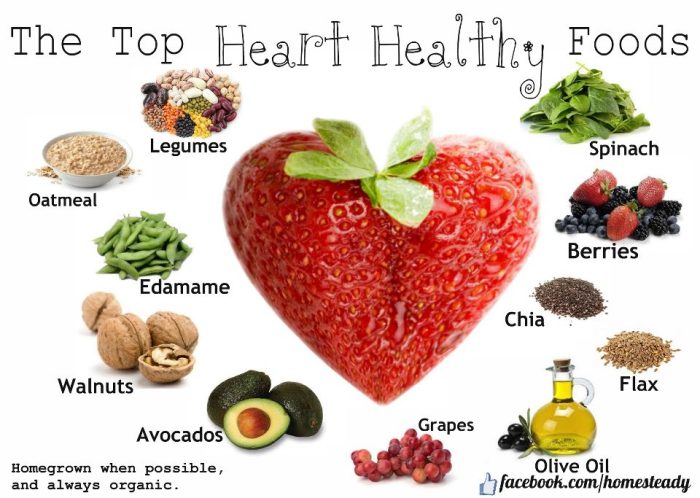
Omega-3 fatty acids are known for their heart-protective benefits. Foods rich in omega-3s include fatty fish like salmon, mackerel, and sardines. These fish are also good sources of protein, making them a great addition to a heart-healthy diet. Other plant-based sources of omega-3s include flaxseeds, chia seeds, and walnuts.

Antioxidant-rich foods for heart health

Antioxidants help protect the heart by reducing inflammation and preventing damage to blood vessels. Berries, such as blueberries, strawberries, and raspberries, are excellent sources of antioxidants. Dark chocolate, red grapes, and spinach are also rich in antioxidants and can be beneficial for heart health when consumed in moderation.

The benefits of fiber-rich foods for cardiovascular wellness

Fiber plays a key role in promoting heart health by lowering cholesterol levels and improving digestion. Foods high in fiber include whole grains like oats, barley, and quinoa, as well as fruits, vegetables, and legumes. Incorporating these fiber-rich foods into your diet can help reduce the risk of heart disease and improve overall heart health.

The role of potassium-rich foods in maintaining a healthy heart

Potassium is essential for maintaining healthy blood pressure levels and supporting heart function. Bananas, sweet potatoes, avocados, and spinach are all good sources of potassium. Including these potassium-rich foods in your diet can help regulate blood pressure and reduce the risk of cardiovascular disease.

Healthy Habits

Foods to improve cardiovascular health
Regular exercise is crucial for promoting cardiovascular health as it helps strengthen the heart muscle, improve circulation, and lower blood pressure. It also aids in maintaining a healthy weight and reducing the risk of heart disease.

Reducing Salt Intake

Reducing salt intake is important for heart health as excessive salt consumption can lead to high blood pressure, which is a major risk factor for cardiovascular disease. Strategies to reduce salt intake include avoiding processed foods, using herbs and spices for flavoring instead of salt, and being mindful of sodium content in restaurant meals.

Staying Hydrated

Staying hydrated is essential for overall cardiovascular well-being as it helps maintain proper blood volume and circulation. Dehydration can strain the heart and increase the risk of blood clots. It is recommended to drink plenty of water throughout the day and limit consumption of sugary drinks and alcohol.

Portion Control

Practicing portion control is key to a heart-healthy lifestyle as it helps in maintaining a healthy weight and preventing overeating. It is important to be mindful of portion sizes, listen to your body’s hunger cues, and avoid eating until you are overly full. By controlling portions, you can better manage your calorie intake and support cardiovascular health.

Emotional Wellbeing

Stress management is closely linked to cardiovascular health. When we experience high levels of stress, our bodies release hormones like cortisol and adrenaline, which can increase blood pressure and heart rate. Prolonged stress can lead to inflammation in the arteries, increasing the risk of heart disease.

Relaxation Techniques

  • Deep breathing exercises: Taking slow, deep breaths can help calm the nervous system and reduce stress.
  • Meditation: Practicing mindfulness through meditation can help improve emotional wellbeing and lower blood pressure.
  • Yoga: Engaging in yoga can promote relaxation, reduce stress, and improve heart health.

Role of Emotional Support

Emotional support plays a vital role in maintaining a healthy heart. Having strong social connections and a support system can help reduce stress levels, improve mental health, and lower the risk of heart disease. Surrounding yourself with loved ones and seeking help when needed can positively impact cardiovascular wellbeing.

Mindfulness Practices

  • Body scan meditation: This practice involves focusing on different parts of the body, promoting relaxation and reducing stress levels.
  • Gratitude journaling: Writing down things you are grateful for can shift your focus to positive emotions, improving overall emotional wellbeing.
  • Walking meditation: Combining mindfulness with physical activity through walking can benefit both mental and heart health.

Healthy Aging

Maintaining heart health as you age is crucial for overall well-being. Regular health check-ups play a vital role in preventing cardiovascular issues, allowing for early detection and intervention. Age-appropriate exercises can help promote a healthy heart, while a balanced diet provides essential nutrients to support heart health throughout the aging process.

Tips for Maintaining Heart Health

  • Engage in regular physical activity such as walking, swimming, or cycling to keep your heart strong.
  • Aim to manage stress through relaxation techniques like meditation or yoga to reduce the risk of heart-related problems.
  • Get an adequate amount of sleep each night to support heart health and overall well-being.

Importance of Regular Health Check-ups

  • Regular check-ups help monitor blood pressure, cholesterol levels, and other vital signs to detect any potential issues early on.
  • Screenings for heart diseases and conditions can help determine the best course of action for prevention and treatment.

Age-Appropriate Exercises for a Healthy Heart, Foods to improve cardiovascular health

  • Low-impact exercises like tai chi or yoga can improve flexibility, balance, and overall cardiovascular health.
  • Strength training with light weights or resistance bands can help maintain muscle mass and support heart function.

Role of Balanced Diet in Supporting Heart Health

  • Eat a variety of fruits, vegetables, whole grains, lean proteins, and healthy fats to provide essential nutrients for heart health.
  • Limit intake of processed foods, sugary drinks, and high-sodium meals to reduce the risk of heart disease and related complications.

Active Lifestyle

Regular physical activity plays a crucial role in maintaining overall cardiovascular health. By incorporating an active lifestyle into your daily routine, you can experience a wide range of benefits that support heart health and overall well-being.

Benefits of Physical Activity on Cardiovascular Health

  • Improves blood circulation and oxygen delivery to the heart
  • Helps lower blood pressure and cholesterol levels
  • Aids in weight management and reduces the risk of obesity
  • Strengthens the heart muscle and improves its efficiency
  • Reduces the risk of developing heart disease and stroke

Examples of Beneficial Aerobic Exercises

  • Running or jogging
  • Cycling
  • Swimming
  • Aerobic dance classes
  • Brisk walking

Importance of Strength Training for Heart Health

Strength training exercises are essential for maintaining muscle mass, bone density, and metabolic health. By incorporating activities like weight lifting, resistance band exercises, and bodyweight workouts into your fitness routine, you can enhance your cardiovascular health by:

  • Increasing muscle strength and endurance
  • Boosting metabolism and promoting fat loss
  • Improving overall physical function and mobility
  • Enhancing heart function and circulation

Creating a Sustainable Exercise Plan

To ensure long-term success and enjoyment in your fitness journey, it’s important to:

  • Set realistic goals and track your progress
  • Find activities that you enjoy and vary your routine to prevent boredom
  • Include a mix of aerobic, strength training, and flexibility exercises
  • Listen to your body and rest when needed to prevent overtraining
  • Stay consistent and make physical activity a priority in your daily life

Healthy Recipes

Foods to improve cardiovascular health – When it comes to improving cardiovascular health, incorporating heart-healthy recipes into your diet is essential. These recipes focus on using ingredients known to support heart health and reducing unhealthy fats to promote overall well-being.

Incorporating Heart-Healthy Ingredients

  • Salmon: Rich in omega-3 fatty acids, salmon can help lower cholesterol and reduce the risk of heart disease.
  • Quinoa: A great source of protein and fiber, quinoa can aid in maintaining healthy blood pressure levels.
  • Leafy greens: Spinach, kale, and other leafy greens are packed with vitamins, minerals, and antioxidants that support heart health.

Cooking Tips for Reducing Unhealthy Fats

  • Avoid frying foods and opt for baking, grilling, or steaming instead.
  • Use heart-healthy oils like olive oil or avocado oil in place of butter or lard.
  • Season dishes with herbs and spices instead of excess salt to enhance flavor without adding extra fat.

Importance of Meal Planning

  • Meal planning helps you stay on track with your heart-healthy diet by ensuring you have nutritious options readily available.
  • Planning meals in advance can prevent impulsive food choices that may not align with your cardiovascular health goals.
  • By meal planning, you can create balanced and varied meals that provide essential nutrients for heart health.

Creating Balanced and Nutritious Meals

  • Incorporate a variety of fruits, vegetables, whole grains, lean proteins, and healthy fats into your meals.
  • Focus on portion control to avoid overeating and maintain a healthy weight, which is beneficial for heart health.
  • Experiment with different flavors and cooking techniques to keep your meals exciting and enjoyable.

Mental Resilience

Mental resilience plays a crucial role in maintaining cardiovascular well-being. The connection between mental health and heart health is undeniable, as stress, anxiety, and negative emotions can have a significant impact on the heart.

Building Emotional Resilience

Building emotional resilience is essential for supporting heart health. Techniques such as mindfulness, deep breathing exercises, and practicing gratitude can help individuals cope with stress and manage their emotions effectively. By cultivating emotional resilience, individuals can reduce the risk of heart disease and improve overall cardiovascular wellness.

Positive Thinking and Heart Health

Positive thinking has been linked to a healthy heart. Optimism and a positive outlook on life can lower the risk of heart disease and improve cardiovascular health. By focusing on the positive aspects of life and maintaining a hopeful attitude, individuals can protect their heart health and enhance overall well-being.

Tips for Managing Stress

Managing stress is key to improving cardiovascular wellness. Techniques such as regular exercise, adequate sleep, and engaging in relaxing activities can help reduce stress levels and lower the risk of heart disease. It is important to prioritize self-care and find healthy ways to cope with stress to support heart health effectively.

Immune Support

The relationship between immune function and heart health is closely interconnected. A strong immune system is essential for protecting the body from infections and diseases, including those that can affect the heart and cardiovascular system. By maintaining a healthy immune system, individuals can reduce their risk of developing conditions that may impact heart health.

Immune-Boosting Foods for Cardiovascular Wellness

  • Colorful fruits and vegetables rich in antioxidants, such as berries, citrus fruits, and leafy greens, can help boost the immune system while also providing essential nutrients for heart health.
  • Fatty fish like salmon, mackerel, and sardines are high in omega-3 fatty acids, which have anti-inflammatory properties that can benefit both the immune system and cardiovascular function.
  • Probiotic-rich foods like yogurt, kefir, and sauerkraut support gut health, which is linked to immune function and overall well-being.

The Importance of a Well-Rounded Diet

A well-rounded diet that includes a variety of nutrient-dense foods is crucial for supporting both the immune system and heart health. Consuming a balanced mix of fruits, vegetables, whole grains, lean proteins, and healthy fats provides the body with the necessary nutrients to function optimally and maintain overall well-being.

Lifestyle Factors and Immune Support

  • Regular physical activity can help strengthen the immune system and improve cardiovascular health by reducing inflammation and promoting circulation.
  • Adequate sleep is essential for immune function and heart health, as it allows the body to repair and regenerate cells during rest.
  • Managing stress through relaxation techniques, mindfulness practices, and social connections can also support immune function and cardiovascular well-being.

Stress Relief

In today’s fast-paced world, stress has become a common factor in many people’s lives. It is essential to address stress not only for mental well-being but also for heart health. Chronic stress can have detrimental effects on the cardiovascular system, increasing the risk of heart disease and other related conditions. Implementing stress-relief practices into daily routines is crucial for maintaining a healthy heart and overall well-being. Let’s explore some relaxation techniques and tips for managing stress effectively.

Relaxation Techniques

  • Deep Breathing: Practice deep breathing exercises to calm the mind and reduce stress levels. Inhale deeply through your nose, hold for a few seconds, and exhale slowly through your mouth.
  • Meditation: Engage in mindfulness meditation to promote relaxation and reduce anxiety. Find a quiet space, close your eyes, and focus on your breath or a calming mantra.
  • Yoga: Incorporate yoga into your routine to improve flexibility, reduce tension, and alleviate stress. Yoga poses, combined with breathing techniques, can help release physical and mental strain.

Incorporating Stress-Relief Practices

  • Schedule “Me Time”: Set aside time each day for self-care activities that help you unwind and relax, such as reading a book, taking a bath, or going for a walk in nature.
  • Physical Activity: Regular exercise not only benefits your physical health but also serves as a stress-reliever. Engage in activities like walking, jogging, or dancing to boost endorphins and reduce stress.
  • Healthy Diet: Eating a well-balanced diet rich in fruits, vegetables, whole grains, and lean proteins can support your body in managing stress. Avoid excessive caffeine and sugar intake, which can contribute to heightened stress levels.

Importance of Self-Care

  • Self-care practices play a vital role in managing stress and promoting heart health. Prioritize activities that nourish your mind, body, and soul, such as getting adequate rest, practicing gratitude, and connecting with loved ones.
  • Seek Support: Don’t hesitate to reach out to friends, family, or a mental health professional for guidance and support when dealing with chronic stress. Talking about your feelings and emotions can lighten the burden and provide relief.

Nutritional Balance: Foods To Improve Cardiovascular Health

Maintaining a balanced diet is crucial for supporting cardiovascular health and overall wellness. By incorporating nutrient-dense foods and practicing moderation, you can ensure that your body receives the necessary nutrients to function optimally.

Significance of a Balanced Diet

A balanced diet plays a key role in maintaining cardiovascular health by providing essential nutrients such as vitamins, minerals, fiber, and antioxidants. These nutrients help reduce inflammation, lower cholesterol levels, regulate blood pressure, and support overall heart function.

Nutrient-Dense Foods for Heart Health

  • Leafy green vegetables: Rich in vitamins, minerals, and antioxidants that support heart health.
  • Fatty fish (salmon, mackerel, sardines): Excellent source of omega-3 fatty acids for reducing inflammation and improving heart function.
  • Whole grains (quinoa, brown rice, oats): High in fiber and nutrients that help lower cholesterol and maintain healthy blood sugar levels.
  • Berries (blueberries, strawberries, raspberries): Packed with antioxidants that protect against heart disease and promote vascular health.

Importance of Variety and Moderation

Including a variety of nutrient-dense foods in your diet ensures that you receive a wide range of essential nutrients necessary for cardiovascular wellness. Moderation is key to prevent overconsumption of unhealthy fats, sugars, and sodium that can negatively impact heart health.

Achieving Nutritional Balance

To achieve nutritional balance while supporting cardiovascular wellness, focus on incorporating a colorful array of fruits and vegetables, lean proteins, whole grains, and healthy fats into your meals. Limit processed foods, sugary beverages, and excessive salt intake to maintain a heart-healthy diet.

FAQ Insights

What are some heart-healthy foods rich in omega-3 fatty acids?

Examples include salmon, chia seeds, and walnuts.

How does stress management affect cardiovascular health?

Effective stress management can reduce the risk of heart diseases and improve overall heart health.

Why is portion control important for a heart-healthy lifestyle?

Controlling portion sizes helps maintain a healthy weight and reduces the strain on the heart.

What are some age-appropriate exercises for promoting a healthy heart?

Low-impact activities like walking or swimming are gentle on the heart yet beneficial.

How can mindfulness practices benefit cardiovascular well-being?

Mindfulness can reduce stress, lower blood pressure, and improve heart health.