Cardiovascular health benefits of cycling: Enhancing heart health through regular cycling

Cardiovascular health benefits of cycling

Benefits of Cycling for Cardiovascular Health

Cycling is a fantastic way to improve cardiovascular health due to its ability to strengthen the heart and lungs, increase circulation, and reduce the risk of heart disease.

Comparing Cardiovascular Benefits

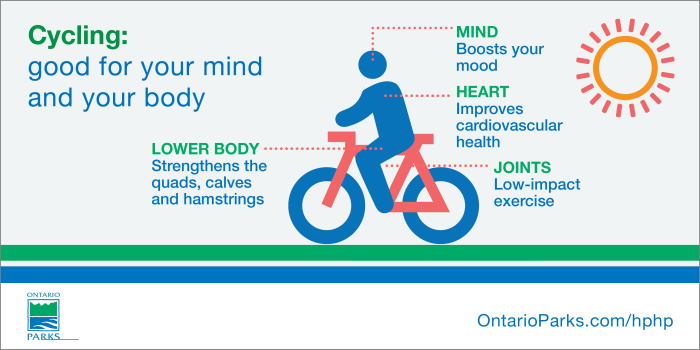
  • Cycling vs. Running: While both are excellent aerobic exercises, cycling is gentler on the joints, making it a great option for individuals with joint issues.
  • Cycling vs. Swimming: Cycling provides a weight-bearing exercise advantage over swimming, which can help maintain bone density and improve overall cardiovascular fitness.

Specific Heart Health Improvements

  • Lowering Blood Pressure: Regular cycling can help reduce blood pressure levels, decreasing the risk of heart attack and stroke.
  • Improved Cholesterol Levels: Cycling can raise HDL (good) cholesterol and lower LDL (bad) cholesterol, promoting a healthy heart.
  • Enhanced Endurance: Cycling improves cardiovascular endurance, allowing the heart to work more efficiently and effectively over time.

Importance of Healthy Habits in Cycling

Cycling is an excellent form of exercise for cardiovascular health, but incorporating healthy habits can further enhance its benefits for the heart.

Hydration and Nutrition

Proper hydration is crucial when cycling to support cardiovascular health. Dehydration can strain the heart and lead to decreased performance. It is essential to drink water before, during, and after cycling to maintain optimal hydration levels. Additionally, a balanced diet rich in fruits, vegetables, whole grains, and lean proteins provides the necessary nutrients to support heart health during cycling.

Rest and Recovery

Rest and recovery are equally important for maintaining a healthy heart while cycling. Adequate rest allows the heart to recover from the physical exertion of cycling, reducing the risk of overtraining and potential heart complications. Incorporating rest days into your cycling routine and ensuring quality sleep are essential for overall cardiovascular health.

Emotional Wellbeing and Cycling

Cycling not only benefits physical health but also plays a significant role in improving emotional wellbeing. The connection between mental health and cardiovascular benefits of cycling is crucial for overall wellness.

Stress Reduction

Cycling has been shown to reduce stress levels by releasing endorphins, also known as the “feel-good” hormones. The rhythmic motion of pedaling and being outdoors can help clear the mind and alleviate tension.

Mood Enhancement

Engaging in cycling can lead to an improvement in mood due to the release of neurotransmitters like serotonin and dopamine. These chemicals are associated with feelings of happiness and can help combat symptoms of depression and anxiety.

Connection to Mental Health

The cardiovascular benefits of cycling, such as improved circulation and reduced risk of heart disease, directly impact mental health. A healthy heart and body can lead to better cognitive function, increased energy levels, and a more positive outlook on life.

Healthy Aging and Cycling

Cycling is not only beneficial for cardiovascular health but also plays a crucial role in promoting healthy aging, especially in terms of heart health. Regular cycling can significantly reduce the risk of age-related cardiovascular issues, keeping the heart strong and healthy as we grow older.

Benefits of Cycling for Healthy Aging

  • Cycling helps improve cardiovascular fitness, which is essential for maintaining a healthy heart as we age.
  • Regular cycling can lower blood pressure and cholesterol levels, reducing the risk of heart disease and stroke.
  • It promotes better circulation, ensuring that the heart receives an adequate supply of oxygen and nutrients.
  • Cycling is a low-impact exercise, making it gentle on the joints and suitable for older adults looking to stay active.

Tips for Older Adults Incorporating Cycling

  • Start slow and gradually increase the intensity and duration of your cycling sessions to avoid strain or injury.
  • Consult with a healthcare provider before starting a new exercise routine, especially if you have pre-existing heart conditions.
  • Invest in a comfortable and properly fitted bike to ensure a safe and enjoyable riding experience.
  • Join a local cycling group or club to stay motivated and make cycling a social activity.

Maintaining an Active Lifestyle through Cycling
Cardiovascular health benefits of cycling
Cycling is an excellent way to maintain an active lifestyle and promote overall well-being. Not only does it provide a fun and enjoyable form of exercise, but it also offers numerous benefits for cardiovascular health.

Consistent Cycling and Long-Term Cardiovascular Health

Cycling regularly has been shown to have a positive impact on long-term cardiovascular health. By engaging in this aerobic activity, individuals can improve their heart health, strengthen their cardiovascular system, and reduce the risk of heart disease. Consistent cycling helps lower blood pressure, improve blood circulation, and increase heart efficiency, leading to a healthier heart overall.

  • Regular cycling can help reduce levels of bad cholesterol (LDL) while increasing good cholesterol (HDL), leading to a healthier lipid profile.
  • Cycling promotes weight management and can help prevent obesity, which is a risk factor for cardiovascular diseases.
  • By engaging in cycling, individuals can improve their overall fitness levels, which in turn benefits their cardiovascular system.

Starting or Maintaining a Cycling Routine for Heart Health Benefits

For individuals looking to start or maintain a cycling routine for heart health benefits, here are some suggestions to consider:

  1. Start slowly and gradually increase the intensity and duration of your rides to avoid overexertion.
  2. Make sure to warm up before cycling and cool down afterward to prevent injuries and muscle soreness.
  3. Choose a variety of routes to keep your rides interesting and challenging, including flat terrain, hills, and intervals for a well-rounded workout.
  4. Stay hydrated and fuel your body with nutritious foods to support your cycling efforts and overall heart health.
  5. Listen to your body and rest when needed. Recovery is essential for muscle repair and overall well-being.

Recipes to Support Cardiovascular Health for Cyclists

To maintain a healthy heart while cycling, it is essential to fuel your body with nutritious meals that provide the right balance of nutrients and energy. Incorporating heart-healthy recipes into your diet can significantly enhance your cardiovascular health and overall well-being.

Avocado and Salmon Salad

  • Salmon is rich in omega-3 fatty acids, which are beneficial for heart health.
  • Avocado provides healthy fats and fiber to keep you satisfied and support cardiovascular function.
  • Leafy greens like spinach or kale offer antioxidants and vitamins that promote heart health.
  • Add walnuts or almonds for an extra crunch and a boost of heart-healthy fats.

Oatmeal with Berries and Nuts

  • Oats are high in soluble fiber, which can help lower cholesterol levels and support heart health.
  • Berries like strawberries, blueberries, or raspberries are packed with antioxidants and vitamins that benefit cardiovascular function.
  • Nuts such as almonds, walnuts, or pecans provide healthy fats and protein to keep you energized during your cycling sessions.
  • Drizzle with a bit of honey or maple syrup for a touch of sweetness without compromising heart health.

Quinoa and Vegetable Stir-Fry

  • Quinoa is a complete protein source and rich in fiber, supporting muscle recovery and heart health.
  • Colorful vegetables like bell peppers, broccoli, and carrots offer a variety of vitamins, minerals, and antioxidants that promote cardiovascular function.
  • Add tofu or lean chicken for extra protein to fuel your cycling workouts and support muscle growth.
  • Season with herbs and spices like garlic, ginger, and turmeric for added flavor and heart-healthy benefits.

Building Mental Resilience through Cycling

Cycling not only benefits physical health but also plays a significant role in building mental resilience and improving overall well-being. The combination of physical activity, fresh air, and the sense of freedom that comes with cycling can have a positive impact on mental toughness.

Improved Focus and Stress Relief

  • Cycling allows individuals to disconnect from daily stressors and focus on the present moment, promoting mental clarity and reducing anxiety.
  • The rhythmic motion of pedaling can be meditative, helping to calm the mind and improve concentration.
  • Regular cycling has been linked to the release of endorphins, which are natural mood lifters that can reduce stress and enhance feelings of well-being.

Enhanced Problem-Solving Skills

  • Engaging in cycling can provide a mental break from challenges or problems, allowing the mind to subconsciously work through solutions.
  • The sense of accomplishment and empowerment gained from overcoming physical obstacles during cycling can translate to improved problem-solving skills in other areas of life.
  • Being in nature during a bike ride can also stimulate creativity and fresh perspectives on complex issues.

Boosted Self-Confidence and Resilience

  • Setting and achieving cycling goals, whether it’s completing a challenging route or improving speed and endurance, can boost self-confidence and resilience.
  • Dealing with the physical demands of cycling can help individuals develop a “can-do” attitude that carries over to other aspects of life.
  • Learning to push through discomfort and fatigue while cycling can strengthen mental toughness and the ability to persevere in the face of adversity.

Supporting Immune Health with Cycling: Cardiovascular Health Benefits Of Cycling

Regular cycling plays a significant role in boosting immune function and supporting overall health. The relationship between cardiovascular health, exercise, and immune system strength is closely intertwined. By engaging in consistent cycling routines, cyclists can take proactive steps to maintain a strong immune system.

Benefits of Cycling for Immune Health

  • Cycling helps improve blood circulation, allowing immune cells to move more efficiently throughout the body and effectively combat pathogens.
  • Regular exercise, such as cycling, can reduce inflammation in the body, which is essential for a well-functioning immune system.
  • Physical activity through cycling can help reduce stress levels, as stress is known to weaken the immune system.

Tips for Cyclists to Support Immune Health, Cardiovascular health benefits of cycling

  • Stay hydrated before, during, and after your cycling sessions to support overall immune function.
  • Ensure a balanced diet rich in fruits, vegetables, lean proteins, and whole grains to provide essential nutrients for immune health.
  • Get an adequate amount of sleep each night to allow your body to rest and recover, strengthening your immune system.
  • Practice good hygiene, especially after cycling sessions, to reduce the risk of infections and illnesses.

Stress Relief Benefits of Cycling

Cardiovascular health benefits of cycling
Cycling not only benefits cardiovascular health but also has significant stress-relieving effects. When you engage in cycling, your body releases endorphins, also known as the “feel-good” hormones, which can help reduce stress and anxiety levels.

Comparing Effectiveness with Other Relaxation Techniques

  • Cycling provides a dual benefit of physical activity and exposure to nature, which can have a calming effect on the mind and reduce stress levels.
  • Compared to other relaxation techniques like meditation or yoga, cycling allows you to be physically active while enjoying the outdoors, contributing to a sense of freedom and relaxation.
  • The rhythmic motion of cycling can also have a meditative effect, helping to clear the mind and release tension.

Recommendations for Incorporating Cycling into a Stress Management Routine

  • Try to include cycling in your daily routine, whether it’s commuting to work, running errands, or going for leisurely rides in the evening.
  • Set aside dedicated time for cycling to ensure you prioritize stress relief and mental wellbeing.
  • Explore different cycling routes to keep things interesting and prevent monotony, which can further enhance the stress-relieving benefits.
  • Consider joining cycling groups or clubs to socialize with like-minded individuals and enhance the overall experience of stress relief through cycling.

Achieving Nutritional Balance for Cyclists

Regular cycling not only benefits cardiovascular health but also requires proper nutrition to support overall well-being. For cyclists, achieving a nutritional balance is crucial for maintaining a healthy heart and optimizing performance on the bike.

Essential Nutrients for Cardiovascular Health

  • Omega-3 fatty acids: Found in fish, nuts, and seeds, omega-3s help reduce inflammation and support heart health.
  • Antioxidants: Foods like berries, dark leafy greens, and dark chocolate provide antioxidants that protect the heart from damage.
  • Fiber: Whole grains, fruits, and vegetables high in fiber can help lower cholesterol levels and reduce the risk of heart disease.
  • Healthy fats: Avocados, olive oil, and nuts contain monounsaturated fats that are beneficial for heart health.

Tips for Meal Planning and Dietary Choices

  • Include a variety of fruits and vegetables in your meals to ensure you get a range of vitamins and minerals essential for heart health.
  • Opt for lean protein sources like poultry, fish, beans, and legumes to support muscle recovery and overall health.
  • Avoid processed foods high in added sugars and unhealthy fats, as they can contribute to inflammation and heart disease risk.
  • Stay hydrated by drinking plenty of water throughout the day, especially before, during, and after cycling sessions to maintain optimal performance.

Popular Questions

Cardiovascular health benefits of cycling – How does cycling improve cardiovascular health?

Cycling improves cardiovascular health by increasing heart rate and circulation, strengthening the heart muscles, and reducing blood pressure and cholesterol levels.

What are some healthy habits that complement cycling for optimal heart health?

Healthy habits that complement cycling include staying hydrated, eating a balanced diet rich in nutrients, getting enough rest, and incorporating strength training exercises.

Can cycling help reduce stress and improve mood?

Yes, cycling has been shown to reduce stress levels and improve mood by releasing endorphins, the body’s natural feel-good chemicals.

How does cycling support healthy aging, especially in terms of heart health?

Cycling contributes to healthy aging by improving cardiovascular fitness, reducing the risk of heart disease, and promoting overall well-being in older adults.

What are some nutritious recipes that can enhance heart health for cyclists?

Nutritious recipes for cyclists include meals rich in fruits, vegetables, whole grains, lean proteins, and healthy fats to provide the necessary energy and nutrients for cycling.

Yoga for cardiovascular health improvement: Enhancing heart health through yoga

Yoga for cardiovascular health improvement

Introduction to Yoga for Cardiovascular Health Improvement

Yoga for cardiovascular health improvement – Yoga is a holistic practice that offers numerous benefits for cardiovascular health. It not only helps in improving flexibility and reducing stress but also plays a significant role in enhancing heart health.

Benefits of Yoga for Cardiovascular Health

  • Yoga promotes relaxation and reduces stress, which can contribute to lower blood pressure and heart rate.
  • Regular practice of yoga can improve circulation and oxygenation of the blood, benefiting the heart muscle.
  • Yoga poses focus on deep breathing techniques that enhance lung capacity and improve overall cardiovascular function.

Complementing Traditional Cardiovascular Exercises

  • Yoga can be a great complement to traditional cardiovascular exercises like running or cycling, as it provides a low-impact option that still improves heart health.
  • Combining yoga with aerobic activities can create a well-rounded fitness routine that targets different aspects of cardiovascular health.

Specific Yoga Poses for Heart Health

  • Mountain Pose (Tadasana): This pose helps in improving posture and increasing circulation throughout the body.
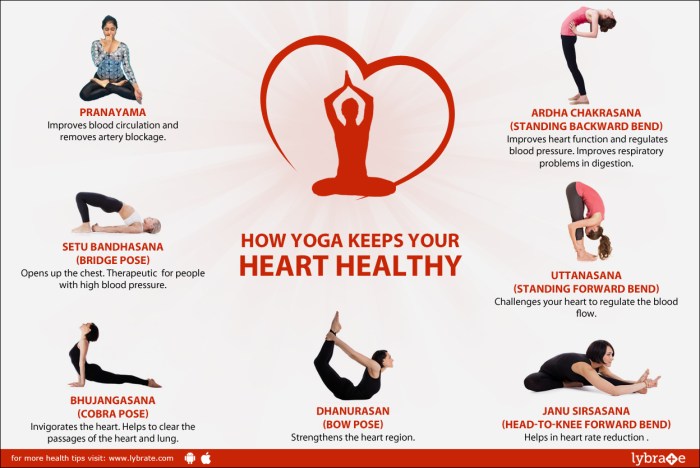
  • Bridge Pose (Setu Bandhasana): Bridge pose can help strengthen the back muscles and open up the chest, promoting better heart health.
  • Cobra Pose (Bhujangasana): Cobra pose stretches the chest and lungs, improving breathing capacity and supporting heart function.

Incorporating Yoga into Healthy Habits

Yoga for cardiovascular health improvement

Integrating yoga into your daily routine can significantly contribute to your overall wellness. Regular practice of yoga has been shown to have numerous health benefits, including improved cardiovascular health.

Tips for Integrating Yoga into Daily Routines

  • Set aside a specific time each day for yoga practice, whether it’s in the morning to start your day off right or in the evening to unwind.
  • Create a dedicated space in your home for yoga practice, free from distractions and clutter.
  • Start with short sessions if you’re new to yoga and gradually increase the duration and intensity as you build strength and flexibility.
  • Combine yoga with other healthy habits like eating a balanced diet, staying hydrated, and getting enough sleep for optimal results.

Benefits of Regular Yoga Practice for a Healthier Lifestyle

Consistency in yoga practice is key to reaping the cardiovascular benefits it offers. By incorporating yoga into your daily routine, you can experience:

  • Improved blood circulation and reduced risk of heart disease.
  • Lowered blood pressure and stress levels, promoting overall well-being.
  • Increased flexibility, strength, and balance for better physical health.
  • Enhanced focus, mindfulness, and mental clarity for improved cognitive function.

Importance of Consistency in Yoga Practice for Cardiovascular Benefits

Regular and consistent yoga practice is essential for maximizing the cardiovascular benefits. By committing to a daily or weekly routine, you can:

  • Strengthen your heart muscle and improve its efficiency in pumping blood throughout the body.
  • Reduce inflammation and oxidative stress, which are linked to heart disease and other cardiovascular conditions.
  • Maintain healthy cholesterol levels and regulate blood sugar levels for optimal heart health.
  • Enhance your overall cardiovascular fitness and endurance, leading to a healthier and more active lifestyle.

Yoga’s Impact on Emotional Wellbeing

Yoga is not just beneficial for physical health but also plays a significant role in improving emotional wellbeing. The practice of yoga has been linked to stress reduction and emotional balance, ultimately leading to a sense of calmness and mental clarity.

Connection between Yoga, Stress Reduction, and Emotional Health

  • Yoga involves deep breathing techniques and mindfulness practices that help lower cortisol levels, the stress hormone, in the body.
  • The physical movements combined with mental focus during yoga practice can reduce anxiety and promote relaxation, which in turn improves emotional health.
  • Regular yoga practice has been shown to enhance overall mood and decrease symptoms of depression, contributing to emotional wellbeing.

How Yoga Promotes Relaxation and Mental Clarity for Emotional Balance

  • Yoga encourages individuals to be present in the moment, letting go of past worries and future anxieties, which can help reduce emotional distress.
  • Through the practice of asanas (postures) and meditation, yoga helps release tension stored in the body and mind, leading to a sense of lightness and emotional balance.
  • The focus on breath awareness in yoga can calm the nervous system, leading to a clearer mind and improved emotional regulation.

Personal Anecdotes or Success Stories Related to Emotional Wellbeing through Yoga

  • Many individuals have reported feeling more at peace and content after incorporating yoga into their daily routine, attributing it to improved emotional wellbeing.
  • Some have shared how yoga has helped them manage stress more effectively and cope with challenging emotions, leading to a more balanced and positive outlook on life.
  • Personal stories often highlight the transformative power of yoga in cultivating self-awareness, acceptance, and emotional resilience, ultimately enhancing overall emotional wellbeing.

Promoting Healthy Aging with Yoga: Yoga For Cardiovascular Health Improvement

Yoga can be a powerful tool in promoting healthy aging, especially when it comes to cardiovascular health. As individuals age, the risk of heart-related issues increases, making it crucial to maintain a healthy heart. Yoga offers a gentle yet effective way to support cardiovascular health as we grow older.

Supporting Cardiovascular Health

  • Yoga helps improve circulation and blood flow, which can reduce the risk of heart disease and other cardiovascular conditions.
  • Practicing yoga regularly can lower blood pressure and cholesterol levels, contributing to a healthier heart.
  • Stress reduction through yoga can also benefit heart health, as chronic stress is a major risk factor for heart disease.

Maintaining Flexibility and Mobility

  • Yoga focuses on stretching and strengthening the muscles, which can help older adults maintain flexibility and mobility.
  • Improved flexibility can reduce the risk of injuries and falls, common concerns for seniors.
  • Enhanced mobility allows older adults to stay active and engaged in daily activities, promoting overall well-being.

Gentle Yoga Routines for Seniors

  • Chair yoga is a great option for seniors with mobility issues, providing support while still offering the benefits of yoga.
  • Slow-paced Hatha yoga classes are ideal for older adults looking to improve heart health without overexerting themselves.
  • Restorative yoga focuses on relaxation and gentle stretching, perfect for seniors looking to unwind and support their cardiovascular health.

Maintaining an Active Lifestyle through Yoga

Yoga is a versatile form of exercise that can be adapted to suit individuals of all fitness levels. Whether you are a beginner or an experienced athlete, there are various yoga sequences that can help improve cardiovascular strength and overall physical health.

Dynamic Yoga Sequences for Cardiovascular Strength

  • Sun Salutations: A series of poses that flow together to create a dynamic and energizing sequence, promoting increased heart rate and circulation.
  • Power Vinyasa Flow: Combines strength-building poses with fluid movements, enhancing cardiovascular endurance and muscle tone.
  • Ashtanga Yoga: A structured sequence of poses performed in a continuous flow, challenging the cardiovascular system and improving overall fitness levels.

Role of Yoga in Keeping Individuals Active and Engaged

Yoga not only helps improve physical health but also plays a significant role in keeping individuals active and engaged in regular physical activity. The mindfulness aspect of yoga promotes self-awareness, reduces stress, and enhances overall well-being, making it easier to maintain an active lifestyle.

Yoga Practices for Cardiovascular Health

Yoga for cardiovascular health improvement
Regular practice of yoga can have significant benefits for cardiovascular health. Let’s explore some specific practices and techniques that can help improve heart health.

Specific Breathing Techniques in Yoga

  • One key breathing technique in yoga is diaphragmatic breathing, also known as belly breathing. This involves breathing deeply into the belly, allowing the diaphragm to fully engage and promote relaxation.
  • Kapalabhati, or breath of fire, is another breathing technique that involves forceful exhalations followed by passive inhalations. This practice helps increase oxygen supply to the body and can stimulate the heart.
  • Anulom Vilom, or alternate nostril breathing, is a calming breathing exercise that can help reduce stress and lower blood pressure, benefiting heart health.

Concept of Mindfulness in Yoga, Yoga for cardiovascular health improvement

Mindfulness in yoga involves being fully present in the moment, focusing on sensations, thoughts, and emotions without judgment.

Practicing mindfulness can help reduce stress levels, improve emotional wellbeing, and positively impact heart health by lowering the risk of heart disease and hypertension.

Yoga for Improved Circulation and Lower Blood Pressure

  • Yoga poses that involve inversions, such as downward dog or headstand, can help improve circulation by allowing blood to flow more easily back to the heart.
  • Regular yoga practice can also help lower blood pressure by reducing stress, promoting relaxation, and improving overall cardiovascular function.
  • Pranayama, or yogic breathing exercises, can help regulate the autonomic nervous system, leading to better blood pressure control and heart health.

Healthy Recipes to Support Yoga Practice

When it comes to practicing yoga for cardiovascular health, nutrition plays a crucial role in supporting overall wellbeing. Eating a balanced diet filled with heart-healthy foods can enhance the benefits of yoga practice and promote a healthy heart.

Nutritious Tips for Yogis

  • Focus on whole foods such as fruits, vegetables, whole grains, and lean proteins to fuel your body for yoga sessions.
  • Avoid processed foods high in saturated fats, sugars, and salt, which can negatively impact heart health.
  • Stay hydrated by drinking plenty of water throughout the day to support your yoga practice and overall cardiovascular health.

Heart-Healthy Recipes

  • Quinoa Salad with Avocado and Chickpeas: A nutrient-dense meal packed with fiber, healthy fats, and protein to keep you energized.
  • Grilled Salmon with Asparagus: Rich in omega-3 fatty acids and antioxidants, this dish is excellent for heart health and muscle recovery post-yoga.
  • Green Smoothie with Spinach and Berries: A refreshing and antioxidant-filled beverage to enjoy as a pre or post-yoga snack.

Importance of a Balanced Diet

Pairing yoga practice with a balanced diet not only supports cardiovascular health but also contributes to overall wellbeing. A diet rich in nutrients, vitamins, and minerals can enhance the benefits of yoga, promoting strength, flexibility, and emotional balance.

Building Mental Resilience through Yoga

Yoga is not just about physical postures; it also encompasses mental and emotional well-being. Through the practice of yoga, individuals can enhance their mental resilience and coping mechanisms, allowing them to better navigate life’s challenges.

Relationship between Yoga, Mindfulness, and Mental Strength

  • Yoga promotes mindfulness, which involves being fully present in the moment without judgment. This allows individuals to develop a greater awareness of their thoughts and emotions.
  • By cultivating mindfulness through yoga practice, individuals can strengthen their mental resilience and ability to cope with stress, anxiety, and other mental health issues.
  • Regular practice of yoga helps individuals build mental strength by improving focus, concentration, and emotional regulation.

Strategies for Cultivating Mental Resilience through Yoga Practice

  • Practice deep breathing exercises, such as pranayama, to calm the mind and reduce stress levels.
  • Engage in meditation to quiet the mind, increase self-awareness, and enhance emotional stability.
  • Incorporate yoga poses that focus on balance, strength, and flexibility to build physical and mental resilience.
  • Attend yoga classes or workshops that specifically target mental well-being and resilience-building techniques.
  • Set aside time for self-reflection and introspection to better understand your thoughts, emotions, and reactions.

Supporting Immune System with Yoga

Yoga is not only beneficial for physical health but also plays a crucial role in supporting the immune system. By reducing stress and promoting relaxation, yoga can have a positive impact on immune function, ultimately contributing to overall health and wellbeing.

Connection between Yoga, Stress Relief, and Immune Function

Yoga practices such as deep breathing, meditation, and gentle movements help lower stress levels by activating the parasympathetic nervous system. This, in turn, reduces the production of stress hormones like cortisol, which can suppress the immune response. By managing stress through yoga, individuals can support their immune system to function optimally.

Positive Impact of Yoga on Immune System

Research has shown that regular yoga practice can enhance immune function by increasing the production of antibodies and boosting the activity of immune cells. Additionally, yoga helps improve circulation, which allows immune cells to move more efficiently throughout the body, enhancing their ability to fight off pathogens and infections.

Specific Yoga Practices to Boost Immunity

– Pranayama: Breathing exercises like alternate nostril breathing (Nadi Shodhana) can help clear the nasal passages and improve respiratory function, supporting overall immune health.
– Yoga Asanas: Poses that involve twists, such as seated spinal twist (Ardha Matsyendrasana), can help stimulate the lymphatic system, which plays a key role in immune function.
– Meditation: Mindfulness meditation can reduce inflammation in the body and promote a sense of calm, which can positively impact immune function.

By incorporating these specific yoga practices into your routine, you can support your immune system and enhance your overall health and wellbeing.

Stress Relief Techniques in Yoga

Yoga offers a variety of relaxation techniques that can significantly reduce stress levels and promote overall well-being. These techniques not only help calm the mind but also have positive effects on the body, including reducing stress hormones and improving heart health.

Breathing Exercises for Stress Relief

  • One effective technique is deep breathing exercises, such as diaphragmatic breathing or alternate nostril breathing. These practices help activate the body’s relaxation response, reducing stress and anxiety levels.
  • Practice deep breathing by inhaling deeply through your nose, filling your lungs with air, and exhaling slowly through your mouth. Repeat this process for a few minutes to feel more relaxed and centered.

Yoga Poses for Relaxation

  • Poses like Child’s Pose, Corpse Pose, and Legs-Up-The-Wall Pose are great for promoting relaxation and releasing tension in the body. These poses help calm the mind, reduce stress, and improve overall well-being.
  • Engage in a restorative yoga practice that focuses on gentle, supportive poses held for longer periods to allow the body to relax deeply and release any accumulated stress or tension.

Mindfulness Meditation for Stress Relief

  • Practicing mindfulness meditation can help increase awareness of the present moment, reduce racing thoughts, and promote a sense of calm and tranquility. Mindfulness meditation can be done sitting comfortably or even while practicing yoga poses.
  • Focus on your breath, sensations in your body, or simply observe your thoughts without judgment. This practice can help alleviate stress and improve your overall mental well-being.

Achieving Nutritional Balance alongside Yoga

When it comes to enhancing cardiovascular health through yoga, maintaining a balanced diet is just as crucial as the physical practice itself. A well-rounded diet can help support your body’s overall well-being and optimize the benefits of your yoga routines.

Significance of Balanced Diet

Ensuring you have a balanced diet is essential for promoting heart health and maximizing the effects of yoga on your cardiovascular system. A diet rich in nutrients such as fruits, vegetables, whole grains, lean proteins, and healthy fats can provide the necessary fuel for your body to perform optimally during yoga sessions.

Tips for Proper Nutrition

  • Aim to include a variety of colorful fruits and vegetables in your meals to ensure you are getting a wide range of vitamins and minerals.
  • Choose whole grains like quinoa, brown rice, and oats over refined grains to provide sustained energy levels throughout the day.
  • Incorporate lean proteins such as fish, poultry, tofu, and legumes to support muscle recovery and overall strength.
  • Include healthy fats from sources like avocados, nuts, seeds, and olive oil to help reduce inflammation and support heart health.
  • Stay hydrated by drinking an adequate amount of water throughout the day to support digestion, circulation, and overall well-being.

Creating a Well-Rounded Diet Plan

Developing a diet plan that complements your yoga practice involves focusing on nutrient-dense foods that nourish your body and support your cardiovascular health. Consider working with a nutritionist or dietitian to tailor a meal plan that aligns with your specific health goals and yoga routine.

Frequently Asked Questions

How often should I practice yoga for cardiovascular health improvement?

It is recommended to practice yoga at least 3-4 times a week to see significant improvements in heart health.

Can beginners start practicing yoga for cardiovascular health?

Absolutely! Beginners can start with gentle yoga routines and gradually increase the intensity as they become more comfortable with the practice.

Are there any specific dietary recommendations to enhance the benefits of yoga for heart health?

Eating a balanced diet rich in fruits, vegetables, whole grains, and lean proteins can complement the effects of yoga on cardiovascular health.

Is it necessary to combine other forms of exercise with yoga for optimal heart health?

While yoga alone can have significant benefits for heart health, combining it with other cardiovascular exercises like walking or cycling can further enhance the results.

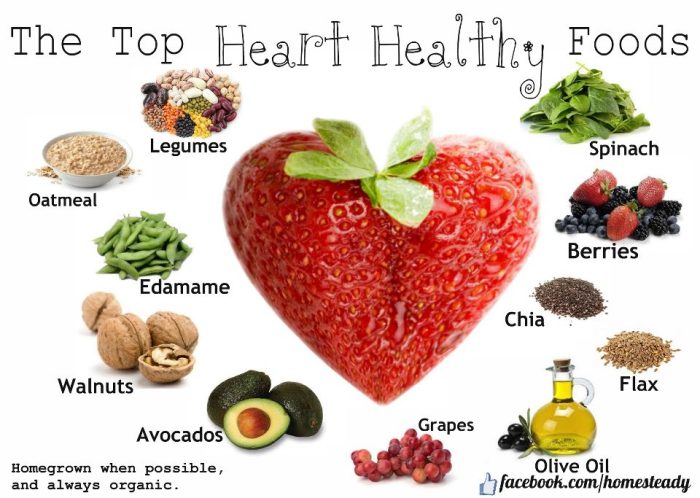
Foods to improve cardiovascular health – Enhancing heart wellness through diet

Foods to improve cardiovascular health

Foods to improve cardiovascular health

Eating a heart-healthy diet is crucial for maintaining cardiovascular wellness. Including certain foods in your meals can help support heart health and reduce the risk of heart disease.

Heart-healthy foods rich in omega-3 fatty acids

Omega-3 fatty acids are known for their heart-protective benefits. Foods rich in omega-3s include fatty fish like salmon, mackerel, and sardines. These fish are also good sources of protein, making them a great addition to a heart-healthy diet. Other plant-based sources of omega-3s include flaxseeds, chia seeds, and walnuts.

Antioxidant-rich foods for heart health

Antioxidants help protect the heart by reducing inflammation and preventing damage to blood vessels. Berries, such as blueberries, strawberries, and raspberries, are excellent sources of antioxidants. Dark chocolate, red grapes, and spinach are also rich in antioxidants and can be beneficial for heart health when consumed in moderation.

The benefits of fiber-rich foods for cardiovascular wellness

Fiber plays a key role in promoting heart health by lowering cholesterol levels and improving digestion. Foods high in fiber include whole grains like oats, barley, and quinoa, as well as fruits, vegetables, and legumes. Incorporating these fiber-rich foods into your diet can help reduce the risk of heart disease and improve overall heart health.

The role of potassium-rich foods in maintaining a healthy heart

Potassium is essential for maintaining healthy blood pressure levels and supporting heart function. Bananas, sweet potatoes, avocados, and spinach are all good sources of potassium. Including these potassium-rich foods in your diet can help regulate blood pressure and reduce the risk of cardiovascular disease.

Healthy Habits

Foods to improve cardiovascular health
Regular exercise is crucial for promoting cardiovascular health as it helps strengthen the heart muscle, improve circulation, and lower blood pressure. It also aids in maintaining a healthy weight and reducing the risk of heart disease.

Reducing Salt Intake

Reducing salt intake is important for heart health as excessive salt consumption can lead to high blood pressure, which is a major risk factor for cardiovascular disease. Strategies to reduce salt intake include avoiding processed foods, using herbs and spices for flavoring instead of salt, and being mindful of sodium content in restaurant meals.

Staying Hydrated

Staying hydrated is essential for overall cardiovascular well-being as it helps maintain proper blood volume and circulation. Dehydration can strain the heart and increase the risk of blood clots. It is recommended to drink plenty of water throughout the day and limit consumption of sugary drinks and alcohol.

Portion Control

Practicing portion control is key to a heart-healthy lifestyle as it helps in maintaining a healthy weight and preventing overeating. It is important to be mindful of portion sizes, listen to your body’s hunger cues, and avoid eating until you are overly full. By controlling portions, you can better manage your calorie intake and support cardiovascular health.

Emotional Wellbeing

Stress management is closely linked to cardiovascular health. When we experience high levels of stress, our bodies release hormones like cortisol and adrenaline, which can increase blood pressure and heart rate. Prolonged stress can lead to inflammation in the arteries, increasing the risk of heart disease.

Relaxation Techniques

  • Deep breathing exercises: Taking slow, deep breaths can help calm the nervous system and reduce stress.
  • Meditation: Practicing mindfulness through meditation can help improve emotional wellbeing and lower blood pressure.
  • Yoga: Engaging in yoga can promote relaxation, reduce stress, and improve heart health.

Role of Emotional Support

Emotional support plays a vital role in maintaining a healthy heart. Having strong social connections and a support system can help reduce stress levels, improve mental health, and lower the risk of heart disease. Surrounding yourself with loved ones and seeking help when needed can positively impact cardiovascular wellbeing.

Mindfulness Practices

  • Body scan meditation: This practice involves focusing on different parts of the body, promoting relaxation and reducing stress levels.
  • Gratitude journaling: Writing down things you are grateful for can shift your focus to positive emotions, improving overall emotional wellbeing.
  • Walking meditation: Combining mindfulness with physical activity through walking can benefit both mental and heart health.

Healthy Aging

Maintaining heart health as you age is crucial for overall well-being. Regular health check-ups play a vital role in preventing cardiovascular issues, allowing for early detection and intervention. Age-appropriate exercises can help promote a healthy heart, while a balanced diet provides essential nutrients to support heart health throughout the aging process.

Tips for Maintaining Heart Health

  • Engage in regular physical activity such as walking, swimming, or cycling to keep your heart strong.
  • Aim to manage stress through relaxation techniques like meditation or yoga to reduce the risk of heart-related problems.
  • Get an adequate amount of sleep each night to support heart health and overall well-being.

Importance of Regular Health Check-ups

  • Regular check-ups help monitor blood pressure, cholesterol levels, and other vital signs to detect any potential issues early on.
  • Screenings for heart diseases and conditions can help determine the best course of action for prevention and treatment.

Age-Appropriate Exercises for a Healthy Heart, Foods to improve cardiovascular health

  • Low-impact exercises like tai chi or yoga can improve flexibility, balance, and overall cardiovascular health.
  • Strength training with light weights or resistance bands can help maintain muscle mass and support heart function.

Role of Balanced Diet in Supporting Heart Health

  • Eat a variety of fruits, vegetables, whole grains, lean proteins, and healthy fats to provide essential nutrients for heart health.
  • Limit intake of processed foods, sugary drinks, and high-sodium meals to reduce the risk of heart disease and related complications.

Active Lifestyle

Regular physical activity plays a crucial role in maintaining overall cardiovascular health. By incorporating an active lifestyle into your daily routine, you can experience a wide range of benefits that support heart health and overall well-being.

Benefits of Physical Activity on Cardiovascular Health

  • Improves blood circulation and oxygen delivery to the heart
  • Helps lower blood pressure and cholesterol levels
  • Aids in weight management and reduces the risk of obesity
  • Strengthens the heart muscle and improves its efficiency
  • Reduces the risk of developing heart disease and stroke

Examples of Beneficial Aerobic Exercises

  • Running or jogging
  • Cycling
  • Swimming
  • Aerobic dance classes
  • Brisk walking

Importance of Strength Training for Heart Health

Strength training exercises are essential for maintaining muscle mass, bone density, and metabolic health. By incorporating activities like weight lifting, resistance band exercises, and bodyweight workouts into your fitness routine, you can enhance your cardiovascular health by:

  • Increasing muscle strength and endurance
  • Boosting metabolism and promoting fat loss
  • Improving overall physical function and mobility
  • Enhancing heart function and circulation

Creating a Sustainable Exercise Plan

To ensure long-term success and enjoyment in your fitness journey, it’s important to:

  • Set realistic goals and track your progress
  • Find activities that you enjoy and vary your routine to prevent boredom
  • Include a mix of aerobic, strength training, and flexibility exercises
  • Listen to your body and rest when needed to prevent overtraining
  • Stay consistent and make physical activity a priority in your daily life

Healthy Recipes

Foods to improve cardiovascular health – When it comes to improving cardiovascular health, incorporating heart-healthy recipes into your diet is essential. These recipes focus on using ingredients known to support heart health and reducing unhealthy fats to promote overall well-being.

Incorporating Heart-Healthy Ingredients

  • Salmon: Rich in omega-3 fatty acids, salmon can help lower cholesterol and reduce the risk of heart disease.
  • Quinoa: A great source of protein and fiber, quinoa can aid in maintaining healthy blood pressure levels.
  • Leafy greens: Spinach, kale, and other leafy greens are packed with vitamins, minerals, and antioxidants that support heart health.

Cooking Tips for Reducing Unhealthy Fats

  • Avoid frying foods and opt for baking, grilling, or steaming instead.
  • Use heart-healthy oils like olive oil or avocado oil in place of butter or lard.
  • Season dishes with herbs and spices instead of excess salt to enhance flavor without adding extra fat.

Importance of Meal Planning

  • Meal planning helps you stay on track with your heart-healthy diet by ensuring you have nutritious options readily available.
  • Planning meals in advance can prevent impulsive food choices that may not align with your cardiovascular health goals.
  • By meal planning, you can create balanced and varied meals that provide essential nutrients for heart health.

Creating Balanced and Nutritious Meals

  • Incorporate a variety of fruits, vegetables, whole grains, lean proteins, and healthy fats into your meals.
  • Focus on portion control to avoid overeating and maintain a healthy weight, which is beneficial for heart health.
  • Experiment with different flavors and cooking techniques to keep your meals exciting and enjoyable.

Mental Resilience

Mental resilience plays a crucial role in maintaining cardiovascular well-being. The connection between mental health and heart health is undeniable, as stress, anxiety, and negative emotions can have a significant impact on the heart.

Building Emotional Resilience

Building emotional resilience is essential for supporting heart health. Techniques such as mindfulness, deep breathing exercises, and practicing gratitude can help individuals cope with stress and manage their emotions effectively. By cultivating emotional resilience, individuals can reduce the risk of heart disease and improve overall cardiovascular wellness.

Positive Thinking and Heart Health

Positive thinking has been linked to a healthy heart. Optimism and a positive outlook on life can lower the risk of heart disease and improve cardiovascular health. By focusing on the positive aspects of life and maintaining a hopeful attitude, individuals can protect their heart health and enhance overall well-being.

Tips for Managing Stress

Managing stress is key to improving cardiovascular wellness. Techniques such as regular exercise, adequate sleep, and engaging in relaxing activities can help reduce stress levels and lower the risk of heart disease. It is important to prioritize self-care and find healthy ways to cope with stress to support heart health effectively.

Immune Support

The relationship between immune function and heart health is closely interconnected. A strong immune system is essential for protecting the body from infections and diseases, including those that can affect the heart and cardiovascular system. By maintaining a healthy immune system, individuals can reduce their risk of developing conditions that may impact heart health.

Immune-Boosting Foods for Cardiovascular Wellness

  • Colorful fruits and vegetables rich in antioxidants, such as berries, citrus fruits, and leafy greens, can help boost the immune system while also providing essential nutrients for heart health.
  • Fatty fish like salmon, mackerel, and sardines are high in omega-3 fatty acids, which have anti-inflammatory properties that can benefit both the immune system and cardiovascular function.
  • Probiotic-rich foods like yogurt, kefir, and sauerkraut support gut health, which is linked to immune function and overall well-being.

The Importance of a Well-Rounded Diet

A well-rounded diet that includes a variety of nutrient-dense foods is crucial for supporting both the immune system and heart health. Consuming a balanced mix of fruits, vegetables, whole grains, lean proteins, and healthy fats provides the body with the necessary nutrients to function optimally and maintain overall well-being.

Lifestyle Factors and Immune Support

  • Regular physical activity can help strengthen the immune system and improve cardiovascular health by reducing inflammation and promoting circulation.
  • Adequate sleep is essential for immune function and heart health, as it allows the body to repair and regenerate cells during rest.
  • Managing stress through relaxation techniques, mindfulness practices, and social connections can also support immune function and cardiovascular well-being.

Stress Relief

In today’s fast-paced world, stress has become a common factor in many people’s lives. It is essential to address stress not only for mental well-being but also for heart health. Chronic stress can have detrimental effects on the cardiovascular system, increasing the risk of heart disease and other related conditions. Implementing stress-relief practices into daily routines is crucial for maintaining a healthy heart and overall well-being. Let’s explore some relaxation techniques and tips for managing stress effectively.

Relaxation Techniques

  • Deep Breathing: Practice deep breathing exercises to calm the mind and reduce stress levels. Inhale deeply through your nose, hold for a few seconds, and exhale slowly through your mouth.
  • Meditation: Engage in mindfulness meditation to promote relaxation and reduce anxiety. Find a quiet space, close your eyes, and focus on your breath or a calming mantra.
  • Yoga: Incorporate yoga into your routine to improve flexibility, reduce tension, and alleviate stress. Yoga poses, combined with breathing techniques, can help release physical and mental strain.

Incorporating Stress-Relief Practices

  • Schedule “Me Time”: Set aside time each day for self-care activities that help you unwind and relax, such as reading a book, taking a bath, or going for a walk in nature.
  • Physical Activity: Regular exercise not only benefits your physical health but also serves as a stress-reliever. Engage in activities like walking, jogging, or dancing to boost endorphins and reduce stress.
  • Healthy Diet: Eating a well-balanced diet rich in fruits, vegetables, whole grains, and lean proteins can support your body in managing stress. Avoid excessive caffeine and sugar intake, which can contribute to heightened stress levels.

Importance of Self-Care

  • Self-care practices play a vital role in managing stress and promoting heart health. Prioritize activities that nourish your mind, body, and soul, such as getting adequate rest, practicing gratitude, and connecting with loved ones.
  • Seek Support: Don’t hesitate to reach out to friends, family, or a mental health professional for guidance and support when dealing with chronic stress. Talking about your feelings and emotions can lighten the burden and provide relief.

Nutritional Balance: Foods To Improve Cardiovascular Health

Maintaining a balanced diet is crucial for supporting cardiovascular health and overall wellness. By incorporating nutrient-dense foods and practicing moderation, you can ensure that your body receives the necessary nutrients to function optimally.

Significance of a Balanced Diet

A balanced diet plays a key role in maintaining cardiovascular health by providing essential nutrients such as vitamins, minerals, fiber, and antioxidants. These nutrients help reduce inflammation, lower cholesterol levels, regulate blood pressure, and support overall heart function.

Nutrient-Dense Foods for Heart Health

  • Leafy green vegetables: Rich in vitamins, minerals, and antioxidants that support heart health.
  • Fatty fish (salmon, mackerel, sardines): Excellent source of omega-3 fatty acids for reducing inflammation and improving heart function.
  • Whole grains (quinoa, brown rice, oats): High in fiber and nutrients that help lower cholesterol and maintain healthy blood sugar levels.
  • Berries (blueberries, strawberries, raspberries): Packed with antioxidants that protect against heart disease and promote vascular health.

Importance of Variety and Moderation

Including a variety of nutrient-dense foods in your diet ensures that you receive a wide range of essential nutrients necessary for cardiovascular wellness. Moderation is key to prevent overconsumption of unhealthy fats, sugars, and sodium that can negatively impact heart health.

Achieving Nutritional Balance

To achieve nutritional balance while supporting cardiovascular wellness, focus on incorporating a colorful array of fruits and vegetables, lean proteins, whole grains, and healthy fats into your meals. Limit processed foods, sugary beverages, and excessive salt intake to maintain a heart-healthy diet.

FAQ Insights

What are some heart-healthy foods rich in omega-3 fatty acids?

Examples include salmon, chia seeds, and walnuts.

How does stress management affect cardiovascular health?

Effective stress management can reduce the risk of heart diseases and improve overall heart health.

Why is portion control important for a heart-healthy lifestyle?

Controlling portion sizes helps maintain a healthy weight and reduces the strain on the heart.

What are some age-appropriate exercises for promoting a healthy heart?

Low-impact activities like walking or swimming are gentle on the heart yet beneficial.

How can mindfulness practices benefit cardiovascular well-being?

Mindfulness can reduce stress, lower blood pressure, and improve heart health.