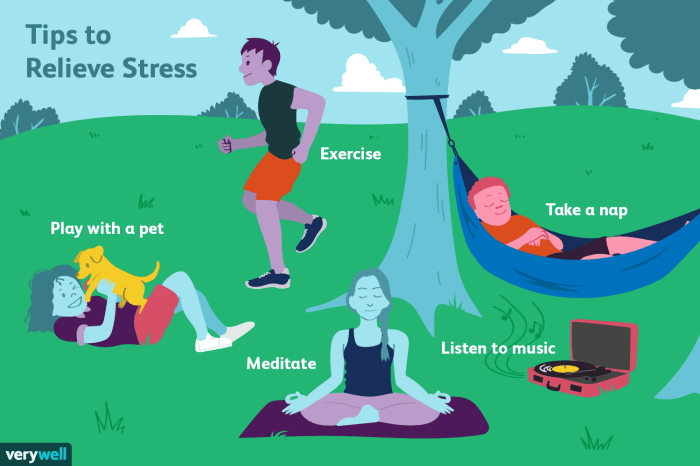
Stress Relief Hobbies to Try
Engaging in hobbies can be a great way to reduce stress levels and improve overall well-being. By focusing on activities that bring joy and relaxation, individuals can effectively manage their stress and find a healthy outlet for their emotions. Here are five stress-relieving hobbies to consider:
1. Gardening
Stress relief hobbies to try – Gardening is a therapeutic hobby that allows individuals to connect with nature, reduce anxiety, and improve mood. Spending time outdoors, tending to plants, and watching them grow can be incredibly calming and rewarding.
2. Painting or Drawing
Artistic activities like painting or drawing can help individuals express themselves creatively and release pent-up emotions. Engaging in art can be a meditative process that promotes mindfulness and relaxation.
3. Yoga or Meditation
Practicing yoga or meditation can help individuals focus on the present moment, reduce stress, and promote a sense of inner peace. These activities encourage deep breathing, mindfulness, and self-awareness.
4. Cooking or Baking
Cooking or baking can be a therapeutic way to unwind and channel creativity. Experimenting with new recipes, flavors, and ingredients can be a fun and rewarding experience that distracts from daily stressors.
5. Reading
Reading is a relaxing hobby that allows individuals to escape into different worlds, characters, and stories. Immersing oneself in a good book can provide a mental break from stress and anxiety.
Finding a hobby that suits individual preferences is crucial for long-term stress relief. Whether it’s a creative outlet, physical activity, or a quiet pastime, engaging in hobbies that bring joy and relaxation can significantly impact overall well-being.
Healthy Habits for Emotional Wellbeing
Emotional wellbeing refers to the state of being able to cope with the ups and downs of life, manage stress effectively, and maintain a positive outlook. It is essential for overall mental health and contributes to a sense of fulfillment and satisfaction in life.
Examples of Healthy Habits
- Practicing mindfulness and meditation to stay present and reduce anxiety.
- Engaging in regular physical exercise to release endorphins and improve mood.
- Maintaining a healthy diet rich in fruits, vegetables, and whole grains to support brain function.
- Building strong social connections with friends and family to feel supported and connected.
- Setting boundaries and learning to say no to avoid burnout and overwhelm.
Tips for Integration into Daily Routine
- Start your day with a short meditation or breathing exercise to set a positive tone.
- Schedule regular exercise sessions throughout the week to prioritize physical and mental health.
- Plan healthy meals in advance to ensure you are nourishing your body and mind.
- Make time for social interactions, whether in person or virtually, to foster connections.
- Practice self-care activities like reading, taking a bath, or going for a walk to recharge.
Impact of Emotional Wellbeing on Overall Health
Emotional wellbeing plays a crucial role in overall health by reducing the risk of developing mental health disorders, improving resilience in the face of challenges, and enhancing quality of life. When individuals prioritize their emotional wellbeing, they are better equipped to handle stress, maintain positive relationships, and lead fulfilling lives.
Healthy Aging Practices
As we age, it becomes increasingly important to adopt healthy practices that can help maintain our overall well-being. From physical activity to mental agility and social connections, here are key practices for healthy aging.
The Role of Physical Activity
Physical activity plays a crucial role in promoting healthy aging. Regular exercise can help improve cardiovascular health, maintain muscle mass, and increase mobility and flexibility. It also contributes to better mood and cognitive function.
- Engage in activities like walking, swimming, or yoga to stay active.
- Include strength training exercises to preserve muscle mass and bone density.
- Consult with a healthcare provider before starting any new exercise routine.
Maintaining Mental Agility
Keeping the mind sharp and agile is essential for healthy aging. Stimulating activities and practices can help maintain cognitive function and prevent cognitive decline.
- Challenge your brain with puzzles, crosswords, or learning a new skill.
- Stay socially engaged and maintain meaningful relationships to stimulate the mind.
- Get an adequate amount of sleep to support cognitive function and overall well-being.
Importance of Social Connections
Social connections play a vital role in healthy aging. Maintaining strong relationships and staying connected with others can have a positive impact on emotional well-being and overall health.
- Join social groups, clubs, or classes to foster new connections and friendships.
- Stay in touch with family and friends through regular communication and visits.
- Volunteer or engage in community activities to stay connected and give back to others.
Active Lifestyle Benefits
Maintaining an active lifestyle comes with a wide range of benefits that positively impact overall health and wellbeing. Engaging in regular physical activity can improve both physical and mental health, leading to a better quality of life.
Benefits of Maintaining an Active Lifestyle:
- Improved cardiovascular health and reduced risk of heart disease
- Enhanced muscle strength and flexibility
- Weight management and reduced risk of obesity
- Boosted mood and reduced symptoms of anxiety and depression
- Increased energy levels and better sleep quality
Examples of Activities for an Active Lifestyle:
- Brisk walking or jogging
- Cycling or swimming
- Strength training or yoga
- Dancing or aerobics classes
- Playing sports like tennis or basketball
How Physical Activity Impacts Overall Health and Wellbeing:
Regular physical activity not only improves physical fitness but also plays a crucial role in maintaining mental health. Exercise releases endorphins, which are known as “feel-good” hormones, helping to alleviate stress and improve mood. Additionally, staying active can enhance cognitive function, boost self-esteem, and promote better sleep patterns.
Tips for Incorporating Exercise into Daily Routines:
- Schedule regular workout sessions in your calendar
- Choose activities that you enjoy to make exercise more enjoyable
- Set realistic goals and track your progress
- Incorporate physical activity into everyday tasks, such as taking the stairs instead of the elevator
- Find a workout buddy or join group classes for motivation and accountability
Cardiovascular Health Strategies: Stress Relief Hobbies To Try
Cardiovascular health is crucial for overall well-being as it directly impacts the functioning of the heart and blood vessels. Maintaining a healthy cardiovascular system can reduce the risk of heart disease, stroke, and other related conditions.
Importance of Cardiovascular Health
Improving cardiovascular health requires making certain lifestyle changes that can positively impact the heart and blood vessels. Here are some strategies to enhance cardiovascular health:
- Follow a balanced diet rich in fruits, vegetables, whole grains, and lean proteins. Limit intake of saturated fats, cholesterol, and sodium.
- Aim to maintain a healthy weight through proper diet and regular exercise. Obesity puts strain on the heart and increases the risk of cardiovascular diseases.
- Avoid smoking and limit alcohol consumption. Smoking damages blood vessels and increases the risk of heart disease, while excessive alcohol intake can lead to high blood pressure.
Role of Exercise in Cardiovascular Health
Regular physical activity plays a significant role in maintaining a healthy heart and improving cardiovascular health. Exercise helps strengthen the heart muscle, lower blood pressure, and improve circulation. Here are some tips for incorporating exercise into your routine:
- Engage in aerobic exercises such as brisk walking, running, swimming, or cycling for at least 150 minutes per week.
- Incorporate strength training exercises to build muscle and improve overall fitness.
- Consult with a healthcare provider before starting any new exercise regimen, especially if you have existing health conditions.
Tips for Monitoring and Managing Cardiovascular Health
Monitoring cardiovascular health is essential to detect any issues early and take necessary steps to manage them. Here are some tips for monitoring and managing cardiovascular health:
- Get regular check-ups with a healthcare provider to monitor blood pressure, cholesterol levels, and overall heart health.
- Keep track of your weight, diet, and exercise routine to ensure you are maintaining a healthy lifestyle.
- Learn the signs and symptoms of heart problems, such as chest pain, shortness of breath, and fatigue, and seek immediate medical attention if you experience any of these.
Healthy Recipes for Nutritional Balance
When it comes to maintaining a healthy lifestyle, nutrition plays a crucial role. Consuming a well-rounded diet is essential for overall health and wellbeing. Here, we will explore some nutritious recipes that promote a balanced diet and provide tips for meal planning and preparation.
Quinoa Salad with Chickpeas and Vegetables, Stress relief hobbies to try
- 1 cup quinoa
- 1 can chickpeas, drained and rinsed
- Assorted vegetables (bell peppers, cucumbers, cherry tomatoes)
- Handful of fresh parsley, chopped
- For the dressing: olive oil, lemon juice, salt, and pepper
This quinoa salad is packed with protein, fiber, and essential nutrients. Quinoa provides a complete source of protein, while the chickpeas add an extra boost of protein and fiber. The colorful vegetables add vitamins and minerals, making this salad a nutritious and delicious meal option.
Grilled Salmon with Asparagus
- 2 salmon fillets
- Bunch of asparagus
- For the marinade: olive oil, lemon juice, minced garlic, salt, and pepper
Salmon is rich in omega-3 fatty acids, which are beneficial for heart health. Asparagus is a great source of fiber, vitamins, and antioxidants. Grilling the salmon and asparagus together with a flavorful marinade creates a delicious and nutritious meal that is easy to prepare.
Building Mental Resilience
Mental resilience is the ability to adapt and bounce back from adversity, trauma, or stress. It enables individuals to face challenges, setbacks, and difficult situations with strength and determination.
Strategies for Developing Mental Resilience
There are several strategies that can help in building mental resilience:
- Practice mindfulness and meditation to stay present and focused.
- Develop a strong support network of friends and family.
- Set realistic goals and work towards achieving them.
- Embrace change and see it as an opportunity for growth.
- Take care of your physical health through exercise and proper nutrition.
Impact of Resilience on Coping with Stress
Having mental resilience can significantly improve how individuals cope with stress. It allows them to maintain a positive outlook, find solutions to problems, and persevere in challenging situations without feeling overwhelmed.
Activities to Enhance Mental Strength
Engaging in certain activities can help enhance mental strength and resilience:
- Practicing gratitude daily by keeping a gratitude journal.
- Participating in regular physical exercise to boost mood and reduce stress.
- Learning new skills or hobbies to challenge the mind and build confidence.
- Volunteering and helping others to foster a sense of purpose and connection.
Immune Support Practices
Maintaining a healthy immune system is crucial for overall wellbeing. Lifestyle choices play a significant role in supporting immune function. Here are some tips for naturally boosting immunity and understanding the importance of immune support.
Healthy Diet Choices
- Include a variety of fruits, vegetables, whole grains, and lean proteins in your diet.
- Limit processed foods, sugar, and unhealthy fats that can weaken the immune system.
- Stay hydrated by drinking plenty of water throughout the day.
Regular Exercise Routine
- Engage in regular physical activity to strengthen the immune system.
- Choose activities you enjoy, such as walking, swimming, or yoga, to make exercise a sustainable habit.
- Aim for at least 150 minutes of moderate exercise per week.
Adequate Sleep
- Prioritize quality sleep to allow your body to rest and recharge.
- Aim for 7-9 hours of sleep each night to support immune function.
- Create a relaxing bedtime routine to promote better sleep habits.
Stress Management
- Practice mindfulness, meditation, or deep breathing exercises to reduce stress levels.
- Avoid negative coping mechanisms like smoking or excessive drinking that can weaken the immune system.
- Find healthy outlets for stress such as hobbies, social connections, or outdoor activities.
Nutritional Balance for Stress Relief
Nutrition plays a crucial role in our overall well-being, including our ability to manage stress effectively. By maintaining a balanced diet, we can support our mental health and reduce stress levels. Here, we will explore how nutritional balance can help in relieving stress, share foods known to reduce stress, provide tips for creating a balanced diet that supports stress relief, and explain the connection between nutrition and mental health.
Foods that Reduce Stress Levels
Consuming certain foods can help lower stress levels and promote a sense of calm. Some stress-relieving foods include:
- Fatty fish rich in omega-3 fatty acids, such as salmon and mackerel
- Leafy greens like spinach and kale, which are high in magnesium
- Whole grains like oats and quinoa, which can help stabilize blood sugar levels
- Avocados, which are packed with healthy fats and potassium
- Berries such as blueberries and strawberries, known for their antioxidants
Tips for Creating a Balanced Diet for Stress Relief
When aiming to reduce stress through nutrition, it’s essential to maintain a well-rounded diet. Here are some tips to help you create a balanced diet for stress relief:
- Include a variety of fruits, vegetables, whole grains, lean proteins, and healthy fats in your meals
- Avoid excessive caffeine and sugar, which can contribute to feelings of anxiety
- Stay hydrated by drinking plenty of water throughout the day
- Practice mindful eating, focusing on your food and enjoying each bite
- Plan and prepare your meals in advance to ensure you have nutritious options readily available
Connection Between Nutrition and Mental Health
Research has shown that the foods we eat can have a significant impact on our mental health. Nutrient-rich foods can help regulate neurotransmitters in the brain, such as serotonin and dopamine, which play a role in mood regulation. By prioritizing a balanced diet that supports overall health, we can also improve our ability to cope with stress and maintain emotional well-being.
FAQ Section
What are some examples of stress-relieving hobbies?
Engaging in activities like painting, gardening, yoga, or playing a musical instrument can help reduce stress levels.
How can hobbies contribute to reducing stress?
Hobbies provide a creative outlet and a way to relax, which can lower stress hormones in the body and promote mental well-being.
Why is it important to find a stress relief hobby that suits individual preferences?
Choosing a hobby that aligns with personal interests ensures enjoyment and increases the likelihood of consistent engagement, leading to effective stress relief.