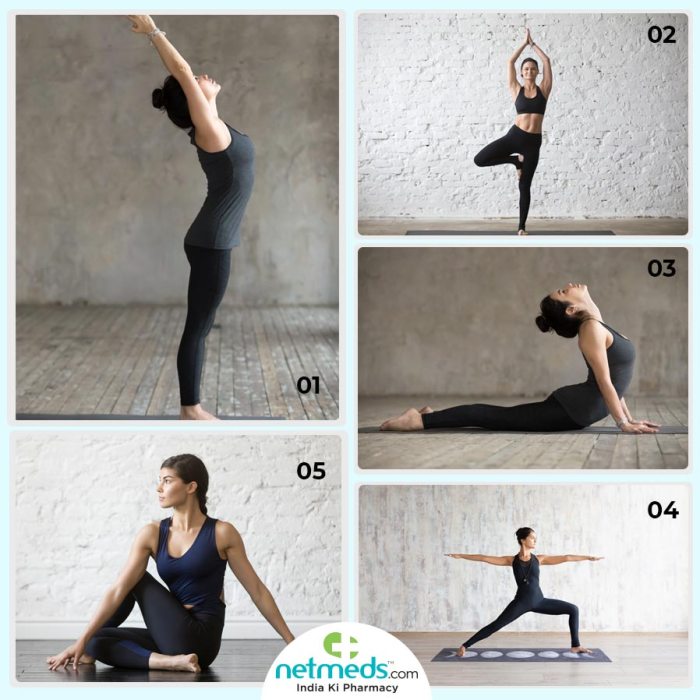
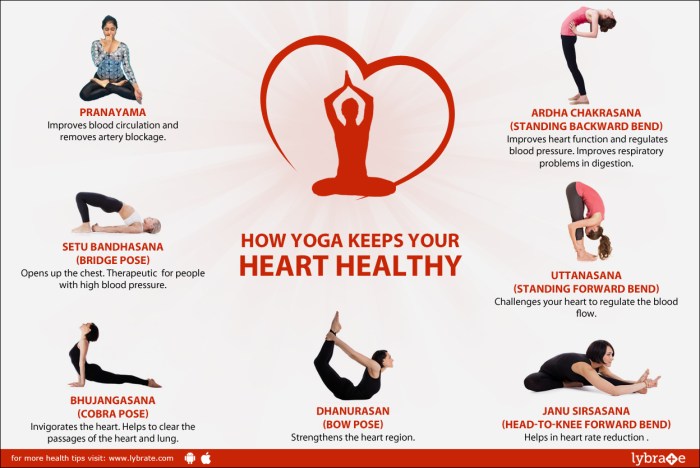
How to incorporate yoga and Pilates into a fitness routine for flexibility is a question many fitness enthusiasts ask. Combining these practices offers a holistic approach to enhancing flexibility, strength, and overall well-being. Yoga, with its focus on flowing poses and deep breathing, unlocks flexibility and promotes mindfulness, while Pilates, emphasizing core strength and controlled movements, complements yoga by building a solid foundation for improved posture and balance.
This synergy creates a powerful blend that caters to various fitness levels and goals, allowing individuals to unlock their full potential.
This guide delves into the benefits of incorporating yoga and Pilates into your fitness routine, providing practical tips on scheduling, sample workouts, and modifications for different fitness levels. We’ll explore specific yoga poses and Pilates exercises that target flexibility, emphasizing safe and effective techniques.
Additionally, we’ll discuss how these practices can benefit stress management, healthy aging, mental clarity, emotional well-being, and mental resilience.
Incorporating Yoga and Pilates into a Fitness Routine
Incorporating yoga and Pilates into your fitness routine can provide numerous benefits, including increased flexibility, improved core strength, and enhanced body awareness. Yoga focuses on flexibility, balance, and mindfulness through a series of poses and breathing techniques. Pilates emphasizes core strength, muscle control, and precise movements.
By combining these two practices, you can create a well-rounded fitness routine that addresses various aspects of your physical well-being.
Scheduling Yoga and Pilates Sessions
Scheduling yoga and Pilates sessions effectively is crucial to achieving your fitness goals. Here are some tips to help you incorporate these practices into your weekly fitness plan:
- Set Realistic Goals:Start with one or two sessions per week and gradually increase the frequency as you become more comfortable.
- Choose a Time That Works for You:Consider your daily schedule and find time slots that fit your lifestyle. Some people prefer to practice yoga in the morning to set a positive tone for the day, while others find evening sessions more relaxing.
- Be Consistent:Try to stick to your schedule as much as possible. Consistency is key to building a habit and seeing results.
- Mix It Up:Alternate between yoga and Pilates sessions to challenge different muscle groups and prevent plateaus.
- Listen to Your Body:Pay attention to your body’s signals and adjust your schedule accordingly. If you are feeling overly fatigued or injured, take a break or modify your routine.
Sample Workout Routine
Here’s a sample workout routine that incorporates yoga and Pilates exercises:
- Warm-up (5 minutes):Begin with some light cardio, such as walking or jogging in place, to warm up your muscles.
- Yoga Flow (20 minutes):Choose a yoga sequence that targets flexibility and balance. Examples include Sun Salutations, Warrior Poses, and Triangle Pose.
- Pilates Mat Work (20 minutes):Focus on core strengthening exercises like Hundred, Roll Up, and Teaser.
- Cool-down (5 minutes):End your workout with some gentle stretches and deep breathing exercises to promote relaxation and recovery.
Modifying Exercises
Modifying exercises to suit different fitness levels and goals is essential for safe and effective practice. Here are some tips for modifying yoga and Pilates exercises:
- Start with the Basics:Beginners can start with easier variations of poses and exercises. For example, in yoga, they can modify poses by using props like blocks or blankets to support their body. In Pilates, they can focus on the fundamental exercises and gradually progress to more challenging variations.
- Listen to Your Body:Pay attention to any pain or discomfort and adjust the exercise accordingly. If a particular pose or exercise is too difficult, try a simpler variation or skip it altogether.
- Seek Guidance:If you are unsure about modifying exercises, consult with a certified yoga or Pilates instructor. They can provide personalized guidance and help you find the right modifications for your body and goals.
Yoga Poses for Flexibility
Yoga is a powerful tool for improving flexibility. Many yoga poses target specific muscle groups, allowing you to increase your range of motion and improve your overall flexibility.
Back Flexibility
The back is a crucial area for flexibility, as it allows for a wide range of movement. Here are some yoga poses that target back flexibility:
- Cat-Cow Pose (Bitilasana Marjaryasana):This pose gently stretches the spine, promoting flexibility and relieving tension in the back. To perform this pose, start on your hands and knees, with your wrists aligned beneath your shoulders and your knees beneath your hips. As you inhale, drop your belly towards the floor and lift your chest and head, looking straight ahead.
As you exhale, round your spine towards the ceiling, tucking your chin to your chest. Repeat this movement for 5-10 breaths.
Important points:Maintain a neutral spine throughout the pose, and focus on lengthening your spine with each inhale and exhale.
- Downward-Facing Dog (Adho Mukha Svanasana):This pose stretches the entire back of the body, including the spine, hamstrings, and calves. To perform this pose, start on your hands and knees. Place your hands shoulder-width apart and your knees hip-width apart. Tuck your toes under and lift your hips up and back, creating an inverted V shape with your body.
Keep your arms straight and your shoulders away from your ears. Hold the pose for 5-10 breaths.
Important points:Engage your core muscles to keep your back straight and prevent your hips from sagging.
- Cobra Pose (Bhujangasana):This pose stretches the chest, shoulders, and abdomen. To perform this pose, lie on your stomach with your hands underneath your shoulders and your elbows tucked in. Press through your palms to lift your chest off the floor, keeping your shoulders away from your ears.
Hold the pose for 5-10 breaths.
Important points:Engage your core muscles to protect your lower back. Avoid pushing your head back too far, as this can strain your neck.
Hip Flexibility
The hips are a key area for flexibility, as they play a role in a wide range of movements, including walking, running, and bending. Here are some yoga poses that target hip flexibility:
- Pigeon Pose (Kapotasana):This pose stretches the hip flexors, glutes, and piriformis muscle. To perform this pose, start on your hands and knees. Bring your right knee forward and place it behind your right wrist, with your right shin perpendicular to your body.
Extend your left leg back behind you, keeping your left foot flat on the floor. Lean forward from your hips, keeping your back straight. Hold the pose for 5-10 breaths.
Important points:Listen to your body and avoid pushing too far into the pose.
You can modify the pose by placing a pillow or blanket under your hips for support.
- Reclining Butterfly Pose (Supta Baddha Konasana):This pose stretches the inner thighs, groin, and hip flexors. To perform this pose, lie on your back with your feet together and your knees bent. Gently pull your heels towards your buttocks, allowing your knees to fall open to the sides.
Hold the pose for 5-10 breaths.
Important points:Keep your spine straight and your shoulders relaxed on the floor.
- Warrior II Pose (Virabhadrasana II):This pose stretches the hip flexors, groin, and inner thighs. To perform this pose, stand with your feet about 4 feet apart. Turn your right foot 90 degrees to the right and your left foot 45 degrees to the left.
Bend your right knee, aligning it over your right ankle. Extend your arms out to the sides, parallel to the floor. Hold the pose for 5-10 breaths.
Important points:Keep your back straight and your core engaged.
Shoulder Flexibility
The shoulders are a complex joint that is often prone to stiffness and tightness. Here are some yoga poses that target shoulder flexibility:
- Downward-Facing Dog (Adho Mukha Svanasana):This pose stretches the shoulders, chest, and back. To perform this pose, start on your hands and knees. Place your hands shoulder-width apart and your knees hip-width apart. Tuck your toes under and lift your hips up and back, creating an inverted V shape with your body.
Keep your arms straight and your shoulders away from your ears. Hold the pose for 5-10 breaths.
Important points:Engage your core muscles to keep your back straight and prevent your hips from sagging.
- Cow Face Pose (Gomukhasana):This pose stretches the shoulders, chest, and triceps. To perform this pose, sit on the floor with your legs crossed. Bend your right arm and bring your right hand to your back, with your palm facing your spine. Bend your left arm and bring your left hand to your back, with your palm facing away from your spine.
Try to clasp your hands together behind you. Hold the pose for 5-10 breaths.
Important points:If you can’t clasp your hands together, use a strap or towel to assist you.
- Eagle Pose (Garudasana):This pose stretches the shoulders, chest, and back. To perform this pose, stand with your feet together. Cross your right leg over your left leg, placing your right foot above your left calf. Bend your elbows and cross your right arm over your left arm, bringing your right hand to your left shoulder blade.
Hold the pose for 5-10 breaths.
Important points:Keep your back straight and your core engaged.
Pilates Exercises for Flexibility
Pilates is a low-impact exercise method that focuses on strengthening and lengthening muscles, improving posture, and enhancing flexibility. By incorporating specific Pilates exercises into your fitness routine, you can target key muscle groups responsible for spinal mobility and overall flexibility.
Pilates Exercises for Spinal Mobility
Pilates exercises are known for their ability to improve spinal mobility and flexibility. Here are some Pilates exercises that target the spine and enhance flexibility:
- Spine Twist:
- Lie on your back with knees bent and feet flat on the floor.
- Place your hands behind your head, elbows wide.
- Engage your core and slowly twist your upper body to the right, bringing your right elbow towards your left knee.
- Pause, then slowly return to the center.
- Repeat on the left side.
- Roll-Up:
- Start lying on your back with legs extended and arms by your sides.
- Engage your core and slowly curl your upper body up, one vertebra at a time, until you reach a seated position.
- Keep your back straight and avoid arching your lower back.
- Slowly roll back down to the starting position.
- Shoulder Bridge:
- Lie on your back with knees bent and feet flat on the floor.
- Engage your core and lift your hips off the floor, creating a straight line from your shoulders to your knees.
- Hold for a few seconds, then slowly lower your hips back down.
- Hundred:
- Lie on your back with legs extended and arms by your sides.
- Engage your core and lift your head and shoulders off the floor.
- Pump your arms up and down, inhaling for five counts and exhaling for five counts.
- Repeat for 10 repetitions.
Using Pilates Equipment for Flexibility
Pilates equipment can be utilized to enhance flexibility and provide additional support. The reformer, a common piece of Pilates equipment, can be used for a variety of exercises that improve spinal mobility and muscle lengthening.
- Reformer Spine Stretch:
- Lie on your back on the reformer with your feet in the straps.
- Engage your core and slowly pull your feet towards your hips, lengthening your spine.
- Hold for a few seconds, then slowly return to the starting position.
- Reformer Swan Dive:
- Start on the reformer with your chest facing the carriage.
- Place your hands on the shoulder blocks and engage your core.
- Slowly push the carriage away from you, extending your arms and lifting your chest off the reformer.
- Hold for a few seconds, then slowly return to the starting position.
- Reformer Teaser:
- Sit on the reformer with your feet in the straps.
- Engage your core and slowly lean back, extending your legs.
- Hold for a few seconds, then slowly return to the starting position.
Pilates Exercises for Muscle Lengthening, How to incorporate yoga and Pilates into a fitness routine for flexibility
Pilates exercises are designed to lengthen and strengthen muscles, improving flexibility and range of motion. Here are some Pilates exercises that focus on muscle lengthening:
- Leg Stretch:
- Lie on your back with knees bent and feet flat on the floor.
- Engage your core and slowly extend one leg towards the ceiling.
- Hold for a few seconds, then slowly return to the starting position.
- Repeat with the other leg.
- Side Bend:
- Stand with feet hip-width apart.
- Engage your core and slowly bend to the side, reaching your arm overhead.
- Hold for a few seconds, then slowly return to the starting position.
- Repeat on the other side.
- Cat-Cow:
- Start on your hands and knees, with your back flat.
- Inhale and arch your back, dropping your belly towards the floor.
- Exhale and round your back, tucking your chin to your chest.
- Repeat for several repetitions.
- Hamstring Stretch:
- Sit on the floor with your legs extended in front of you.
- Reach towards your toes, keeping your back straight.
- Hold for a few seconds, then slowly return to the starting position.
Tips for Safe and Effective Practice
Incorporating yoga and Pilates into your fitness routine can be a great way to improve flexibility and overall well-being. However, it’s essential to prioritize safety and effectiveness to avoid injuries and maximize benefits. This section will discuss crucial tips for safe and effective practice, covering aspects like warm-up, cool-down, listening to your body, and common mistakes to avoid.
Warm-up and Cool-down Routines
A proper warm-up is crucial before starting yoga or Pilates, preparing your muscles for the demands of the practice. It helps increase blood flow, improve flexibility, and reduce the risk of injuries. Similarly, a cool-down routine is essential to aid muscle recovery and prevent stiffness.
Here are some warm-up and cool-down tips:
- Warm-up: Start with light cardio, such as walking or jogging in place, for 5-10 minutes. Then, perform dynamic stretches, like arm circles, leg swings, and torso twists, for another 5-10 minutes.
- Cool-down: After your practice, engage in gentle stretches, holding each stretch for 30 seconds. Focus on static stretches targeting the muscle groups you worked during your yoga or Pilates session.
Listening to Your Body
One of the most important aspects of safe and effective practice is listening to your body. Pay attention to any pain or discomfort, and don’t push yourself beyond your limits.
- Recognize Pain vs. Discomfort: Discomfort is normal, especially when stretching or working new muscles. However, sharp pain indicates a potential injury and should be addressed immediately.
- Modify Poses: If a pose feels too challenging, modify it to suit your current level of flexibility and strength. There are often variations of poses to accommodate different needs.
- Take Breaks: Don’t hesitate to take breaks during practice, especially if you feel fatigued or overexerted. Listen to your body’s cues and rest when needed.
Common Mistakes to Avoid
Avoiding common mistakes can enhance your practice’s safety and effectiveness. These mistakes can lead to injuries or hinder your progress.
- Ignoring Proper Alignment: Proper alignment is crucial for both yoga and Pilates. Incorrect alignment can strain joints and muscles, leading to pain and injuries. Seek guidance from a qualified instructor to ensure you maintain correct form.
- Overstretching: Pushing yourself too far beyond your current flexibility can lead to muscle tears or sprains. It’s important to progress gradually and avoid overstretching.
- Holding Your Breath: Holding your breath during yoga or Pilates can lead to dizziness or lightheadedness. Remember to breathe deeply and rhythmically throughout your practice.
Yoga and Pilates for Healthy Aging
As we age, maintaining flexibility and mobility becomes increasingly important for overall health and well-being. Yoga and Pilates offer a gentle yet effective approach to supporting these aspects, helping seniors stay active and independent.
Benefits for Bone Health, Balance, and Fall Prevention
Yoga and Pilates can significantly contribute to bone health, balance, and fall prevention, particularly in older adults.
Bone Health
Weight-bearing exercises, such as those found in yoga and Pilates, help stimulate bone density and reduce the risk of osteoporosis. These exercises also promote good posture, which can further contribute to bone health.
Balance
Yoga and Pilates incorporate poses and movements that enhance balance and coordination, reducing the risk of falls. The focus on core strength and stability further improves balance and stability.
Fall Prevention
By improving balance, flexibility, and strength, yoga and Pilates help reduce the risk of falls. Studies have shown that regular practice of these disciplines can significantly decrease the incidence of falls in older adults.
Modified Yoga and Pilates Exercises for Seniors
Several modifications can be made to yoga and Pilates exercises to make them suitable for seniors.
Yoga
- Chair Yoga:Many yoga poses can be adapted for a chair, making them accessible for seniors with limited mobility. Chair yoga involves gentle movements and stretches, focusing on flexibility and balance.
- Modified Sun Salutations:Sun salutations can be modified by eliminating challenging poses like downward-facing dog and replacing them with simpler alternatives like standing forward bends or standing side stretches.
- Gentle Twists:Twists can be modified by using a chair for support and reducing the range of motion. This helps improve spinal mobility and flexibility without straining the back.
Pilates
- Mat Pilates with Modifications:Pilates exercises can be modified by using props like pillows or blankets for support. Exercises can be performed in a seated or lying position, making them easier for seniors.
- Chair Pilates:Similar to chair yoga, chair Pilates utilizes a chair for support and stability, allowing seniors to perform various Pilates movements. These exercises focus on strengthening the core and improving posture.
- Focus on Breathing:Pilates emphasizes deep breathing, which is crucial for seniors as it improves lung capacity and circulation. Modified exercises incorporate breathing techniques to enhance relaxation and overall well-being.
Yoga and Pilates for Mental Clarity
Yoga and Pilates are not only beneficial for physical fitness but also for enhancing mental clarity, focus, and concentration. The practices promote a sense of calm and mindfulness, helping to quiet the mind and improve cognitive function.
The Connection Between Physical Movement and Cognitive Function
The link between physical movement and cognitive function is well-established. Regular exercise, including yoga and Pilates, improves blood flow to the brain, which is crucial for optimal brain function. This increased blood flow delivers oxygen and nutrients to brain cells, supporting their health and performance.
Furthermore, yoga and Pilates promote the release of neurochemicals such as dopamine and serotonin, which are essential for mood regulation, motivation, and cognitive function.
Yoga Practices for Mental Clarity
Yoga practices, particularly those emphasizing mindfulness and breathwork, can significantly enhance mental clarity. Here are some examples:
- Pranayama (Breathing Exercises):Pranayama techniques, such as alternate nostril breathing (Nadi Shodhana) and box breathing, help regulate the breath and calm the nervous system, promoting mental focus and clarity.
- Meditation:Meditation practices, often incorporated into yoga sessions, involve focusing on the present moment and quieting the mind. Regular meditation can improve attention span, reduce stress, and enhance cognitive function.
- Mindful Movement:Yoga postures, when performed with awareness and intention, can bring a sense of presence and mental clarity. Slow, controlled movements, such as those in Hatha yoga, allow for greater focus and concentration.
Pilates Practices for Mental Clarity
Pilates exercises, with their emphasis on precise movements and controlled breathing, can also contribute to mental clarity and focus.
- Mindful Breathing:Pilates emphasizes diaphragmatic breathing, which is a deep, controlled breathing technique that helps to calm the mind and promote relaxation.
- Focus on Precision:The precise movements in Pilates require concentration and attention to detail, enhancing focus and mental clarity.
- Core Engagement:Engaging the core muscles in Pilates improves body awareness and promotes a sense of grounding, which can lead to a calmer and more focused mind.
Yoga and Pilates for Emotional Wellbeing
Yoga and Pilates, often associated with physical fitness, offer a powerful path to emotional well-being. These practices go beyond strengthening muscles and improving flexibility; they cultivate a deeper connection with your body and mind, fostering emotional balance and self-awareness.
Mindfulness and Body Awareness in Emotional Wellbeing
Mindfulness, the practice of paying attention to the present moment without judgment, is a cornerstone of both yoga and Pilates. It allows you to observe your thoughts and feelings without getting swept away by them, promoting emotional regulation and resilience.
Body awareness, a key component of mindfulness, involves tuning into the sensations within your body, recognizing physical manifestations of emotions, and learning to respond with compassion and understanding.
Yoga and Pilates Practices for Emotional Resilience
- Deep Breathing Exercises:Yoga and Pilates incorporate various breathing techniques, such as diaphragmatic breathing and alternate nostril breathing, that calm the nervous system, reduce stress, and promote relaxation. These techniques help regulate the body’s stress response, promoting emotional stability.
- Mindful Movement:The slow, deliberate movements in yoga and Pilates encourage a state of present-moment awareness. This mindful movement allows you to connect with your body, observe your emotions, and cultivate a sense of self-compassion.
- Meditation and Relaxation Techniques:Yoga and Pilates often incorporate meditation practices, such as guided imagery and progressive muscle relaxation, which help quiet the mind, reduce anxiety, and promote emotional clarity.
- Poses for Emotional Release:Specific yoga poses, such as Forward Fold (Uttanasana) and Child’s Pose (Balasana), can help release tension and stress, fostering emotional release and a sense of calm.
Yoga and Pilates for Mental Resilience

Yoga and Pilates are not just physical practices; they also offer profound mental benefits, fostering resilience and strengthening the mind. These practices cultivate a sense of inner peace, allowing you to navigate life’s challenges with greater equanimity.
Benefits of Mindfulness and Stress Management
Mindfulness and stress management are integral components of both yoga and Pilates. They empower you to become more aware of your thoughts and emotions, enabling you to manage stress effectively. By incorporating mindfulness into your practice, you can develop a greater understanding of your internal state, leading to a more balanced and resilient mindset.
Yoga and Pilates Practices for Mental Toughness
Several yoga and Pilates practices promote mental resilience.
- Deep Breathing Techniques:Practices like diaphragmatic breathing, ujjayi breath, and alternate nostril breathing regulate your nervous system, calming the mind and reducing anxiety. These techniques bring you into the present moment, promoting a sense of grounding and focus.
- Meditation:Both yoga and Pilates often incorporate meditation, which allows you to quiet your mind and cultivate a state of inner stillness. Regular meditation strengthens your ability to focus, manage distractions, and develop a more positive outlook.
- Mindful Movement:The focus on body awareness in both yoga and Pilates helps you connect with your physical sensations. This mindful movement allows you to become more attuned to your body’s signals, fostering a greater sense of self-awareness and control.
- Challenging Poses and Exercises:Engaging in challenging yoga poses and Pilates exercises builds mental strength. As you push your limits, you develop a sense of accomplishment and resilience, learning to persevere through difficult situations.
Closure: How To Incorporate Yoga And Pilates Into A Fitness Routine For Flexibility
Incorporating yoga and Pilates into your fitness routine is a journey of self-discovery and transformation. By embracing these practices, you’ll not only enhance your flexibility and strength but also cultivate a deeper connection with your body and mind. Remember to listen to your body, practice with awareness, and enjoy the journey towards a more flexible, balanced, and resilient you.
Frequently Asked Questions
Can I incorporate yoga and Pilates into my existing workout routine?
Absolutely! You can easily integrate yoga and Pilates sessions into your existing fitness plan. Start with a few short sessions a week and gradually increase the duration and frequency as you feel comfortable.
What are the best yoga poses for beginners?
For beginners, start with basic poses like Mountain Pose (Tadasana), Downward-Facing Dog (Adho Mukha Svanasana), and Child’s Pose (Balasana). These poses are gentle on the body and provide a good foundation for more advanced poses.
Do I need any equipment for Pilates?
While Pilates can be done on a mat, using equipment like a reformer or Cadillac can enhance the exercises and provide more resistance. However, it’s not necessary to have equipment to start practicing Pilates.