Introduction to Yoga Routines for an Active Lifestyle
Yoga is a versatile form of exercise that offers a wide range of benefits for those leading an active lifestyle. From improving flexibility and strength to enhancing overall fitness, yoga routines can be tailored to suit different activity levels and goals.
Benefits of Yoga for Maintaining an Active Lifestyle
- Enhances Flexibility: Yoga poses stretch and lengthen muscles, increasing flexibility and reducing the risk of injury during other physical activities.
- Builds Strength: Holding yoga poses requires strength and stability, leading to improved muscle tone and overall strength.
- Improves Balance and Coordination: Yoga helps to enhance balance and coordination, crucial for various sports and physical activities.
How Yoga Improves Overall Fitness
- Cardiovascular Health: Certain yoga styles like Vinyasa and Power Yoga can elevate heart rate and improve cardiovascular fitness.
- Mental Clarity: Yoga practices focus on mindfulness and breathing techniques, reducing stress and improving mental focus for better performance in other activities.
- Endurance: Regular yoga practice can increase stamina and endurance, allowing individuals to engage in longer and more intense physical activities.
Tailoring Yoga Routines to Different Activity Levels
- Beginner Level: Start with gentle yoga classes or beginner poses to gradually build strength and flexibility.
- Intermediate Level: Progress to more challenging poses and sequences to continue improving fitness levels and pushing boundaries.
- Advanced Level: Advanced practitioners can explore advanced yoga styles like Ashtanga or Bikram Yoga to further enhance their physical capabilities.
Healthy Habits Complementing Yoga Practice
Regular yoga practice can be greatly enhanced by incorporating healthy habits into your daily routine. These habits not only support the physical benefits of yoga but also contribute to overall well-being.
Proper Hydration
Maintaining proper hydration is essential for optimal performance during yoga sessions. Dehydration can lead to fatigue, muscle cramps, and decreased flexibility. Make sure to drink an adequate amount of water throughout the day, especially before and after your practice.
Nutritious Diet
Eating a balanced and nutritious diet plays a crucial role in supporting your yoga practice. Fueling your body with the right nutrients can improve energy levels, aid in muscle recovery, and enhance overall performance. Incorporate plenty of fruits, vegetables, whole grains, and lean proteins into your meals.
Ample Rest
Rest is equally important as physical activity when it comes to maintaining a healthy lifestyle. Ensure you get an adequate amount of sleep each night to allow your body to recover and rejuvenate. Quality rest is essential for muscle repair, cognitive function, and overall well-being.
Mindfulness Practices
Incorporating mindfulness practices such as meditation, deep breathing exercises, or simply being present in the moment can greatly enhance the benefits of yoga. Mindfulness helps reduce stress, improve focus, and promote emotional balance. Try to integrate these practices into your daily routine for a more holistic approach to well-being.
Emotional Wellbeing Through Yoga
Yoga is not only beneficial for physical health but also plays a crucial role in promoting emotional wellbeing. Through a combination of physical postures, breathing exercises, and meditation, yoga can help individuals achieve emotional balance and manage stress effectively.
Techniques for Relaxation and Mental Clarity
- Pranayama: Breathing techniques in yoga, such as deep breathing or alternate nostril breathing, help calm the mind and reduce stress levels.
- Yoga Nidra: A guided meditation practice that promotes deep relaxation and enhances mental clarity by systematically relaxing the body and mind.
- Mindfulness: Practicing mindfulness during yoga sessions by focusing on the present moment can help individuals let go of negative thoughts and emotions.
Connection between Emotional Health and Physical Well-being
Yoga routines for an active lifestyle – Emotional health and physical well-being are closely interconnected in the context of yoga. When individuals experience emotional stress or imbalance, it can manifest in physical symptoms such as muscle tension, headaches, or digestive issues. By practicing yoga regularly to maintain emotional balance, individuals can also improve their physical health and overall quality of life.
Healthy Aging with Yoga
Regular yoga practice can greatly support healthy aging by improving mobility and joint health, which are crucial aspects for seniors or older adults. The gentle stretching, strengthening, and balancing poses in yoga can help maintain flexibility, reduce stiffness, and promote overall physical well-being as we age.
Specific Yoga Poses for Healthy Aging
- Mountain Pose (Tadasana): Improves posture and balance, strengthens the legs and core.
- Chair Pose (Utkatasana): Strengthens the lower body, especially the thighs and ankles.
- Tree Pose (Vrikshasana): Enhances balance, focus, and concentration.
- Cat-Cow Stretch: Increases spinal flexibility and relieves back pain.
- Warrior II Pose (Virabhadrasana II): Strengthens the legs, opens the hips, and improves stamina.
Consistency in Yoga Practice for Graceful Aging
- Regular yoga practice can help maintain muscle strength, joint flexibility, and balance, reducing the risk of falls and injuries.
- Yoga promotes relaxation and stress reduction, which can contribute to better sleep quality and overall emotional well-being.
- By incorporating yoga into daily routines, older adults can experience increased vitality, improved mental clarity, and a heightened sense of well-being.
- Consistency in yoga practice can lead to a more graceful aging process, allowing individuals to stay active, independent, and vibrant as they grow older.
Maintaining an Active Lifestyle with Yoga
Yoga is not just a standalone practice but can also be a valuable addition to an active lifestyle. By incorporating yoga routines into your regular physical activities, you can experience a holistic approach to health and wellness.
Adapting Yoga to Complement Physical Activities
Yoga routines can be customized to complement other physical activities such as running, weightlifting, or team sports. By focusing on flexibility, balance, and core strength, yoga can help improve overall performance in these activities while reducing the risk of injuries.
Preventing Injuries and Enhancing Performance
- Yoga helps increase flexibility, which can prevent muscle strains and joint injuries during intense physical activities.
- Improved balance and body awareness from yoga practice can enhance coordination and performance in sports or fitness routines.
- Strengthening core muscles through yoga can provide stability and support for the body during high-impact activities.
Incorporating Yoga into a Busy, Active Lifestyle
For individuals with busy schedules and active lifestyles, finding time for yoga practice may seem challenging. However, integrating short yoga sessions into your daily routine can offer numerous health benefits:
- Start your day with a brief yoga sequence to set a positive tone for the day.
- Use yoga stretches as a cool-down after intense workouts to aid in muscle recovery.
- Practice mindfulness and relaxation techniques through yoga to reduce stress and improve mental focus.
Cardiovascular Health and Yoga Practices
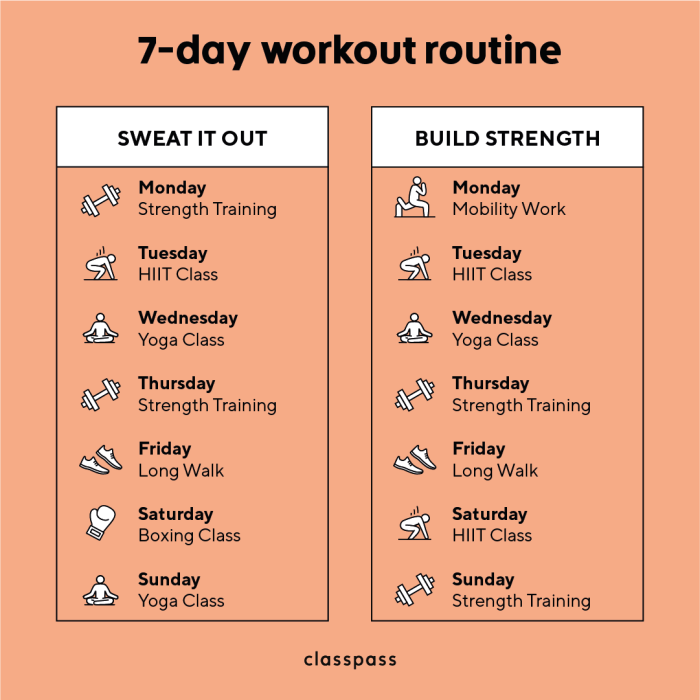
Regular yoga practice can have a positive impact on cardiovascular health by promoting circulation, reducing stress, and improving overall heart function. The combination of physical postures, breathing techniques, and meditation in yoga can help maintain a healthy heart and prevent cardiovascular diseases.
Yoga Poses for Heart Health
- Mountain Pose (Tadasana): This pose helps improve posture and circulation, stimulating the heart and promoting blood flow.
- Cobra Pose (Bhujangasana): Opens up the chest and strengthens the heart muscles, improving circulation.
- Bridge Pose (Setu Bandhasana): Helps reduce blood pressure and strengthens the heart while improving circulation.
- Warrior Pose (Virabhadrasana): Enhances cardiovascular endurance and promotes overall heart health.
Comprehensive Approach to Healthy Heart
- Regular Cardiovascular Exercise: Incorporating yoga with other forms of cardiovascular exercise like running, swimming, or cycling can further improve heart health.
- Healthy Diet: Eating a balanced diet rich in fruits, vegetables, and whole grains complements yoga practice for a healthy heart.
- Stress Management: Yoga’s focus on breath control and mindfulness can help reduce stress, which is beneficial for heart health.
- Regular Check-ups: Monitoring blood pressure, cholesterol levels, and overall heart health through regular check-ups is essential for a comprehensive approach to maintaining a healthy heart.
Healthy Recipes to Support Yoga Practice
When it comes to fueling your body for yoga sessions, choosing nutritious meals is key to enhancing your practice. Pre- and post-yoga meal choices play a crucial role in providing the energy needed for your sessions and aiding in your body’s recovery. Incorporating foods that can boost flexibility, strength, and endurance can further complement your yoga routine.
Nutritious Pre-Yoga Meal Ideas
- Quinoa with roasted vegetables and a side of avocado for sustained energy
- Greek yogurt with berries and a sprinkle of chia seeds for a protein-packed snack
- Smoothie bowl with spinach, banana, and almond butter for a refreshing pre-workout meal
Post-Yoga Recovery Recipes, Yoga routines for an active lifestyle
- Protein-packed salad with grilled chicken, mixed greens, and quinoa for muscle recovery
- Sweet potato and black bean tacos with a side of guacamole for a balance of carbs and protein
- Chia pudding with coconut milk and fresh fruit for a satisfying post-workout treat
Foods to Enhance Flexibility, Strength, and Endurance
- Leafy greens like kale and spinach for iron and calcium to support muscle function
- Omega-3-rich foods such as walnuts and flaxseeds for joint health and inflammation reduction
- Lean protein sources like tofu, tempeh, or grilled fish for muscle recovery and growth
Mental Resilience and Yoga Techniques: Yoga Routines For An Active Lifestyle
Yoga is not only beneficial for physical health but also plays a significant role in building mental resilience and inner strength. Through various yoga techniques, individuals can cultivate a sense of calmness, focus, and emotional stability that can help navigate the challenges of daily life.
Breathing Exercises for Mental Well-being
- Pranayama, or yogic breathing exercises, are essential in yoga practice for promoting mental well-being. Techniques like deep breathing, alternate nostril breathing, and breath retention can help calm the mind, reduce stress, and increase mental clarity.
- By focusing on the breath, individuals can cultivate mindfulness and presence, which are key factors in developing mental resilience. Consistent practice of pranayama can lead to a greater sense of inner peace and emotional balance.
Meditation Practices for Mental Resilience
- Meditation is another powerful tool in yoga that enhances mental resilience by quieting the mind and promoting self-awareness. Practices like mindfulness meditation, loving-kindness meditation, and guided visualizations can help individuals manage stress, anxiety, and negative emotions.
- Regular meditation practice can rewire the brain, increasing gray matter density in areas associated with emotional regulation and self-control. This can result in improved mental resilience and the ability to cope with challenging situations effectively.
Transformative Power of Yoga on Mental Health
- Many individuals have experienced profound transformations in their mental health through consistent yoga practice. Stories abound of people overcoming depression, anxiety, and trauma by incorporating yoga into their daily routine.
- Yoga provides a holistic approach to mental well-being, addressing not only the symptoms but also the root causes of mental health issues. The combination of physical postures, breathing exercises, and meditation creates a balanced practice that fosters mental resilience and emotional strength.
Immune Support Through Yoga
Yoga has been known to have a positive impact on overall health and wellbeing, including boosting the immune system. By incorporating specific yoga poses and practices into your routine, you can help strengthen your immune response and increase vitality. Additionally, the stress-reducing benefits of yoga play a crucial role in supporting a healthy immune system.
Yoga Poses for Immunity
- Downward Facing Dog: This pose helps improve circulation and lymphatic flow, aiding in the removal of toxins from the body.
- Bridge Pose: Stimulates the thymus gland, which is responsible for the production of T-cells that fight infections.
- Tree Pose: Enhances balance and focus, calming the mind and reducing stress which can impact immune function.
Stress Reduction and Immune Function
Chronic stress can weaken the immune system, making the body more susceptible to illness. By practicing yoga regularly, you can lower stress levels, reduce inflammation, and promote a sense of calm that supports a strong immune response.
Stress Relief Strategies with Yoga
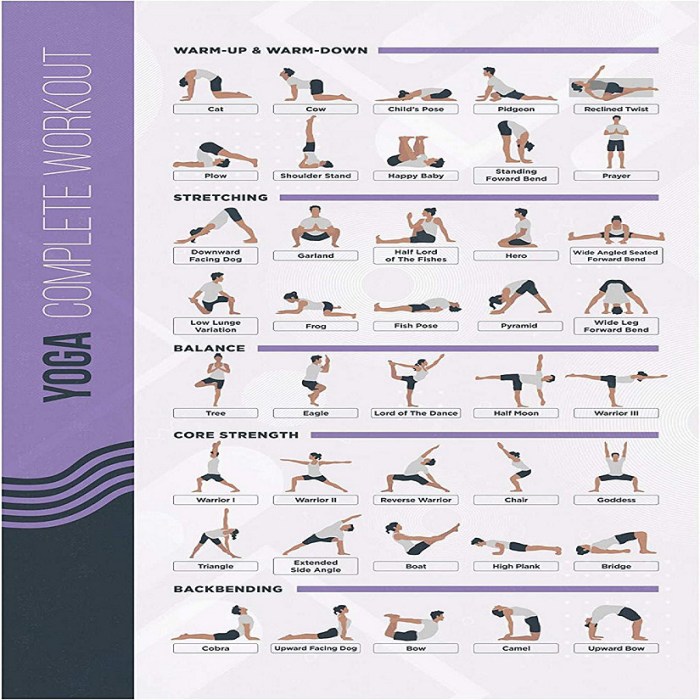
Yoga is known for its ability to reduce stress and promote relaxation through various techniques and practices. By incorporating specific yoga routines into your daily life, you can effectively manage stress levels and enhance your overall well-being.
Techniques for Stress Relief in Yoga
- Deep Breathing: Practicing deep, conscious breathing techniques such as Pranayama can help calm the mind and reduce stress levels.
- Restorative Poses: Engaging in restorative yoga poses like Child’s Pose, Legs Up the Wall, or Savasana can promote relaxation and release tension in the body.
- Mindfulness Meditation: Incorporating mindfulness meditation into your yoga practice can help you stay present and focused, reducing anxiety and stress.
- Yoga Nidra: This guided relaxation technique can induce a deep state of relaxation, allowing your body and mind to unwind and release stress.
Physiological Effects of Yoga on Stress Hormones
Yoga has been shown to lower cortisol levels, the primary stress hormone, and activate the parasympathetic nervous system, promoting relaxation and reducing the body’s stress response.
Yoga Sequences for Stress Management
- Sun Salutations (Surya Namaskar): This dynamic sequence of yoga poses can help energize the body while calming the mind, making it a great stress-relief practice.
- Forward Folds: Poses like Uttanasana (Standing Forward Bend) or Paschimottanasana (Seated Forward Bend) can help release tension in the back and hamstrings, promoting relaxation.
- Twists: Twisting poses like Bharadvajasana (Bharadvaja’s Twist) can help massage the abdominal organs and release tension, offering stress relief.
- Corpse Pose (Savasana): Ending your yoga practice with Savasana allows for complete relaxation, reducing stress and promoting a sense of peace.
Achieving Nutritional Balance Alongside Yoga
Maintaining a balanced diet is crucial when practicing yoga as it provides the necessary nutrients to support your body’s needs during physical activity. A well-balanced diet not only fuels your yoga practice but also contributes to overall health and wellbeing. Let’s explore the importance of achieving nutritional balance alongside yoga.
Tips for Maintaining Nutritional Balance
- Aim for a variety of fruits, vegetables, whole grains, lean proteins, and healthy fats to ensure you are getting a wide range of nutrients.
- Stay hydrated by drinking plenty of water throughout the day, especially before and after yoga sessions to support muscle function and recovery.
- Avoid processed foods, sugary snacks, and excessive caffeine, as they can lead to energy crashes and hinder your yoga performance.
- Consider incorporating superfoods like chia seeds, quinoa, and leafy greens into your meals for an added nutritional boost.
Connection Between Food Choices and Yoga Performance
What you eat directly impacts your energy levels, focus, and physical performance during yoga. By fueling your body with nutrient-dense foods, you can enhance your practice and maintain optimal health. Strive to make mindful food choices that align with your yoga goals and support your overall wellbeing.
Questions Often Asked
How often should I practice yoga for an active lifestyle?
Consistency is key. Aim for at least 3-5 sessions per week to experience optimal benefits.
Can beginners start yoga routines for an active lifestyle?
Absolutely! Start with beginner-friendly poses and gradually increase intensity as you progress.
Is yoga alone enough to maintain an active lifestyle?
While yoga offers numerous benefits, combining it with other physical activities can further enhance your overall fitness levels.