Introduction to Yoga for Cardiovascular Health Improvement
Yoga for cardiovascular health improvement – Yoga is a holistic practice that offers numerous benefits for cardiovascular health. It not only helps in improving flexibility and reducing stress but also plays a significant role in enhancing heart health.
Benefits of Yoga for Cardiovascular Health
- Yoga promotes relaxation and reduces stress, which can contribute to lower blood pressure and heart rate.
- Regular practice of yoga can improve circulation and oxygenation of the blood, benefiting the heart muscle.
- Yoga poses focus on deep breathing techniques that enhance lung capacity and improve overall cardiovascular function.
Complementing Traditional Cardiovascular Exercises
- Yoga can be a great complement to traditional cardiovascular exercises like running or cycling, as it provides a low-impact option that still improves heart health.
- Combining yoga with aerobic activities can create a well-rounded fitness routine that targets different aspects of cardiovascular health.
Specific Yoga Poses for Heart Health
- Mountain Pose (Tadasana): This pose helps in improving posture and increasing circulation throughout the body.
- Bridge Pose (Setu Bandhasana): Bridge pose can help strengthen the back muscles and open up the chest, promoting better heart health.
- Cobra Pose (Bhujangasana): Cobra pose stretches the chest and lungs, improving breathing capacity and supporting heart function.
Incorporating Yoga into Healthy Habits
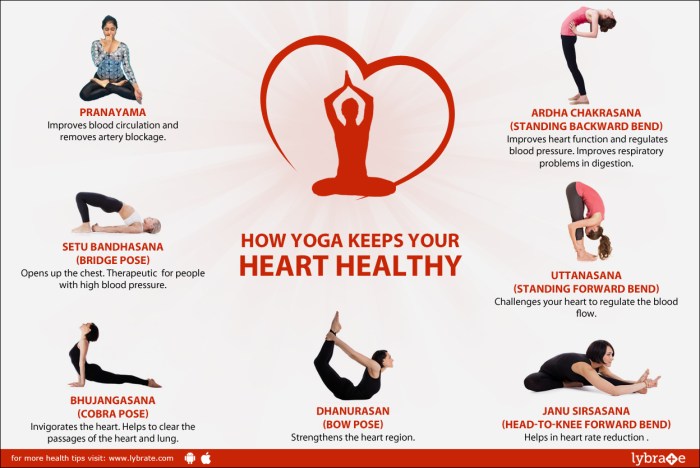
Integrating yoga into your daily routine can significantly contribute to your overall wellness. Regular practice of yoga has been shown to have numerous health benefits, including improved cardiovascular health.
Tips for Integrating Yoga into Daily Routines
- Set aside a specific time each day for yoga practice, whether it’s in the morning to start your day off right or in the evening to unwind.
- Create a dedicated space in your home for yoga practice, free from distractions and clutter.
- Start with short sessions if you’re new to yoga and gradually increase the duration and intensity as you build strength and flexibility.
- Combine yoga with other healthy habits like eating a balanced diet, staying hydrated, and getting enough sleep for optimal results.
Benefits of Regular Yoga Practice for a Healthier Lifestyle
Consistency in yoga practice is key to reaping the cardiovascular benefits it offers. By incorporating yoga into your daily routine, you can experience:
- Improved blood circulation and reduced risk of heart disease.
- Lowered blood pressure and stress levels, promoting overall well-being.
- Increased flexibility, strength, and balance for better physical health.
- Enhanced focus, mindfulness, and mental clarity for improved cognitive function.
Importance of Consistency in Yoga Practice for Cardiovascular Benefits
Regular and consistent yoga practice is essential for maximizing the cardiovascular benefits. By committing to a daily or weekly routine, you can:
- Strengthen your heart muscle and improve its efficiency in pumping blood throughout the body.
- Reduce inflammation and oxidative stress, which are linked to heart disease and other cardiovascular conditions.
- Maintain healthy cholesterol levels and regulate blood sugar levels for optimal heart health.
- Enhance your overall cardiovascular fitness and endurance, leading to a healthier and more active lifestyle.
Yoga’s Impact on Emotional Wellbeing
Yoga is not just beneficial for physical health but also plays a significant role in improving emotional wellbeing. The practice of yoga has been linked to stress reduction and emotional balance, ultimately leading to a sense of calmness and mental clarity.
Connection between Yoga, Stress Reduction, and Emotional Health
- Yoga involves deep breathing techniques and mindfulness practices that help lower cortisol levels, the stress hormone, in the body.
- The physical movements combined with mental focus during yoga practice can reduce anxiety and promote relaxation, which in turn improves emotional health.
- Regular yoga practice has been shown to enhance overall mood and decrease symptoms of depression, contributing to emotional wellbeing.
How Yoga Promotes Relaxation and Mental Clarity for Emotional Balance
- Yoga encourages individuals to be present in the moment, letting go of past worries and future anxieties, which can help reduce emotional distress.
- Through the practice of asanas (postures) and meditation, yoga helps release tension stored in the body and mind, leading to a sense of lightness and emotional balance.
- The focus on breath awareness in yoga can calm the nervous system, leading to a clearer mind and improved emotional regulation.
Personal Anecdotes or Success Stories Related to Emotional Wellbeing through Yoga
- Many individuals have reported feeling more at peace and content after incorporating yoga into their daily routine, attributing it to improved emotional wellbeing.
- Some have shared how yoga has helped them manage stress more effectively and cope with challenging emotions, leading to a more balanced and positive outlook on life.
- Personal stories often highlight the transformative power of yoga in cultivating self-awareness, acceptance, and emotional resilience, ultimately enhancing overall emotional wellbeing.
Promoting Healthy Aging with Yoga: Yoga For Cardiovascular Health Improvement
Yoga can be a powerful tool in promoting healthy aging, especially when it comes to cardiovascular health. As individuals age, the risk of heart-related issues increases, making it crucial to maintain a healthy heart. Yoga offers a gentle yet effective way to support cardiovascular health as we grow older.
Supporting Cardiovascular Health
- Yoga helps improve circulation and blood flow, which can reduce the risk of heart disease and other cardiovascular conditions.
- Practicing yoga regularly can lower blood pressure and cholesterol levels, contributing to a healthier heart.
- Stress reduction through yoga can also benefit heart health, as chronic stress is a major risk factor for heart disease.
Maintaining Flexibility and Mobility
- Yoga focuses on stretching and strengthening the muscles, which can help older adults maintain flexibility and mobility.
- Improved flexibility can reduce the risk of injuries and falls, common concerns for seniors.
- Enhanced mobility allows older adults to stay active and engaged in daily activities, promoting overall well-being.
Gentle Yoga Routines for Seniors
- Chair yoga is a great option for seniors with mobility issues, providing support while still offering the benefits of yoga.
- Slow-paced Hatha yoga classes are ideal for older adults looking to improve heart health without overexerting themselves.
- Restorative yoga focuses on relaxation and gentle stretching, perfect for seniors looking to unwind and support their cardiovascular health.
Maintaining an Active Lifestyle through Yoga
Yoga is a versatile form of exercise that can be adapted to suit individuals of all fitness levels. Whether you are a beginner or an experienced athlete, there are various yoga sequences that can help improve cardiovascular strength and overall physical health.
Dynamic Yoga Sequences for Cardiovascular Strength
- Sun Salutations: A series of poses that flow together to create a dynamic and energizing sequence, promoting increased heart rate and circulation.
- Power Vinyasa Flow: Combines strength-building poses with fluid movements, enhancing cardiovascular endurance and muscle tone.
- Ashtanga Yoga: A structured sequence of poses performed in a continuous flow, challenging the cardiovascular system and improving overall fitness levels.
Role of Yoga in Keeping Individuals Active and Engaged
Yoga not only helps improve physical health but also plays a significant role in keeping individuals active and engaged in regular physical activity. The mindfulness aspect of yoga promotes self-awareness, reduces stress, and enhances overall well-being, making it easier to maintain an active lifestyle.
Yoga Practices for Cardiovascular Health
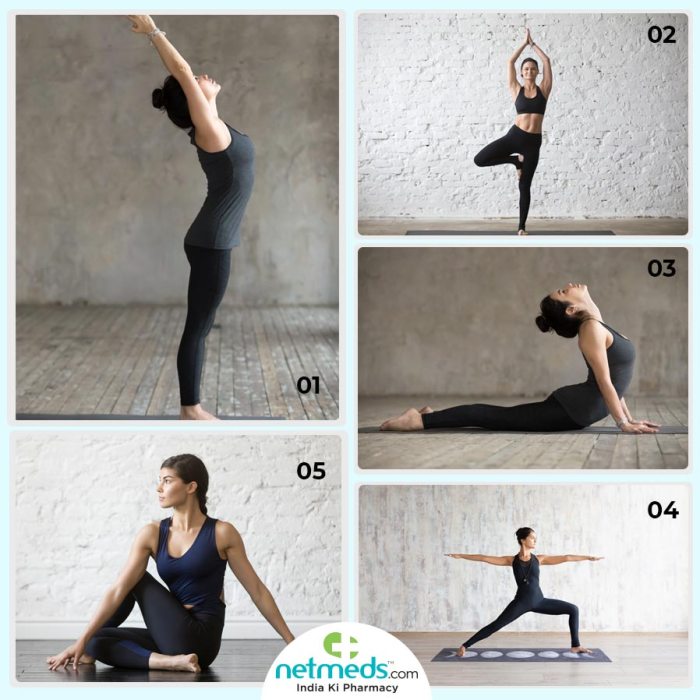
Regular practice of yoga can have significant benefits for cardiovascular health. Let’s explore some specific practices and techniques that can help improve heart health.
Specific Breathing Techniques in Yoga
- One key breathing technique in yoga is diaphragmatic breathing, also known as belly breathing. This involves breathing deeply into the belly, allowing the diaphragm to fully engage and promote relaxation.
- Kapalabhati, or breath of fire, is another breathing technique that involves forceful exhalations followed by passive inhalations. This practice helps increase oxygen supply to the body and can stimulate the heart.
- Anulom Vilom, or alternate nostril breathing, is a calming breathing exercise that can help reduce stress and lower blood pressure, benefiting heart health.
Concept of Mindfulness in Yoga, Yoga for cardiovascular health improvement
Mindfulness in yoga involves being fully present in the moment, focusing on sensations, thoughts, and emotions without judgment.
Practicing mindfulness can help reduce stress levels, improve emotional wellbeing, and positively impact heart health by lowering the risk of heart disease and hypertension.
Yoga for Improved Circulation and Lower Blood Pressure
- Yoga poses that involve inversions, such as downward dog or headstand, can help improve circulation by allowing blood to flow more easily back to the heart.
- Regular yoga practice can also help lower blood pressure by reducing stress, promoting relaxation, and improving overall cardiovascular function.
- Pranayama, or yogic breathing exercises, can help regulate the autonomic nervous system, leading to better blood pressure control and heart health.
Healthy Recipes to Support Yoga Practice
When it comes to practicing yoga for cardiovascular health, nutrition plays a crucial role in supporting overall wellbeing. Eating a balanced diet filled with heart-healthy foods can enhance the benefits of yoga practice and promote a healthy heart.
Nutritious Tips for Yogis
- Focus on whole foods such as fruits, vegetables, whole grains, and lean proteins to fuel your body for yoga sessions.
- Avoid processed foods high in saturated fats, sugars, and salt, which can negatively impact heart health.
- Stay hydrated by drinking plenty of water throughout the day to support your yoga practice and overall cardiovascular health.
Heart-Healthy Recipes
- Quinoa Salad with Avocado and Chickpeas: A nutrient-dense meal packed with fiber, healthy fats, and protein to keep you energized.
- Grilled Salmon with Asparagus: Rich in omega-3 fatty acids and antioxidants, this dish is excellent for heart health and muscle recovery post-yoga.
- Green Smoothie with Spinach and Berries: A refreshing and antioxidant-filled beverage to enjoy as a pre or post-yoga snack.
Importance of a Balanced Diet
Pairing yoga practice with a balanced diet not only supports cardiovascular health but also contributes to overall wellbeing. A diet rich in nutrients, vitamins, and minerals can enhance the benefits of yoga, promoting strength, flexibility, and emotional balance.
Building Mental Resilience through Yoga
Yoga is not just about physical postures; it also encompasses mental and emotional well-being. Through the practice of yoga, individuals can enhance their mental resilience and coping mechanisms, allowing them to better navigate life’s challenges.
Relationship between Yoga, Mindfulness, and Mental Strength
- Yoga promotes mindfulness, which involves being fully present in the moment without judgment. This allows individuals to develop a greater awareness of their thoughts and emotions.
- By cultivating mindfulness through yoga practice, individuals can strengthen their mental resilience and ability to cope with stress, anxiety, and other mental health issues.
- Regular practice of yoga helps individuals build mental strength by improving focus, concentration, and emotional regulation.
Strategies for Cultivating Mental Resilience through Yoga Practice
- Practice deep breathing exercises, such as pranayama, to calm the mind and reduce stress levels.
- Engage in meditation to quiet the mind, increase self-awareness, and enhance emotional stability.
- Incorporate yoga poses that focus on balance, strength, and flexibility to build physical and mental resilience.
- Attend yoga classes or workshops that specifically target mental well-being and resilience-building techniques.
- Set aside time for self-reflection and introspection to better understand your thoughts, emotions, and reactions.
Supporting Immune System with Yoga
Yoga is not only beneficial for physical health but also plays a crucial role in supporting the immune system. By reducing stress and promoting relaxation, yoga can have a positive impact on immune function, ultimately contributing to overall health and wellbeing.
Connection between Yoga, Stress Relief, and Immune Function
Yoga practices such as deep breathing, meditation, and gentle movements help lower stress levels by activating the parasympathetic nervous system. This, in turn, reduces the production of stress hormones like cortisol, which can suppress the immune response. By managing stress through yoga, individuals can support their immune system to function optimally.
Positive Impact of Yoga on Immune System
Research has shown that regular yoga practice can enhance immune function by increasing the production of antibodies and boosting the activity of immune cells. Additionally, yoga helps improve circulation, which allows immune cells to move more efficiently throughout the body, enhancing their ability to fight off pathogens and infections.
Specific Yoga Practices to Boost Immunity
– Pranayama: Breathing exercises like alternate nostril breathing (Nadi Shodhana) can help clear the nasal passages and improve respiratory function, supporting overall immune health.
– Yoga Asanas: Poses that involve twists, such as seated spinal twist (Ardha Matsyendrasana), can help stimulate the lymphatic system, which plays a key role in immune function.
– Meditation: Mindfulness meditation can reduce inflammation in the body and promote a sense of calm, which can positively impact immune function.
By incorporating these specific yoga practices into your routine, you can support your immune system and enhance your overall health and wellbeing.
Stress Relief Techniques in Yoga
Yoga offers a variety of relaxation techniques that can significantly reduce stress levels and promote overall well-being. These techniques not only help calm the mind but also have positive effects on the body, including reducing stress hormones and improving heart health.
Breathing Exercises for Stress Relief
- One effective technique is deep breathing exercises, such as diaphragmatic breathing or alternate nostril breathing. These practices help activate the body’s relaxation response, reducing stress and anxiety levels.
- Practice deep breathing by inhaling deeply through your nose, filling your lungs with air, and exhaling slowly through your mouth. Repeat this process for a few minutes to feel more relaxed and centered.
Yoga Poses for Relaxation
- Poses like Child’s Pose, Corpse Pose, and Legs-Up-The-Wall Pose are great for promoting relaxation and releasing tension in the body. These poses help calm the mind, reduce stress, and improve overall well-being.
- Engage in a restorative yoga practice that focuses on gentle, supportive poses held for longer periods to allow the body to relax deeply and release any accumulated stress or tension.
Mindfulness Meditation for Stress Relief
- Practicing mindfulness meditation can help increase awareness of the present moment, reduce racing thoughts, and promote a sense of calm and tranquility. Mindfulness meditation can be done sitting comfortably or even while practicing yoga poses.
- Focus on your breath, sensations in your body, or simply observe your thoughts without judgment. This practice can help alleviate stress and improve your overall mental well-being.
Achieving Nutritional Balance alongside Yoga
When it comes to enhancing cardiovascular health through yoga, maintaining a balanced diet is just as crucial as the physical practice itself. A well-rounded diet can help support your body’s overall well-being and optimize the benefits of your yoga routines.
Significance of Balanced Diet
Ensuring you have a balanced diet is essential for promoting heart health and maximizing the effects of yoga on your cardiovascular system. A diet rich in nutrients such as fruits, vegetables, whole grains, lean proteins, and healthy fats can provide the necessary fuel for your body to perform optimally during yoga sessions.
Tips for Proper Nutrition
- Aim to include a variety of colorful fruits and vegetables in your meals to ensure you are getting a wide range of vitamins and minerals.
- Choose whole grains like quinoa, brown rice, and oats over refined grains to provide sustained energy levels throughout the day.
- Incorporate lean proteins such as fish, poultry, tofu, and legumes to support muscle recovery and overall strength.
- Include healthy fats from sources like avocados, nuts, seeds, and olive oil to help reduce inflammation and support heart health.
- Stay hydrated by drinking an adequate amount of water throughout the day to support digestion, circulation, and overall well-being.
Creating a Well-Rounded Diet Plan
Developing a diet plan that complements your yoga practice involves focusing on nutrient-dense foods that nourish your body and support your cardiovascular health. Consider working with a nutritionist or dietitian to tailor a meal plan that aligns with your specific health goals and yoga routine.
Frequently Asked Questions
How often should I practice yoga for cardiovascular health improvement?
It is recommended to practice yoga at least 3-4 times a week to see significant improvements in heart health.
Can beginners start practicing yoga for cardiovascular health?
Absolutely! Beginners can start with gentle yoga routines and gradually increase the intensity as they become more comfortable with the practice.
Are there any specific dietary recommendations to enhance the benefits of yoga for heart health?
Eating a balanced diet rich in fruits, vegetables, whole grains, and lean proteins can complement the effects of yoga on cardiovascular health.
Is it necessary to combine other forms of exercise with yoga for optimal heart health?
While yoga alone can have significant benefits for heart health, combining it with other cardiovascular exercises like walking or cycling can further enhance the results.